Kaplan Estates Costs & Pricing
Kaplan Estates offers competitive pricing for its residents when compared to both Essex County and the broader Massachusetts area. For instance, the monthly cost of a semi-private room at Kaplan Estates is $3,500, significantly lower than the county and state averages of $5,800 and $5,805, respectively. Similarly, those opting for a studio will find that Kaplan Estates charges $4,900, which is more affordable than the county's fee of $5,255 and Massachusetts's rate of $5,312. Even for one-bedroom accommodations, priced at $5,700 at Kaplan Estates, the costs are favorable compared to the Essex County average of $5,514 and state average of $5,349. Overall, these figures highlight Kaplan Estates as an attractive option for individuals seeking quality care without compromising their financial wellness.
| Floor plans | Kaplan Estates | Essex County | Massachusetts |
|---|
| Semi-Private | $3,500 | $5,800 | $5,805 |
| Studio | $4,900 | $5,255 | $5,312 |
| 1 Bedroom | $5,700 | $5,514 | $5,349 |
Memory care communities with a similar price nearby
-
from +$550 / mo
Benchmark Senior Living At Putnam Farm
$4,050 to $8,750 / month
4.4 miles away
-
from +$500 / mo
Brightview North Andover
$4,000 to $5,985 / month
11.3 miles away
-
from +$250 / mo
Ashland Farm At North Andover
$3,750 to $6,050 / month
15.1 miles away
-
from -$450 / mo
Benchmark Senior Living At Billerica Crossings
$3,050 to $5,300 / month
15.4 miles away
-
About the same
Grove Manor Estates
$3,550 to $7,265 / month
22.1 miles away
Overall Review of Kaplan Estates
differentiator
12 reviews mention this
Staff responsiveness stands out
Residents describe staff who respond quickly and follow through on concerns.
Across reviews, families mention that staff are quick to handle issues and are helpful once something needs attention. Several residents’ families say communication is handled well when they call, and one reviewer described a timely response when an item was left in a room. At the same time, a few other reviews describe lapses in consistency, including delayed help and variable aide performance, so expectations may depend on the day and unit.
common
7 reviews mention this
Cleanliness is a recurring theme
Many reviewers point to a clean, well-kept facility.
Multiple families comment that the building looks clean and well maintained, including rooms and common areas. A reviewer also said maintenance is prompt when something needs attention, and another described a clean, organized look during a visit. Not every experience is described positively—some reviews mention unpleasant odors or unclean conditions—so cleanliness impressions can vary by time and situation.
caveat
9 reviews mention this
Dining quality feels inconsistent
Food quality is described as sometimes good and sometimes disappointing.
Some residents and families say the food is good, with one noting that the dining experience is enjoyable and another describing excellent food. Others say meals can be awful or inedible, including complaints about low-quality food and portions. There are also mentions of residents being able to order from the menu when they don’t like what’s served, which suggests variety may help some people.
common
7 reviews mention this
Activities keep residents engaged
Reviews frequently highlight an active schedule and resident participation.
Many reviewers say the community offers a variety of activities and that residents seem engaged and less bored. Families describe ongoing activity programming, including arts and outings, and some mention that schedules are posted and provided. A few reviews note that activity participation may depend on the resident or the timing of the stay, including cases where a loved one did not join in.
differentiator
4 reviews mention this
Care options and transitions
Families value having multiple care levels on-site, including memory care options.
Several reviews mention that the community provides more than one level of care, with one reviewer specifically describing an ability to transfer between memory care and skilled nursing in the same location. Others describe seeing different care levels during tours and choosing the community because it offered long-term care options. A couple of negative reviews, however, raise concerns about the day-to-day consistency of care, especially involving aides and nursing performance.
caveat
8 reviews mention this
Cost is discussed both ways
Pricing comes up often, with some describing strong value and others calling it expensive.
Some families say they chose Kaplan Estates because of its pricing structure and describe the value as very good, including one comparison suggesting memory care costs lower than other nearby options. At the same time, other reviews call the cost expensive or describe paying significantly for care needs. One review also includes additional financial context about eligibility for a program, which may affect how pricing feels for different households.
How we summarize
Counts show how many written reviews mention each theme; a review can touch several themes, and only frequently mentioned themes are displayed.

 1-bedroom apartments
 Assisted Living
 Memory Care
 Cats allowed
 Dogs allowed
 Activities off-site
 Air-conditioning
 Beautician on-site
 Cable or satellite TV
 Cafe
Cafe Computer center
 Devotional services off-site
 Dining room
 Garden
 General store
 Guest parking
 Handicap accessible
 Housekeeping services
 Indoor common areas
 Kitchenette
 Laundry
 Outdoor common areas
 Party space
 Private bathrooms
 Respite or short term stays offered
 VA Benefits Consultation
 Wi-Fi/high-speed internet available
 Gen Edw L Logan International (10 miles away)
 Transportation & parking
 Incontinence care
 Medication management
 Gluten-free
 Art classes
 Book club
 Cooking classes
 Day trips and outings
 Educational speakers / life long learning
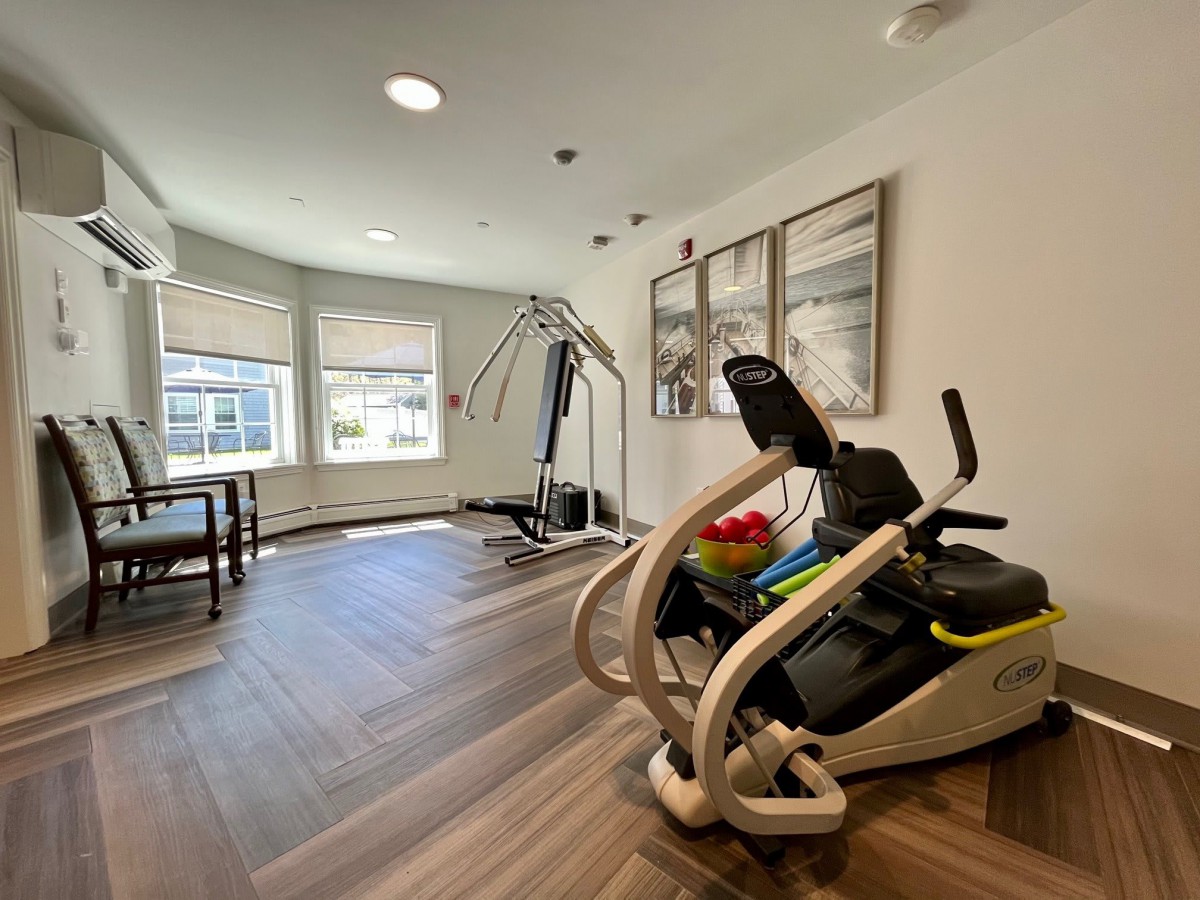
 Fitness programs
 Games
Games Happy hour
 Live dance or theater performances
 Live musical performances
 Live well programs
 Wine tasting
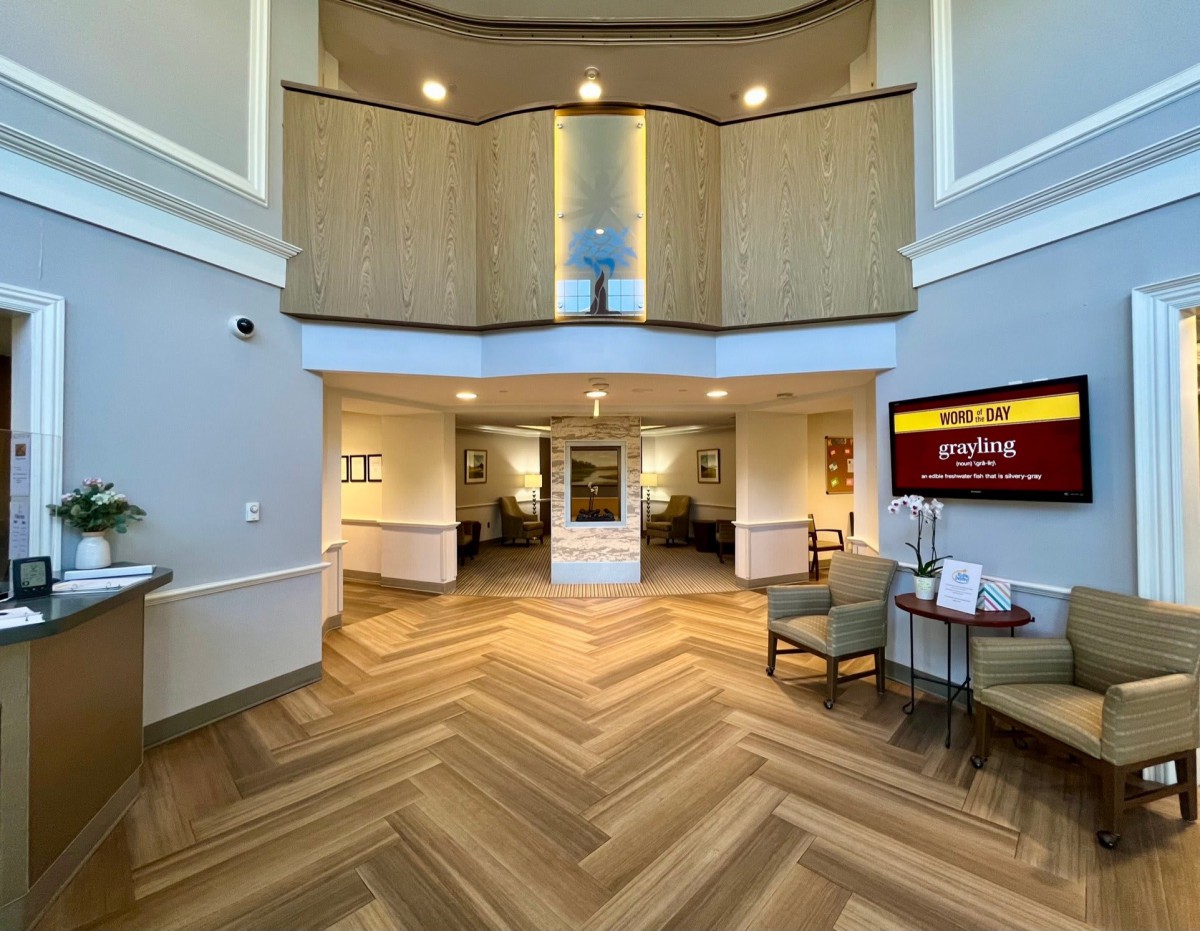
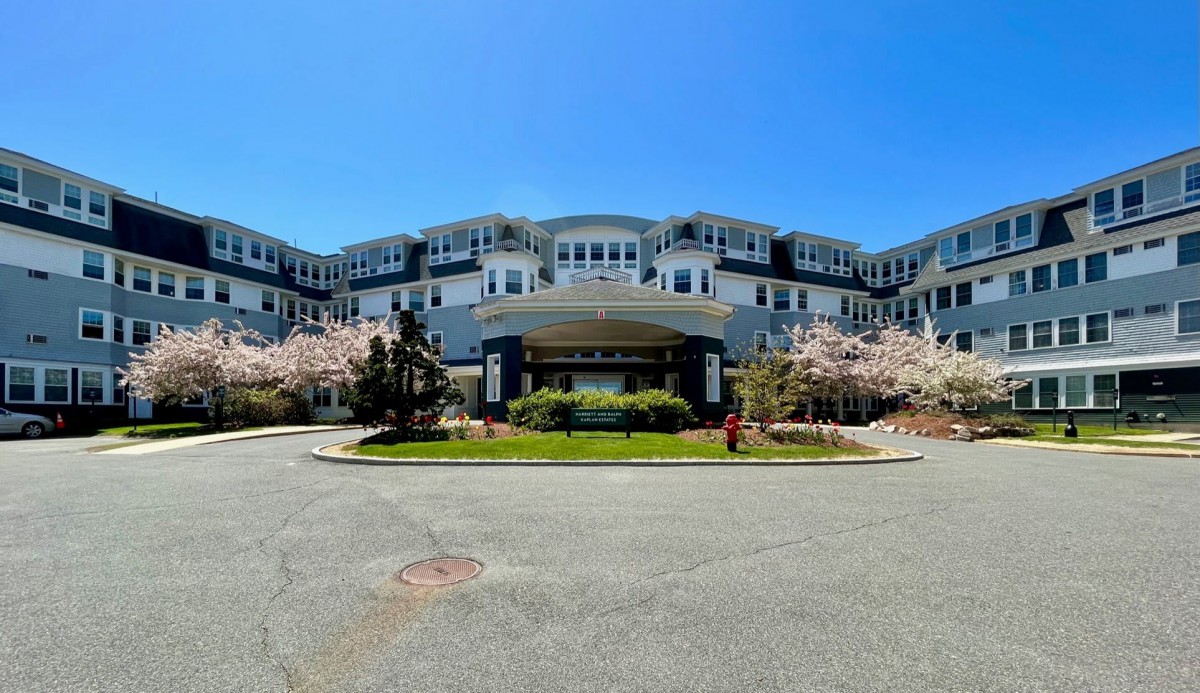
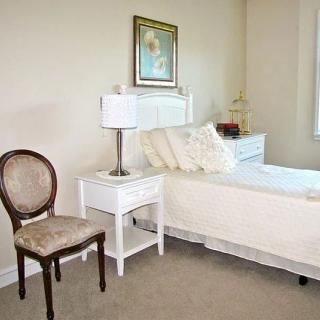
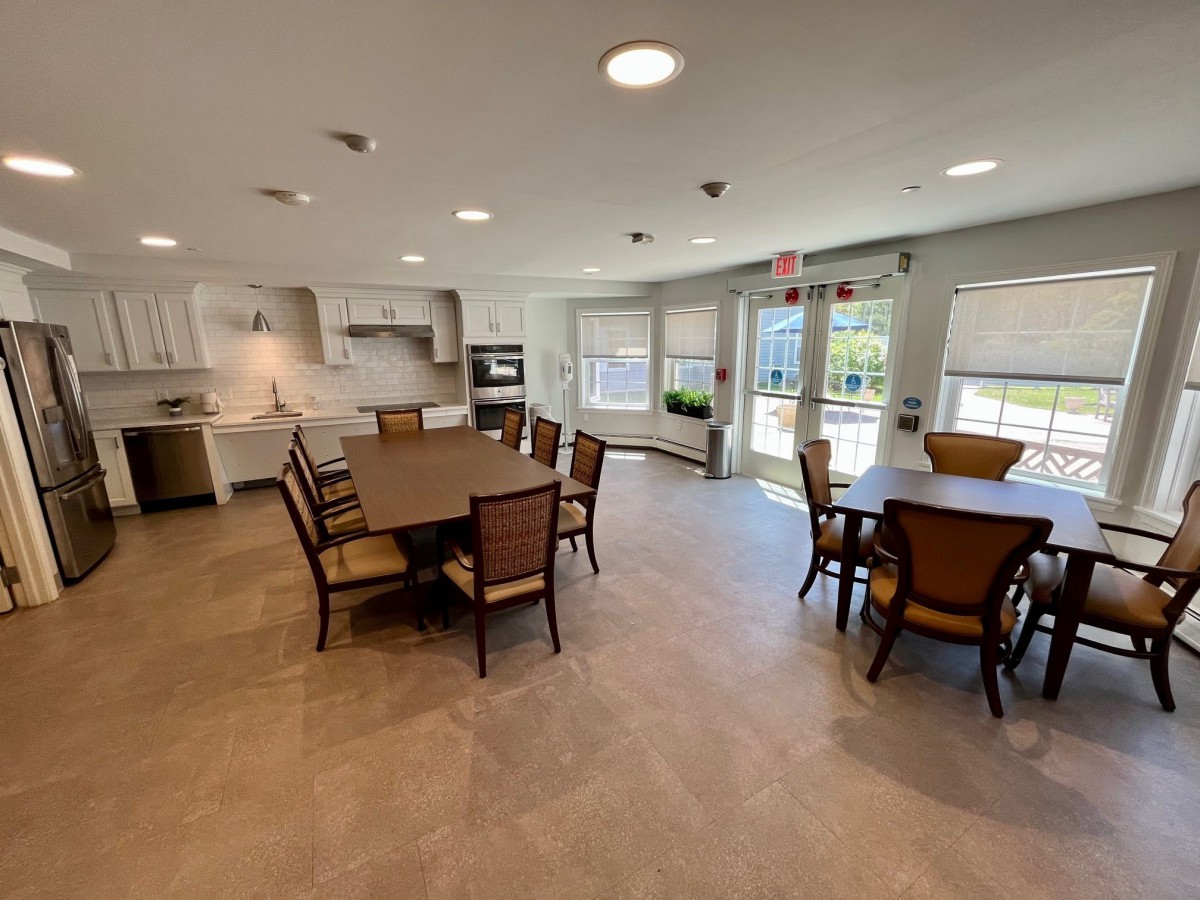
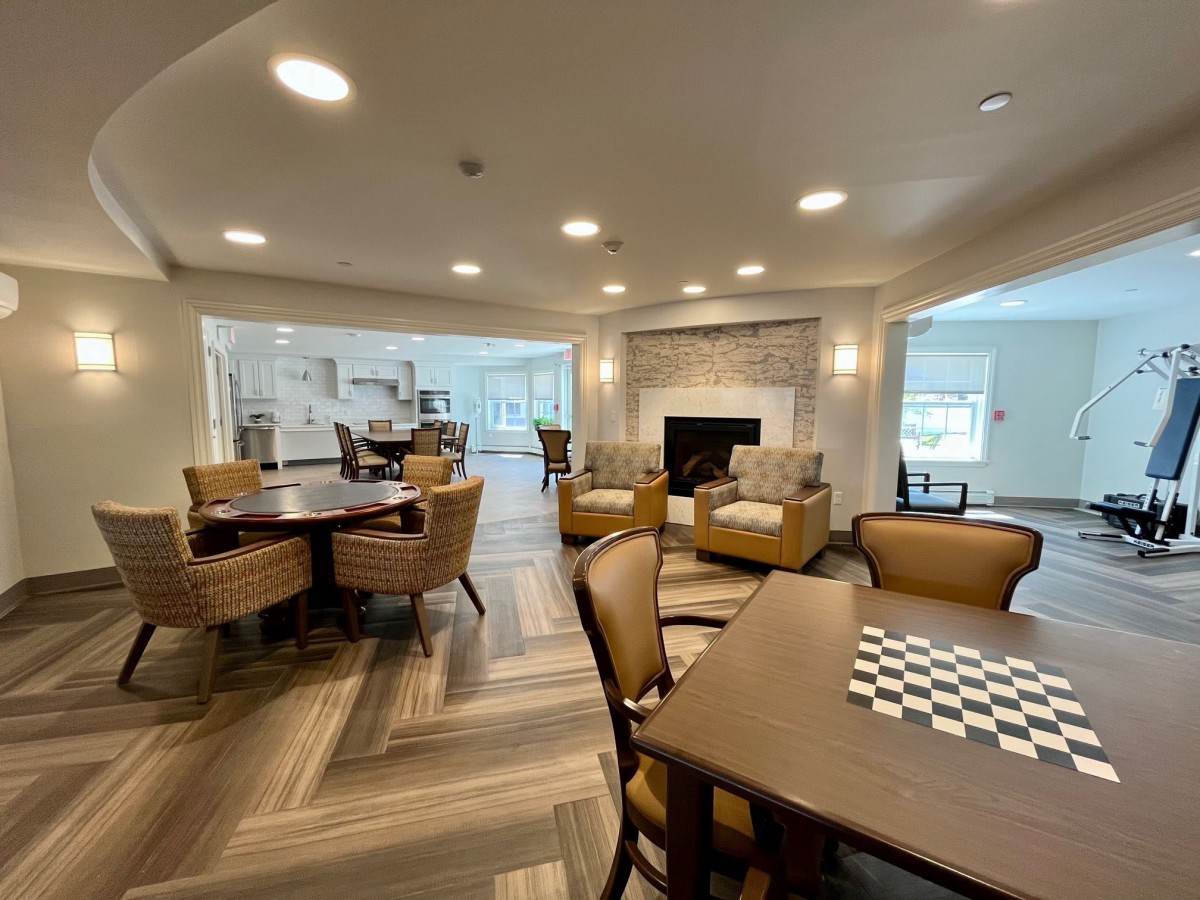
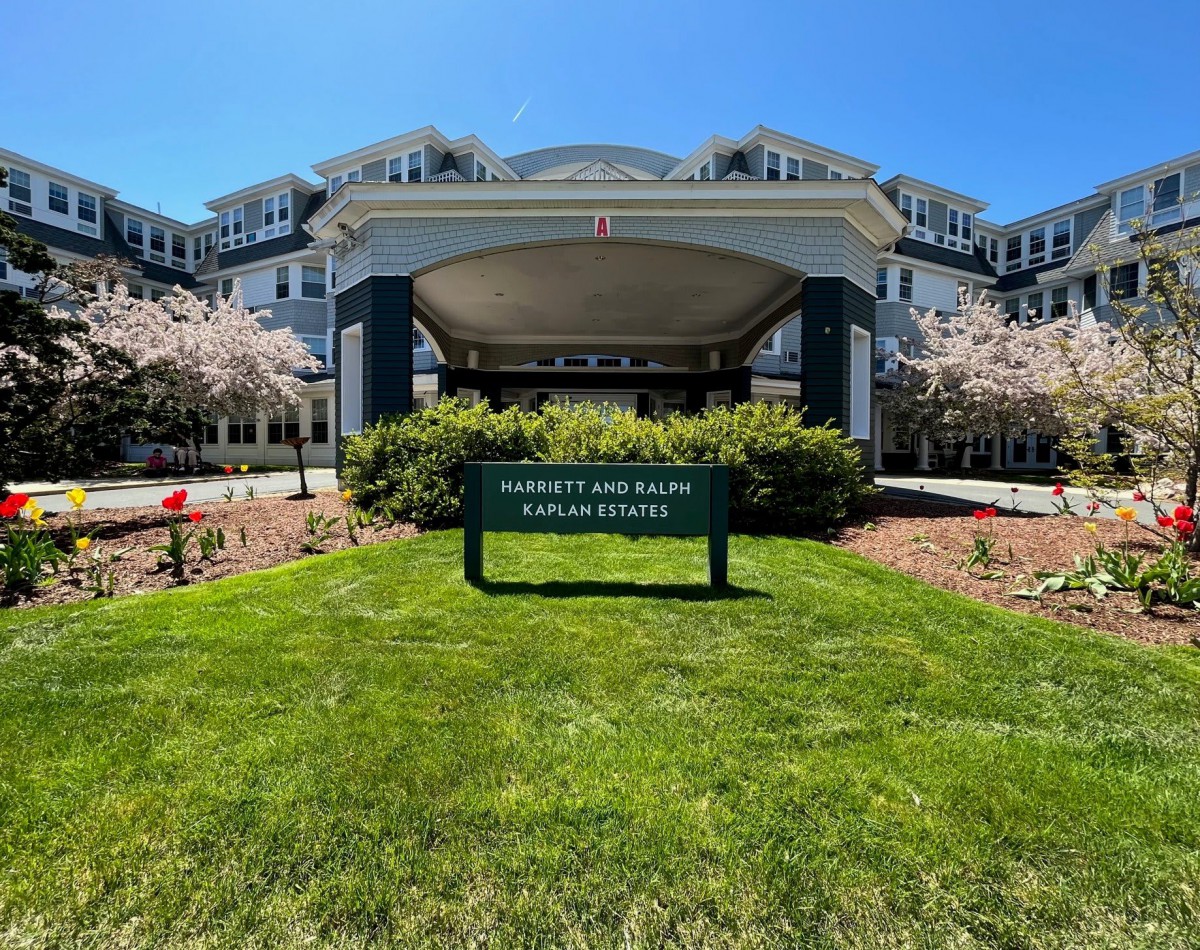
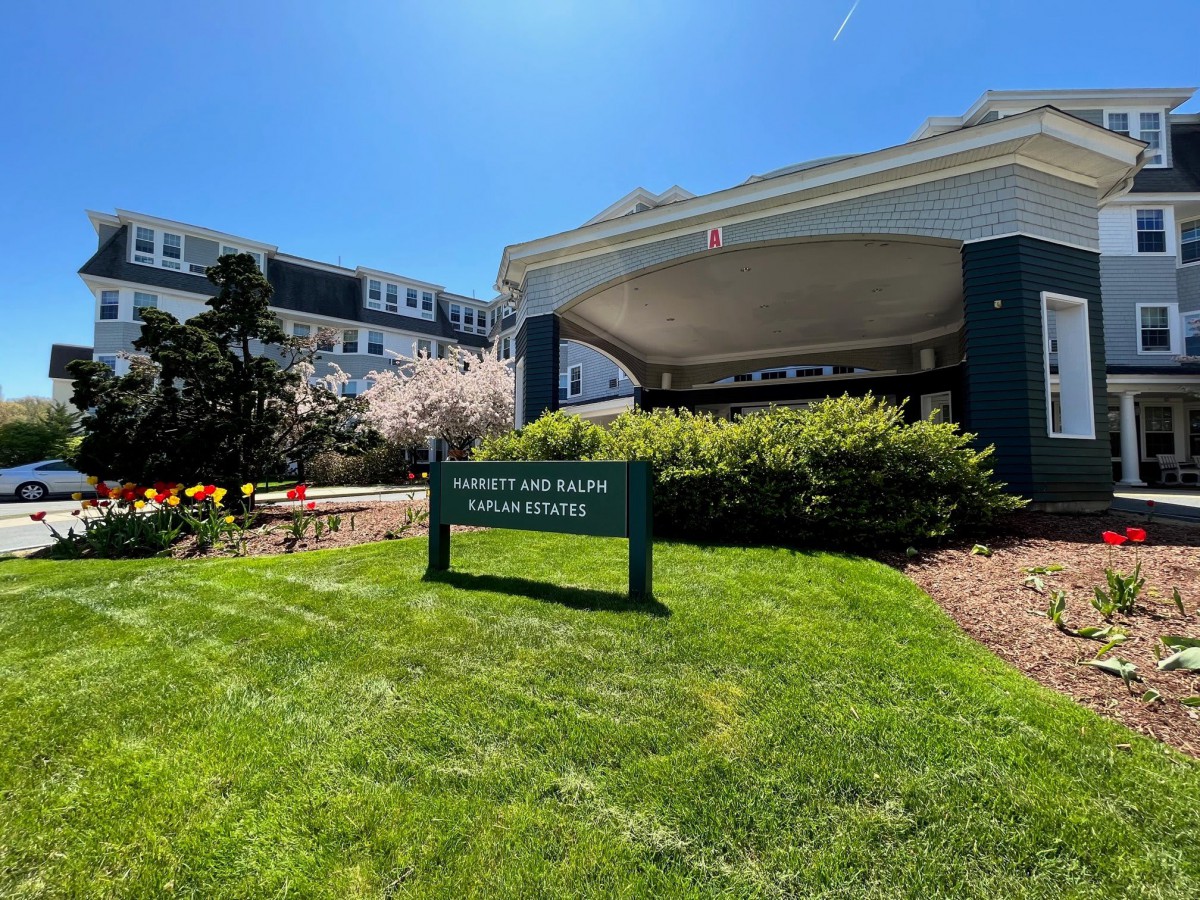
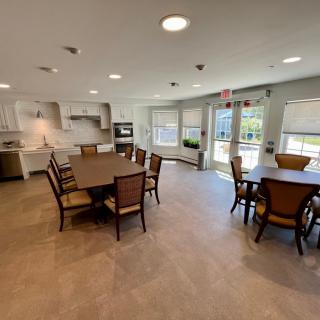
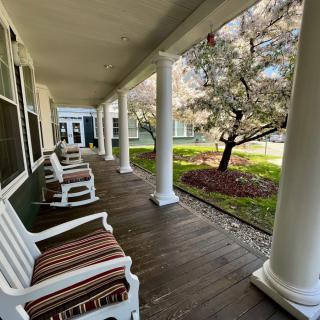
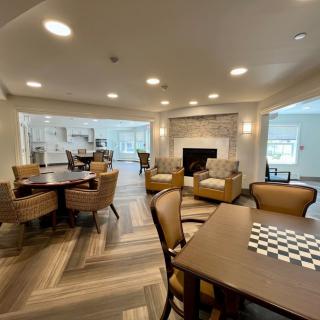
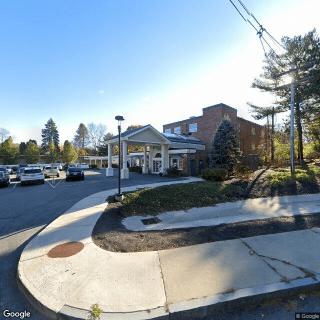
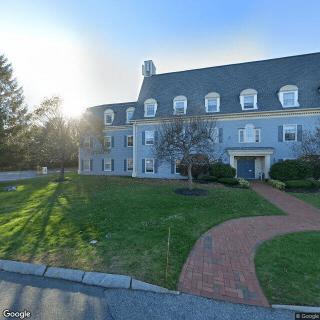
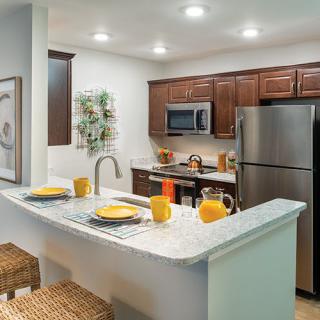
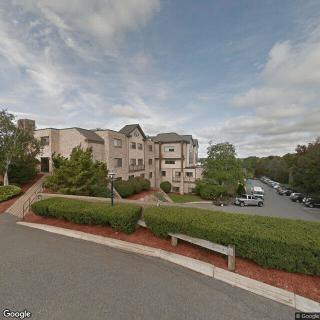
 Engaging activities and attentive staff in a clean, well-maintained facility with spacious sunny rooms.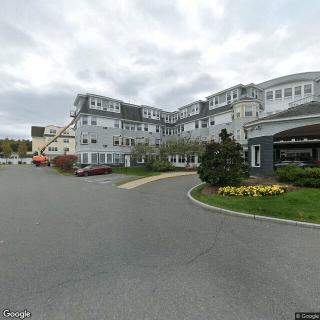

 5 Early Indicators of Dementia and What You Can Do
 8 Important Indicators That Memory Care May Be Necessary
 Delving into the Inner World of Dementia: Insights into Thoughts and Awareness