




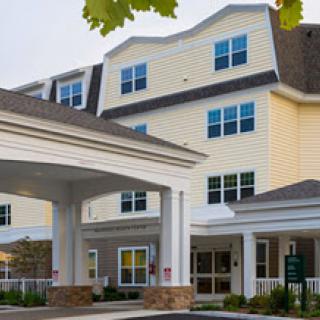

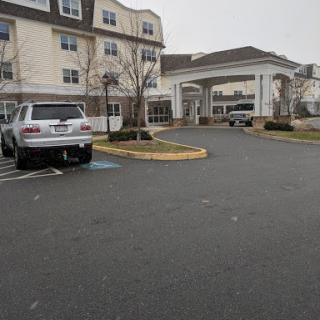
240 Lynnfield Street, Peabody, MA 01960
For more information about senior living options: (866) 208-4318
Overall Review of Harriett And Ralph Kaplan Estates
Pros
 The staff is incredible and caring.
- The entire staff from the director down is very responsive to questions and concerns.
- The nursing staff is amazing.
- The Kaplan family provides loving and attentive care.
- The facility is superb in every way.
- The aids are extraordinary, and residents feel safe and happy there.
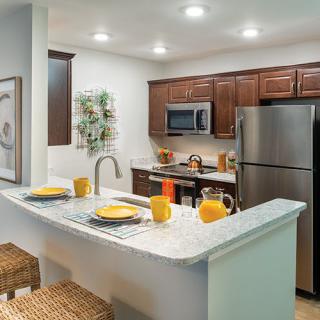
- The rooms are large and sunny.
- There are many activities, including music, art classes, and outside trips.
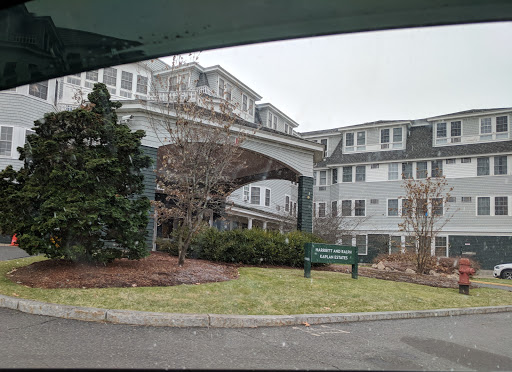
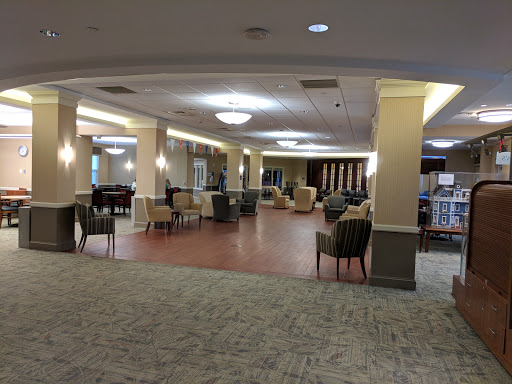
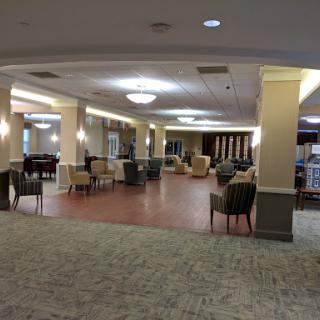
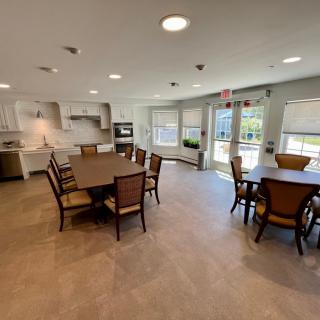
- The dining area is pretty and inviting.
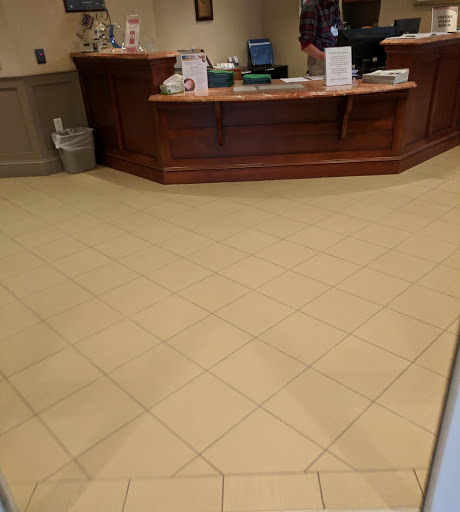
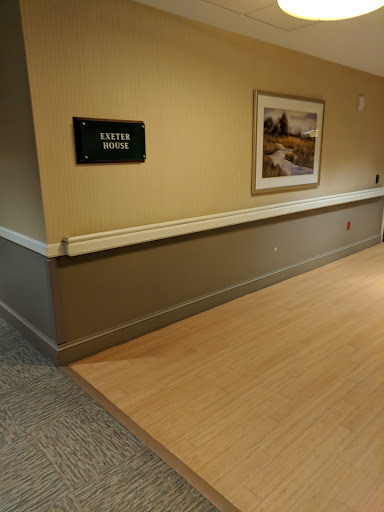
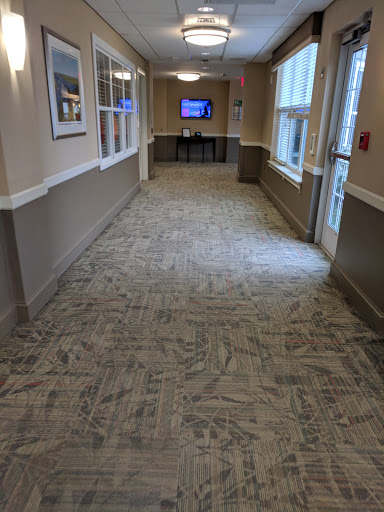
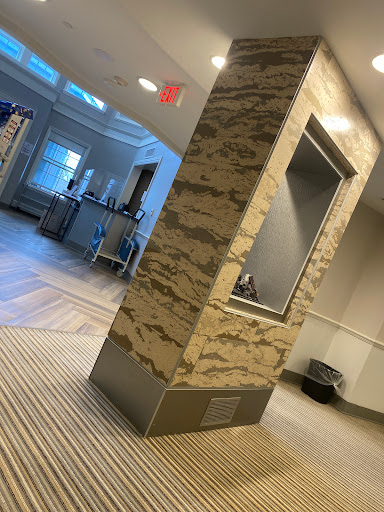
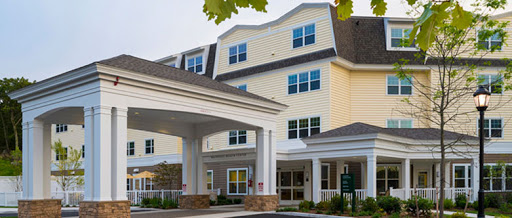
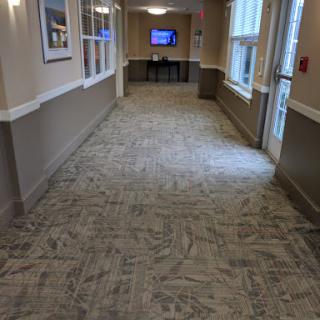
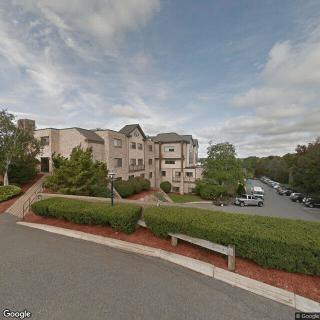
- The facility is clean and modern.
Cons
 The nurses were terrible.
- Mold grew on her feet.
- There were dirty underwear.
- The staff were virtually untrained and unhelpful.
- The food was inedible and of low quality.
- The staff did not monitor her heart or address health concerns, and several spoke little or no English.
- The facility was not compatible with her religious beliefs.
- The reviewer would not recommend this rehabilitation center.
Review
Harriett And Ralph Kaplan Estates in Peabody, Massachusetts is best suited for families seeking a socially rich, caregiver-forward environment where staff responsiveness and resident engagement are the primary strengths. The community is a strong fit for seniors who value a modern, aesthetically pleasing setting with roomy living spaces, frequent on-site activities, and ready access to long-term care or memory-care support. It also appeals to families who want a facility where staff are visible, attentive, and willing to partner closely with relatives on care plans. For those who need a faith-compatible environment, note that Kaplan has a Jewish-centered component that may be a perfect fit or a mismatch depending on the resident’s background. This is an important cultural consideration to confirm during tours.
The strongest positives center on staff and social programming. Reviewers repeatedly praise the aids and nursing staff as extraordinary, with the director and whole team described as responsive to questions and concerns. Residents report big, sunny rooms, attractive dining areas, and a calendar that includes music, art classes, and excursions, which can translate into meaningful daily purpose and reduced isolation. Families appreciate concrete demonstrations of care, help with showers, personalized assessments, and proactive outreach, alongside a robust menu of optional add-ons that tailor the experience. The facility’s integrated layout, with memory care and other community components, helps create a sense of safety and belonging, which is invaluable for ongoing well-being.
Yet, the drawbacks are substantial and deserve serious weight in any decision-making process. Several reviews describe inconsistent clinical performance: delays in response, variable nursing competency, and troubling post-operative or rehab experiences. Food quality is repeatedly criticized as poor, with some accounts calling meals inedible or barely acceptable. There are mentions of overmedication concerns and insufficient monitoring of medical conditions, alongside reports of hygiene lapses such as mold and unsatisfactory cleanliness in some cases. The rehab narrative is mixed, with some patients feeling underwhelmed by physical therapy and overall recovery support, which is a critical driver for those entering after a surgery or injury.
The balance between pros and cons hinges on the primary needs of the resident. For a senior who thrives on companionship, structured activities, and a high-touch, family-inclusive care model, Kaplan Estates can deliver substantial peace of mind and daily satisfaction. The vibrant environment, strong caregiver presence, and community resources offer real value that can offset occasional service gaps. However, for families prioritizing consistent, hospital-grade medical oversight, predictable rehab outcomes, and flawless daily operations, these concerns may not be easily tolerated, and alternatives should be considered.
Those who should explicitly explore other options include families with a resident who requires reliable acute medical management, complex wound or post-surgical care, or highly specialized rehabilitation protocols. Potential residents who place a premium on uniform dining quality and consistently excellent food may want to compare menus and kitchen practices elsewhere. Cultural or faith fit is non-trivial for some; if the Jewish-centered environment does not align with a resident’s beliefs, ensure a compatible atmosphere or look for a facility with a different cultural profile. Finally, weigh the cost structure, including add-ons, against other communities to determine whether the perceived benefits justify the investment.
If Kaplan Estates is the chosen path, conduct a thorough in-person assessment focused on care-team dynamics, staffing ratios, and current resident experiences. Request direct conversations with frontline staff and families of current residents to gauge consistency of care. Review the individualized care plan approach, monitoring routines, and overnight staffing. Verify rehab capabilities and discharge planning, especially for post-operative or short-term needs. Finally, scrutinize the dining program and hygiene practices, and clarify the total monthly cost with all potential add-ons, to ensure the arrangement aligns with expectations and budget. Kaplan Estates offers clear strengths in care empathy and social vitality, but its wisdom rests on confirming that the care quality aligns with the resident’s highest priority needs.
 130 resident community capacity
 Assisted Living
 Respite Care
 Skilled Nursing Facility
 Air-conditioning
 Beauty salon
 Cable or satellite TV
 Computer center
 Dining room
 Fitness room
 Fully furnished
 Gaming room
 Garden
 Housekeeping services
 Kitchenette
 Move-in coordination
 Outdoor space
 Private bathrooms
 Restaurant-style dining
 Small library
 Telephone
 Wellness center
 Wi-Fi/high-speed internet available
 Gen Edw L Logan International (10 miles away)
 Community operated transportation
 12-16 hour nursing
 24-hour call system
 Activities of daily living assistance
 Assistance with bathing
 Assistance with dressing
 Assistance with transfers
 Diabetes diet
 Medication management
 Mental wellness program
 Special dietary restrictions
 Concierge services
 Planned day trips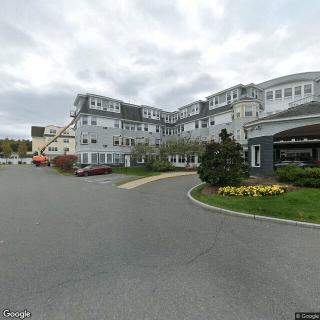


 Senior Transition Services: Understanding Their Role, Cost, and Importance
 Exploring the Path to Senior Living: A Comprehensive Look at Independent Living and Assisted Living
 Is Assisted Living Deductible on Your Taxes? Understanding the Complexities of Assisted Living Expenses and Deductions