
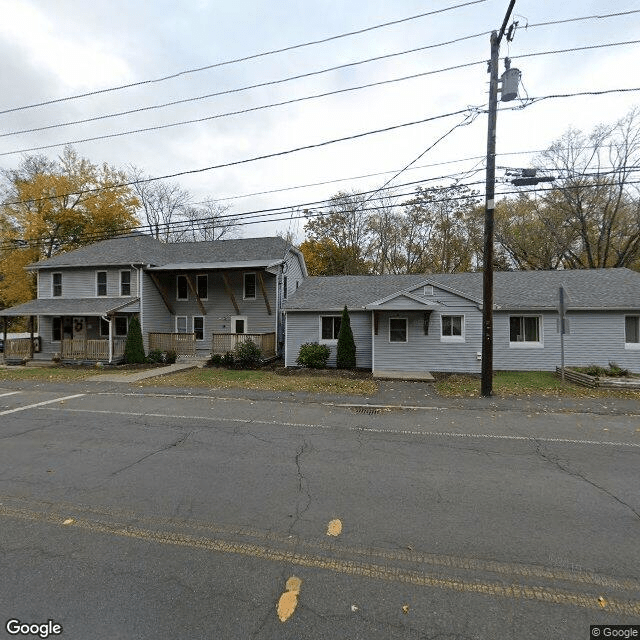
148 Montague City Rd, Greenfield, MA 01301
To contact a resident: (413) 773-8589
For more information about senior living options: (866) 208-4318
Overall Review of Pioneer Valley Manor Rest Home
Pros
 The care team provided a caring, intelligent, patient, gentle, and loving path forward.
 - The nurses were always attentive and worked with all the family’s ideas.
- When they didn’t know something, they researched it and provided accurate information.
- They completely and lovingly fulfilled every discussed need and anticipated needs the family couldn’t foresee.
- The staff were always available and frequently checked in.
- The staff were mindful of emotions, listened, cared, and showed compassion.
- Because of PVHPC, the family could care for their loved one at home, with help just a phone call away.
- One nurse, Angelique, was outstanding; Linda, a PCA, was also great.
Cons
 They would not recommend PVHPC.
- They observed that most nurses only come to adjust medications, and it can take hours before they arrived.
- On the first day, the nurse seemed more focused on paperwork than on getting things in order.
- They felt completely unsettled on their first night.
- They had to wait days to see social services, and bereavement follow-up never materialized.
- The nurse arrived only as the patient was dying.
- They had to provide a stethoscope because the nurse did not have one.
Review
Pioneer Valley Manor Rest Home is best suited for families navigating terminal illness or advanced frailty who want integrated hospice or palliative care delivered with intimate, hands-on attention. The strongest fit is for those who value a compassionate, responsive team that will partner with family members to anticipate needs, answer questions, and support the dying process with dignity. When the priority is keeping a loved one comfortable at home or in a setting where hospice expertise is readily available, PVHPC stands out for the emotional and practical support its nurses and staff bring to that moment.
Those who should consider alternatives are families that must have unwavering consistency in daily staffing and near-immediate response times. The reviews point to variability in who arrives on any given day, with some days feeling delayed and dependent on which nurse or aide is on duty. If reliable, predictable medication management, timely social work involvement, and thorough bereavement follow-up are non-negotiable, it is prudent to compare other providers or facilities that emphasize steady nurse assignments and more regimented care coordination.
The strongest pros, compassion, attentiveness, and proactive symptom management, often offset the most challenging cons for families prioritizing comfort and personal connection. When care teams communicate clearly, research unknowns, and partner with families to tailor plans, the result can be profoundly supportive during end-of-life moments. Several reviewers highlight nurses who are consistently kind, thorough, and available around the clock, with staff who anticipate needs and provide reassurance during emotionally difficult times. In those moments, the ability to manage pain, anxiety, and practical tasks with a human touch can make PVHPC feel essential, even if scheduling hiccups occur at other times.
Yet, the main drawbacks are real and consequential. Reports of inconsistent daily visits, long waits for medication adjustments, and a heavy emphasis on paperwork in the early stages can leave families feeling unsettled and under-supported at critical moments. The absence of timely social work follow-through and bereavement outreach in some cases compounds grief and uncertainty, particularly after the patient’s passing. An on-call experience that includes delays or missteps, illustrated by a highly troubling account in which needed support was not there when it mattered, amplifies the risk to families already under strain. These gaps do not negate the care quality in every instance, but they do shape whether PVHPC feels reliably reassuring or intermittently frustrating.
From a decision-making standpoint, charting a path with PVHPC requires concrete expectations and proactive engagement. Prospective families should insist on a dedicated care manager who coordinates visits, a guaranteed nurse schedule, and explicit after-hours coverage. Demand a clear plan for social work involvement and timely bereavement support, with written contact points and escalation procedures. Ask for a realistic timeline for medication adjustments and a process for rapid communication during emergencies. If choosing PVHPC, secure these arrangements before admission, and request a trial period to assess whether the rhythm of care aligns with the loved one’s needs.
In the end, Pioneer Valley Manor Rest Home offers a compelling option for families seeking deeply personalized hospice support and a compassionate bedside presence during life’s final chapters. The care can be extraordinary when the team is aligned, available, and proactive; it can be less dependable when scheduling and coordination falter. This leads to a practical takeaway: PVHPC is strongest for those who prize intimate, attentive end-of-life care and are prepared to actively shape the care plan alongside staff. If reliability and seamless coordination are essential, explore alternatives or supplement PVHPC with a clearly defined, rigorously managed care framework before making the commitment.
 Board and Care Home






 9 Stimulating Memory Activities for Seniors: Puzzles, Cards, and Much More
 Managing Nursing Home Expenses After Medicare Coverage Ends
 Is a Geriatric Care Manager the Right Choice for Your Family?