For more information about senior living options: (866) 208-4318
3.9 from 84 reviews
5 stars
49
4 stars
13
3 stars
2
2 stars
2
1 stars
18
Overall Review of Elaine Center at Hadley
common28 reviews mention this
Care teams get frequent praise
Staff care and attentiveness come up repeatedly in residents' and families' experiences.
Many reviewers describe the staff as caring, attentive, and responsive, including nurses, CNAs, therapists, and social workers. Several families also mention smoother transitions into long-term care and feeling informed about the care plan. Even in mixed reviews, people often still point to therapy and parts of the care team as strong. A few negative reviews contrast this by describing poor communication or unkind treatment, so experiences are not uniform.
common10 reviews mention this
Rehab and therapy support progress
Rehabilitation and therapy are a consistent focus in what people report.
Several reviews describe physical therapy and occupational therapy as helpful for strength, transfers, gait training, and recovery after hospital stays or surgery. Families also mention supportive coaching, like learning exercises and safe ways to move or get in and out of bed. A few reviewers who had negative overall experiences still singled out therapy staff as outstanding. The result is that rehab quality is one of the most concrete day-to-day topics in the comments.
differentiator7 reviews mention this
Leeds memory care stands out
Memory care on the Leeds unit is repeatedly highlighted by families.
Reviewers who mentioned the Leeds dementia unit described compassionate, attentive care and ongoing support for families during difficult transitions. Some also reference communication updates during periods when in-person contact was limited. One family describes the staff as treating residents with respect and dignity, even when behaviors were challenging. There is one dissenting review about a dementia-related placement and decisions around placement, so the unit appears to have mixed outcomes across families.
common6 reviews mention this
Food quality is mixed
Dining and meal satisfaction vary across residents.
Some reviewers mention enjoyable meals, second portions being accommodated, and dishes being “awesome” during visits. Others describe the food as unrecognizable or as something a resident does not like consistently. There are also mentions of diabetic restrictions and concerns that kitchen staff may not always be aware of dietary needs, alongside generally accommodating meal requests. Overall, dietary support is present, but the day-to-day experience with food quality is not consistent.
caveat6 reviews mention this
Maintenance and cleanliness receive complaints
Some residents and families report issues with upkeep and cleanliness.
A number of comments reference cleanliness and presentation, including mentions of clean rooms, linens, and a facility that feels safe and well organized. At the same time, several negative reviews point to problems such as unpleasant hallway odors, dirty bathrooms, and unclean conditions in rooms. There are also complaints about missing or poorly cared-for items and slow cleanup after problems were reported. This creates a clear caveat: cleanliness and maintenance quality can vary by area and time.
caveat4 reviews mention this
Communication and staffing concerns appear
Some families report difficulties with responsiveness and staffing.
Several reviews mention communication breakdowns, including delays in getting calls returned and difficulties reaching administration. A few negative comments also describe staffing shortages or inadequate attention, including claims about longer waits for services. One review specifically criticizes administrative responsiveness in the context of a crisis involving a resident with dementia. While many commenters praise the team, these issues show up strongly enough to be a recurring concern for at least some families.
How we summarize
Counts show how many written reviews mention each theme; a review can touch several themes, and only frequently mentioned themes are displayed.
Features
Housing
21 resident community capacity
Types of Care
Memory Care
Skilled Nursing Facility
Amenities
Beauty salon
Cable or satellite TV
Dining room
Fully furnished
Garden
Housekeeping services
Kitchenette
Move-in coordination
Outdoor space
Telephone
Wi-Fi/high-speed internet available
Care Services
24-hour call system
24-hour supervision
Activities of daily living assistance
Assistance with bathing
Assistance with dressing
Assistance with transfers
Coordination with health care providers
Diabetes diet
Meal preparation and service
Medication management
Mental wellness program
Mild cognitive impairment
Special dietary restrictions
Specialized memory care programming
Transportation arrangement (medical)
Transportation to doctors appointments
Dining
Diabetes diet
Special dietary restrictions
Activities
Community-sponsored activities
Scheduled daily activities
Nearby Places of Interest
Restaurants
Taco Bell (0.2 miles)
McDonald's (0.3 miles)
Chipotle Mexican Grill (0.3 miles)
Popeyes Louisiana Kitchen (0.4 miles)
Stables Sandwich Shoppe (0.5 miles)
Arizona Pizza Company (0.5 miles)
Friendly's (0.8 miles)
Cafes
Starbucks (0.3 miles)
Panera Bread (0.5 miles)
LimeRed Teahouse (2 miles)
Procrastination Station (2.3 miles)
People's Market (2.4 miles)
Esselon Coffee Roasting Co. (2.7 miles)
Cushman Market & Cafe (4.2 miles)
Pharmacies
Walmart Pharmacy (0.5 miles)
CVS Pharmacy (1.1 miles)
CVS Pharmacy (2 miles)
Walgreens (4.6 miles)
CVS Pharmacy (4.9 miles)
Theaters
Cinemark (0.5 miles)
Hospitals
Kealy, John Medexpress Urgent Care (0.7 miles)
Kittredge Surgery Center (5.5 miles)
Cooley Dickinson Emergency Department (5.6 miles)
Cooley Dickenson MRI Center (5.6 miles)
VA Central Western Massachusetts Healthcare System (6.6 miles)
Physicians
Women's Health Amherst (1.1 miles)
Cooley Dickinson Medical Group Amherst Medical Associates (1.1 miles)
The diverse and specialized features offered by Elaine Center at Hadley play a crucial role in enhancing the quality of life for residents with dementia or Alzheimer's disease. Assistance with dressing, bathing, and transfers ensures that residents maintain dignity while receiving necessary support for their daily activities, which can be challenging due to cognitive decline. Medication management is vital in maintaining health stability and compliance, while meal preparation and service cater to dietary needs while promoting nutrition. Transportation arrangements facilitate access to medical appointments, ensuring continuity of care through coordination with health care providers. The 24-hour supervision guarantees safety and timely intervention when needed, while activities of daily living assistance fosters independence. Additionally, a mental wellness program tailored for residents experiencing mild cognitive impairment alongside specialized memory care programming creates an engaging environment that stimulates cognitive function and emotional well-being, addressing the unique challenges of dementia care holistically.
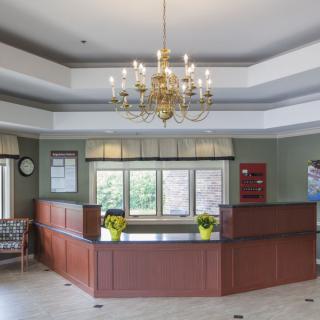
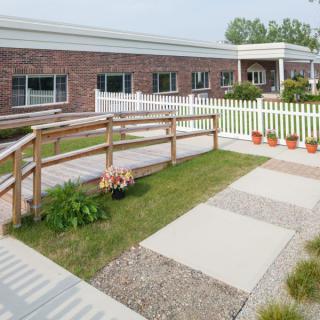
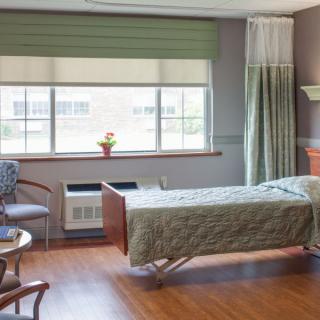
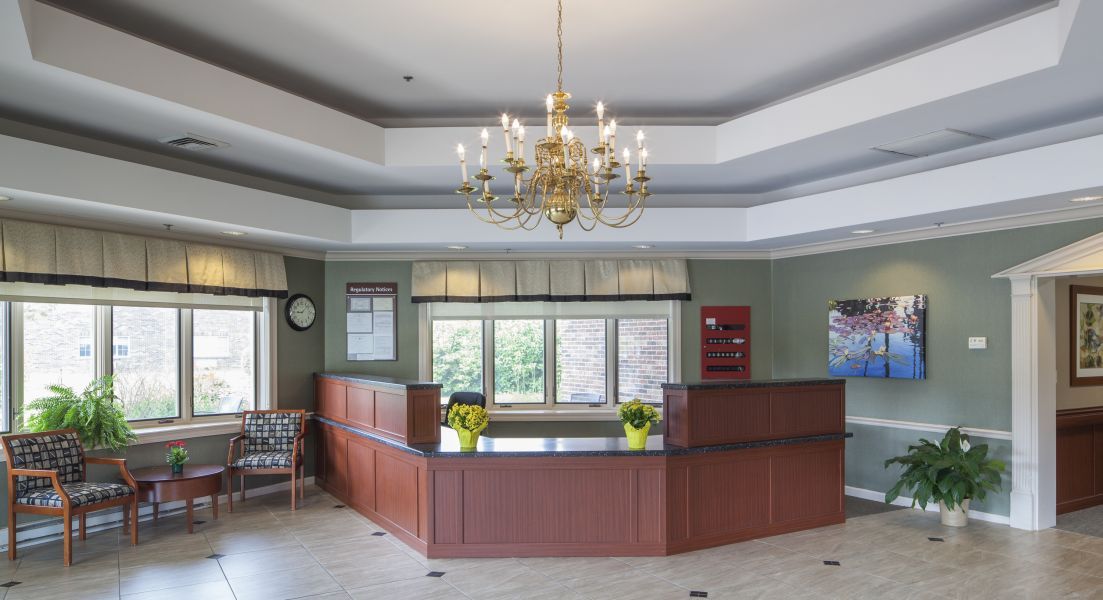
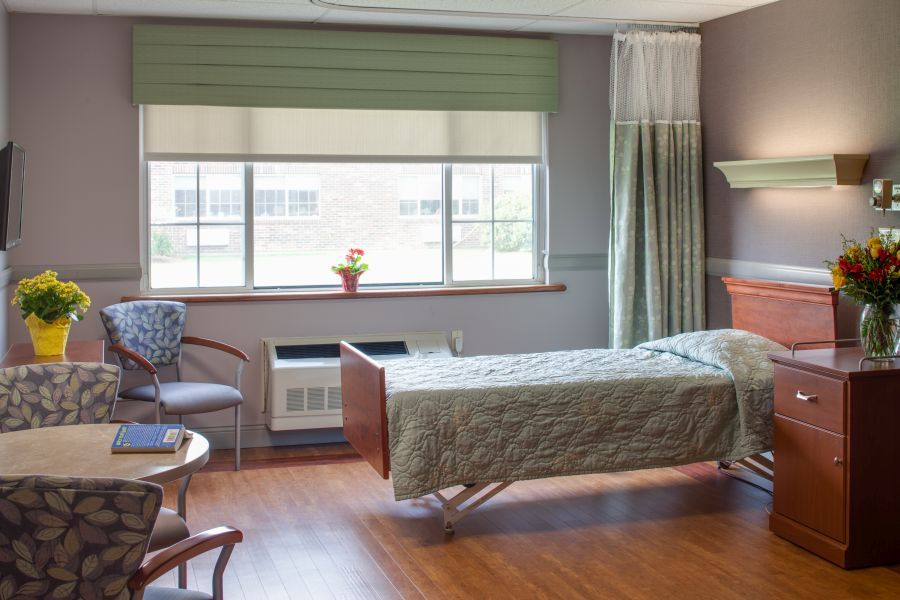
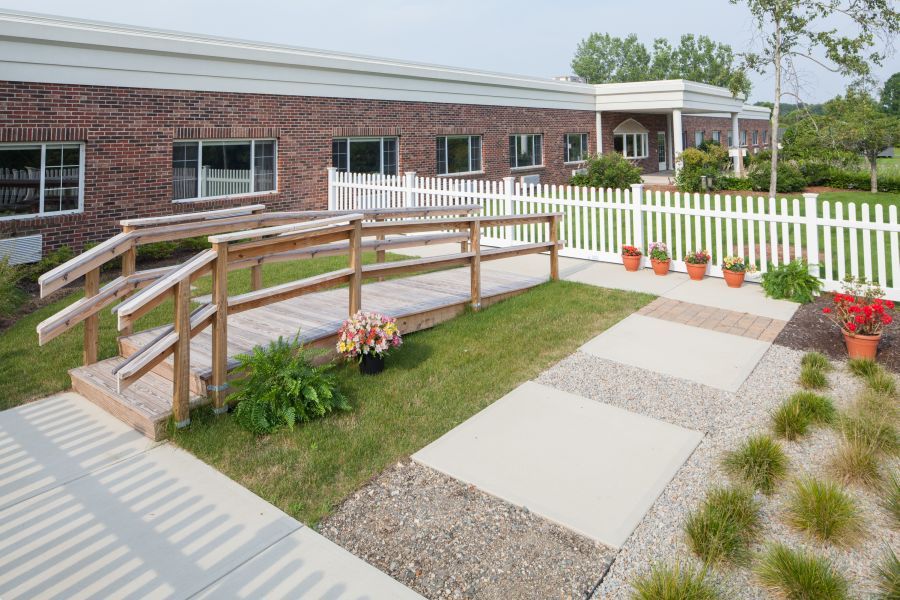
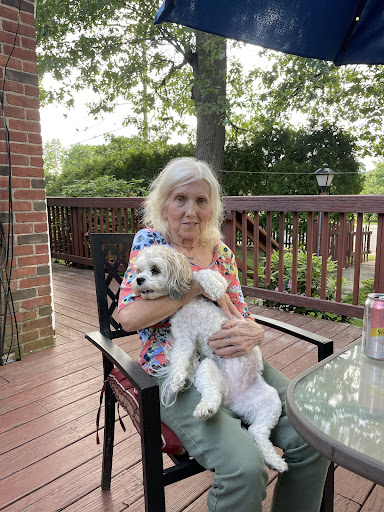
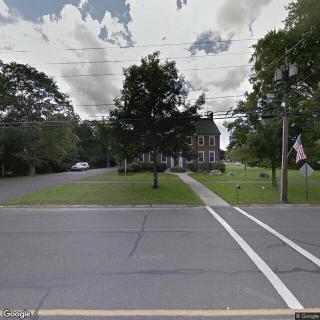
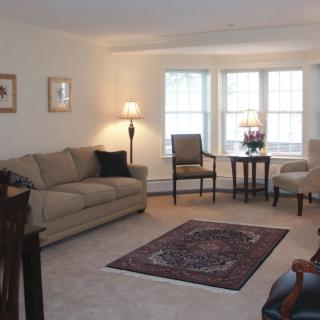
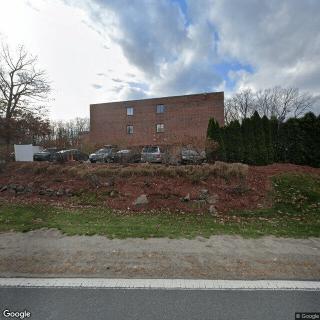
Elaine Center at Hadley on seniors.fyi includes 4 photos including images showing windows, interior, outdoors, bedroom, building, garden, pathway, reception area, and more.
Nearby Communities
Hadley at Elaine Care and Rehabilitation Cent
Hadley, MA
3.9 from 71 reviews
$8,943 to $9,338 / month
Active family advocacy helped secure a safer outcome for their loved one.
Center For Extended Care At Amherst
Amherst, MA
2.4 from 36 reviews
$1,819 to $2,388 / month
Restaurant-style dining with comprehensive on-site amenities and 24/7 care, plus a mental wellness program.
Arbors at Amherst
Amherst, MA
4.4 from 34 reviews
Caring staff in a clean, well-maintained memory-care environment.
Highland Valley Elder Svc
Amherst, MA
4.8 from 4 reviews
Excellent access to nearby amenities (cafes, parks, pharmacies, physicians, restaurants, theater, and a hospital) for a well-rounded lifestyle.
Highland Valley Elder Svc
Hatfield, MA
Excellent access to healthcare and nearby amenities.
Applewood At Amherst
Amherst, MA
4.6 from 7 reviews
Professional, caring staff with a vibrant, engaging community and strong dining.
Rockridge Retirement Community
Northampton, MA
3.3 from 13 reviews
Spacious, well-maintained units with patios and extensive amenities.
Linda Manor Assisted Living
Leeds, MA
4.3 from 25 reviews
$5,642 to $8,750 / month
Friendly, caring staff; clean, bright environment; engaging activities and good dining.
Holyoke Rehabilitation Center
Holyoke, MA
1 from 2 reviews
Potential for improved staffing, dignity, and civil rights adherence with quality improvements.
Dementia often results in disrupted sleep patterns, leading to excessive daytime sleeping due to factors like brain damage affecting circadian rhythms, medication side effects, and lack of structure in daily activities. Caregivers must monitor these changes closely, as oversleeping can increase risks such as malnutrition or dehydration, and provide necessary support and routines to enhance patient engagement and well-being.
The transition from assisted living to skilled nursing care is often prompted by complex medical needs that assisted living cannot meet, with key indicators including frequent health declines, increased falls, severe memory issues, and caregiver burnout. Families should recognize these signs early to discuss options with healthcare providers and prepare for the emotional and logistical aspects of moving to a facility that offers comprehensive medical support.
Dementia is characterized by cognitive decline, with nutrition playing a vital role in brain health; while no specific diet can prevent or reverse it, a nutrient-dense diet rich in antioxidants and healthy fats may support cognitive function. The MIND diet, which emphasizes beneficial foods and limits processed items, along with proper hydration and individualized meal strategies, can enhance the well-being of dementia patients.
Chandelier, Lobby, Waiting Area, and Reception Area
Outdoors
Nature and Deck
Get PricingAsk A QuestionSchedule A TourContact Senior Advisor
By clicking submit, you agree to our Partner's Terms of Use. You
also consent to receive calls and texts, which may be autodialed, from our Partner. Your consent is not a condition to
using our Partner's service. Please visit our Partner's Privacy Policy for information about their privacy practices.

 21 resident community capacity
 Memory Care
 Skilled Nursing Facility
 Beauty salon
 Cable or satellite TV
 Dining room
 Fully furnished
 Garden
 Housekeeping services
 Kitchenette
 Move-in coordination
 Outdoor space
 Telephone
 Wi-Fi/high-speed internet available
 24-hour call system
 Activities of daily living assistance
 Assistance with bathing
 Assistance with dressing
 Assistance with transfers
 Diabetes diet
 Meal preparation and service
 Medication management
 Mental wellness program
 Special dietary restrictions
 Transportation arrangement (medical)
 Transportation to doctors appointments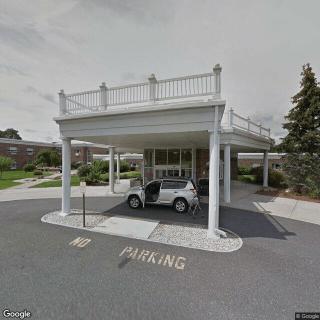
 Active family advocacy helped secure a safer outcome for their loved one.




 Why Do Dementia Patients Sleep So Much? Understanding Oversleeping, Stages, and Care Approaches
 8 Key Indicators That Suggest It May Be Time to Transition from Assisted Living to Skilled Nursing Care
 Nourishing the Mind: Essential Dietary Approaches for Dementia