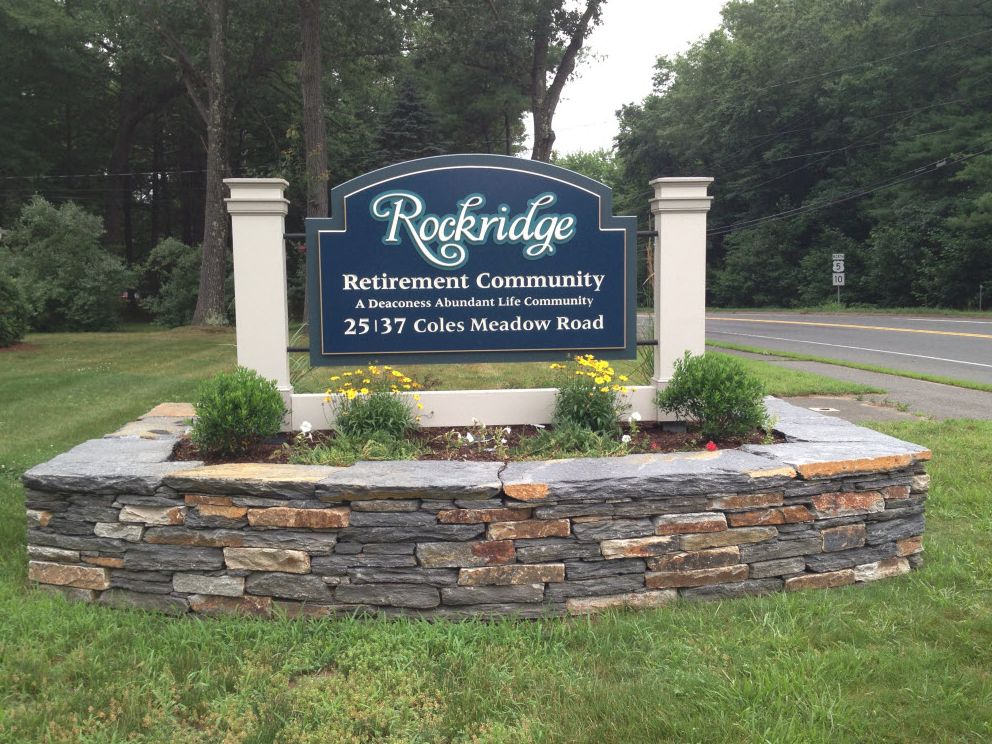
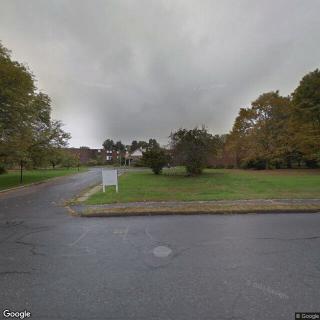
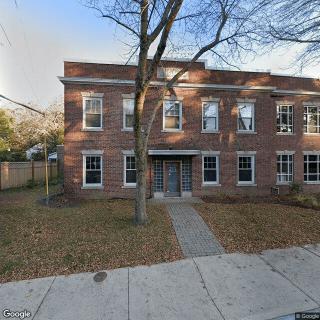
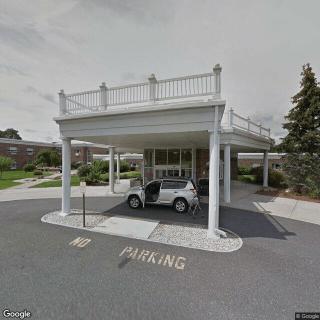
25 & 37 Coles Meadow Road, Northampton, MA 01060
For more information about senior living options: (866) 208-4318
Overall Review of Rockridge Retirement Community
Pros
 The memory care unit is excellent with caring staff and an overall sense of family and belonging.
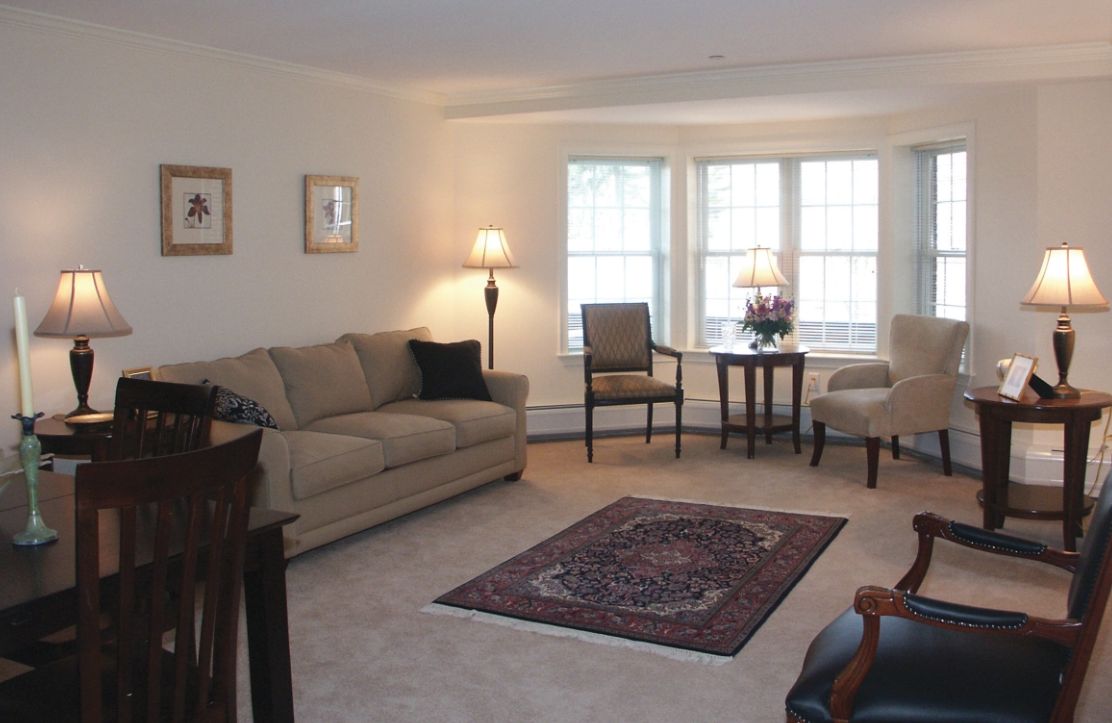
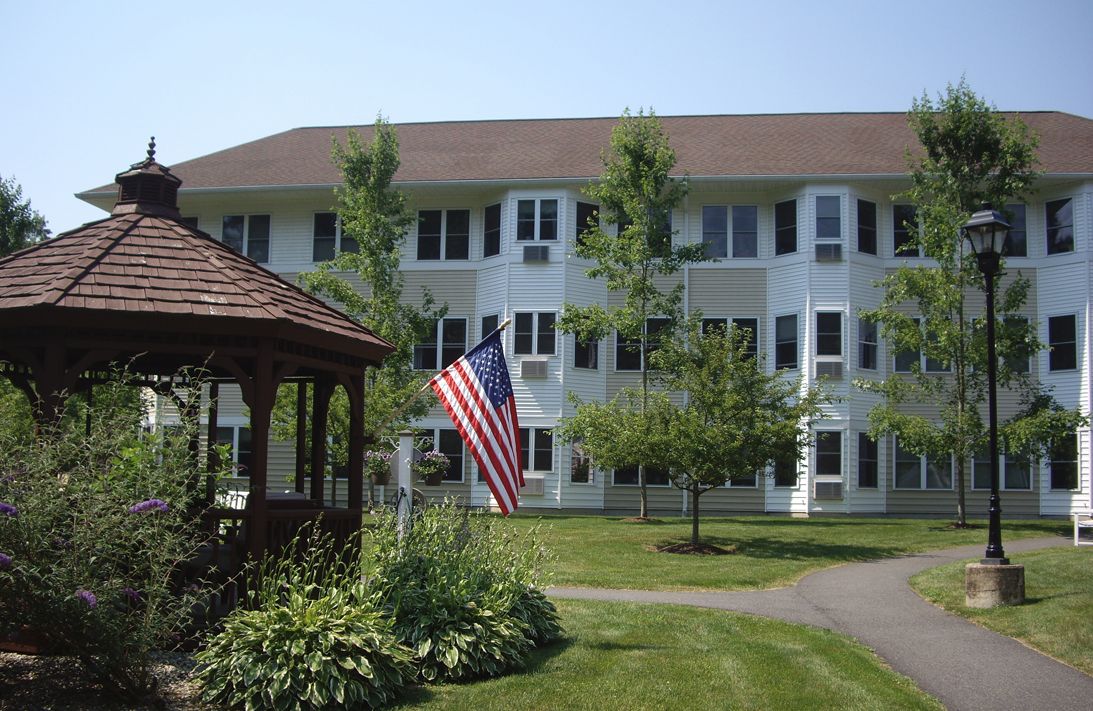
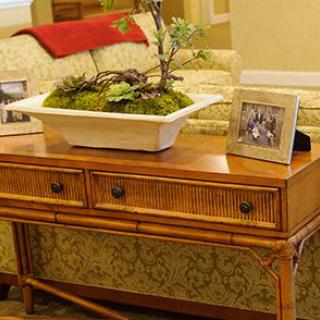
- The facility feels homey with welcoming decor and a lovely outdoor garden area.
- There is great music and lots of quality entertainment for residents.
- Residents feel loved by the staff.
- The staff is helpful and present even in the middle of the night.
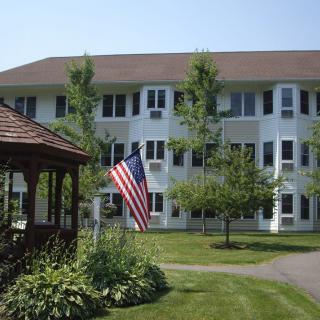
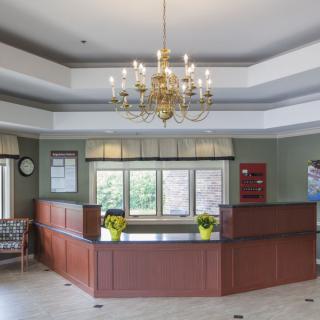
- The facility looks nice, clean, and well run.
- Rockridge is a very nice facility.
- The facility offers numerous amenities and activities.
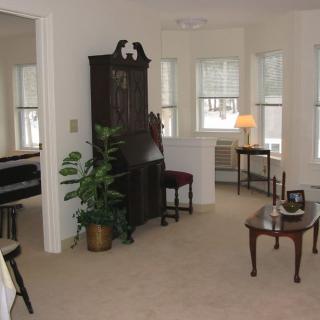
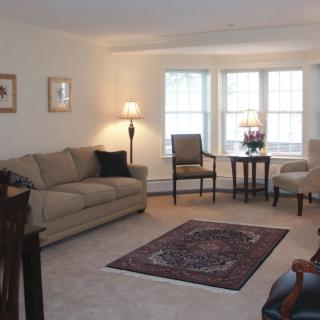
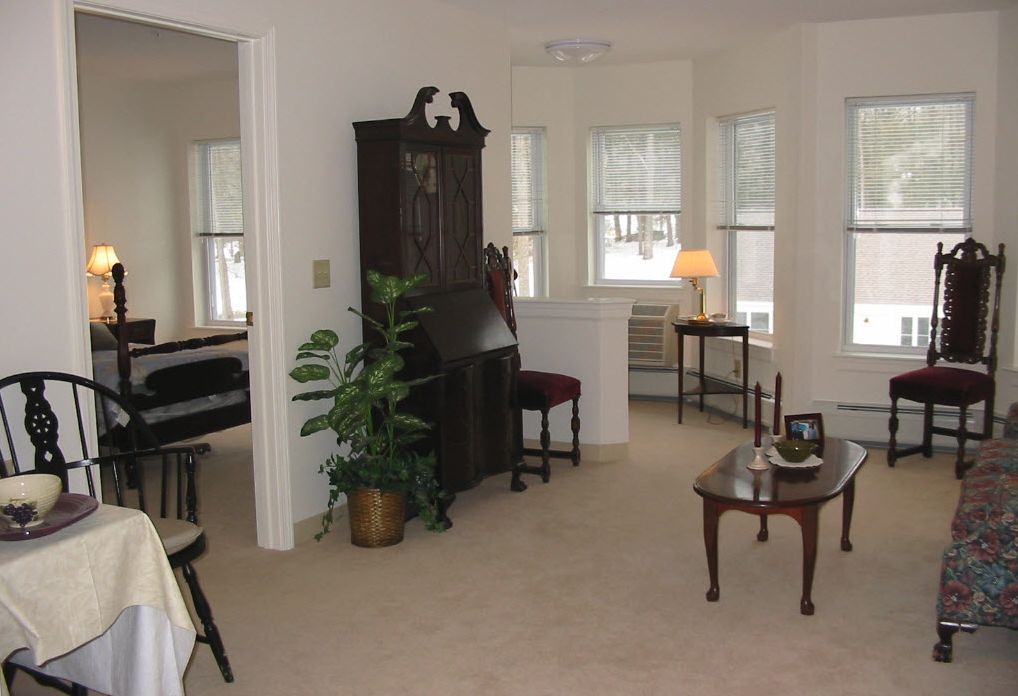
- The units are very large and well maintained, with patios where residents can garden and participate in other activities.
- The nephew is well cared for, with timely medication and staff who know his name, and the food meets his high standards.
Cons
 The facility is horrible to visit.
- The environment felt like a hot box.
- Employees were rude to other employees.
- There were flies, and people were getting sick because of the heat and food.
- The facility mandated staff to stay, causing burnout.
- Medications were repeatedly mishandled, with missed refills and incorrect dosing.
- The food was awful and cold.
- The management was horrible, and some workers were drunk.
- There was a lack of independent activities and overall poor care.
- A patient repeatedly entered the resident's room at night, and administration responded by locking the door.
Review
Rockridge Retirement Community in Northampton, MA is best suited for families seeking a memory-care–oriented environment that still feels residential and warm. The standout draw is a genuine sense of family and belonging cultivated by staff who know residents by name, paired with meaningful programming, music, and outdoor spaces that invite interaction. This is not a “one-size-fits-all” assisted living; it works best for those who want engaged activities and a home-like atmosphere where caregivers emphasize emotional connection and daily enrichment. However, it is not ideal for residents whose priority is consistent, high-level nursing oversight, precise medication management, or a layout that is simple enough for limited mobility. Those with aggressive nursing needs or a preference for a compact, navigable floor plan may want to consider alternatives.
Several reviews spotlight memory care as a real strength. Families talk about care that feels personal, with residents supported in a homey setting that avoids clinical sterility. The garden area, calm decor, and steady stimulation through music and activities create a sense of belonging that many families find irreplaceable. Residents in memory care often appear well-supported and loved, with staff who project warmth even as turnover challenges surface. For some, the environment’s heart and charm compensate for other operational rough edges, making Rockridge a compelling option when the priority is companionship and meaningful engagement.
On the downside, the community faces persistent managerial and operational headwinds that cannot be overlooked. Multiple reviewers describe management as problematic, with complaints about staff treatment and a perception of underinvestment in leadership. Reports of medications being administered inconsistently, refills missed, and safety concerns in the night hours point to gaps in nursing oversight. The sentiment that administrators are slow to respond, or that action is not as decisive as it should be, undermines trust, especially for families relying on reliable medication workflows and clear, proactive communication about resident health. Cold or mediocre dining experiences and a perceived undervaluing of frontline workers further color the overall impression of governance.
Those cons matter because they directly affect daily life and peace of mind. Yet they do not erase the positive elements that draw families toward Rockridge in the first place. The facility’s strengths, staff familiarity with residents, a lively activity calendar, ample living space, and the feeling of being part of a connected community, can offset concerns for residents whose needs are moderate and who prize social engagement over clinical precision. The layout and size can be a plus for independence-minded seniors who still want access to varied amenities; the downside is that mobility-challenged residents may navigate distances more awkwardly, and the sprawling footprint may complicate transitions between dining, activity, and care areas.
Given the mixed picture, who should consider alternatives? Families prioritizing nonstop medical oversight, rigorous medication safety, and a consistently smooth administrative experience should explore other options. If the goal is to minimize med-management risk and maximize predictability in care delivery, a community with a stronger nursing pipeline and more streamlined staffing practices may serve better. Similarly, those whose loved ones require a tightly navigable floor plan with shorter distances between key spaces may favor facilities specifically designed for mobility limitation or single-family housing models. Finally, if the dining experience is a non-negotiable quality indicator, it’s worth evaluating other options where culinary standards and menu variety are consistently excellent.
For decision-makers ready to visit Rockridge, come prepared with targeted questions. Inquire about current nurse-to-resident ratios across shifts, the process for med reconciliation and refills, and a concrete timeline for addressing recent medication concerns. Request a tour of the memory-care unit, focusing on safety and daily routines, and observe how staff interact with residents in real time. Ask for recent resident satisfaction data, talk to families about response times from administration, and sample menus to gauge whether dining aligns with expectations. If engaged, Rockridge can deliver a comforting, community-forward experience, particularly in memory care; if not, alternatives with tighter nursing oversight and more predictable operations may offer greater reassurance.
 60 resident community capacity
 Assisted Living
 Independent Living
 Memory Care
 Air-conditioning
 Beauty salon
 Cable or satellite TV
 Computer center
 Dining room
 Fitness room
 Fully furnished
 Gaming room
 Garden
 Housekeeping services
 Kitchenette
 Move-in coordination
 Outdoor space
 Private bathrooms
 Restaurant-style dining
 Small library
 Telephone
 Wellness center
 Wi-Fi/high-speed internet available
 Community operated transportation
 12-16 hour nursing
 24-hour call system
 Activities of daily living assistance
 Assistance with bathing
 Assistance with dressing
 Assistance with transfers
 Diabetes diet
 Medication management
 Mental wellness program
 Special dietary restrictions
 Concierge services
 Planned day trips

 Dementia, Paranoia, and Caregiver Guidance: Understanding the Connection
 Engaging Memory Care Activities That Enhance Quality of Life
 When to Transition from Assisted Living to Memory Care: Key Indicators, Steps, and Finding the Right Community