
25 Coles Meadow Road, Northampton, MA 01060
To contact a resident: (413) 586-2902
For more information about senior living options: (866) 208-4318
Rockridge Costs & Pricing
In Rockridge, the monthly cost for a studio apartment stands at $5,250, which slightly exceeds the average price seen in Hampshire County at $5,216 and is also just below the state average for Massachusetts at $5,312. This positioning suggests that Rockridge remains competitively priced within its regional context while offering a unique charm and amenities that may justify this premium. Residents can expect to find a blend of community features and urban conveniences that enhance their living experience, making it a worthwhile consideration despite the marginally higher cost compared to its immediate surroundings.
| Floor plans | Rockridge | Hampshire County | Massachusetts |
|---|---|---|---|
| Studio | $5,250 | $5,216 | $5,312 |
Memory care communities with a similar price nearby
-
from -$655 / mo
East Village Place
$4,595 to $5,695 / month21.5 miles away -
from +$950 / mo
The Atrium at Cardinal Drive
$6,200 to $7,250 / month19.2 miles away -
from +$392 / mo
Linda Manor Assisted Living
$5,642 to $8,750 / month2.7 miles away -
from -$300 / mo

River Mills Assisted Living at Chicopee Falls
$4,950 to $5,550 / month13.0 miles away
Overall Review of Rockridge
Pros
 The memory care unit was excellent with caring staff and an overall sense of family and belonging.
- The memory care unit had homey decor and a lovely outdoor garden area.
- There was great music and lots of quality entertainment for residents.
- The mother felt loved by staff.
- The nephew is well cared for, with medications given on time and staff who know his name, and the food meets his high standards.
- The staff were helpful and present even in the middle of the night.
- The facility looked nice, clean, and well run.
Cons
 The place is horrible to visit.
- Employees were rude to other employees.
- There were flies, and people were getting sick because of the heat and the food.
- There are constant mandates on staff that burn them out.
- Staff are mandated to stay long hours.
- They cannot have a life to see their kids, husbands, or wives.
- The management is horrible and workers are drunk.
- Medications were continually messed up for their loved one, with refills often not ordered and wrong meds administered.
- The food was awful and cold.
- The staff were uncaring, and underpaid.
- Another patient repeatedly entered their loved one's room at night, and the administration responded by locking the door.
- The memory care unit is on the third floor and is locked, which makes it feel less like a home.
Review
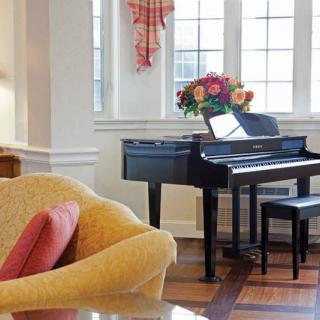
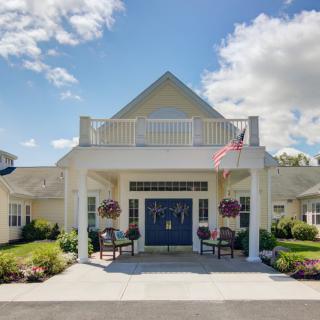
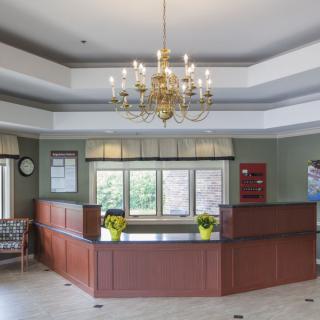
Rockridge in Northampton, MA, is best suited for families navigating memory-care decisions who prize a warm, home-like atmosphere, light-filled spaces, and a campus that can feel cozy rather than clinical. The memory-care wing is repeatedly praised for a sense of belonging, a homey decor, and a garden that provides gentle outdoor time. For families prioritizing relationship-driven care and personal, human touches, this community can feel like the right fit. However, those seeking a highly structured medical model with flawless operations and rock-solid consistency may want to look at alternatives.
On the upside, Rockridge delivers a notably caring memory-care environment that many families value. Residents in memory care are described as being treated with affection and familiarity, with music and entertainment helping to anchor daily life. The setting often feels welcoming: clean, well-lit spaces that emphasize natural light, plus a garden that supports outdoor activity and a sense of normalcy. For those who want caregivers who know their loved ones well and can provide companionship beyond routine tasks, the positives in this area can be meaningful enough to outweigh other concerns when memory care is the primary need.
Yet there are significant caveats that cannot be ignored. Management and operational consistency recur as major flashpoints, with multiple accounts of medication mismanagement, delays in refills, and wrong drug combinations over extended periods. Several reviewers characterize administration as uncaring or distant, and one account frames staff burnout as a byproduct of mandated overtime. These issues matter deeply, because they touch the core responsibilities of safeguarding health and ensuring predictable, reliable care. The combination of alleged problematic behavior and financial or staffing pressures creates a tension that can undermine the overall experience.
How the positives offset the negatives depends on priorities. For families anchored in memory support and the emotional comfort of a home-like setting, the genuine warmth of caregivers, the daily routines that feel familiar, and the garden environment can sustain residents through less-than-perfect days. When operations run smoothly, these attributes create a stable, dignified living experience that many residents and families value. However, repeated safety concerns around medications and reports of inconsistent leadership can tilt the balance toward caution. The warmth and atmosphere matter, but safety and reliability must be demonstrably solid to fully justify a longer-term commitment.
Alternatives become especially worth considering for anyone whose non-negotiables include precise medication management, steady staffing, and a robust, varied activity calendar. If a resident requires consistent nursing oversight, rapid medication adjustments, or a programming schedule that feels dynamic rather than static, other communities may deliver greater peace of mind. The mixed feedback about staff behavior and administration further heightens the need for transparent leadership and reliable problem-solving mechanisms. For residents seeking greater independence or fewer physical reminders of confinement, the current layout of the memory-care unit may also be a deterrent to long-term satisfaction.
Practical next steps guide a thorough, discerning evaluation. Schedule targeted tours of the memory-care area and interview frontline staff and shift leaders about medication protocols, incident histories, and how care plans are updated. Observe mealtime dynamics and daily activities to gauge whether programming feels engaging and sustainable. Inquire about staff turnover and how leadership addresses safety concerns and resident complaints. Probe the environment for dignity and autonomy, does the space support independent moments, or does it feel overly restricted? Rockridge offers a warm memory-care option for those who can tolerate a range of operational realities; for others, a community with more consistent management and transparent, proactive care may provide greater long-term assurance.
 Memory Care
 Activities on-site
 Devotional services off-site
 Indoor common areas
 Ambulatory care
 Diabetic care
 Medication management
 Meals provided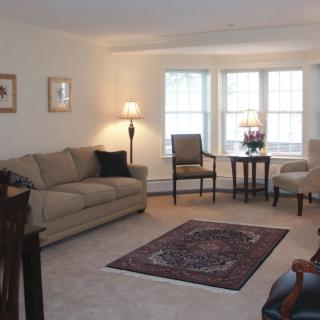


 Estimating the Expenses of At-Home Dementia Care: A Detailed Exploration
 Comprehensive Insights on the Late Stages of Dementia: What to Expect and How to Provide Care
 Medications Associated with Dementia Risk: A Comprehensive Overview