For more information about senior living options: (866) 208-4318
4.4 from 34 reviews
5 stars
27
4 stars
3
3 stars
0
2 stars
0
1 stars
4
Arbors at Amherst Costs & Pricing
Arbors at Amherst offers competitive pricing for its residents compared to broader regional and state averages. For a studio apartment, the monthly cost is $4,600, which is notably lower than the Hampshire County average of $5,216 and Massachusetts' average of $5,312. The one-bedroom option at Arbors is priced at $4,883, slightly higher than the county's $4,618 but still more affordable than the state's average of $5,349. In terms of two-bedroom accommodations, residents can expect to pay $5,783 - this is above both the county's average of $5,509 and Massachusetts' overall figure of $6,151. Overall, Arbors at Amherst presents an appealing value for those seeking high-quality living arrangements in a vibrant community while maintaining affordability relative to surrounding areas.
Floor plans
Arbors at Amherst
Hampshire County
Massachusetts
Studio
$4,600
$5,216
$5,312
1 Bedroom
$4,883
$4,618
$5,349
2 Bedrooms
$5,783
$5,509
$6,151
Overall Review of Arbors at Amherst
differentiator5 reviews mention this
Memory care feels structured
Residents in the memory care unit are described as safe and supported in daily routines.
Families specifically mention the memory care setting, describing staff who know how to engage residents and calm situations without embarrassing them. Several reviews describe routine-based days—meals, stimulating activities, and structured programming—that help residents feel settled and safe. One family also notes a separate setup for memory needs and highlights staff collaboration with family for care planning. Across these accounts, the emphasis is on individualized attention for dementia-related behaviors.
common22 reviews mention this
Staff care and communication stand out
Staff are repeatedly described as caring, professional, and easy for families to reach.
Many reviews highlight staff kindness and responsiveness, including leaders and floor or nursing team members who help residents feel welcomed. Multiple families also praise frequent updates and proactive outreach when something needs attention, describing call or text communication and leadership that keeps families in the loop. Residents and families are described as being encouraged to participate and integrate into community life, with staff noted for being accommodating to preferences. Even where feedback turns negative, it centers more on the environment and care execution than on staff professionalism.
common13 reviews mention this
Meals are consistently praised
Meals and menu quality are frequently called out as a highlight.
Food comes up again and again, with families describing meals as delicious, well prepared, and generous in portion size. Several reviews mention snacks and multiple daily meals, and others describe how residents enjoy the dining routine and look forward to the food. Some accounts also reference attention to dietary needs or preferences, and at least one review specifically notes the menu and dining area as very good. Overall, dining is described less like a basic routine and more like a regularly valued part of the day.
common14 reviews mention this
Activities keep residents engaged
Families describe frequent activities that help residents socialize and stay involved.
Reviews commonly mention planned activities such as bingo, trivia, musical events, and holiday gatherings, with residents being encouraged to participate. One family describes daily structured activities that support community-building, while another notes memory care staff working to keep residents active or redirecting them when rest is needed. Several accounts also point to engagement during times when visiting was limited, describing online updates and resident get-togethers. A separate review adds a caveat that activities may be fewer in evenings and on weekends.
caveat2 reviews mention this
Some cleanliness concerns appear
A couple of reviews raise concerns about cleaning, including bathroom attention.
While most descriptions lean positive on cleanliness and a well-kept environment, two reviews include specific concerns. One family says the overall facility is clean but notes that a bathroom could use more attention. Another review is strongly negative about the building smell and describes inadequate cleaning routines, contrasting with other family experiences.
caveat2 reviews mention this
Cost is noted as a tradeoff
Several families mention the community is expensive, including higher memory care pricing.
Pricing comes up as a tradeoff in a couple of reviews: one family calls it expensive but says it feels worth it for peace of mind. Another notes that costs increase for a memory-impaired unit compared with other settings. This aligns with a pricing range that varies by unit type, with different affordability levels depending on the apartment size.
How we summarize
Counts show how many written reviews mention each theme; a review can touch several themes, and only frequently mentioned themes are displayed.
Features
Housing
78 resident community capacity
Types of Care
Assisted Living
Memory Care
Amenities
Activities on-site
Air-conditioning
Beauty salon
Cable or satellite TV
Computer center
Devotional services off-site
Dining room
Fitness room
Fully furnished
Gaming room
Garden
Housekeeping services
Indoor common areas
Kitchenette
Move-in coordination
Outdoor space
Private bathrooms
Restaurant-style dining
Small library
Telephone
Wellness center
Wi-Fi/high-speed internet available
Transportation
Community operated transportation
Transportation arrangement
Transportation arrangement (non-medical)
Transportation to doctors appointments
Care Services
12-16 hour nursing
24-hour call system
24-hour supervision
Activities of daily living assistance
Ambulatory care
Assistance with bathing
Assistance with dressing
Assistance with transfers
Diabetes diet
Diabetic care
Meal preparation and service
Medication management
Mental wellness program
Mild cognitive impairment
Special dietary restrictions
Specialized memory care programming
Dining
Diabetes diet
Meals provided
Special dietary restrictions
Activities
Activities off-site
Activities on-site
Community-sponsored activities
Concierge services
Devotional activities offsite
Fitness programs
Planned day trips
Resident-run activities
Scheduled daily activities
Languages Spoken
English
Nearby Places of Interest
Physicians
Amherst Medical Associates (0.1 miles)
Women's Health Amherst (0.2 miles)
Cooley Dickinson Medical Group Amherst Medical Associates (0.2 miles)
Northampton Area Pediatrics (0.2 miles)
Amherst Laser & Skin Care Center (0.8 miles)
Amherst Optical (0.8 miles)
Pioneer Valley Dermatology PC (1 miles)
Pharmacies
CVS Pharmacy (0.2 miles)
CVS Pharmacy (0.7 miles)
Walmart Pharmacy (1.6 miles)
Walgreens (5.9 miles)
CVS Pharmacy (6.2 miles)
Restaurants
Athena's Pizza (0.2 miles)
Friendly's (0.6 miles)
Miss Saigon (0.7 miles)
Bueno Y Sano (0.7 miles)
Johnny's Tavern (0.7 miles)
Berkshire DC (0.8 miles)
Hampshire Dining Commons (1 miles)
Hospitals
Kealy, John Medexpress Urgent Care (0.7 miles)
Kittredge Surgery Center (6.8 miles)
Cooley Dickinson Emergency Department (6.9 miles)
Cooley Dickenson MRI Center (6.9 miles)
VA Central Western Massachusetts Healthcare System (7.9 miles)
Arbors at Amherst offers competitive pricing for its residents compared to broader regional and state averages. For a studio apartment, the monthly cost is $4,600, which is notably lower than the Hampshire County average of $5,216 and Massachusetts' average of $5,312. The one-bedroom option at Arbors is priced at $4,883, slightly higher than the county's $4,618 but still more affordable than the state's average of $5,349. In terms of two-bedroom accommodations, residents can expect to pay $5,783 - this is above both the county's average of $5,509 and Massachusetts' overall figure of $6,151. Overall, Arbors at Amherst presents an appealing value for those seeking high-quality living arrangements in a vibrant community while maintaining affordability relative to surrounding areas.
The features at Arbors at Amherst are specifically designed to support residents with memory care needs, ensuring a safe and engaging environment. Assistance with dressing, bathing, and transfers helps residents maintain personal hygiene and dignity while addressing physical challenges associated with dementia. Medication management ensures that residents adhere to their prescribed treatment plans, which is crucial for overall health stability. Meal preparation and service cater not just to nutritional needs but also consider preferences and dietary restrictions, enhancing quality of life. Activities of daily living assistance promotes independence as much as possible, while 24-hour supervision provides peace of mind for families knowing that help is always available. The mental wellness program is tailored to uplift cognitive function and emotional health, while specialized memory care programming offers structured activities designed to stimulate engagement and social interaction, making each day meaningful for those with mild cognitive impairment or advanced stages of Alzheimer's disease. Together, these features create a holistic approach to care that prioritizes both safety and quality of life for residents battling memory-related challenges.
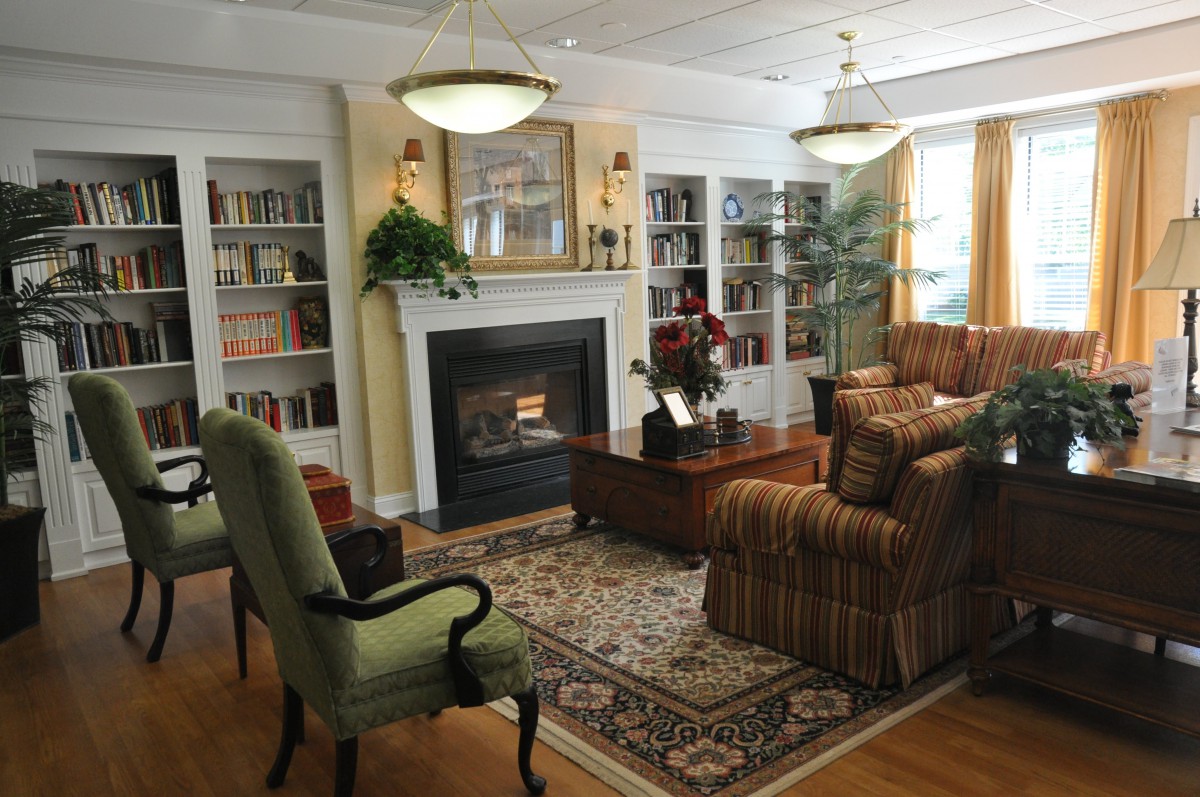
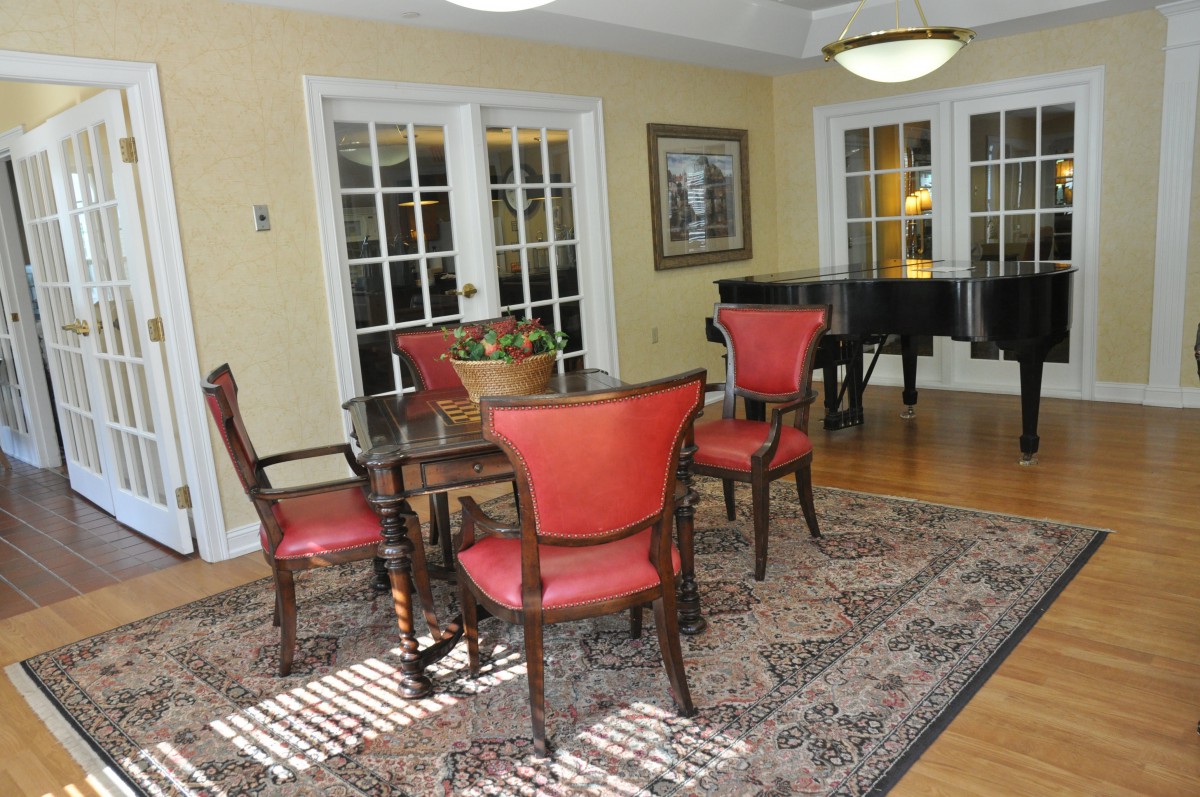
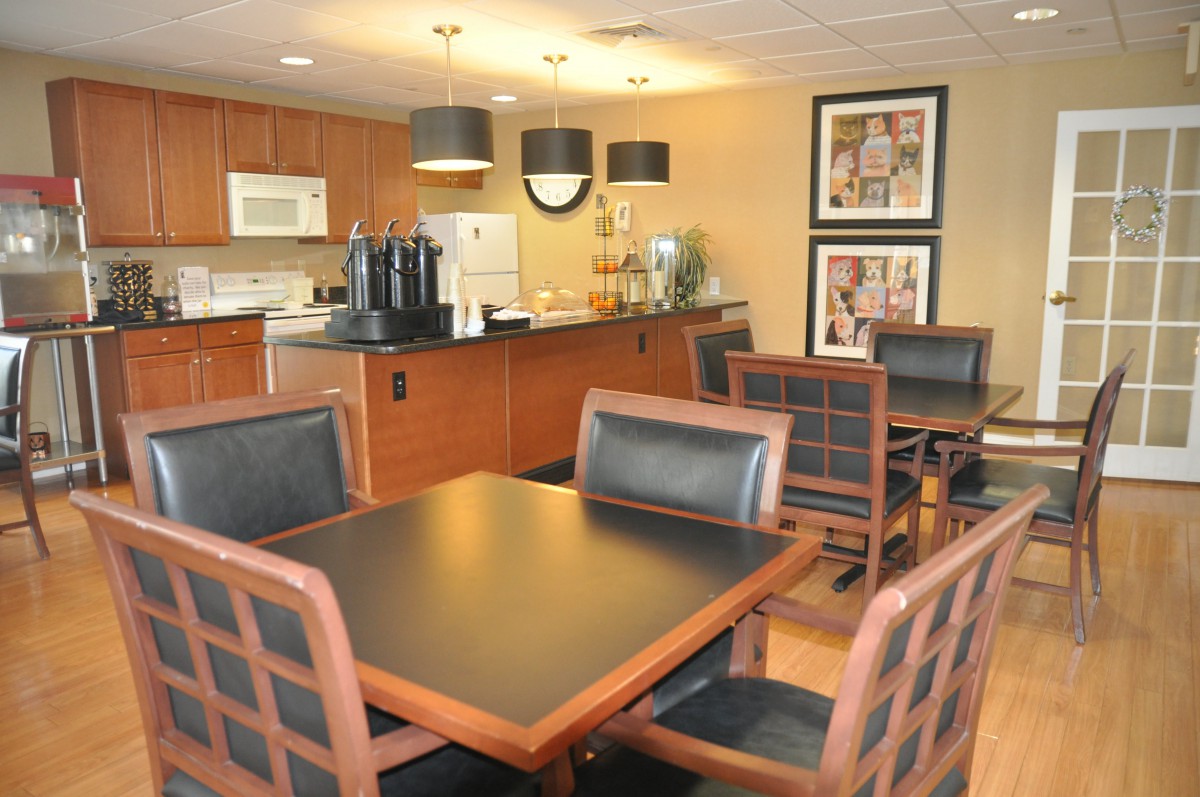
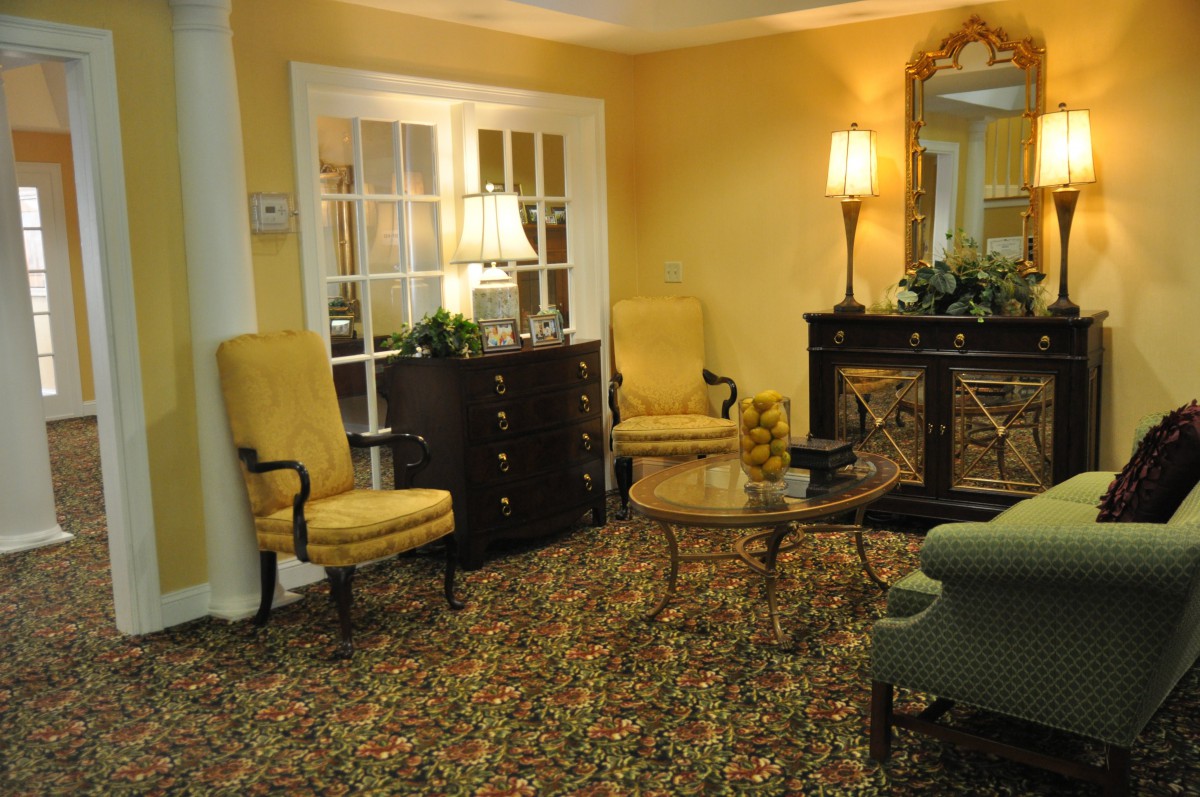
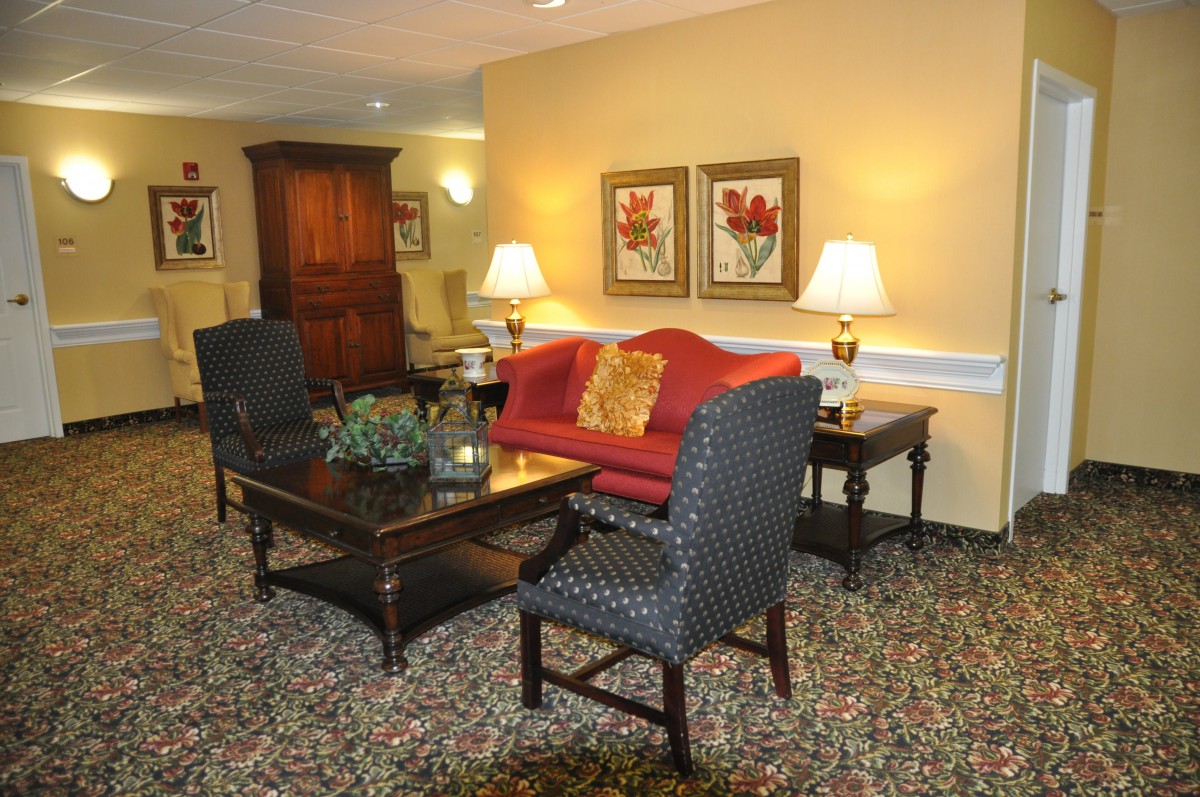
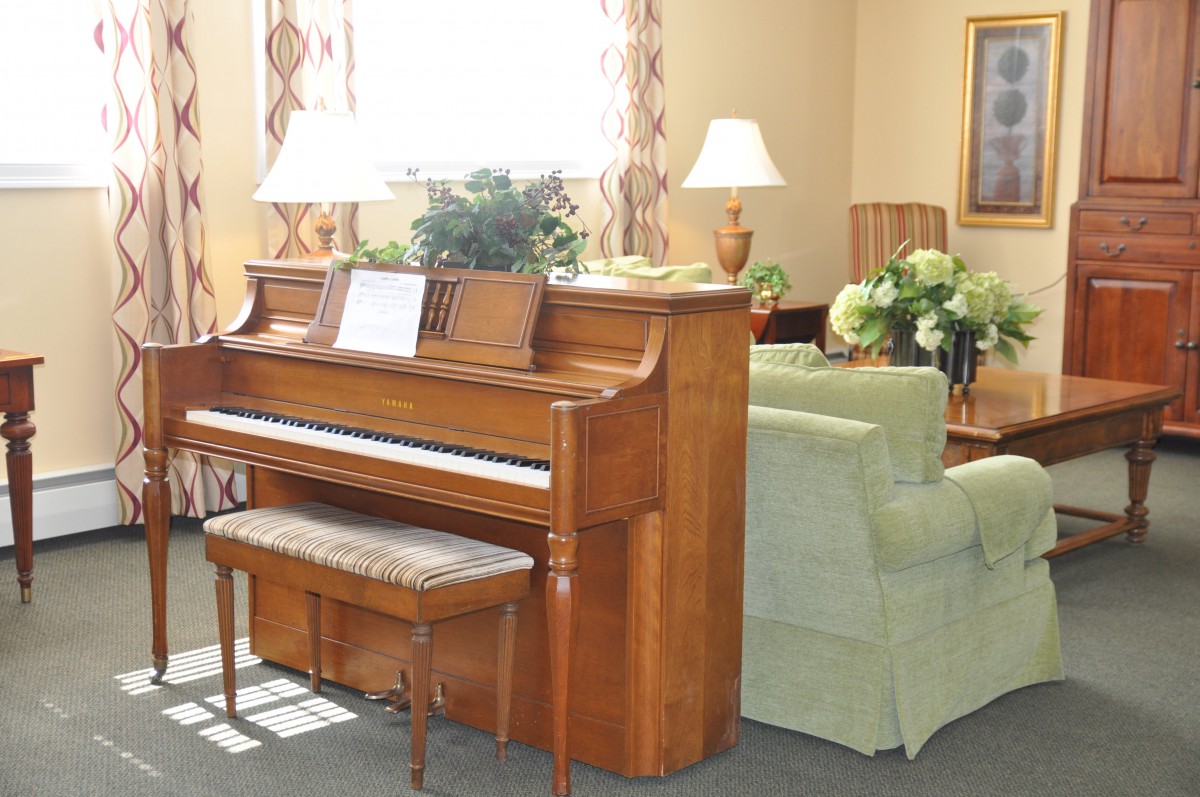
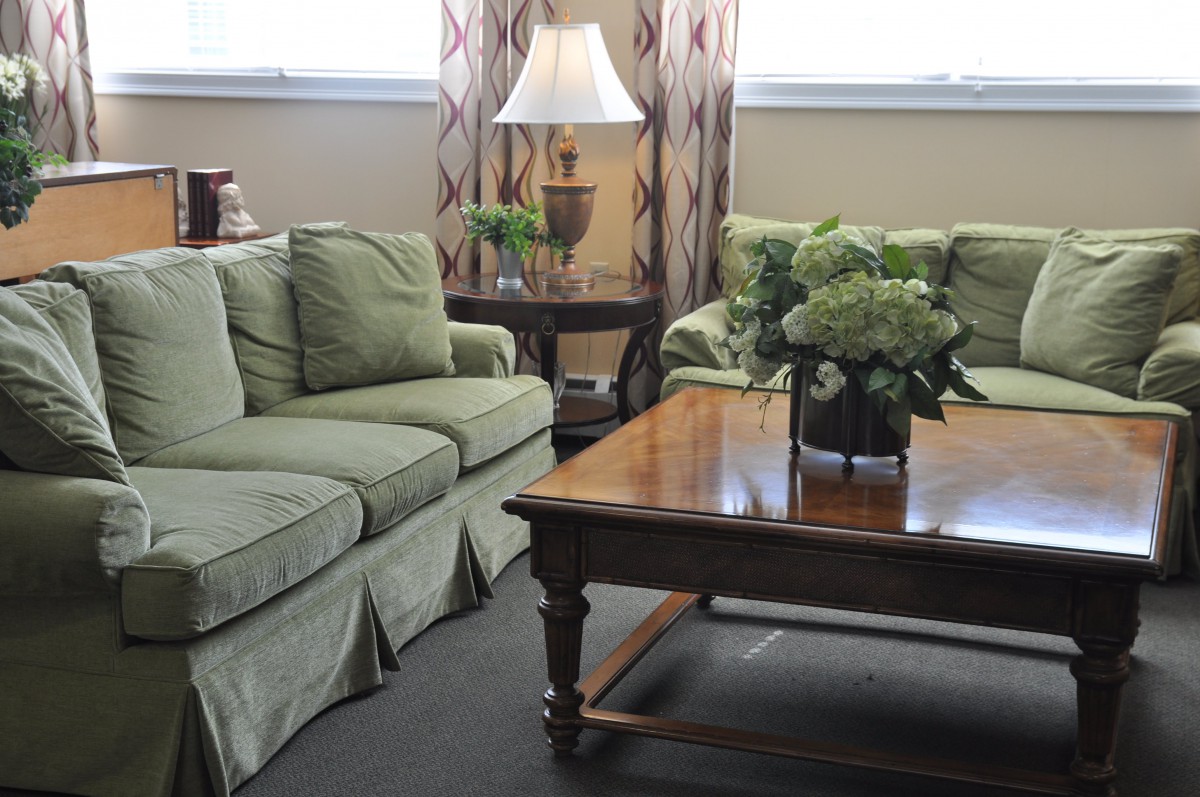
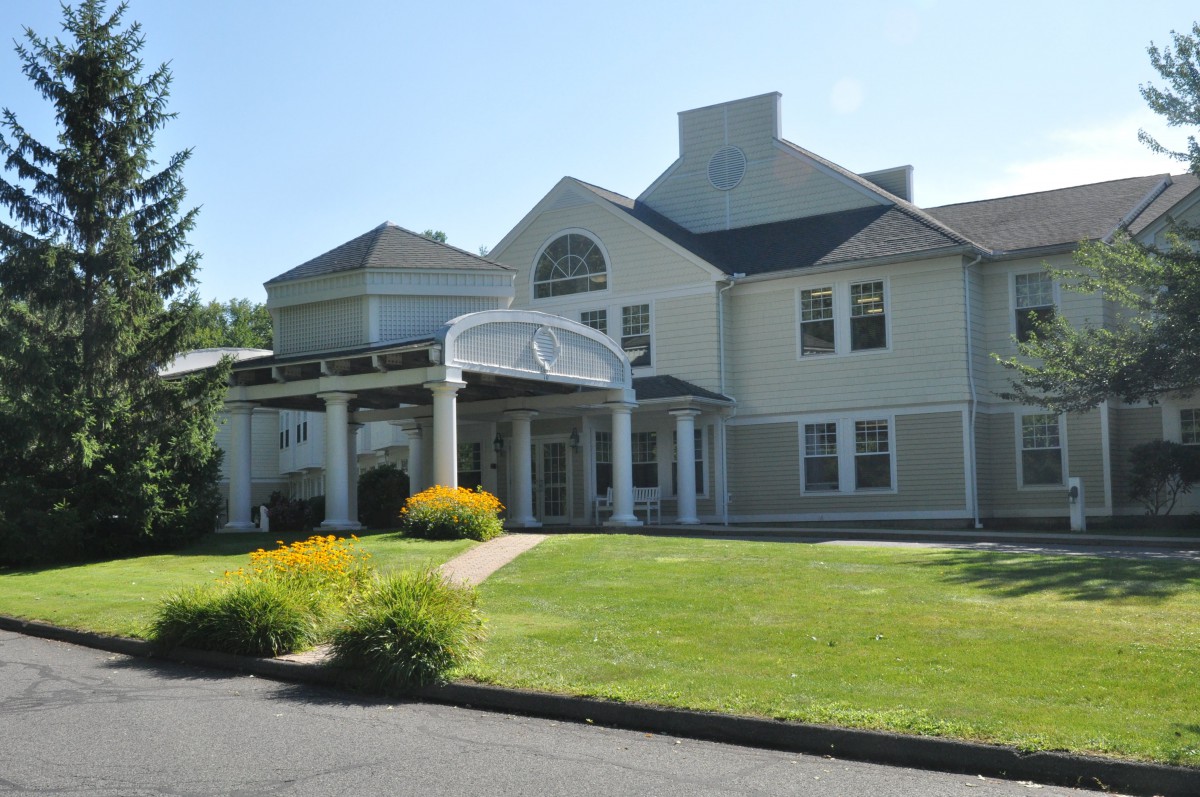
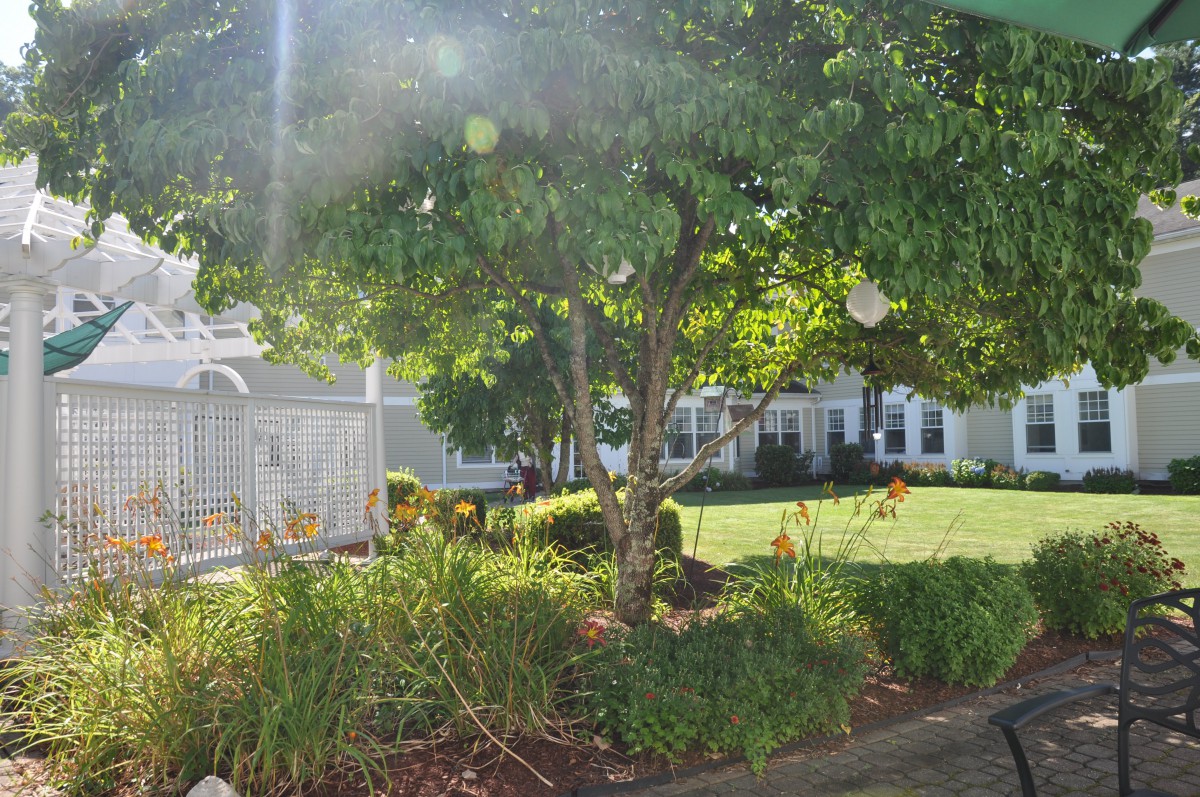
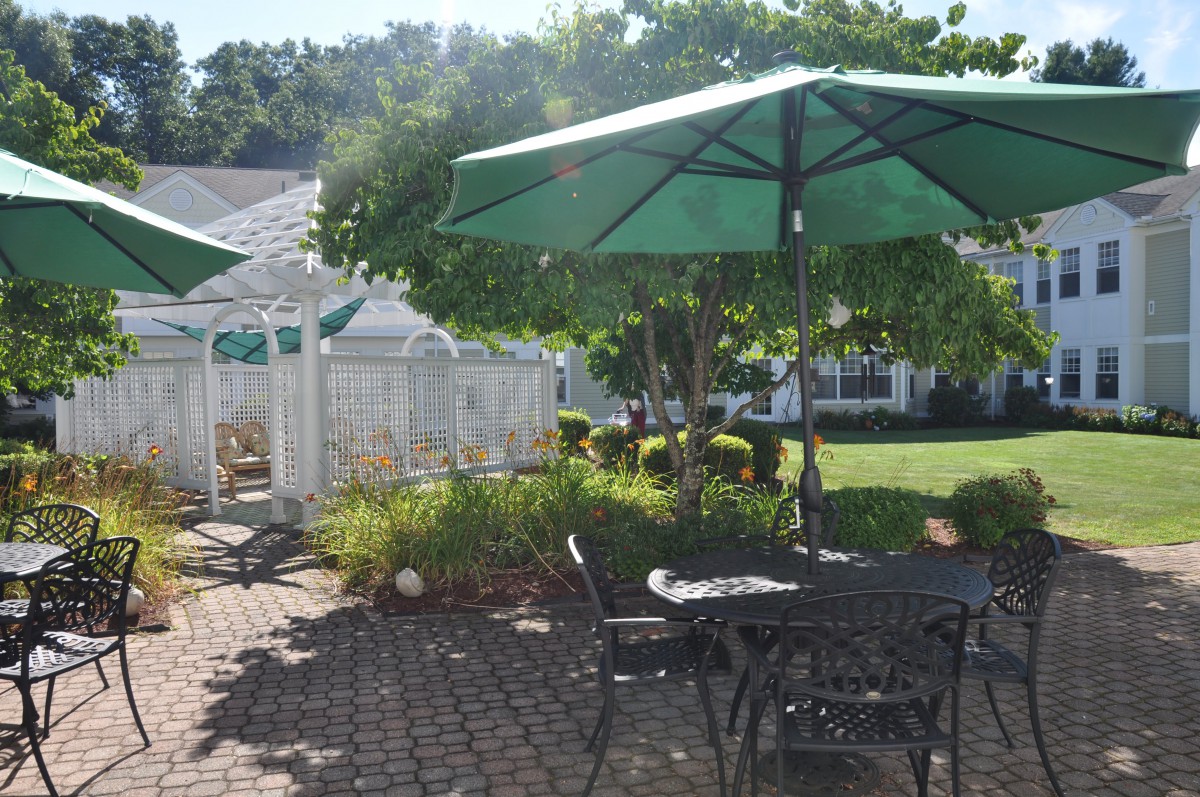
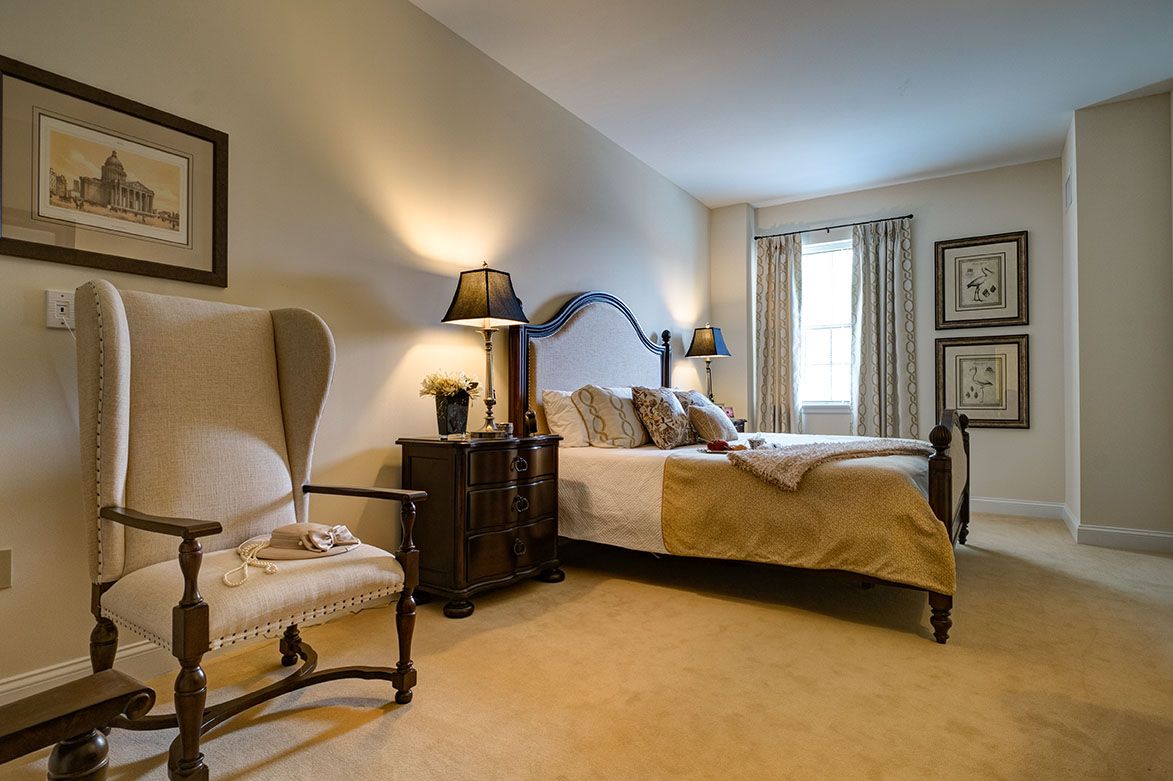
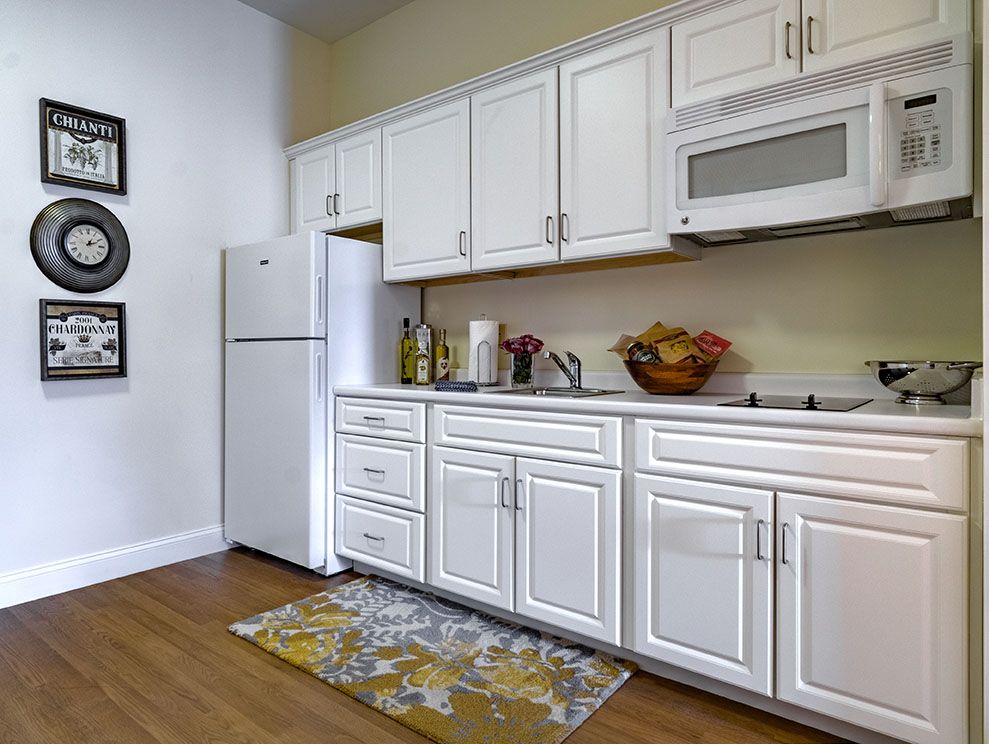
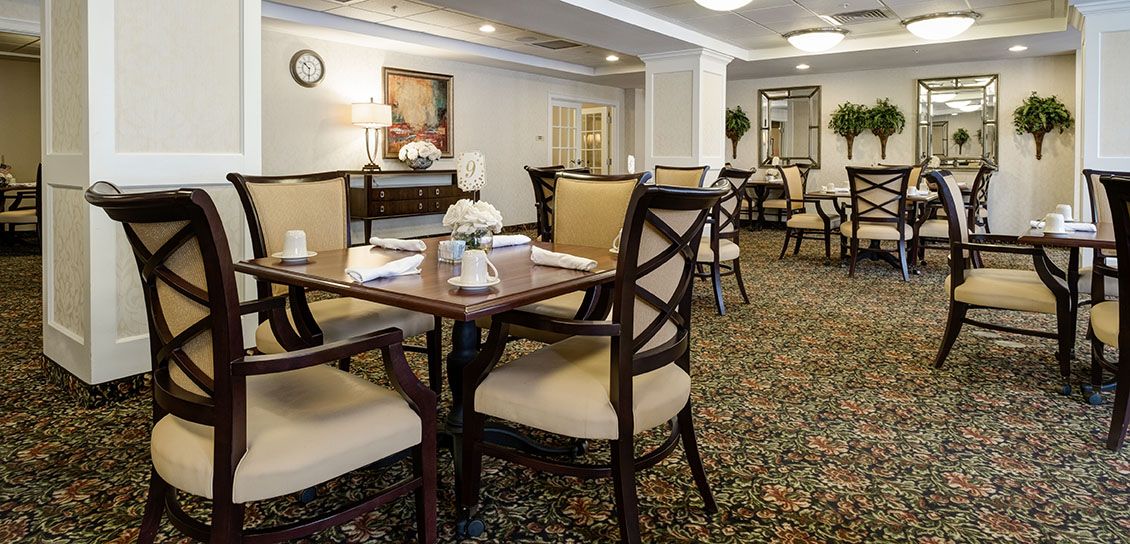
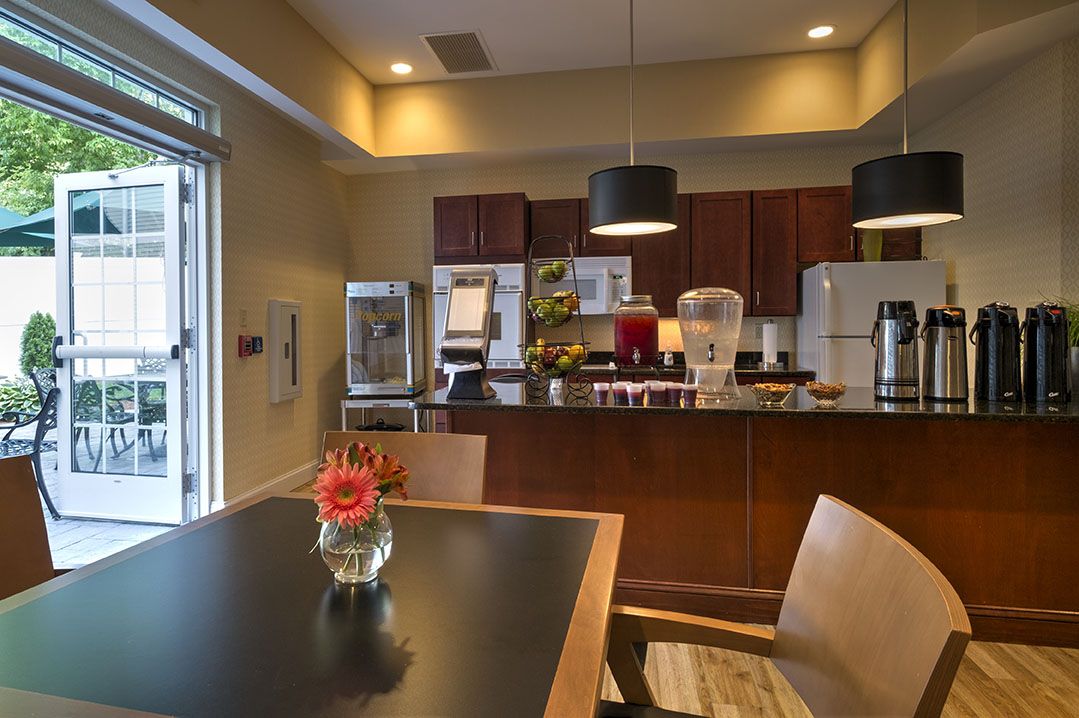
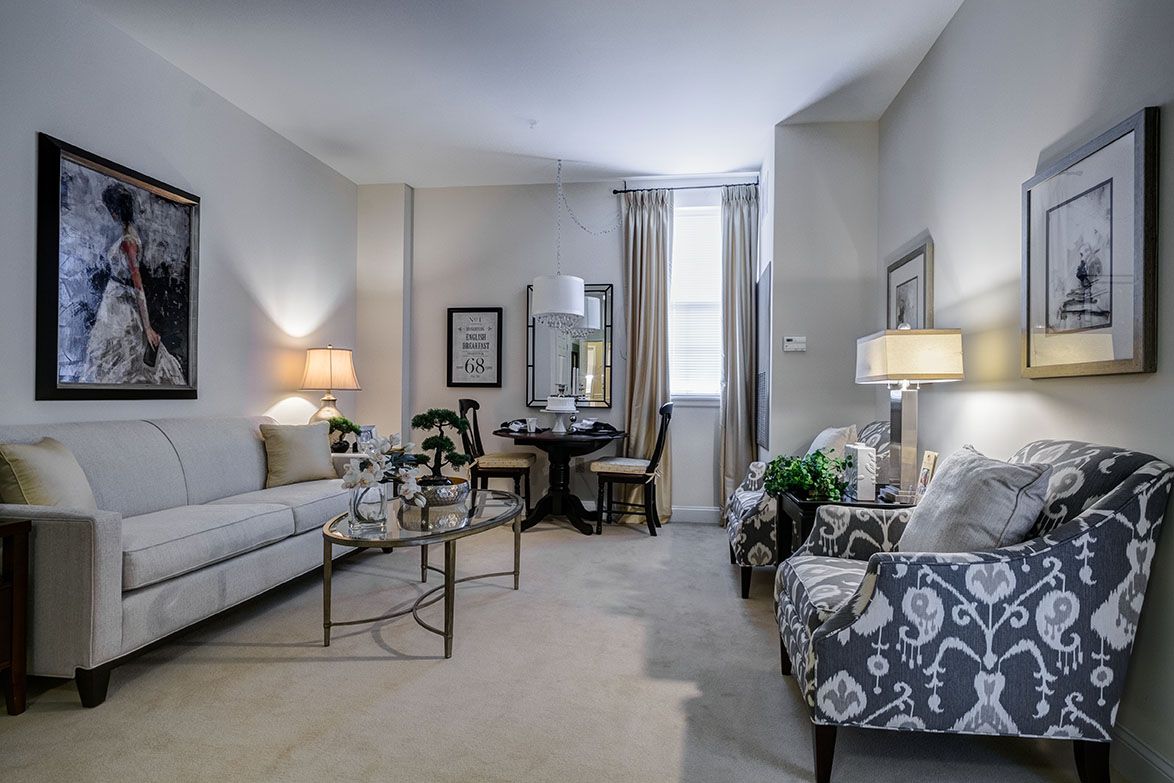
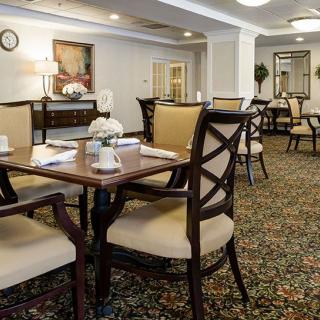
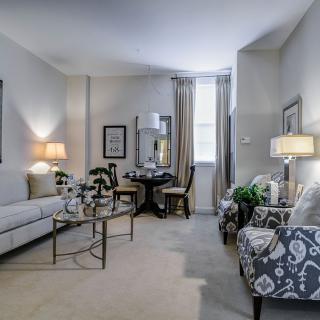
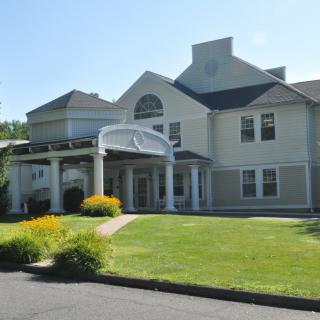
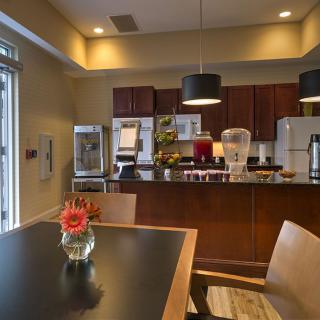
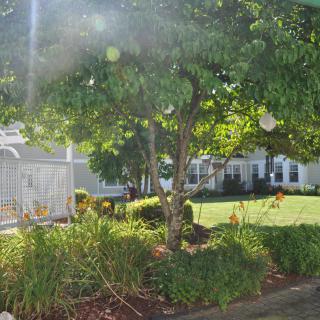
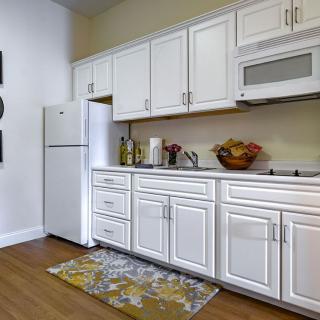
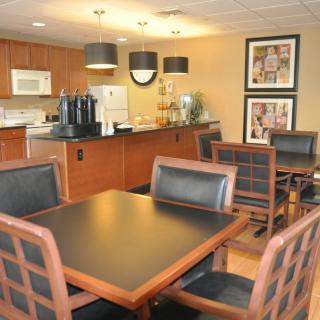
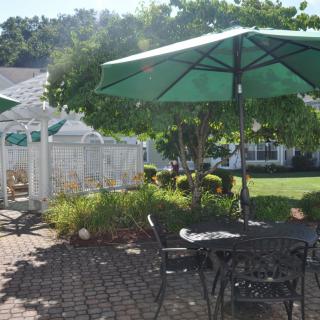
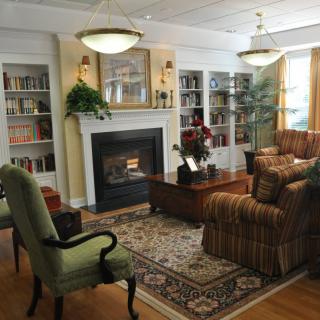
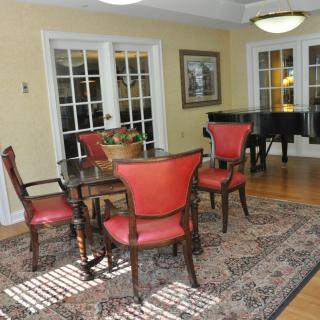
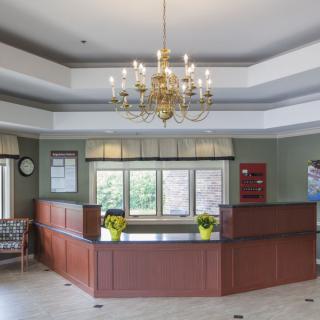
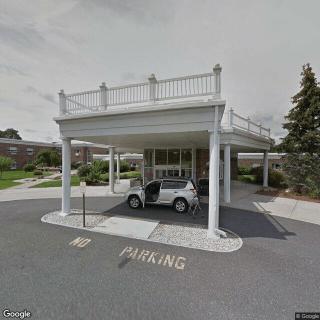
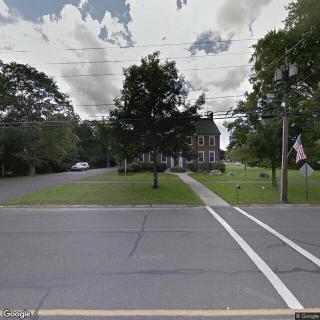
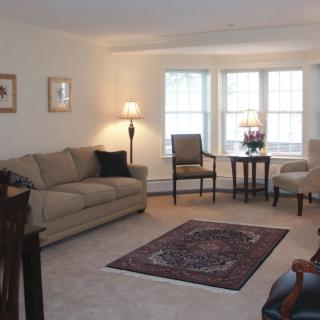
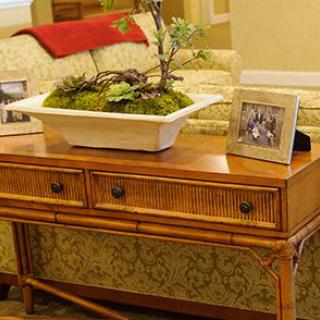
Arbors at Amherst on seniors.fyi includes 15 photos including images showing decor, interior, living room, dining, landscaping, kitchen, windows, garden, and more.
Nearby Communities
Center For Extended Care At Amherst
Amherst, MA
2.4 from 36 reviews
$1,819 to $2,388 / month
Restaurant-style dining with comprehensive on-site amenities and 24/7 care, plus a mental wellness program.
Highland Valley Elder Svc
Amherst, MA
4.8 from 4 reviews
Excellent access to nearby amenities (cafes, parks, pharmacies, physicians, restaurants, theater, and a hospital) for a well-rounded lifestyle.
Elaine Center at Hadley
Hadley, MA
3.9 from 84 reviews
Dedicated staff and clean, well-maintained facility.
Hadley at Elaine Care and Rehabilitation Cent
Hadley, MA
3.9 from 71 reviews
$8,943 to $9,338 / month
Active family advocacy helped secure a safer outcome for their loved one.
Fisher Home
Amherst, MA
5 from 7 reviews
Excellent location with extensive nearby amenities and access to healthcare.
Highland Valley Elder Svc
Hatfield, MA
Excellent access to healthcare and nearby amenities.
Applewood At Amherst
Amherst, MA
4.6 from 7 reviews
Professional, caring staff with a vibrant, engaging community and strong dining.
Rockridge Retirement Community
Northampton, MA
3.3 from 13 reviews
Spacious, well-maintained units with patios and extensive amenities.
Linda Manor Assisted Living
Leeds, MA
4.3 from 25 reviews
$5,642 to $8,750 / month
Friendly, caring staff; clean, bright environment; engaging activities and good dining.
Dementia affects memory and cognitive function in older adults, presenting challenges for caregivers due to behavioral changes such as confusion and mood swings. Compassionate, person-centered care that considers individual history and preferences, along with effective communication and environmental modifications, is essential for supporting both patients and their caregivers.
Dementia leads to cognitive impairment and can cause emotional and behavioral changes, including aggression that arises from frustration, confusion, or fear. Effective coping strategies for caregivers include understanding dementia's nature, recognizing triggers, using empathetic communication, and employing non-pharmacological interventions like music and art therapy.
Dementia causes cognitive decline and challenging behaviors that caregivers must manage, necessitating an understanding of the neurological basis of these issues. Effective strategies and self-care for caregivers can enhance support for those with dementia and improve their daily lives.
Get PricingAsk A QuestionSchedule A TourContact Senior Advisor
By clicking submit, you agree to our Partner's Terms of Use. You
also consent to receive calls and texts, which may be autodialed, from our Partner. Your consent is not a condition to
using our Partner's service. Please visit our Partner's Privacy Policy for information about their privacy practices.

 78 resident community capacity
 Assisted Living
 Memory Care
 Activities on-site
 Air-conditioning
 Beauty salon
 Cable or satellite TV
 Computer center
 Devotional services off-site
 Dining room
 Fitness room
 Fully furnished
 Gaming room
 Garden
 Housekeeping services
 Indoor common areas
 Kitchenette
 Move-in coordination
 Outdoor space
 Private bathrooms
 Restaurant-style dining
 Small library
 Telephone
 Wellness center
 Wi-Fi/high-speed internet available
 Community operated transportation
 12-16 hour nursing
 24-hour call system
 Ambulatory care
 Assistance with bathing
 Assistance with dressing
 Assistance with transfers
 Diabetes diet
 Diabetic care
 Medication management
 Mental wellness program
 Special dietary restrictions
 Concierge services
 Planned day trips
 English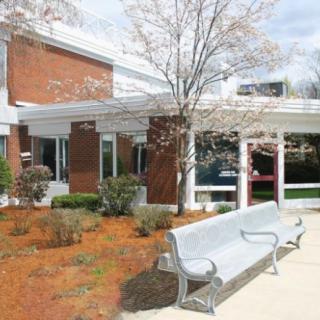
 Restaurant-style dining with comprehensive on-site amenities and 24/7 care, plus a mental wellness program.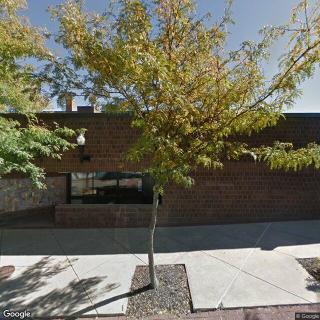

 Understanding Dementia Behaviors: Practical Insights and Strategies for Caregivers
 When Dementia Sparks Anger and Aggression: Understanding the Connection and Ways to Cope
 Dementia Behaviors: In-Depth Understanding and Effective Coping Strategies