
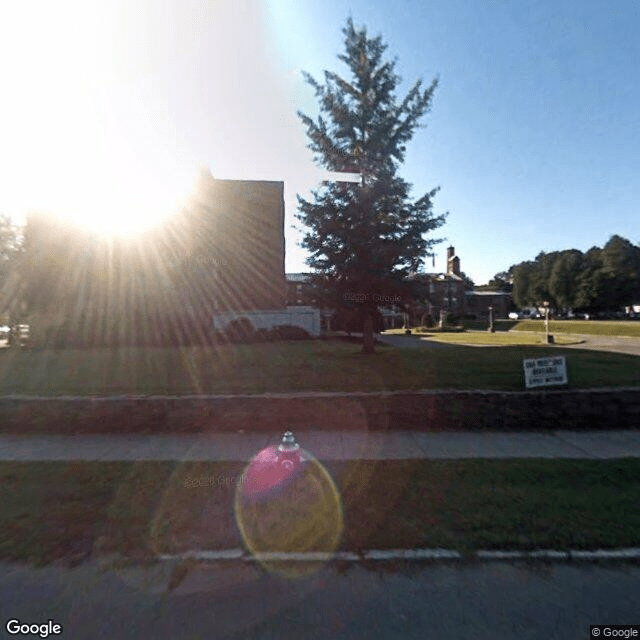
340 Montague City Rd, Turners Falls, MA 01376
To contact a resident: (413) 774-3111
For more information about senior living options: (866) 208-4318
Overall Review of Farren Care Ctr Inc
Pros
 The staff at Farren are angels of mercy.
- The leadership is great and dedicated to the best patient care.
- The staff are wonderful, very caring, and attentive.
- The occupational therapy team has already created adaptive devices and is helping residents regain mobility.
- The dedication and professionalism of the staff are outstanding; their care plans are exemplary and followed daily.
- The staff show far more commitment and love than other, fancier places.
- Farren is a godsend for residents with mental illness and difficult behaviors, meeting their unique needs.
Cons
 The closure of the elderly residential treatment center due to bankruptcy was sad.
- The referral page was fake, and staff did not make referrals; residents could not refer.
- The facility was terrible and inhumane, and it failed to notify of a father's grave condition change, causing him to die alone.
- The staff were rude and unprofessional, and the place was described as horrible.
- The center was not a nursing home but a locked mental hospital masquerading as one.
- Residents were described as committed there and not there by choice.
- The place was creepy.
Review
This community is best suited for families seeking long-term support for a loved one with complex behavioral and mental-health needs, rather than a conventional geriatric nursing home. It works best for residents who require structured supervision, highly individualized care plans, and creative therapeutic engagement to manage challenging behaviors or cognitive/psychological conditions. Families confronting difficult placement decisions, where prior facilities could not accommodate behavior, safety, or emotional-regulation needs, will find a potential fit here. If the goal is straightforward, clinic-like medical oversight for aging, frail elders with typical medical needs, this may not be the ideal match.
Caregivers and residents who benefit most consistently note the strengths in staff dedication and leadership. Reviewers repeatedly praise a team that is caring, patient, and proactive, with administrators and social workers who engage in meaningful planning. The emphasis on individualized care plans, used daily and adjusted as needs evolve, helps residents progress on practical goals. Therapies and supportive services, including occupational therapy that designs custom devices and mobility aids, are highlighted as tangible gains. When success is measured by meaningful daily attention, problem-solving, and a responsive care approach, this community earns credibility for its core mission.
Several fundamental concerns repeatedly surface and deserve serious consideration. Critics describe a setting that veers away from traditional nursing-home expectations, with references to locked doors, restrictive rules, and a hospital-like atmosphere more than a standard long-term care environment. Some reviews question the accuracy of representations about the level of care and the resident population, implying that families may encounter mismatches between expectations set during admissions and the lived reality inside. Claims of unreported changes in a loved one’s condition and even a death occurring without timely notification are stark reminders that communication and autonomy must be scrutinized. The specter of bankruptcy or financial instability fueling closures adds a layer of risk that families cannot ignore.
The positive capabilities of the staff and care models can offset some of these concerns, but not completely. For residents whose behavioral health needs demand a high-touch, multidisciplinary approach, the demonstrated commitment of caregivers and the practical outcomes in rehabilitation can be genuinely meaningful. Where a resident improves mobility, regains independence in daily activities, or receives tailored therapy that unlocks progress, the upside can be substantial. Yet the environment’s restrictions and the questions around transparency, rights, and continuity of care temper that upside. In practical terms, the care you gain in personalized attention and problem-solving may be worth the trade-offs if the match is right; the risk is real if autonomy, clear communication, and stable expectations are non-negotiable priorities.
Those evaluating options should explicitly contrast this community with traditional SNFs or geriatric rehab centers. If a loved one requires straightforward medical management, predictable routines, and a setting where families feel consistently informed, alternatives may deliver greater peace of mind. Prospective residents who are comfortable in a facility that prioritizes behavior management and specialized mental-health care, where staff people demonstrate extraordinary compassion and persistence, may find this an excellent fit, provided the environment aligns with their expectations for autonomy and transparency. For others, especially those who fear abrupt changes in status, unexpected closures, or perceptions of over-restriction, a more conventional facility or a facility with a clearer track record of steady, regulated operation may be preferable.
Practical next steps are essential. Verify the current operational status and ownership, given the history of bankruptcy-related concerns mentioned by reviewers. Schedule a first-hand visit with direct questions about admission criteria, ongoing care planning, and the daily routines that shape a resident’s life. Request detailed information on staff-to-resident ratios, training in behavioral health, and the process for notifying families about medical changes. Ask to speak with the administrator, the director of nursing, and front-line caregivers to gauge consistency of communication and genuine responsiveness. Finally, insist on a transparent discussion about what happens if financial or regulatory issues arise, to ensure continuity of care and a safe, stable path for the loved one’s long-term needs.
 Skilled Nursing Facility



 Comprehensive Guide to Medicare Coverage for Hospice Care
 Caring for Those Who Care: Recognizing, Understanding, and Overcoming Caregiver Burnout
 Caregiver Exhaustion: Recognizing the Signs and Restoring Your Well-Being