




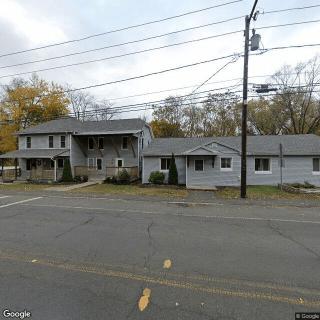
359 High Street, Greenfield, MA 01301
For more information about senior living options: (866) 208-4318
Overall Review of Poet's Seat Health Care Center
Pros
 She is improving.
- She is not agitated.
- She is cooperative.
- The reviewer likes the staff.
- There are activities available for residents.
Cons
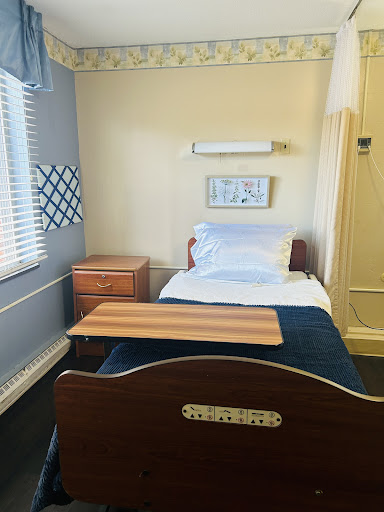
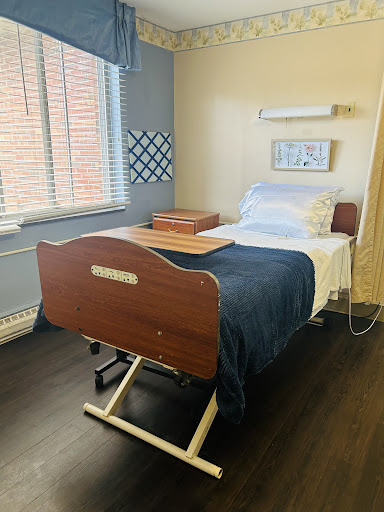
 The reviewer cannot see the rooms due to COVID restrictions.
- Visitors are not allowed in the rooms.
- She certainly needs nursing care assistance and care with toileting.
- She is very limited in what she can do.
- There are only limited activities for residents.
Review
Poet's Seat Health Care Center is best suited for seniors who need ongoing skilled nursing care with mobility assistance and rehabilitation services, and for families that prize a conscientious, actively engaged staff. The typical case described involves a spouse whose partner still requires help with walking, sitting, and standing, but who is showing steady improvement. The resident is cooperative and not agitated, with care teams including physical therapy and a social worker guiding progress. Nursing care and toileting assistance are clearly part of daily needs, and while some activities exist, the person’s current capabilities are limited. This combination favors a setting where rehab progress is central and staff responsiveness is a cornerstone of care.
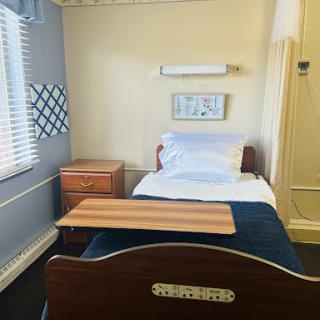
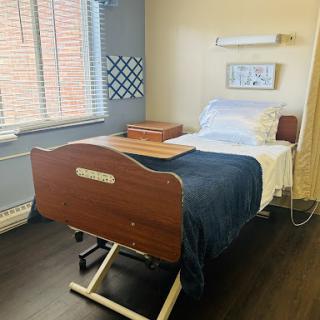
Alternatives become appealing for families seeking more privacy and a richer daytime program. The report notes that room access was restricted, with visits and observation limited to common areas, which can feel impersonal and hamper family involvement. If private rooms, a wider range of daily activities, or more independent engagement for a resident at this stage matter, other communities may deliver those features more consistently. In short, Poet's Seat fits best when medical care and rehab direction take priority over high levels of social programming or easy room-to-room access.
From a practical perspective, the strongest positives are the visible staff affinity, the clear role of rehabilitation therapists, and the social worker who helps navigate next steps. Those elements create trust and momentum in recovery, which can offset the modest activity slate and limited autonomy the resident currently experiences. The cooperative demeanor of the person and the steadiness of nursing attention further mitigate concerns about pace of improvement. However, the absence of broader engagement options means progress may come more slowly for residents who thrive on daily variety.
Care at Poet's Seat centers on skilled nursing with targeted mobility work, toileting support, and routine monitoring. Physical therapy involvement and social work coordination indicate an integrated approach to rehabilitation and discharge planning. The presence of some activities provides opportunities for light engagement, but these do not compensate for a packed calendar or deep social programming. For families, this means monthly milestones and daily care become the reference frame for decision-making, rather than hours of enrichment or theme-based programming.
To determine fit, several questions should be clarified before committing. Room options, especially the availability of private accommodations, and the implications for family visitation should be confirmed. The schedule and intensity of physical therapy, as well as the expected nursing-to-patient ratio, warrant review. Details about toileting assistance, monitoring for incontinence, and ease of access to care teams are essential. Also important are the care planning process, family involvement in setting goals, and how social work connects the resident with community resources and post-discharge plans.
Bottom line: Poet's Seat Health Care Center presents a solid choice for families prioritizing reliable nursing care and rehab progression within a supportive, staff-driven environment. If the priority includes a vibrant activity calendar, greater privacy, or more expansive social opportunities, alternatives should be explored. The decision should hinge on balancing the readiness for ongoing mobility work and skilled nursing with expectations for daily enrichment and privacy, the kind of balance that defines a sustainable long-term living arrangement.
 63 resident community capacity
 Skilled Nursing Facility
 Air-conditioning
 Beauty salon
 Cable or satellite TV
 Computer center
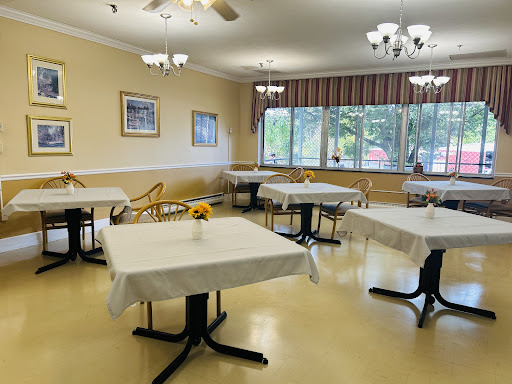
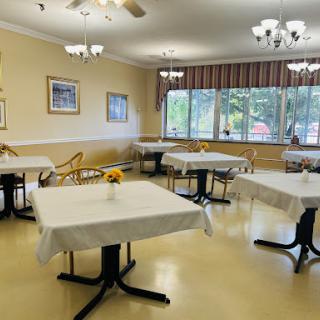
 Dining room
 Fitness room
 Fully furnished
 Gaming room
 Garden
 Housekeeping services
 Kitchenette
 Move-in coordination
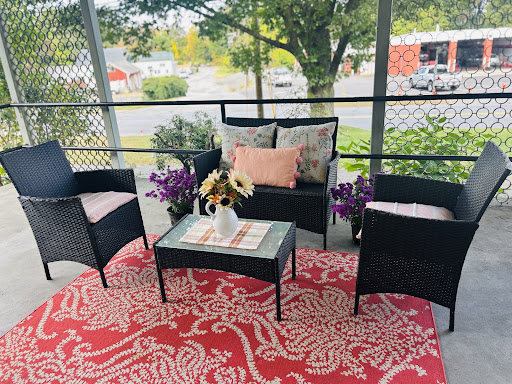
 Outdoor space
 Private bathrooms
 Restaurant-style dining
 Small library
 Telephone
 Wellness center
 Wi-Fi/high-speed internet available
 Community operated transportation
 12-16 hour nursing
 24-hour call system
 Activities of daily living assistance
 Assistance with bathing
 Assistance with dressing
 Assistance with transfers
 Diabetes diet
 Medication management
 Mental wellness program
 Special dietary restrictions
 Concierge services
 Planned day trips






 Caregiver Exhaustion: Recognizing the Signs and Restoring Your Well-Being
 Understanding Hospice Care at Home: Comprehensive Services, Key Benefits, and Eligibility
 Understanding the Full Cost of 24/7 In-Home Care: A Detailed Overview