The Seneca at Rockville presents a unique offering in terms of monthly living costs, which are notably higher than both Montgomery County and the broader Maryland averages. For instance, their studio apartments are priced at $6,995, starkly contrasting with the county's average of $5,542 and Maryland's state level of $4,656. When it comes to one-bedroom units, residents can expect to pay $8,195 at The Seneca, significantly exceeding the county's average of $4,842 and the state's average of $3,904. Two-bedroom accommodations come with a price tag of $9,395, again surpassing local and state benchmarks that stand at $4,530 and $3,497 respectively. Furthermore, semi-private rooms also align with this trend at $9,395 compared to Montgomery County's average of $4,337 and Maryland's overall average of $3,545. This pricing structure reflects The Seneca's commitment to providing enhanced services and amenities that cater to a discerning clientele seeking premium assisted living experiences.
Floor plans
The Seneca at Rockville
Montgomery County
Maryland
Studio
$6,995
$5,542
$4,656
1 Bedroom
$8,195
$4,842
$3,904
2 Bedrooms
$9,395
$4,530
$3,497
Semi-Private
$9,395
$4,337
$3,545
Memory care communities with a similar price nearby
Residents and families consistently describe staff as caring, helpful, and engaged.
Many reviews praise the staff as warm and kind, with caregivers who take time to answer questions and keep families informed. Several residents highlight personal connections with individual staff members and describe support around daily routines and special moments. A smaller set of reviews describe frustration with staffing levels and management responsiveness, especially during transitions and in the memory care unit.
differentiator8 reviews mention this
Dining is restaurant-like
Dining is frequently described as restaurant quality with choices rather than set meals.
A number of residents and families say the food is excellent and fresh, with menu options and restaurant-style service. Some reviews also describe the dining spaces as clean and appealing, including multiple dining rooms. Other reviewers raise concerns about meal timing and food quality at times, including slow kitchen service and instances of food arriving cold.
common11 reviews mention this
Activities and spaces feel well-rounded
The community offers a full schedule of activities and noticeable amenities.
Reviews frequently mention active programming and amenities, including classes, a gym and therapy support, and outdoor space. Families also describe the facility as clean and well maintained, with a modern feel and comfortable rooms and grounds. Some memory care reviews add a caveat that activity frequency and inclusion can decline over time, with residents sometimes receiving less than they need.
caveat4 reviews mention this
Memory care programming needs consistency
Memory care reviews are mixed on programming and day-to-day care consistency.
Several reviews recommend the memory care unit, describing supportive staff during transitions and dedicated dementia-focused programming. Others, however, describe higher turnover and inefficiencies that can affect personalized care, communication, and activity access for memory care residents. Taken together, reviews suggest strong moments alongside periods when families feel they need to advocate closely.
caveat2 reviews mention this
Pricing comes with tradeoffs
Price increases and higher memory care costs are key concerns in reviews.
One review mentions that prices increased quickly after a change in management while services reportedly declined. Another says memory care costs are higher even as they observed cutbacks in activity frequency and some aspects of food and staffing. The listing also shows pricing at the high end across unit types, reinforcing that cost is a major consideration for families comparing options.
How we summarize
Counts show how many written reviews mention each theme; a review can touch several themes, and only frequently mentioned themes are displayed.
Features
Types of Care
Assisted Living
Memory Care
Transportation
Ronald Reagan Washington National (18 miles away)
Washington Dulles International (18 miles away)
Nearby Places of Interest
Pharmacies
Safeway Pharmacy (1.2 miles)
Walgreens (1.2 miles)
Walgreens (1.8 miles)
CVS Pharmacy (1.9 miles)
CVS Pharmacy (2 miles)
CVS Pharmacy (2.3 miles)
CVS Pharmacy (3 miles)
Restaurants
Sichuan Pavilion (1.3 miles)
Cava (2 miles)
Founding Farmers (2 miles)
Peter's Grill (2 miles)
Dulcinea Bar and Grill (2.3 miles)
Guapo S Gaithersburg (2.4 miles)
Yard House (2.6 miles)
Cafes
Starbucks (1.3 miles)
Silver Diner (2.4 miles)
Starbucks (3 miles)
Starbucks (4.7 miles)
Starbucks (4.8 miles)
Starbucks (5.7 miles)
Physicians
The Centers For Advanced Orthopaedics (1.4 miles)
Occupational Health Consultants (1.4 miles)
Potomac Pediatrics (1.9 miles)
Potomac Valley Pediatrics (4.3 miles)
Family Allergy & Asthma Care (4.5 miles)
Tibor E Frekko (4.6 miles)
Kane Howard MD (4.9 miles)
Transportation
Rockville Metro Station (1.5 miles)
Shady Grove Metro Station (2.4 miles)
Hertz Rent A Car (2.6 miles)
Twinbrook Metro Station (3.3 miles)
Nextcar Gaithersburg South (5.4 miles)
Grosvenor-Strathmore Metro Station (5.4 miles)
Glenmont Metro Station (6.7 miles)
Parks
Falls Road Park (1.5 miles)
Rock Creek Regional Park (3.3 miles)
Bohrer Park (3.5 miles)
Aberdeen Park (4.6 miles)
Winding Creek Local Park (5 miles)
Georgian Forest Park & Tennis Courts (6.3 miles)
Great Falls Park (7.6 miles)
Hospitals
Adventist HealthCare Shady Grove Medical Center (1.5 miles)
The Seneca at Rockville presents a unique offering in terms of monthly living costs, which are notably higher than both Montgomery County and the broader Maryland averages. For instance, their studio apartments are priced at $6,995, starkly contrasting with the county's average of $5,542 and Maryland's state level of $4,656. When it comes to one-bedroom units, residents can expect to pay $8,195 at The Seneca, significantly exceeding the county's average of $4,842 and the state's average of $3,904. Two-bedroom accommodations come with a price tag of $9,395, again surpassing local and state benchmarks that stand at $4,530 and $3,497 respectively. Furthermore, semi-private rooms also align with this trend at $9,395 compared to Montgomery County's average of $4,337 and Maryland's overall average of $3,545. This pricing structure reflects The Seneca's commitment to providing enhanced services and amenities that cater to a discerning clientele seeking premium assisted living experiences.
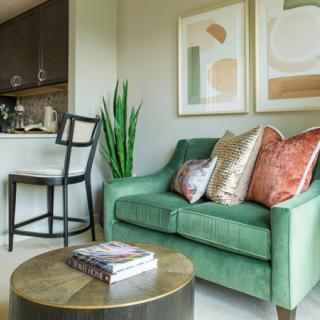
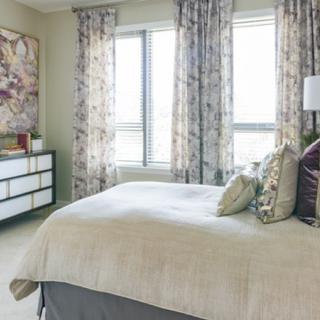
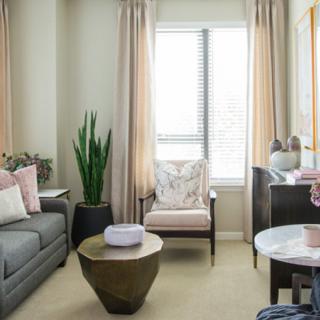
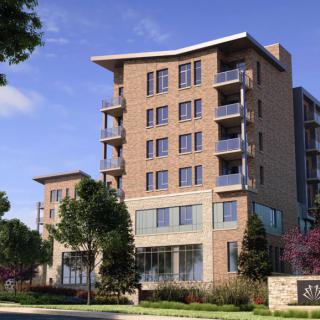
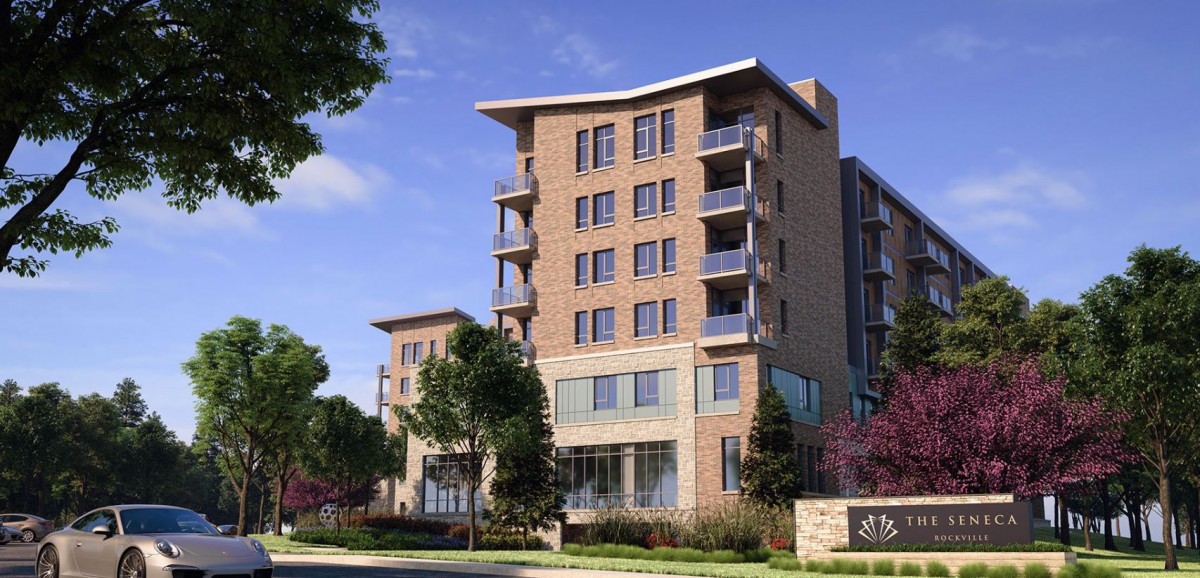
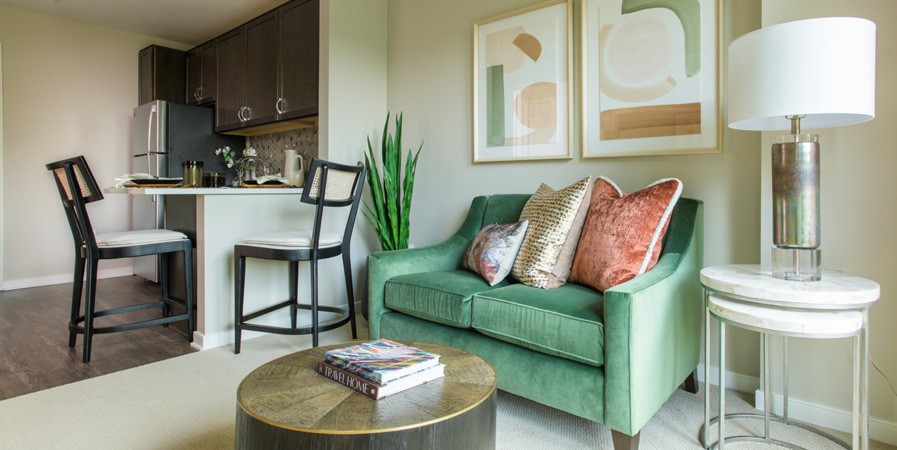
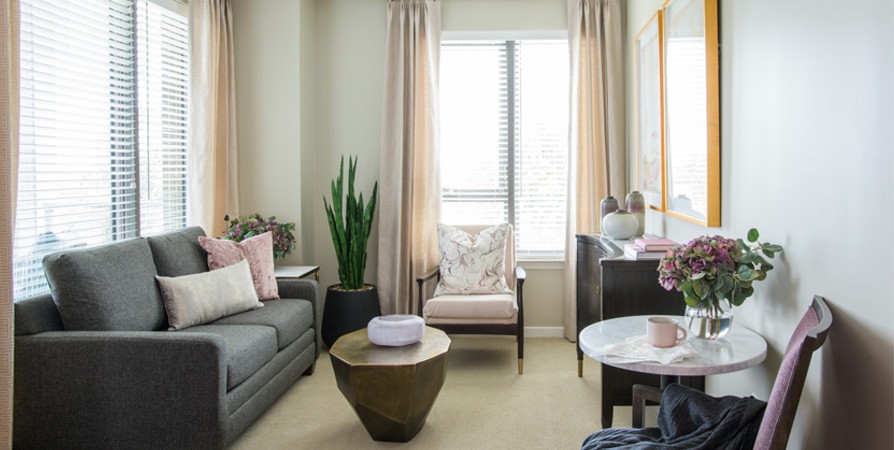
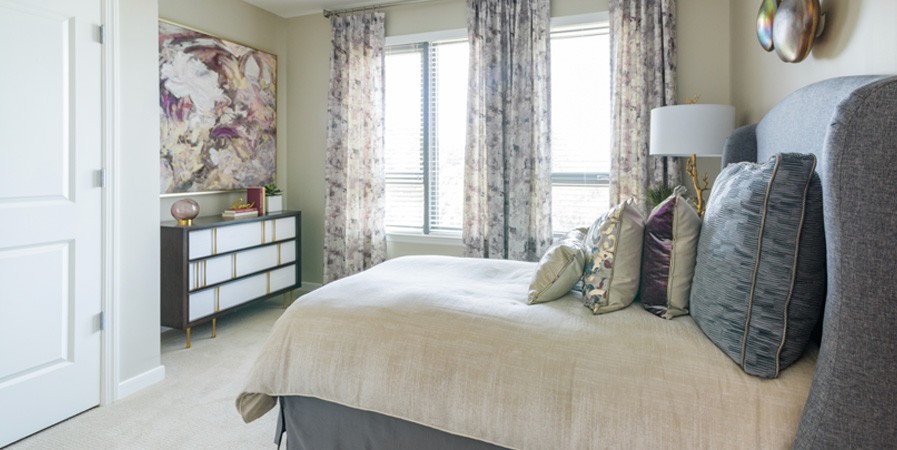
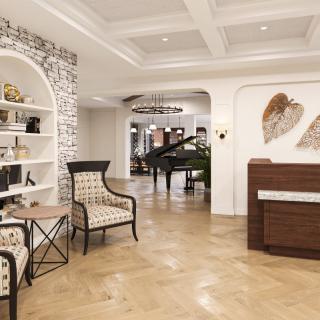
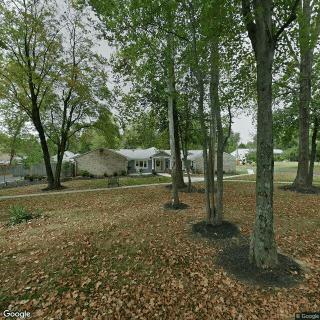
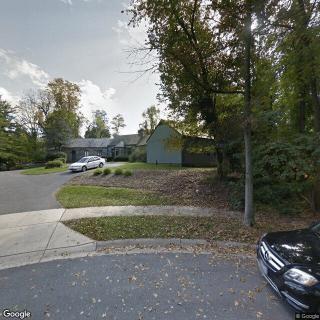
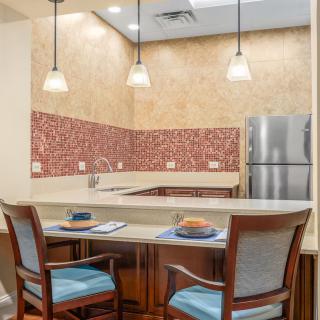
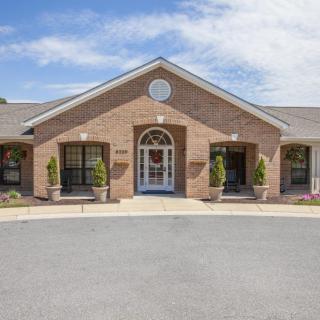
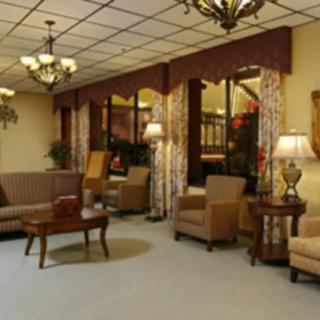
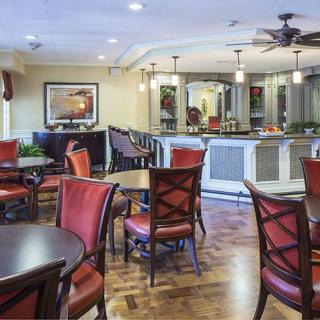
The Seneca at Rockville on seniors.fyi includes 4 photos including images showing interior, windows, bedroom, living room, artwork, plant, indoor plants, decor, and more.
Nearby Communities
Home Helpers Home Care of Olney
Rockville, MD
Excellent access to healthcare, dining, parks, and entertainment in a vibrant nearby community.
Heart and Hands Assisted Living
Gaithersburg, MD
5 from 5 reviews
$5,000 / month
Caring, professional staff with strong communication and attentive care.
Residences on the Lane
Rockville, MD
4.9 from 16 reviews
$1,366 to $2,322 / month
Clean, well-maintained environment with responsive staff and a convenient location.
Collingswood Rehabilitation And Healthcare Center
Rockville, MD
3.9 from 209 reviews
Clean, well-maintained facility with some caring staff and recent renovations.
Rockville Nursing Home
Rockville, MD
4.3 from 122 reviews
Cheerful, accommodating staff with on-site therapies and activities.
Brightview Fallsgrove
Rockville, MD
4.2 from 91 reviews
$2,700 to $7,500 / month
Attractive, clean, and well-decorated community with friendly staff and engaging activities.
Ingleside at King Farm
Rockville, MD
4 from 59 reviews
$3,173 to $3,726 / month
Bright, well-maintained apartments with attentive staff and active amenities.
BrightStar Healthcare
Rockville, MD
4.8 from 62 reviews
$3,650 / month
Compassionate, skilled caregivers with reliable substitute coverage.
Reminiscence therapy is a structured method for older adults, especially those with dementia, to share life stories using prompts and sensory cues, fostering emotional well-being, social engagement, and self-identity. It aims to improve quality of life by enhancing interpersonal connections and cognitive stimulation while requiring careful facilitation to avoid distressing memories.
Dementia, particularly Lewy body dementia, often involves hallucinations that can significantly distress both patients and caregivers due to disruptions in sensory processing and neurotransmitter imbalances. Effective management includes compassionate communication, environmental adjustments, and a multidisciplinary approach to care while addressing the emotional needs of caregivers.
Alzheimer’s disease is a progressive neurological disorder that significantly impacts memory and cognitive functions, accounting for 60-80% of dementia cases, with early diagnosis being crucial yet challenging. It involves brain changes like beta-amyloid plaques and tau tangles, influenced by genetic and lifestyle factors, and while there is no cure, symptom management and support for caregivers are essential.
Get PricingAsk A QuestionSchedule A TourContact Senior Advisor
By clicking submit, you agree to our Partner's Terms of Use. You
also consent to receive calls and texts, which may be autodialed, from our Partner. Your consent is not a condition to
using our Partner's service. Please visit our Partner's Privacy Policy for information about their privacy practices.

 Assisted Living
 Memory Care
 Ronald Reagan Washington National (18 miles away)
 Excellent access to healthcare, dining, parks, and entertainment in a vibrant nearby community.

 An In-Depth Look at Reminiscence Therapy in Dementia Care
 Dementia-Related Hallucinations: Causes, Experiences, and Practical Approaches
 Illuminating Insights About Alzheimer's Disease: Ten Crucial Realities