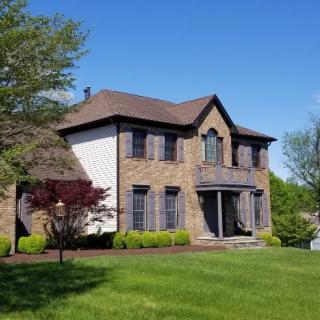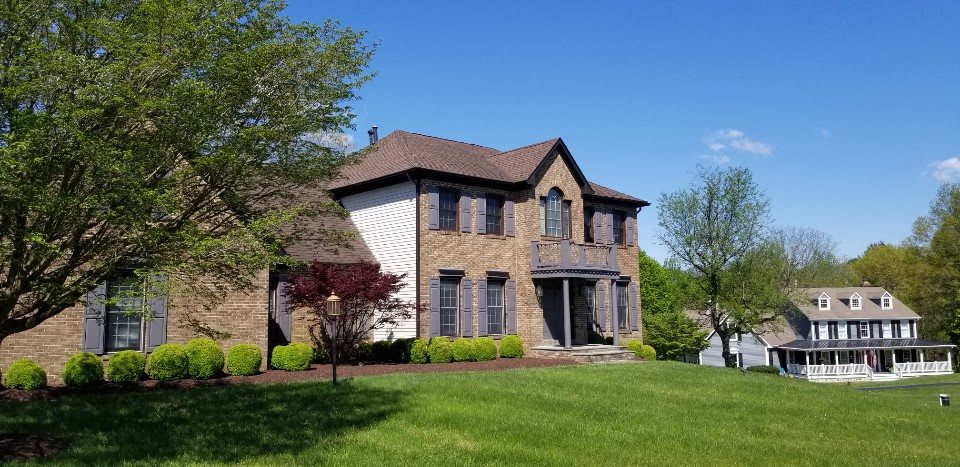
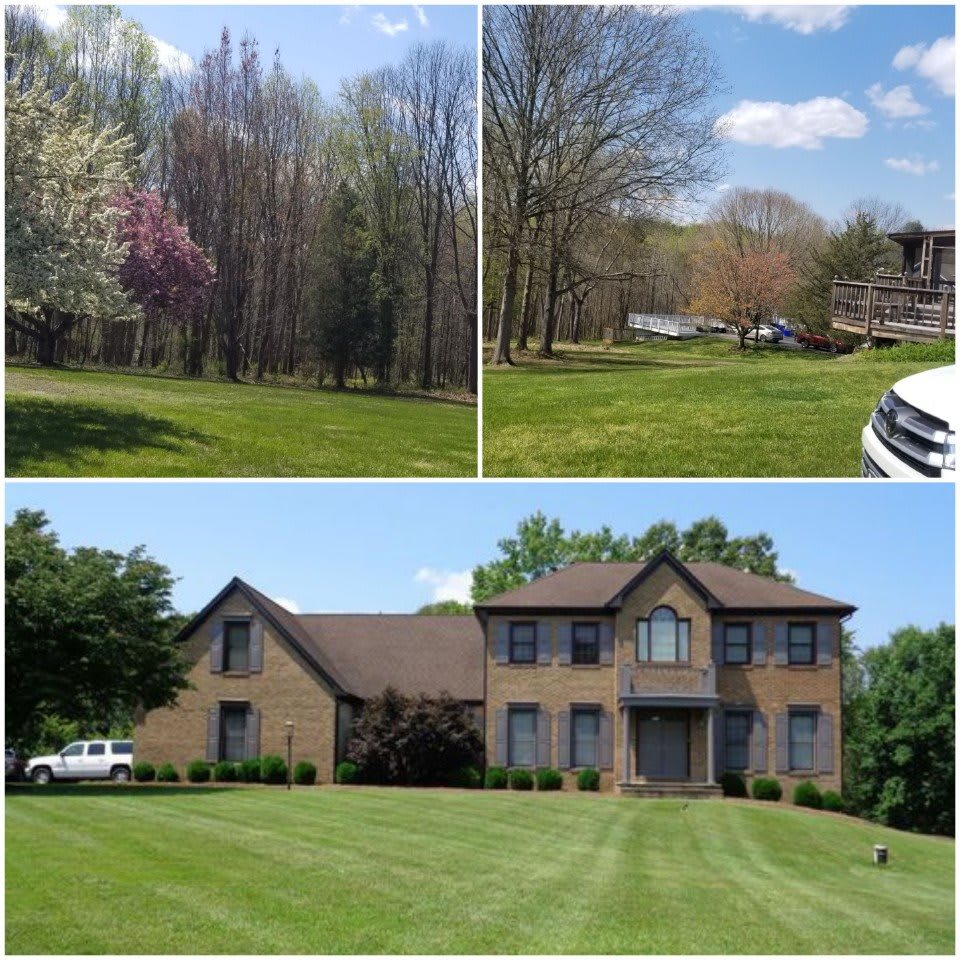

9520 Foxlair Pl, Gaithersburg, MD 20882
To contact a resident: (301) 651-3225
For more information about senior living options: (866) 208-4318
Heart and Hands Assisted Living Costs & Pricing
Heart and Hands Assisted Living offers competitive pricing for its services, with both private and semi-private room options priced at $5,000 per month. This rate aligns closely with the average costs in Montgomery County, where private rooms are slightly higher at $5,009 and semi-private rooms are more affordable at $4,337. When examining state averages throughout Maryland, Heart and Hands remains a solid option as well; private room costs average $4,112 while semi-private accommodations can go for as low as $3,545. Overall, Heart and Hands Assisted Living provides a cost-effective choice without sacrificing quality care in an increasingly challenging financial landscape for assisted living facilities.
| Floor plans | Heart and Hands Assisted Living | Montgomery County | Maryland |
|---|---|---|---|
| Private | $5,000 | $5,009 | $4,112 |
| Semi-Private | $5,000 | $4,337 | $3,545 |
Senior living communities with a similar price nearby
-
About the same

Avalon House on Laburnum Street
$4,950 / month10.9 miles away -
from -$500 / mo

Olney Memory Care
$4,500 / month6.5 miles away -
from +$500 / mo

Beverly Assisted Living
$5,500 / month16.4 miles away -
from +$200 / mo
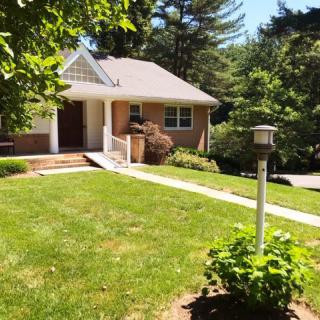
Avalon House On Laburnum Street
$5,200 / month10.9 miles away -
from +$500 / mo
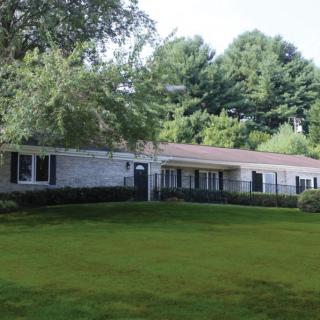
Glen Hill
$5,500 / month13.1 miles away
Overall Review of Heart and Hands Assisted Living
Pros
 The owner is available to talk or meet.
- The space is clean and quiet.
- The staff are sufficient in number and skilled.
- The care provided to residents is good.
- The owner and staff are very helpful.
- The staff are kind and professional.
- They provide regular updates and are reachable at any time.
- Residents receive attentive care from the staff.
- The facility is wonderful, warm, and welcoming.
- The small-group setting makes residents feel like they are with close friends and family.
- Priyanga and her team tailor care to each resident’s needs and preferences.
- Home-cooked meals and celebrations are provided, creating a homey environment.
Cons
 There are at least two staff for four or five residents, suggesting insufficient staffing.
- The mother was heavily overmedicated upon arrival at Loving Hands.
Review
Heart and Hands Assisted Living in Gaithersburg is best suited for families seeking an intimate, home-like atmosphere where residents receive individualized attention and where open, ongoing communication with the team is non-negotiable. The setting works especially well for seniors who may require hospice or end-of-life support without sacrificing dignity or personal connection. The owner is readily available for conversations, and the facility stays clean and quiet, reinforcing a calm daily rhythm. In practice, care tends to be delivered in a small, close-knit team, roughly two staff members for a handful of residents, creating a family feel rather than a clinical corridor. This combination makes it a natural choice for families prioritizing warmth, consistency, and direct staff relationships.
For those weighing options, consider alternatives when higher nurse-to-resident ratios, dementia-specific programming, or a broader social calendar are non-negotiables. Larger communities with more on-site medical resources may be needed for residents requiring constant medical oversight, aggressive memory-care protocols, or a robust menu of therapies and outings. If rehabilitation needs are frequent or specialized physician-directed interventions are essential, a bigger campus with greater clinical depth could reduce coordination challenges and transportation logistics. In short, this setting excels on intimacy and simplicity but may not suffice for high-acuity or highly programmatic expectations.
The strongest practical advantages lie in the ownership model and the staffing philosophy. The owner’s accessibility coupled with a steady, compassionate care team translates into timely updates for families and a sense that decisions are collaborative rather than opaque. Cleanliness, quiet surroundings, and a homey ambiance reinforce comfort and routine, while home-cooked meals and small-group dynamics foster belonging. The absence of hidden or surprise costs also matters, there is a straightforward, predictable financial picture that helps families plan with confidence. For many residents, these factors translate into steadier days, with less stress around care logistics and more focus on quality-of-life.
Care experiences during sensitive moments are telling. In hospice contexts, Priyanga and her team coordinate closely with external clinicians to adjust medications and align comfort with dignity. One family recalled a situation where a loved one arrived overmedicated, and the team’s close collaboration with doctors restored balance and clarity. This capacity for thoughtful medication management and sustained, respectful attention often yields meaningful improvements in well-being, reinforcing trust that the care plan is actively stewarded rather than assumed. Such outcomes, combined with consistent staffing and a calm environment, offer a tangible counterweight to the small-scale setting’s potential limits.
Yet the smaller model has identifiable boundaries. While the described staff ratio is solid, it cannot substitute for the depth of clinical resources or the breadth of specialized programs found in larger facilities. For residents with complex medical needs, memory-care demands, or a desire for a wide array of therapies and social opportunities, the intimacy of Heart and Hands may feel restrictive. Families should recognize that certain needs will be met best elsewhere, where clinical intensity and expansive activity calendars are the norm. In those cases, the offset is a more robust service ecosystem that can flex to escalating medical or social requirements.
In the end, Heart and Hands Assisted Living offers a high-contact, relationship-driven care model ideal for families prioritizing proximity, transparency, and a warm, home-like environment. For residents who value direct access to owners, responsive communication, and careful medication coordination, the fit is strong and the anticipated outcomes are favorable. Prospective movers should visit with clear questions about current staffing patterns, care-planning processes, and how hospice or end-of-life care is integrated. When those factors align with the loved one’s needs, this Gaithersburg community stands out as a practical, decision-ready option that delivers genuine peace of mind.
 Board and Care Home
 Activities on-site
 Beautician on-site
 Private
 Respite or short term stays offered
 Ronald Reagan Washington National (18 miles away)
 Diabetic care
 High acuity care
 Incontinence care
 Medication management







 Engaging Brain Games and Innovative Apps to Keep Senior Minds Active
 Effective Strategies for Keeping Seniors' Minds Active: A Deep Dive into Brain Games and Apps
 In-Depth Look at the VA Aid and Attendance Program