
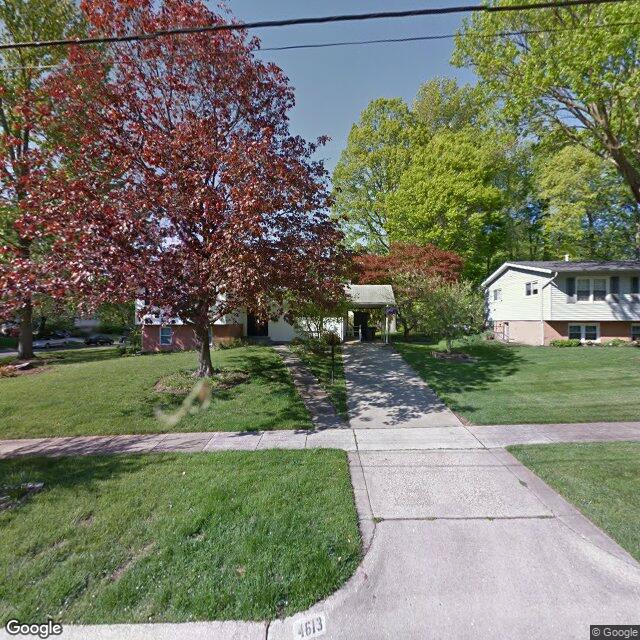
4613 Brad Court, Rockville, MD 20853
For more information about senior living options: (866) 208-4318
Overall Review of La Familia II
Pros
 Miss Pauline is well cared for by the staff.
- The staff at La Familia are friendly, respectful, and welcoming.
- The manager is phenomenal, professional, and very supportive.
- The staff go out of their way to accommodate residents, even when they are picky.
- Families can visit at any time and feel their loved ones are well taken care of.
- The care provided to residents is kind, generous, attentive, and makes them feel comfortable and appreciated.
- The team is great to work with, responsive, and genuinely focused on making the place a home for all residents.
- La Familia Assisted Living offers top-of-the-line specialized care with fantastic nurses and doctors.
Cons
 The reviewer found Nurys very hard to understand due to broken Spanish.
Review
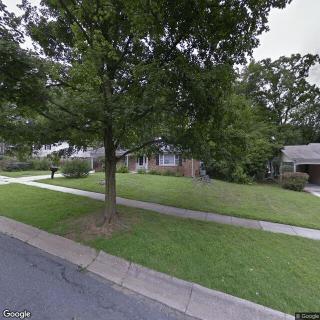
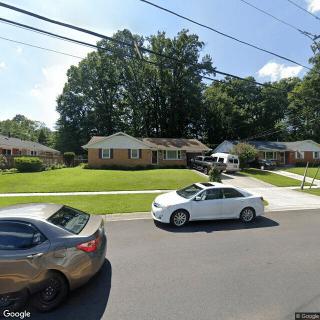
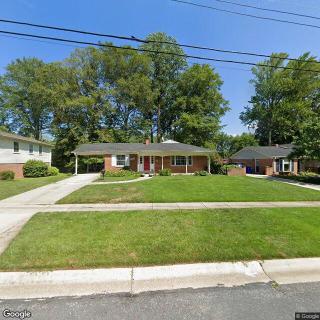
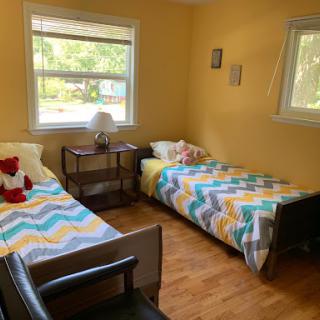
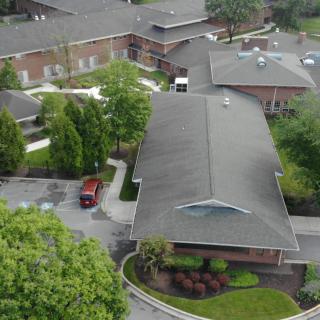
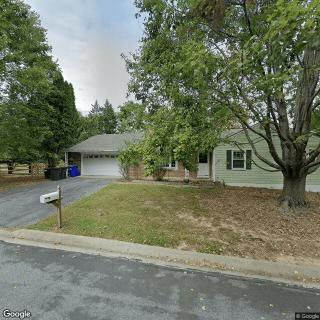
La Familia II in Rockville is best suited for families seeking round-the-clock, compassionate care in a home-like setting for a loved one who requires 24/7 assistance, yet wants to remain connected to family life and a respectful, person-centered team. The community sits in a quiet residential neighborhood and offers bright, clean double-occupancy rooms that staff keep well maintained. The day-to-day culture centers on attentiveness and warmth, with a manager who is consistently professional, informative, and quick to respond. Families report staff who are friendly, respectful, and willing to adapt to a picky resident, and they note that visits are welcome at any time, which helps ease transitions and sustain a sense of belonging for all involved.
Those evaluating options should consider alternatives if language fluency and medical coordination are non-negotiable. Frontline caregivers can be hard to understand at times, and while the manager fills the gap, communication gaps may surface during care planning or medication discussions. The facility operates across multiple properties, with remodeling underway at one site, which can translate into variability in staff experience, room configurations, and response times. For families requiring a more explicit, English-first medical handoff, or a dementia-care specialization with clearly defined protocols, other communities with dedicated bilingual teams and established memory-care units may be a better fit.
On the plus side, the strongest positives weave directly into daily life. Residents benefit from a home-like environment where rooms stay bright and clean, and care teams are described as engaging and compassionate. The manager's leadership stands out, transparent, proactive, and consistently reachable, so families feel informed and involved. The staff’s willingness to accommodate individual preferences, the sense of community, and the way care staff keep residents busy throughout the day translate into a palpable quality of life advantage. The facility also emphasizes accessible family involvement, flexible visiting hours, in-house church services, and a range of care levels that can adapt to evolving needs.
Nevertheless, several caveats deserve attention. Language remains a recurring theme; not all staff speak fluent English, and even with strong management, coordination around medications and daily care can be uneven at times. The mention of state requirements around med management suggests the need for careful vetting of policies and a clear, written plan from staff on how medications are administered and documented. Capacity realities also date the experience: the operation spans multiple properties with limited beds, and remodeling and wait times create potential pacing issues for families ready to move in. Those seeking a fully uniform experience across sites may find this variability challenging.
For families ready to move forward, a disciplined due-diligence checklist helps align expectations with reality. Schedule visits to observe interactions with staff and residents; insist on meeting the administrator and any direct care supervisors; request a clear care plan with medication administration procedures and pharmacy partnerships; verify Medicaid waiver acceptance and any out-of-pocket costs; tour the rooms and common spaces to judge cleanliness and safety; and confirm a consistent English-speaking point of contact for day-to-day questions. Clarify the daily schedule for activities and the availability of medical oversight, including nurse and doctor access, to ensure the level of care matches the loved one’s needs.
In sum, La Familia II offers a compelling mix: a warm, engaged team, strong administrative leadership, and a community-centric environment that can make a difficult transition feel more like coming home. It is especially well-suited for families prioritizing personal attention, flexibility, and Medicaid-friendly options when care needs are high and companionship matters. Those who require flawless language-driven communication, a fixed single-site experience, or a dementia-specific program with tightly codified protocols may want to explore alternatives with more consistent bilingual staffing and memory-care specialization. With careful planning and direct conversations about care plans, families can determine whether La Familia II delivers the balance of comfort, oversight, and value that their loved one requires.
 8 resident community capacity
 Assisted Living
 Board and Care Home
 Activities off-site
 Bath tubs
 Cable or satellite TV
 Devotional services off-site
 Dining room
 Fully furnished
 Garden
 Housekeeping services
 Indoor common areas
 Move-in coordination
 Outdoor common areas
 Private
 Respite or short term stays offered
 Telephone
 Wheelchair accessible showers
 Wi-Fi/high-speed internet available
 Ronald Reagan Washington National (17 miles away)
 24-hour supervision
 Assistance with bathing
 Assistance with dressing
 Assistance with transfers
 Diabetes diet
 Diabetic care
 High acuity care
 Incontinence care
 Meal preparation and service
 Medication management
 Special dietary restrictions
 Transportation arrangement (medical)
 Transportation to doctors appointments

 Is Assisted Living Deductible on Your Taxes? Understanding the Complexities of Assisted Living Expenses and Deductions
 Assisted Living Support for Veterans: A Complete and Detailed Overview
 Exploring the Contrasts Between Assisted Living and Skilled Nursing