
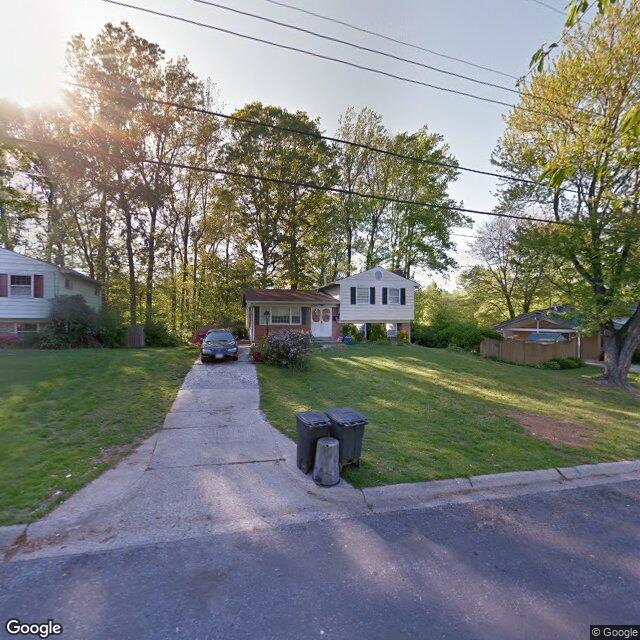
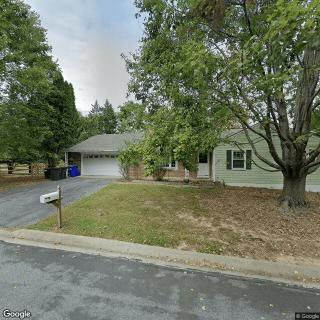
14212 Brad Dr, Rockville, MD 20853
To contact a resident: (301) 675-3301
For more information about senior living options: (866) 208-4318
Serenity Assisted Living Costs & Pricing
At Serenity Assisted Living, the monthly cost for a private room is set at $10,000, which stands in contrast to the average expenses in Montgomery County and across Maryland. In Montgomery County, the typical monthly rate for similar accommodations is approximately $5,009, while statewide figures suggest an even lower average of around $4,112. This pricing indicates that Serenity Assisted Living may offer a premium experience or specialized services that justify the higher cost compared to both county and state averages. For families seeking quality care options tailored to individual needs and preferences, understanding these costs can be crucial as they evaluate the best fit for their loved ones.
| Floor plans | Serenity Assisted Living | Montgomery County | Maryland |
|---|---|---|---|
| Private | $10,000 | $5,009 | $4,112 |
Senior living communities with a similar price nearby
-
from -$500 / mo
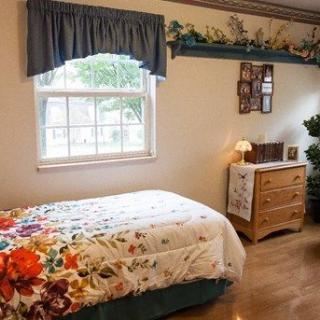
Arden Courts of Kensington
$9,500 / month4.0 miles away -
from -$1350 / mo
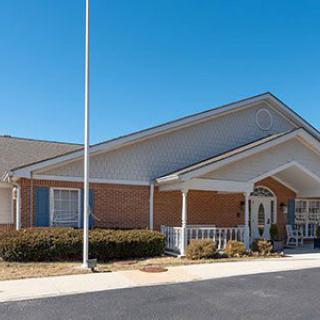
Arden Courts ProMedica Memory Care Community Annandale
$8,650 / month19.7 miles away -
from +$1000 / mo
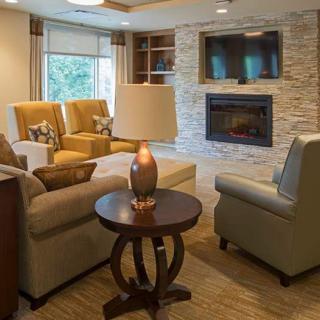
Silverado Alexandria
$11,000 / month18.8 miles away -
from -$1360 / mo

Sunrise of Connecticut Ave
$8,640 to $12,660 / month9.1 miles away -
from -$500 / mo
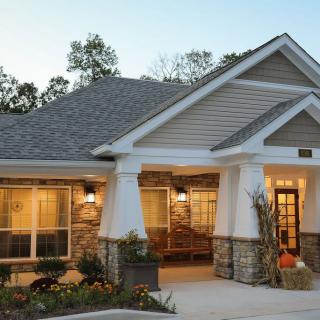
Artis Senior Living of Potomac
$9,500 / month6.8 miles away
Overall Review of Serenity Assisted Living
Pros
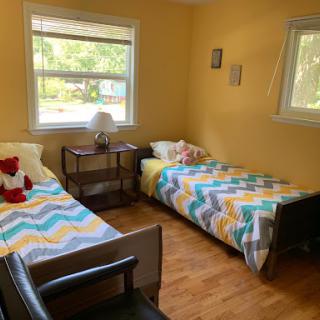
 The furniture inside is extremely nice and comfortable, and the front porch and backyard are really nice, with supportive assisted living equipment.
- The Serenity Gardens facility in Potomac feels welcoming, with a cozy and clean setting that feels like home.
- Claudia, the owner, is incredibly kind, knowledgeable, and passionate about providing high-quality care.
- Claudia explains a personalized approach to care, especially for those with Alzheimer's, and answers questions thoroughly.
- The staff and nurses are friendly and truly care about the residents.
- The Serenity Gardens homes are beautiful, clean, and well managed.
Cons
 Claudia is extremely unprofessional.
- Claudia is rude.
- Claudia is disrespectful to both clients and their families.
Review
Serenity Assisted Living in Rockville is best suited for seniors who want a warm, home-like setting with attentive, personalized care, especially for residents navigating memory challenges. The atmosphere leans toward comfort and everyday dignity rather than a clinical or hospital feel. Families that prize individualized care plans, meaningful daily routines, and staff who genuinely seem to care will find this community appealing. Those seeking a highly medicalized environment, aggressive oversight, or a facility that emphasizes rigid protocols over personal connection may want to consider alternatives.
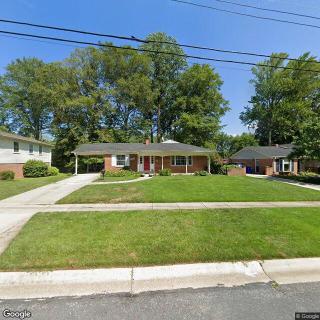
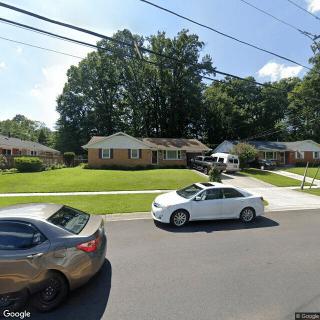
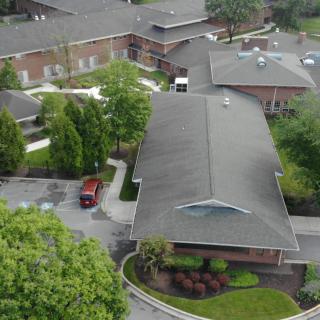
Across the board, the environment and presentation are a strong selling point. The spaces are described as beautiful, clean, and well maintained, with comfortable furnishings and inviting common areas that reinforce a sense of home. Tour experiences consistently emphasize a welcoming vibe, front porches and backyards that feel usable and comforting, and the availability of supportive equipment that underpins daily living. In short, Serenity plants its flag on a dignified, pleasant living experience that reduces the chill often associated with senior care facilities.
Care philosophy is another clear differentiator. The owner, Claudia, is repeatedly portrayed as kind, knowledgeable, and deeply committed to high-quality care, with a particular knack for guiding families through Alzheimer’s care planning. Tours that focus on personalization highlight how staff tailor approaches to individual residents, answer questions thoroughly, and demonstrate patience in explaining care strategies. The upshot is a confident sense that residents receive compassionate, attentive supervision, with families able to participate in planning and ongoing adjustments to care as needs evolve.
On the positive side, there is strong consistency across several visits to Serenity Gardens properties, including Potomac locations. A long-term resident and a variety of families express satisfaction with the care team’s demeanor and the perception that staff truly cares. The stability of a well-managed operation, paired with the warmth of the environment and the clarity around Alzheimer’s-specific approaches, creates a persuasive case for families seeking ongoing engagement, reassurance, and quality of life for their loved ones.
Yet the picture is not without a notable caveat. One reviewer characterized Claudia as unprofessional, rude, and disrespectful to clients and families, raising serious concerns about safety and trust. That claim is at odds with the numerous positive assessments of Claudia’s kindness and expertise, and it raises a real red flag for risk-averse families. Complicating the contrast is a detail in which Claudia is described as “an employee” rather than the owner in that critique, which suggests potential confusion about leadership and accountability. Regardless of attribution, the impression of blunt or disrespectful communication is not something to dismiss lightly.
Ultimately, the core advantages, the home-like ambiance, the emphasis on compassionate, personalized memory-care strategies, and consistent staff engagement, can substantially offset most ordinary operational frictions. The decisive question is whether a family can tolerate the possibility of uneven interactions or leadership-related missteps. For families prioritizing warmth, daily engagement, and Alzheimer’s-focused care, Serenity offers a compelling combination of atmosphere and capability. For those who require a more uniform, highly formalized leadership style or who cannot tolerate potential communication clashes, weighing alternatives becomes prudent.
Actionable conclusions for the decision process: arrange a direct meeting with the administrator or owner to assess leadership tone, policies, and responsiveness; request references from current families and seek unscripted conversations with residents during a visit; review the facility’s licensing, incident history, and staffing ratios to corroborate the care narrative; ask for a sample memory-care care plan and a calendar of cognitive- and activity-based programming to gauge daily structure. In the end, Serenity Assisted Living stands out for families who value a respectful, homelike setting with thoughtful, Alzheimer’s-capable care, but that choice should be tempered by a clear-eyed investigation into leadership behavior and communications before committing.
 Activities off-site
 Bath tubs
 Indoor common areas
 Outdoor common areas
 Respite or short term stays offered
 Ronald Reagan Washington National (17 miles away)
 Ambulatory care
 Diabetic care
 High acuity care
 Incontinence care
 Meals provided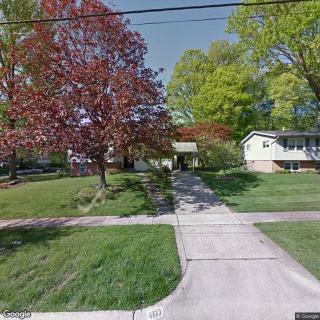

 Exploring the World of Home Health Nurses: Qualifications, Roles, and Hiring Tips
 Navigating Medicare Coverage for In-Home Care Services
 In-Home Care Costs in 2025: A Detailed State-by-State Exploration