
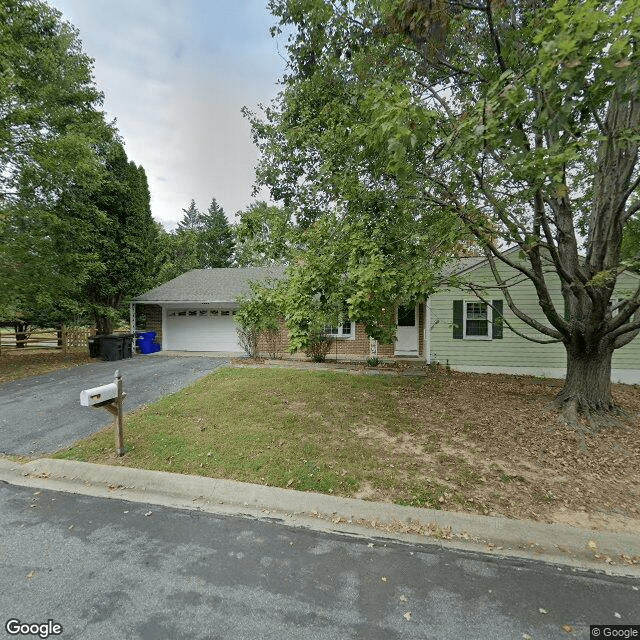
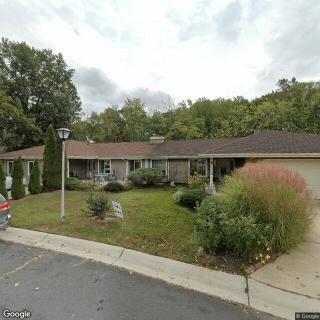
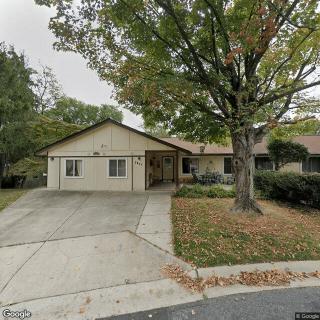
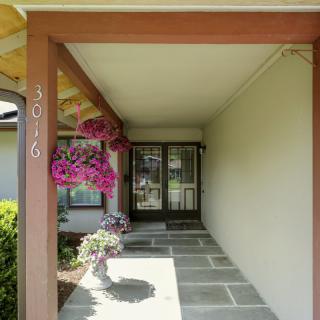
2857 Cairncross Terrace, Silver Spring, MD 20906
For more information about senior living options: (866) 208-4318
Homecrest Costs & Pricing
Homecrest offers competitive pricing for its residential options compared to both Montgomery County and the broader state of Maryland. For a semi-private room, residents pay $3,000 per month, which represents a significant savings compared to the county's average of $4,337 and the state's average of $3,545. Similarly, private rooms at Homecrest are priced at $4,000, notably lower than Montgomery County's rate of $5,009 and slightly above Maryland's average of $4,112. The one-bedroom units also provide value at $4,000 per month, which is less than the county's average of $4,842 while still being higher than the state's rate of $3,904. Overall, Homecrest stands out as an affordable option within its regional context without sacrificing quality or care.
| Floor plans | Homecrest | Montgomery County | Maryland |
|---|---|---|---|
| Semi-Private | $3,000 | $4,337 | $3,545 |
| Private | $4,000 | $5,009 | $4,112 |
| 1 Bedroom | $4,000 | $4,842 | $3,904 |
Memory care communities with a similar price nearby
-
from -$500 / mo

Amazing Grace Senior Care
$2,500 to $3,000 / month14.4 miles away -
from -$530 / mo
Ovalstone Comfort Home
$2,470 to $3,300 / month19.0 miles away -
from +$350 / mo

Paul Spring Retirement Community
$3,350 to $7,180 / month23.2 miles away -
About the same

Residences at Vantage Point CCRC
$3,000 to $4,709 / month14.0 miles away -
from +$500 / mo
Able Plus Assisted Living
$3,500 to $5,000 / month3.2 miles away
Overall Review of Homecrest
Pros
 The staff member is great, knowledgeable, and very sweet.
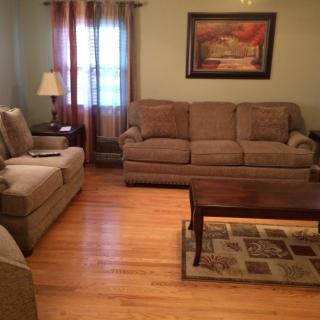
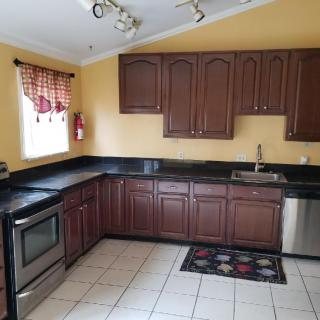
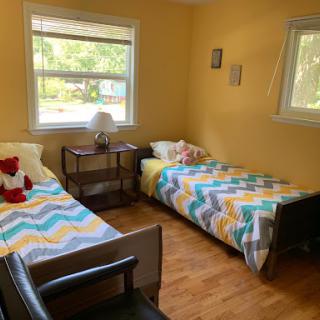
- The rooms look very nice.
- The facility offers a nice exercise room and many activities.
- There is a nice living room with a TV.
- The staff are friendly and have many years of experience.
- The facility is clean and well kept inside and out.
- Homecrest has a warm, family-like atmosphere.
- The director and staff are receptive, professional, and care for residents as if they were family members.
- Holidays and special occasions are celebrated with style and elegance, enjoyed by all.
- The owner is involved and keeps families informed of changes.
Cons
 The reviewer disliked that residents were put to bed after lunch.
- The reviewer felt the facility was run more like a business and not a home.
- The reviewer noted the outdoor setting was lacking compared to the mom's current home.
- The reviewer found contacting the owner problematic because the listed number was the owner's private residence and the person answering was clueless and unhelpful.
Review
Homecrest Assisted Living in Silver Spring is best suited for seniors who want a warm, family-like residence guided by steady, compassionate care. The community rewards families who value hands-on involvement from a dedicated owner and director, long-tenured staff, and a home ambiance over a sterile, institutional feel. Meals, living spaces, and daily routines center on social connection and dignity, with a clear emphasis on treating residents like family. This makes it an excellent match for those facing ongoing care needs with a hospice or end-of-life transition in mind. However, the outdoor setting is not its strongest feature, and the day-to-day rhythm may feel more structured than some families desire. For those prioritizing expansive gardens, private-room options at premium, or a more casual, home-like schedule, alternatives deserve serious consideration.
On the plus side, the facility is consistently neat, well lit, and comfortable. The staff comes across as friendly, capable, and committed, with several long tenure under their belts that translates into reliable, knowledgeable care. The owner’s direct involvement and professional demeanor give families confidence that changes are communicated and handled with care. Residents benefit from a calendar of activities, a well-equipped exercise room, and welcoming common spaces that foster conversation and companionship. Meals receive praise for aroma and appeal, reinforcing a sense of home rather than hospital food. In practical terms, this combination translates into a supportive environment that can ease transitions through illness, surgery, or end-of-life care.
Still, meaningful drawbacks exist. The property lacks a lush outdoor space, which matters to residents who value fresh air and landscaped areas. A daytime pattern that includes post-lunch rest can feel restrictive for those who want ongoing engagement. Some reviewers sense a slightly business-like tempo, efficient, yes, but not exclusively homey, though that impression often coexists with genuine care. Access to the owner can also be irregular at times, with at least one caller finding communication channels unclear. Taken together, these factors can tilt the decision for families who prize an open-ended day, direct owner accessibility, or an outdoor-centric lifestyle.
Those considerations explain why some families may look elsewhere. If a private room matters, or if paying for a single room rather than a shared setup is essential, the perceived emphasis on efficiency may feel at odds with budget and preference. If extensive outdoor amenities are non-negotiable, or if a more expansive social calendar beyond routine activities is desired, alternatives with visible gardens or more varied programming could be a better fit. For residents who want evenings to be as active as afternoons, compare the programming and leadership styles across nearby communities. Homecrest remains strong for the right fit, centered on care, continuity, and a nurturing, family-like atmosphere.
Visiting with a plan can sharpen the assessment. Prospective families should request a direct conversation with the director and key caregivers, observe mealtime dynamics, and see how staff document health changes. Confirm available room configurations and the financial implications of sharing versus private accommodations. Inspect outdoor access, even if modest, and evaluate safety features, lighting, and ease of movement throughout the building. Ask about the cadence of activities after hours and how flexible the schedule is for residents who want more or less structure. Finally, probe how information is shared with families, timeliness, clarity, and level of detail matter when care decisions hinge on daily changes.
When all these elements align, Homecrest offers a compelling option for families who value a warm, attentive culture, consistent caregiving, and a home-like approach to daily life. It is a strong choice for residents who want reliable support and a dignified, well-maintained environment, with compassionate care at the center of every interaction. It may not be ideal for those who prioritize abundant outdoor space, ultra-private rooms with no cost consideration, or a highly flexible, evening-centered program. The prudent path is to visit, talk to staff, and observe how the space feels at multiple times of day. If those impressions match the needs and preferences of the senior and family, Homecrest deserves serious, favorable consideration.
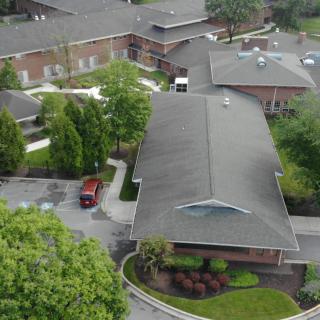
 8 resident community capacity
 Assisted Living
 Board and Care Home
 Memory Care
 Activities off-site
 Bath tubs
 Cable or satellite TV
 Devotional services off-site
 Dining room
 Fully furnished
 Garden
 Housekeeping services
 Indoor common areas
 Move-in coordination
 Outdoor common areas
 Private
 Private bathrooms
 Respite or short term stays offered
 Telephone
 Wheelchair accessible showers
 Wi-Fi/high-speed internet available
 Ronald Reagan Washington National (17 miles away)
 24-hour supervision
 Ambulatory care
 Assistance with bathing
 Assistance with dressing
 Assistance with transfers
 Diabetes diet
 Diabetic care
 High acuity care
 Incontinence care
 Meal preparation and service
 Medication management
 Special dietary restrictions
 Transportation arrangement (medical)
 Transportation to doctors appointments


 Guiding Your Journey: Understanding Power of Attorney for Elderly Parents
 22 Remarkable Caregiver Support Groups Available Online and In-Person
 Understanding Medicaid Coverage for Assisted Living: A Comprehensive Guide