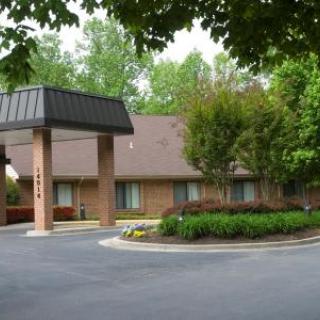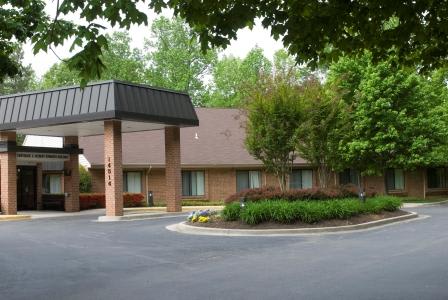
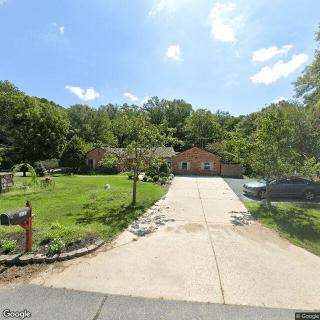
14514 Homecrest Rd, Silver Spring, MD 20906
To contact a resident: (301) 598-4000
For more information about senior living options: (866) 208-4318
Overall Review of B'nai B'rith Homecrest House
Pros
 The 90-year-old aunt has been a resident for nearly three years and could not be happier.
 - She loves the food and eats better than she did when she lived alone.
- She reports that the staff and other residents are caring.
- The staff act quickly during medical emergencies and contact family promptly.
- Homecrest assists with housing applications, and B'nai B'rith subsidies reduce the cost of care.
- Eating a delicious lunch together helps residents socialize and feel happier.
- It is a beautiful facility within a Jewish community, with kosher meals.
Cons
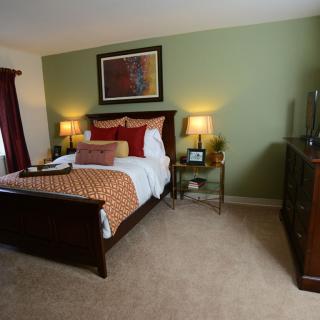
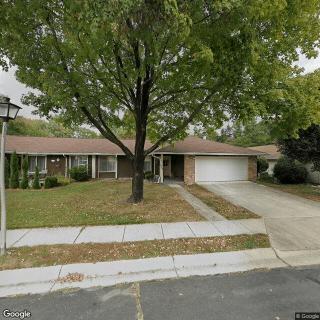
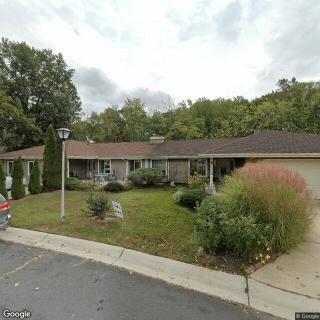
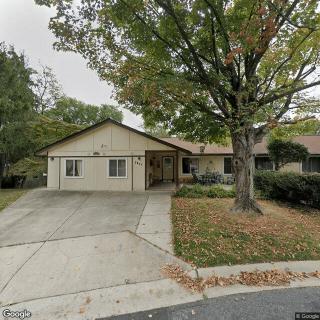
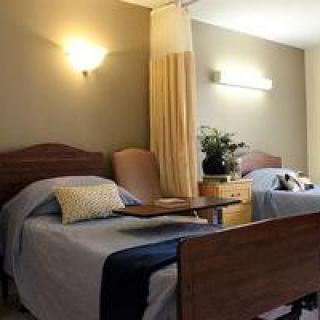
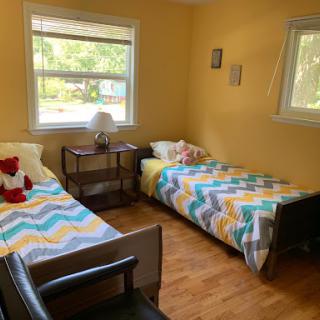
 Apartments have not been updated in many years.
- Food quality is average.
- Package delivery is not well managed.
- Front desk doesn’t consistently alert residents to deliveries.
- There is currently a mouse infestation in the building.
- Maintenance does not bring traps to catch rodents after multiple requests.
- Residents have had mice for almost a week before pest control came in.
- There should have been recurring preventive pest control occurring but it was not.
- Quality of this residence has declined over the years.
- The location is not suitable for families, and the price is not a fit for the budget.
- Not really an assisted living place; limited services and the building appears much older.
- There is no nursing or skilled nursing service.
Review
B'nai B'rith Homecrest House in Silver Spring is best suited for independent seniors who want a sociable, culturally aligned environment with predictable, subsidized housing costs and kosher meals. It serves residents who can manage with limited on-site assistance and do not require daily nursing, skilled care, or extensive memory-support services. For families with members needing regular medical supervision, 24/7 personal care, or robust daily assistance, alternatives should be on the short list of options to consider.
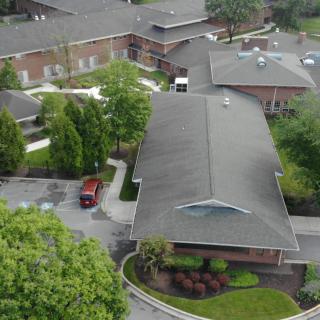
On the positive side, the campus presents a welcoming, spacious feel. Residents have long-tenured ties to the community, and management has undertaken visible common-area renovations that brighten public spaces, signaling investment in the shared experience. The dining room cadence, lunch and dinner served in the dining room with breakfast delivered to rooms, coupled with kosher meals, appeals to a cultural and religious alignment that matters to many families. The building offers practical perks: a shuttle to help residents get out and about, multiple activity rooms, a library, and a setting that encourages socialization. Staff are described as thoughtful and proactive in emergencies, with quick communication to families when an incident occurs. Subsidy options and housing assistance support a lower net cost, which can be decisive for households on tighter budgets.
Yet, the negatives cannot be dismissed. A recurring pest issue, mice documented on multiple occasions with inconsistent or delayed pest control, raises clear health and comfort concerns that undermine the otherwise pleasant milieu. Package delivery is not consistently managed, and front-desk vigilance around deliveries is uneven, potentially leaving residents uncertain about missing items. Maintenance responsiveness can lag, especially when issues require prompt resolution, and the overall value proposition is tempered by the building’s age and apartments that have not been modernized in years. Food quality is frequently cited as only average, with some residents and families noting more limited menu variety. Importantly, several reviews characterize the community as “not really an assisted living place,” signaling limited on-site services and no nursing or skilled care, which matters to anyone weighing long-term needs.
Those tensions partly offset when the community’s strongest levers come into play. Subsidies and a cost-conscious structure make Homecrest House a viable option for households that would otherwise struggle to afford care in a subsidized Jewish community. The social fabric, the welcoming staff, the ability to share meals with others, and the regular interaction among residents, often translates into improved daily satisfaction and a sense of safety, especially for seniors who benefit from companionship and a ready-made social network. Quick action during medical events and the clear lines of communication to families can alleviate anxiety for loved ones. For eligible residents, the Edwards Building’s staff and environment have earned positive testimonials, reinforcing that, where funds and fit align, meaningful, low-barrier senior living can be achieved here.
However, these upsides are not a universal cure for the downsides. The pest problem remains a substantive risk that can erode trust in a community’s reliability over time, particularly for families prioritizing a pristine, low-stress environment. The limited service model means this is not a true substitute for a higher-acuity assisted living arrangement, memory care, or on-site nursing, which are essential for those with significant daily care needs or progressive cognitive decline. Location and cost may also push families toward alternatives, especially if proximity to family, more modern interiors, or stronger daily care offerings are required. Prospective residents should weigh the social, religiously matched, subsidized experience against the reality of limited services and ongoing maintenance challenges.
For families weighing next steps, the prudent course is to treat Homecrest House as a practical, cost-conscious option for independent seniors who value community, kosher dining, and social engagement, while acknowledging it is not a comprehensive care solution. If deciding to pursue it, arrange a focused visit to the Edwards Building and the main campus with emphasis on current pest-control plans, maintenance response times, and a transparent, up-to-date cost breakdown that reflects subsidies. Verify whether the available housing assistance remains stable and whether the unit you’re considering offers modern conveniences or may require compromises. If the priority is robust nursing care, a broader menu of on-site services, or a consistently pest-free living environment, alternatives should be pursued confidently and without hesitation.
 Independent Living
 Activities off-site
 Beautician on-site
 Devotional services on-site
 Indoor common areas
 Outdoor common areas
 Ronald Reagan Washington National (17 miles away)
 Ambulatory care
 Medication management
 Meals provided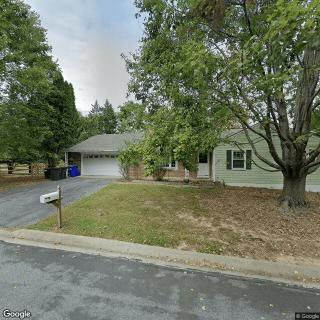
 Understanding the Sandwich Generation: Stress and Responsibilities for Multigenerational Caregivers
 8 Essential Assistive Devices for Older Adults
 Navigating the Financial Road to Nursing Home Care: In-Depth Guidance and Resources