

2601 Bel Pre Road, Silver Spring, MD 20906
For more information about senior living options: (866) 208-4318
Overall Review of Bel Pre Healthcare Center
Pros
 The therapy helped her by strengthening her legs and upper body, and the therapists are a good team.
- The activity director is great and enthusiastic, and enjoys working with challenging residents.
- The billing office has been on top of everything.
- The living room and the entrance area are neat and clean.
- The facility is very nice and odor-free.
- The staff members on the phone are excellent.
Cons
 The reviewers describe the facility as unsafe, noting an ambulance had to be called to remove a resident and belongings were taken like in a prison.
- The place is rundown and in dire need of repairs, with rooms resembling jail cells.
- The care is largely neglectful, making it heartbreaking to see a loved one there.
- Rooms are like hospital rooms needing paint and repairs, and the GNS are unprofessional, arguing with patients and keeping them waiting for hours.
- The food is not good and changes are not offered; reviewers would not want anyone to stay there.
- It is described as the worst place, with sweltering heat, foul smells, residents left in dirty diapers for hours, bedsores, and staff who seem to enjoy having power over them.
- Visitor access is severely restricted, and the Medicare rating is viewed with skepticism.
- Staff lack basic equipment and responsiveness, with delays in blankets, diapers, and no timely physical therapy.
- A resident developed a Stage 3 pressure ulcer, indicating poor nursing care.
Review
Bel Pre Healthcare Center is best considered for families prioritizing rehabilitation and straightforward administrative handling, with the understanding that daily safety and comfort may be uneven. The facility’s most reliable strengths are in its therapy program and the staff who coordinate it, plus a billing team that tends to keep Medicaid and paperwork on track. For families that can stay actively involved and expect clear communication about care planning, Bel Pre can deliver tangible rehab gains and reasonably organized financial logistics. That said, these positives sit behind a heavy undercurrent of safety, cleanliness, and responsiveness concerns that must be weighed decisively before choosing this community.
Alternative options should be strongly considered for anyone whose top priorities are consistent safety, a consistently clean environment, and promptly responsive care. Multiple reviews describe pervasive neglect in daily needs, with delays in assistance, unattended calls, and a hostile or disorganized atmosphere. If a facility’s ability to prevent infections, manage odors, and maintain a respectful, patient-centered culture is non-negotiable, exploring other communities is prudent. Even families satisfied with rehab programs elsewhere should not overlook conversations about staffing levels, maintenance plans, and how emergencies are handled, which appear to be decisive gaps at Bel Pre.
On the positive side, therapy services are repeatedly singled out as effective, with clinicians who help residents rebuild strength and coordination. The activity director is noted as enthusiastic and capable, providing meaningful engagement for residents who otherwise might stagnate. The rooms resemble hospital-like spaces that, with some updates, could become livable environments, and the billing process is frequently praised for efficiency, an important factor for families navigating Medicaid or insurance. These elements create a plausible pathway for a resident who needs rehabilitation and has a reliable advocate to oversee daily care and financial arrangements.
However, the substantial cons overpower these advantages for most deciding families. Multiple accounts describe unsafe, jail-cell-like conditions, severe odors, and unsanitary environments, including roach-infested supplies and hot rooms that compromise comfort and dignity. Reports of bedsores, prolonged waits for basic assistance, and staff who appear disinterested or disrespectful create a risk profile that erodes trust in daily care. The most troubling narratives feature residents left without protection or timely help, with staff processes that resemble neglect more than compassionate care. Even if therapy can yield progress, the overarching quality of care remains unacceptable for many families.
Given the stark contrast between potent rehab potential and deep-seated safety and cleanliness problems, decision-makers should plan meticulously if pursuing this option. Before moving in, request a comprehensive tour that includes how emergencies are managed, staffing ratios on different shifts, and a recent quality assurance plan. Ask about specific incident histories, infection control practices, and the facility’s renovation timeline to address reported wear and decay. Build a framework for ongoing oversight: establish daily check-ins with the nursing team, designate a family liaison, and insist on real-time updates about changes in behavior, skin integrity, and mobility status. If these safeguards cannot be guaranteed, alternative communities should be the default choice.
In the end, Bel Pre Healthcare Center demands a calculated, very involved approach from families. It can deliver meaningful rehabilitation and administrative clarity for the right resident, particularly where a vigilant family or representative can oversee care. Yet the risks, safety lapses, hygiene failures, and inconsistent responsiveness, are pervasive enough to make this a high-stakes selection. For many, exploring other options with stronger staff accountability, cleaner environments, and proven daily care routines will yield a far more predictable path to comfort, safety, and genuine quality of life.
 100 resident community capacity
 Skilled Nursing Facility
 Air-conditioning
 Beauty salon
 Cable or satellite TV
 Computer center
 Dining room
 Fitness room
 Fully furnished
 Gaming room
 Garden
 Housekeeping services
 Kitchenette
 Move-in coordination
 Outdoor space
 Private bathrooms
 Restaurant-style dining
 Small library
 Telephone
 Wellness center
 Wi-Fi/high-speed internet available
 Ronald Reagan Washington National (17 miles away)
 Community operated transportation
 12-16 hour nursing
 24-hour call system
 Activities of daily living assistance
 Assistance with bathing
 Assistance with dressing
 Assistance with transfers
 Diabetes diet
 Medication management
 Mental wellness program
 Special dietary restrictions
 Concierge services
 Planned day trips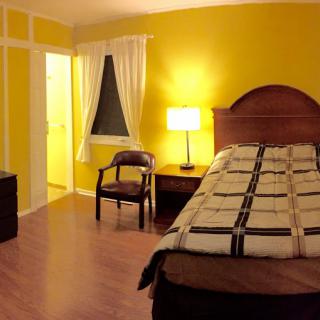




 Seniors and Modern Transportation: Exploring Uber, Lyft, and Other Ride-Hailing Options
 Comprehensive Guide to Qualifying for Home Health Care Services
 Powerful Realities of Elder Abuse and the Most Effective Ways to Report It