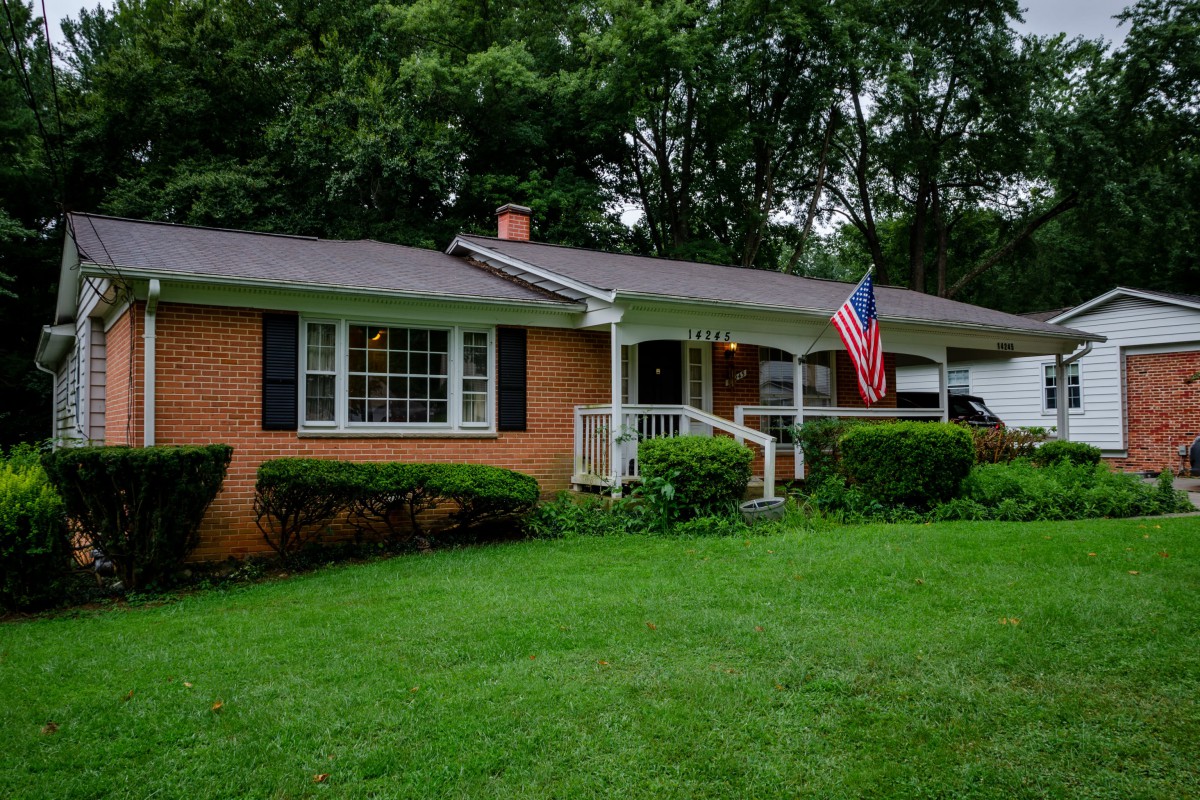
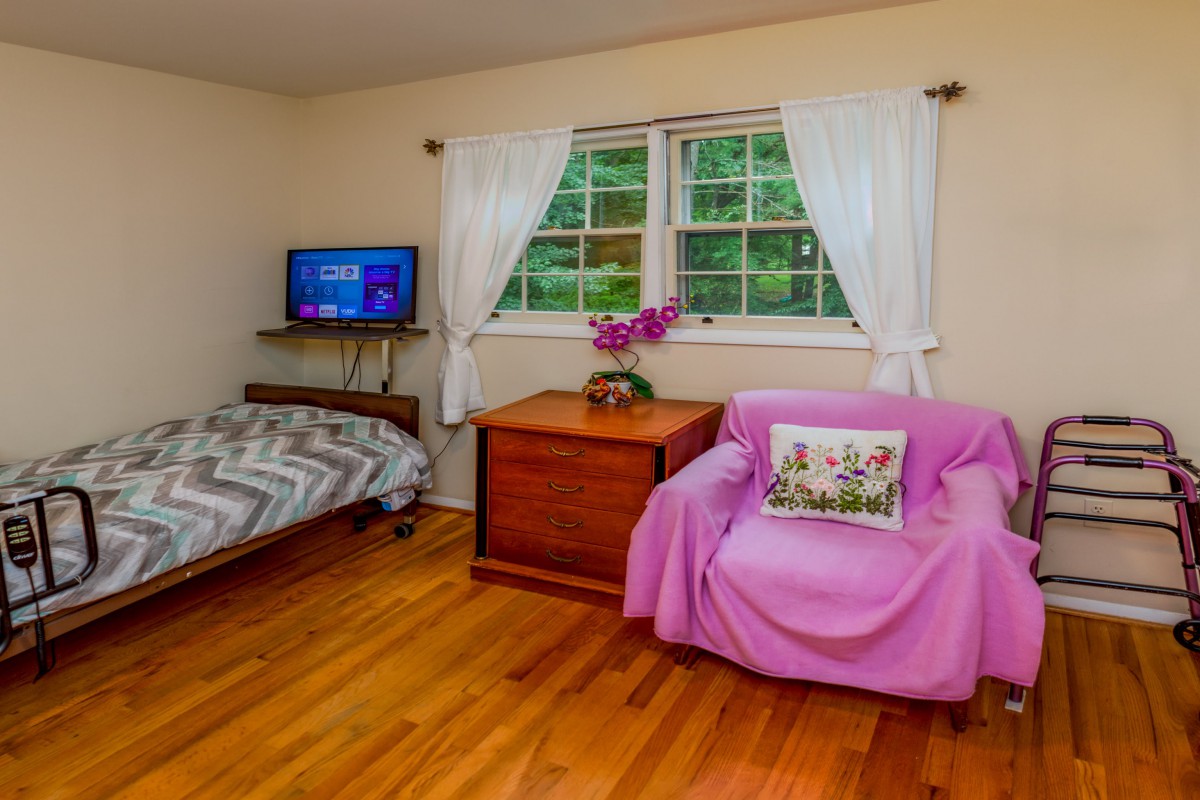
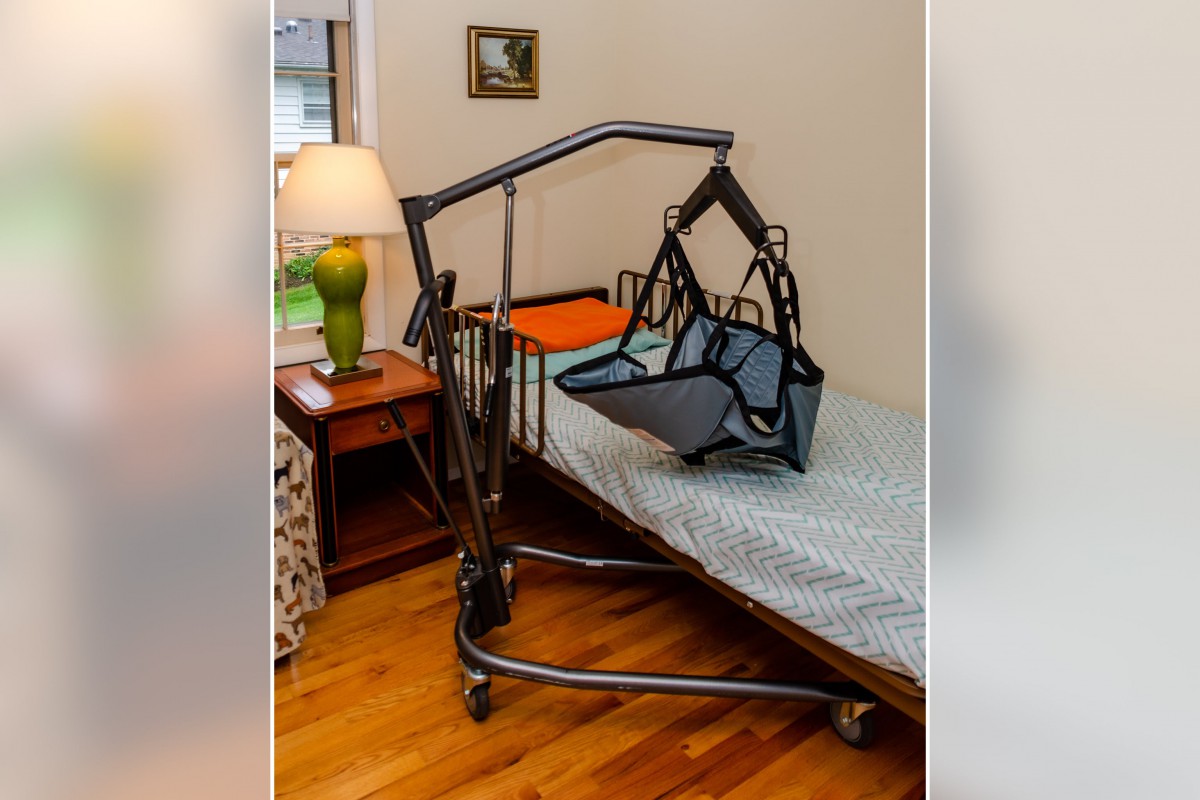
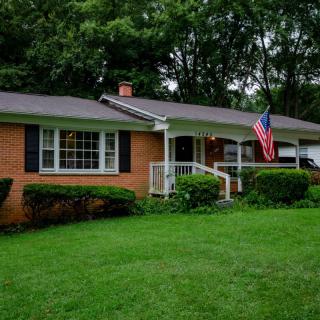
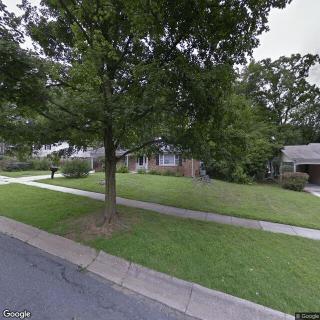
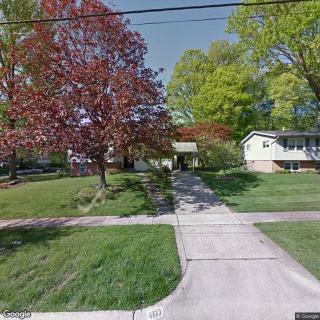
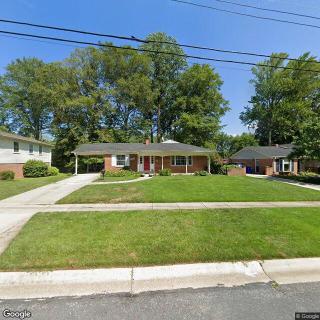
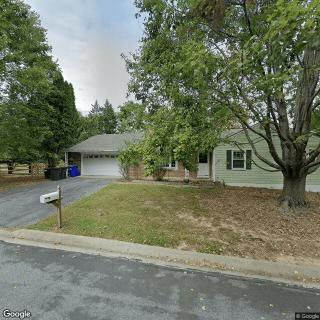
14245 Briarwood Terrace, Rockville, MD 20853
For more information about senior living options: (866) 208-4318
An An Assisted Living II Costs & Pricing
An An Assisted Living II offers competitive pricing for its private rooms at $4,500 per month, which is notably more affordable than the average monthly cost in Montgomery County at $5,009. When compared to the broader state average in Maryland of $4,112, An An Assisted Living II provides a valuable option for families seeking quality assisted living without straining their budgets. This positioning not only highlights the facility's commitment to accessible care but also reflects a keen understanding of the local market dynamics. Overall, residents can expect personalized care and a supportive community while benefiting from a more economical choice within the region.
| Floor plans | An An Assisted Living II | Montgomery County | Maryland |
|---|---|---|---|
| Private | $4,500 | $5,009 | $4,112 |
Assisted Living communities with a similar price nearby
-
from -$500 / mo

Catherine's House
$4,000 / month13.7 miles away -
from -$500 / mo
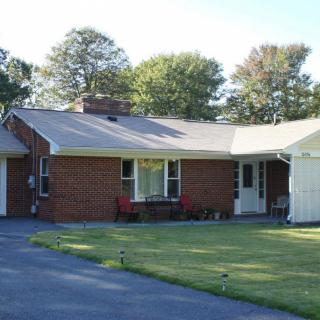
Montgomery Eldercare I
$4,000 to $5,900 / month5.4 miles away -
from +$700 / mo
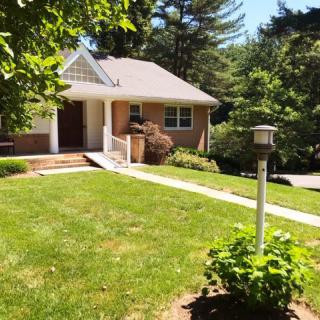
Avalon House On Laburnum Street
$5,200 / month11.1 miles away -
from +$500 / mo
Necitas
$5,000 to $5,500 / month4.6 miles away -
from -$700 / mo
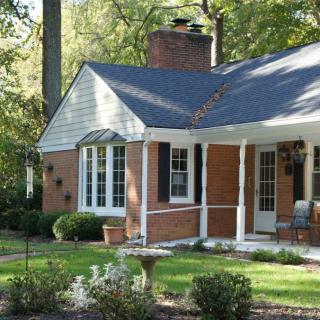
Montgomery Eldercare II
$3,800 to $5,000 / month5.8 miles away
Overall Review of An An Assisted Living II
Pros
 They are really accommodating and caring.
- The owner is hands-on and handles all the paperwork.
- The staff are qualified, and the RN who owns and operates the facility is competent.
- The staff are absolutely fantastic and have gone out of their way during the pandemic to help stay in touch with loved ones through phone calls.
Review
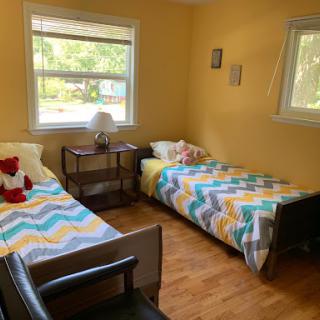
An An Assisted Living II in Rockville is best suited for families seeking a small, hands-on, owner-operated setting where care is personal, accountable, and openly communicated. The facility reads like a tightly run home rather than a generic campus: the owner is deeply involved in day-to-day operations, including handling paperwork, and a qualified RN supervises clinical decisions. For a resident who thrives on a predictable routine, familiar staff, and rapid access to someone who can address concerns, this arrangement can feel like a secure extension of a family at home. The strengths lie in the clarity of who is responsible for what, and in the sense that staff know residents well and respond with warmth and immediacy.
However, this model may not fit every situation. Families with a loved one who requires high-acuity medical care on a constant basis or who needs specialized memory-care programming may want alternatives. Larger communities sometimes offer a wider menu of specialized therapies, more diversified activity schedules, and back-up staffing to cover all shifts. If a resident would benefit from more structured programming, extended social opportunities, or on-site nursing around the clock, exploring other options ensures expectations align with reality.
Still, the standout pros are hard to ignore: staff are described as caring, attentive, and consistently available; the owner’s hands-on approach limits miscommunication and speeds problem resolution; the RN-owner provides essential clinical oversight; and families can rely on direct communication and straightforward handling of administrative tasks. These strengths can substantially offset typical trade-offs of a small setting, limited space, fewer amenities, and potential gaps in coverage during off-hours. The result is a community where residents feel known, safety feels tangible, and families receive timely updates rather than waiting for a quarterly report.
Clinical leadership matters: an RN who owns/operates the facility is not merely a credential but a practical guarantee that medication management, health fluctuation responses, and care plan adjustments occur under recognized authority. Combined with the owner’s willingness to handle paperwork personally, this creates a streamlined experience for families overwhelmed by forms and approvals. The staff’s willingness to go the extra mile for communication, phone calls, updates, and direct contact pathways, adds a layer of reassurance for loved ones who cannot be on-site daily.
Decision-makers should anchor their assessment around the resident profile. For seniors who prize a home-like environment, consistent caregiver relationships, and quick, direct access to a decision-maker, this community delivers. For those who need expansive amenities, diverse programming, or specialized care tracks (memory care, post-acute rehab), this may feel limited. The balance rests on whether the family values immediacy and accountability over breadth of services. In short, this is a strong fit for people who treat the owner-operator model as a feature, not a limitation.
Practical next steps: arrange a thorough visit with the owner and key staff; observe interactions with residents; ask concrete questions about staffing ratios, on-call coverage, and how medical changes are escalated; verify what services are included in the monthly rate and what would trigger additional charges; request recent references from families; discuss trial stays or short-term respite to assess fit. If the aim is a warm, responsive home with clear ownership and solid clinical oversight, An An Assisted Living II should be on the short list. If the resident requires more comprehensive nursing coverage or a broader activity calendar, still keep a few alternative options in view.
 5 resident community capacity
 Assisted Living
 Board and Care Home
 Activities on-site
 Air-conditioning
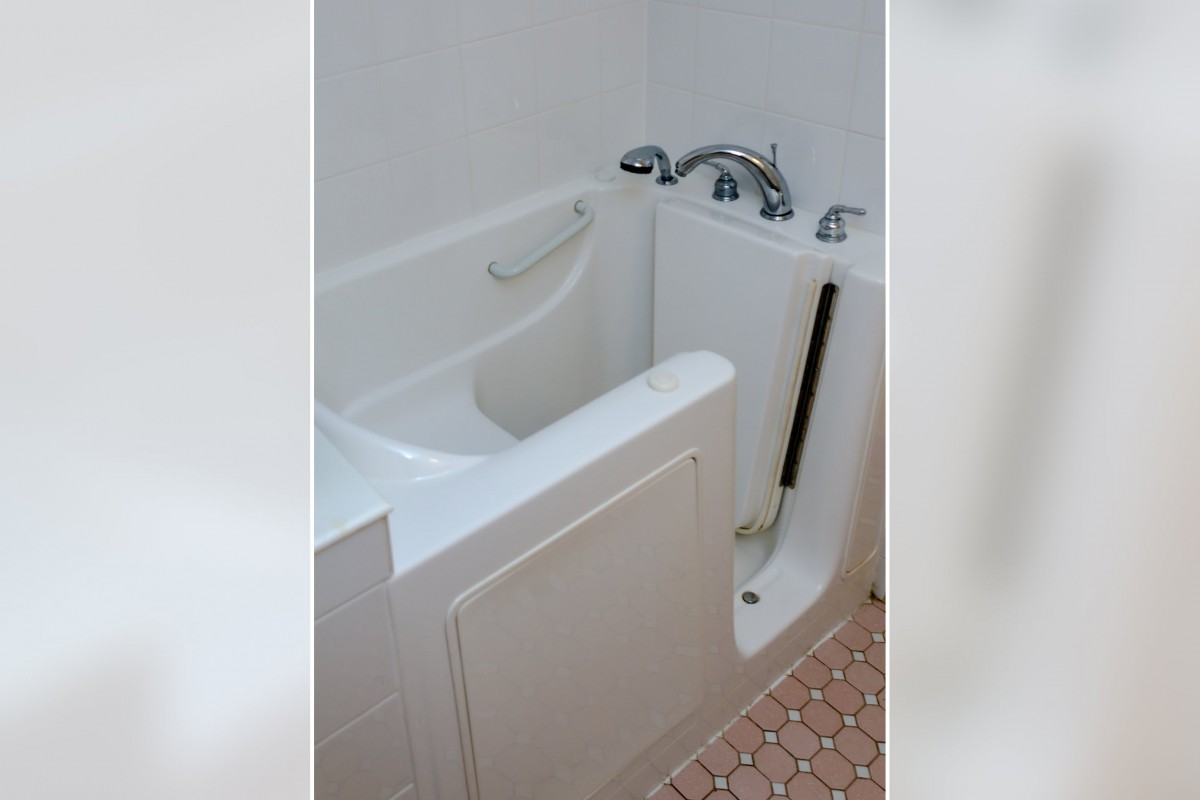
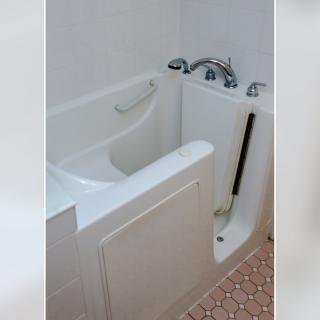
 Bath tubs
 Cable or satellite TV
 Devotional services off-site
 Dining room
 Full kitchen
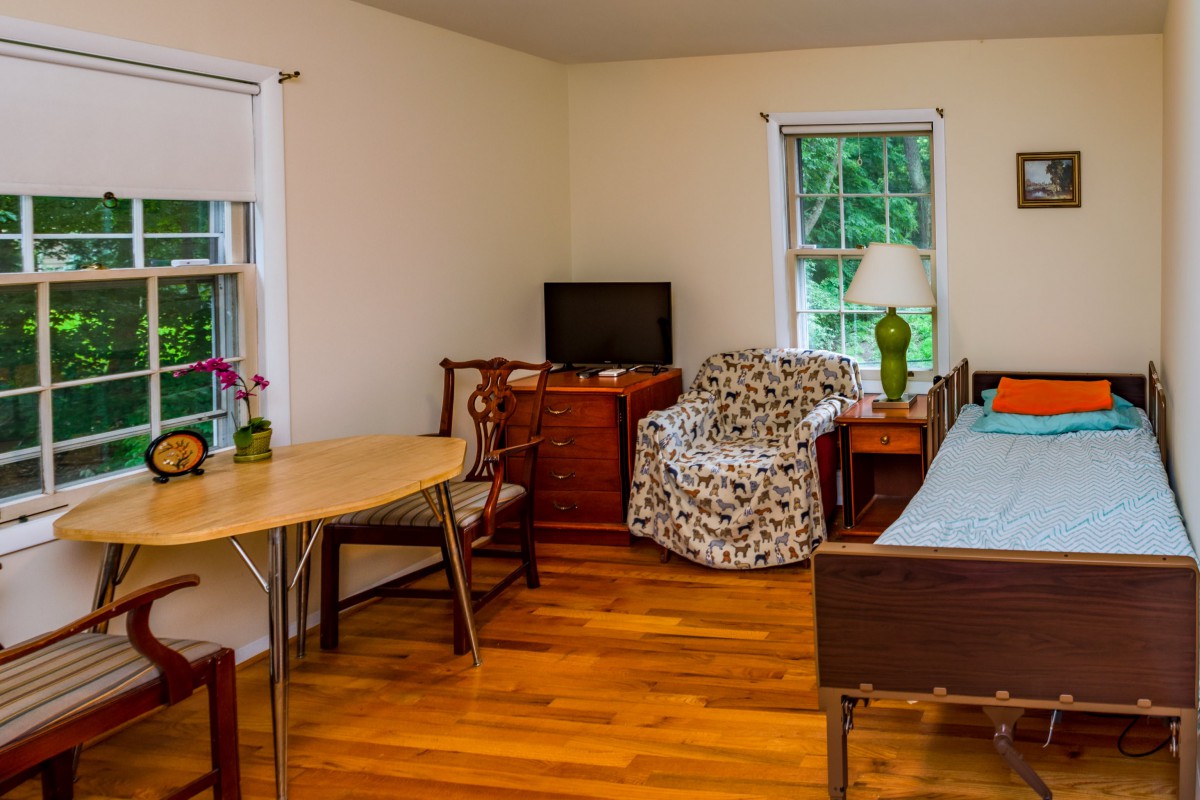
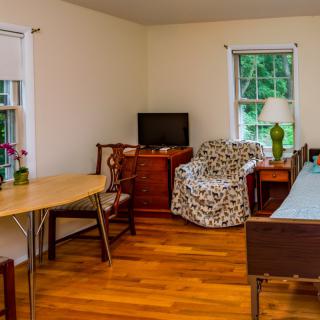
 Fully furnished
 Garden
 Ground floor units
 Handicap accessible
 Housekeeping services
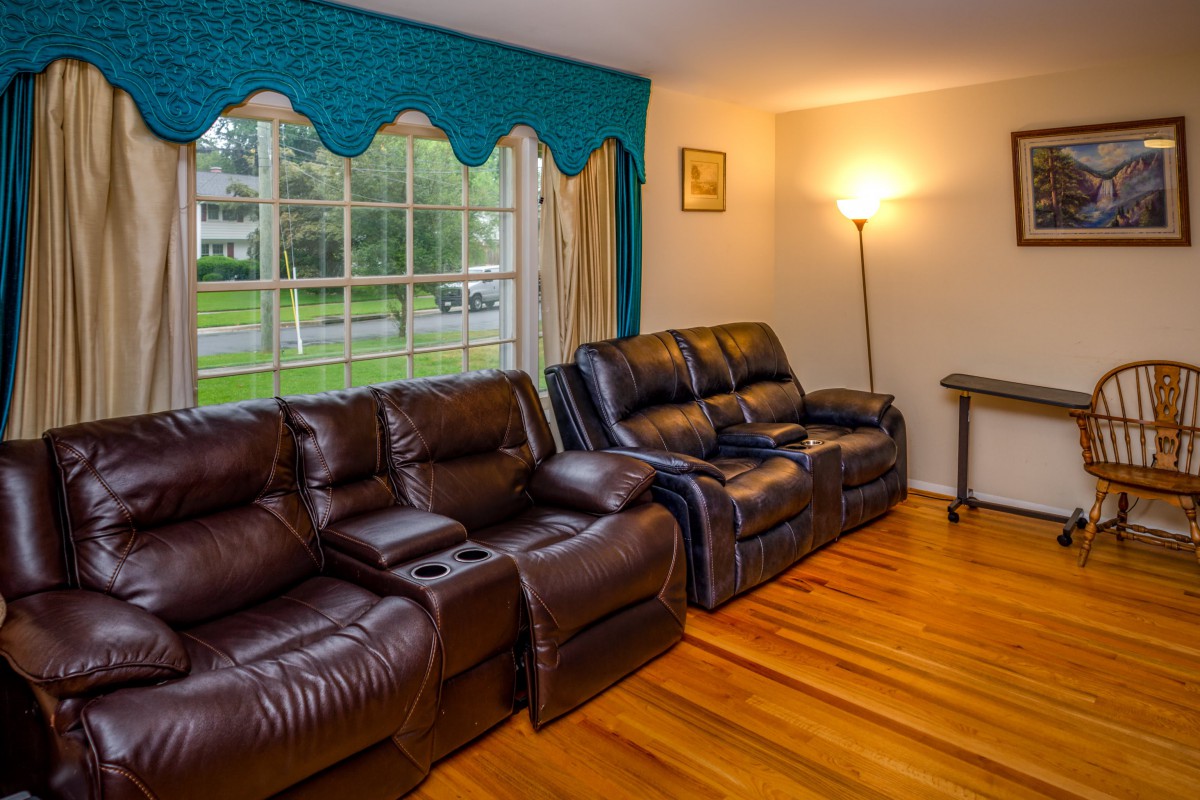
 Indoor common areas
 Move-in coordination
 Outdoor common areas
 Private
 Private bathrooms
 Private patio, deck, or balcony
 Swimming pool / hot tub
 Telephone
 Wheelchair accessible showers
 Wi-Fi/high-speed internet available
 Ronald Reagan Washington National (17 miles away)
 24-hour supervision
 Assistance with bathing
 Assistance with dressing
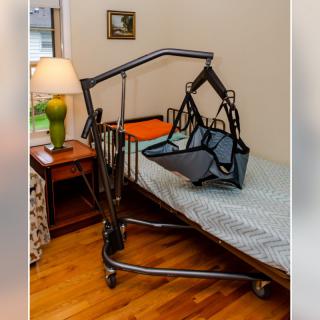
 Assistance with transfers
 Diabetes diet
 Diabetic care
 High acuity care
 Incontinence care
 Meal preparation and service
 Medication management
 Special dietary restrictions
 Transportation arrangement (medical)
 Transportation to doctors appointments
 Birthday parties
 Live well programs
 Visiting chaplain or priest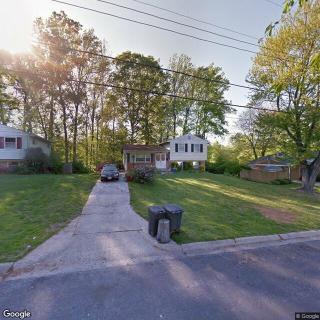


 Social Security Benefits and Assisted Living: Navigating Options Across the U.S.
 An Extensive Exploration of the VA Aid and Attendance Benefit
 Senior Transition Services: Understanding Their Role, Cost, and Importance