For more information about senior living options: (866) 208-4318
3.6 from 43 reviews
5 stars
26
4 stars
2
3 stars
0
2 stars
1
1 stars
14
Hope Costs & Pricing
In Hope, the monthly cost for a studio apartment stands at $3,750, which is notably more affordable than both Howard County and the broader state of Maryland. In Howard County, the same studio would set tenants back approximately $4,179, while the average rent across Maryland reaches around $4,656. This pricing advantage in Hope not only makes it an attractive option for potential renters but also reflects a strategic positioning within the regional housing market. Such costs could appeal to individuals seeking high-quality living accommodations without the premium associated with nearby areas.
Floor plans
Hope
Howard County
Maryland
Studio
$3,750
$4,179
$4,656
Assisted Living communities with a similar price nearby
Residents and families frequently describe staff as caring and helpful during recovery.
Many reviews praise the staff for treating clients with compassion, helping them through the program, and making people feel welcome. Several reviewers specifically call out counselors, nurses, and supervisors as supportive and responsive to needs. A smaller set of reviews, however, describe rudeness or lack of compassion, so experiences vary.
caveat7 reviews mention this
Admissions communication can disappoint
Some families report problems getting answers or help through the phone and admissions process.
Several reviews describe difficulty reaching someone by phone, long waits, or admissions staff being argumentative or rude. Some families say they were turned away after spending significant time on calls and logistics, and others describe repeated calls for status updates. One review also describes delays and a lack of sensitivity during a family crisis.
differentiator4 reviews mention this
Program structure is emphasized
The program’s structure and rules come up repeatedly, including restrictions on personal items.
Multiple reviewers mention structure as a key part of the experience, including reminders that this is a recovery environment with clear boundaries. One reviewer describes restrictions like rules around clothing and taking items such as cell phones. Other reviews echo that there are expectations and that the approach is not “anything goes,” which some people view as helpful.
caveat2 reviews mention this
Rules feel strict to some
A few reviewers say the facility’s strictness can feel rigid during the stay.
One review describes rules that can be enforced even in situations like summer clothing, plus limitations on what can be brought in. Another reviewer frames the program as not meeting everything some people want, even while acknowledging it covers what they need. Overall, strictness appears to be a potential tradeoff rather than a universally positive aspect.
How we summarize
Counts show how many written reviews mention each theme; a review can touch several themes, and only frequently mentioned themes are displayed.
Features
Housing
8 resident community capacity
Types of Care
Assisted Living
Amenities
Cable or satellite TV
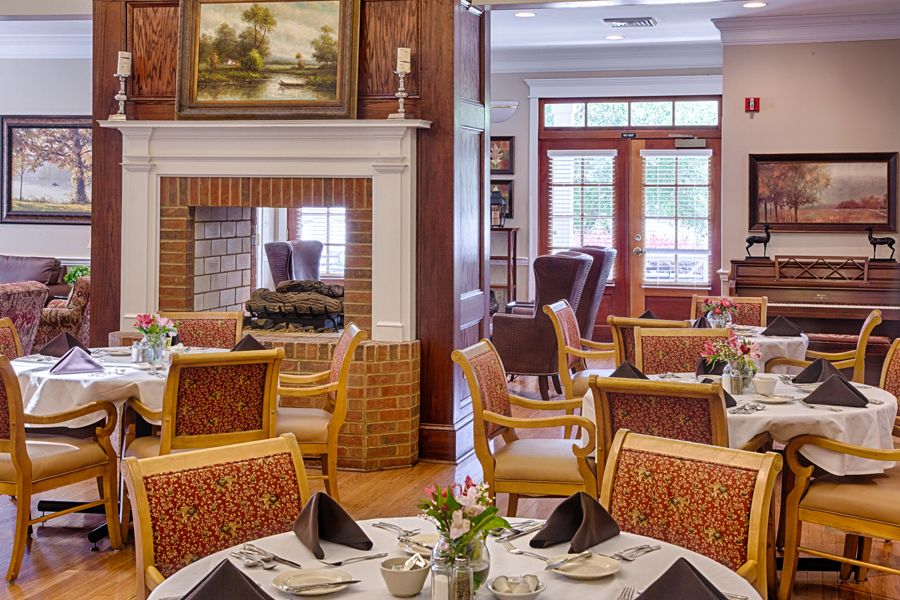
Dining room
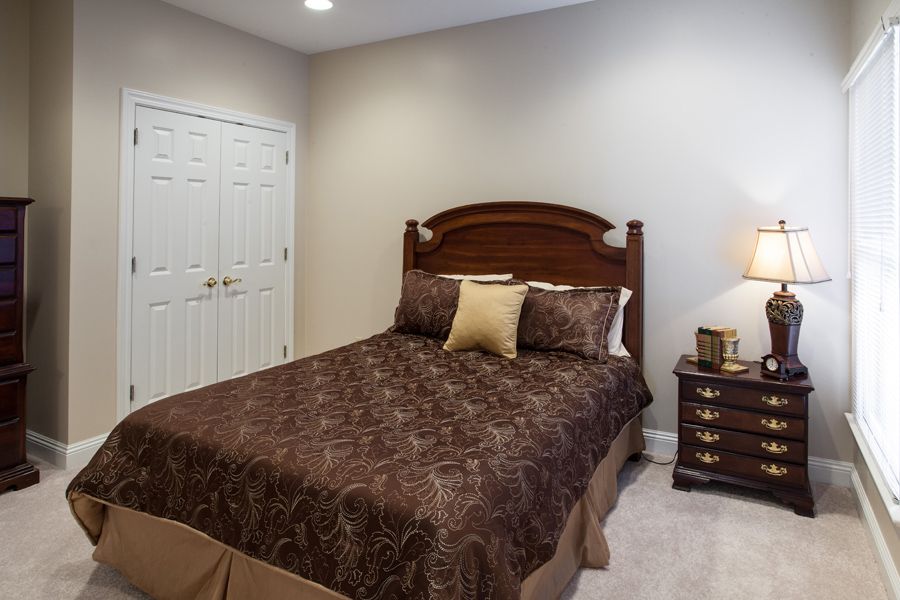
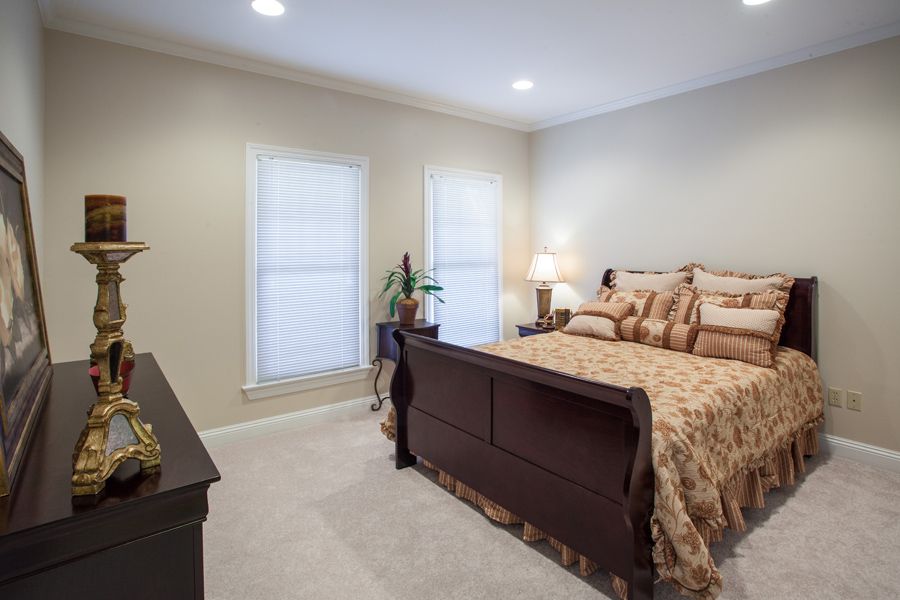
Fully furnished
Garden
Housekeeping services
Move-in coordination
Outdoor space
Telephone
Wi-Fi/high-speed internet available
Transportation
Baltimore-Washington International (11 miles away)
Ronald Reagan Washington National (20 miles away)
Care Services
24-hour supervision
Activities of daily living assistance
Assistance with bathing
Assistance with dressing
Assistance with transfers
Coordination with health care providers
Diabetes diet
Meal preparation and service
Medication management
Special dietary restrictions
Transportation arrangement (medical)
Transportation to doctors appointments
Dining
Diabetes diet
Special dietary restrictions
Activities
Community-sponsored activities
Scheduled daily activities
Nearby Places of Interest
Parks
High Ridge Park (0.2 miles)
Lake Elkhorn Park (4.9 miles)
Martin Road Park (5.1 miles)
Blandair Regional Park (6.8 miles)
Piney Orchard Nature Preserve (8.4 miles)
Duvall Playground (8.4 miles)
Centennial Park (8.8 miles)
Pharmacies
Walgreens (1.1 miles)
CVS Pharmacy (1.2 miles)
CVS Pharmacy (3.6 miles)
Herbiculture (3.8 miles)
CVS Pharmacy (4.1 miles)
Wegmans (5.4 miles)
CVS Pharmacy (6.4 miles)
Restaurants
First Watch (1.5 miles)
Nestle Ice Cream (1.6 miles)
Looney's Pub (3.5 miles)
Chick-Fil-A (3.7 miles)
Facci Ristorante (3.7 miles)
Taco Bell (4.4 miles)
HomeSlyce (4.5 miles)
Physicians
Allergy Partners of Metro DC (2.3 miles)
Eternal Dermatology (3.6 miles)
Maple Lawn Surgery Center (3.9 miles)
Sheikh, Sarah Capital Womens Care (3.9 miles)
Seton Medical Group (6.8 miles)
Hopkins gastroenterology clinic (6.9 miles)
American Vein Institute (7 miles)
Cafes
Starbucks (4.4 miles)
Starbucks (6.2 miles)
Starbucks (6.4 miles)
Café Nordstrom (7.1 miles)
Starbucks (7.5 miles)
Starbucks (7.5 miles)
Starbucks (7.5 miles)
Hospitals
Kimbrough Ambulatory Care Clinic Main Pharmacy (7 miles)
Howard County General Hospital (7.1 miles)
Howard County General Hospital, Johns Hopkins Medicine (7.1 miles)
In Hope, the monthly cost for a studio apartment stands at $3,750, which is notably more affordable than both Howard County and the broader state of Maryland. In Howard County, the same studio would set tenants back approximately $4,179, while the average rent across Maryland reaches around $4,656. This pricing advantage in Hope not only makes it an attractive option for potential renters but also reflects a strategic positioning within the regional housing market. Such costs could appeal to individuals seeking high-quality living accommodations without the premium associated with nearby areas.
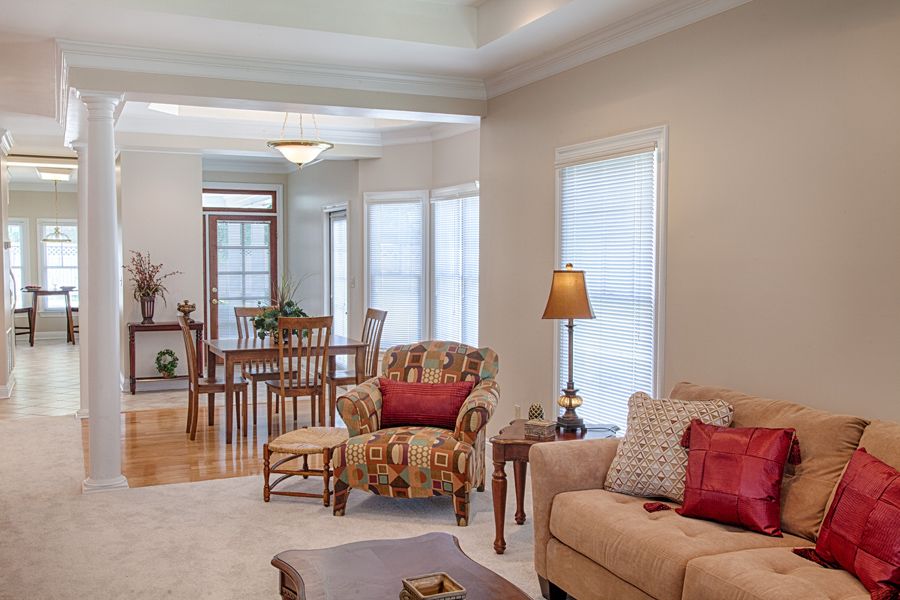
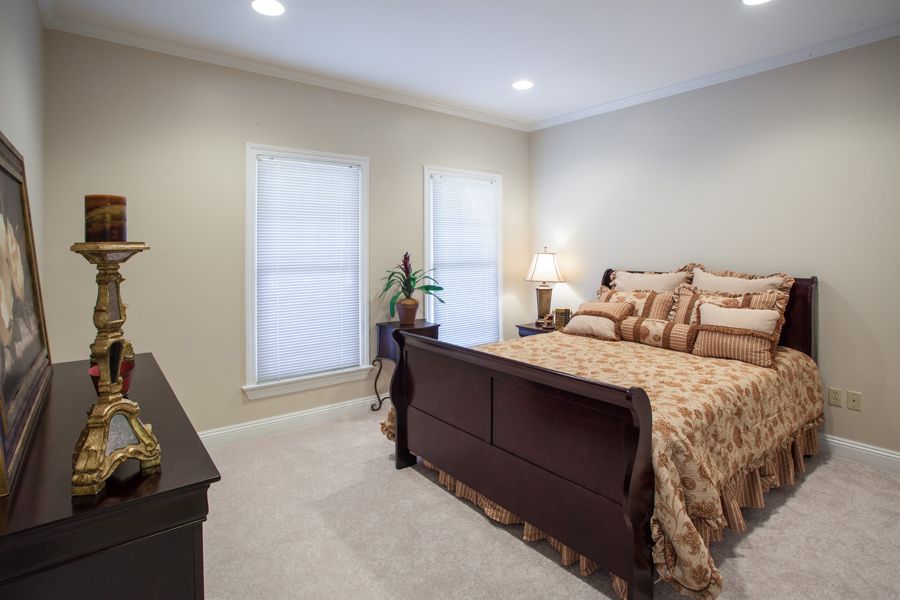
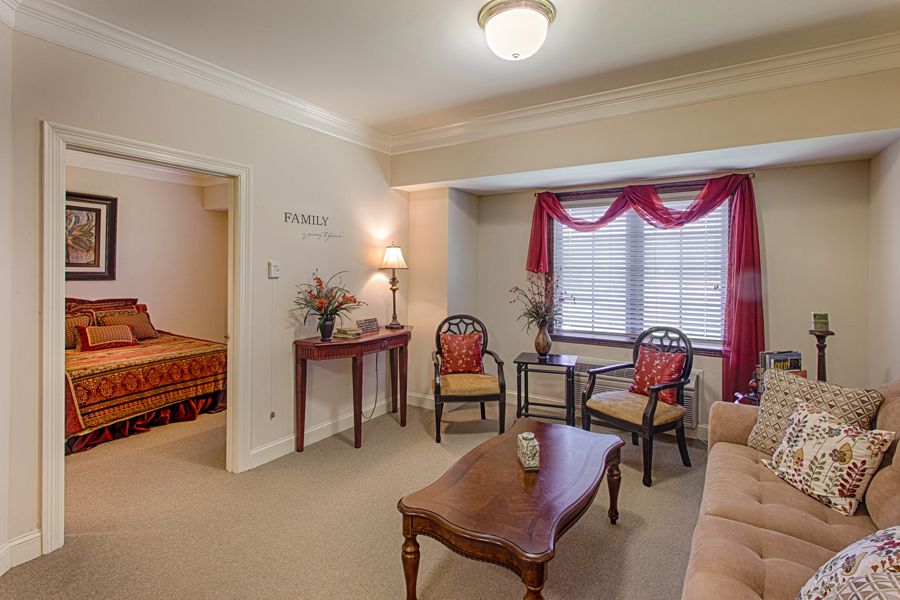
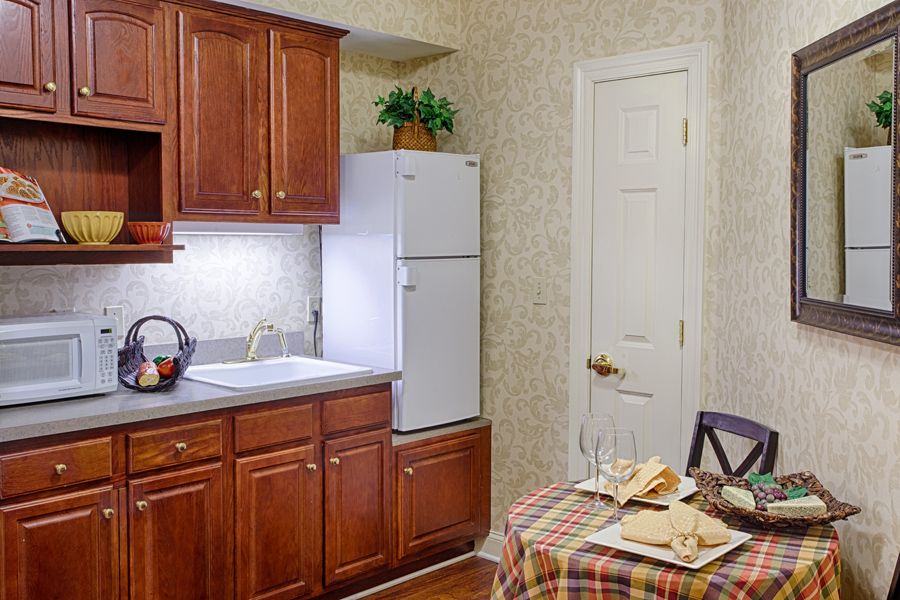
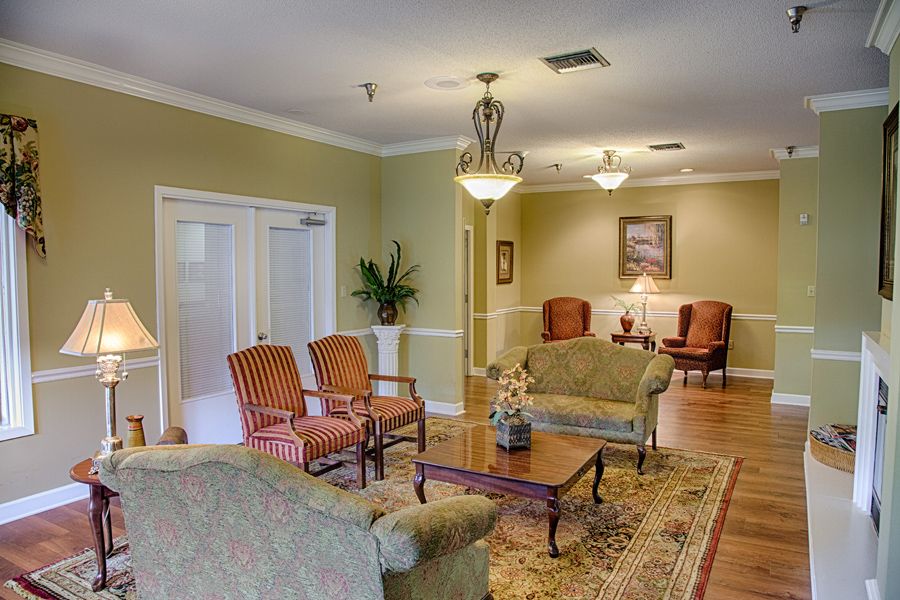
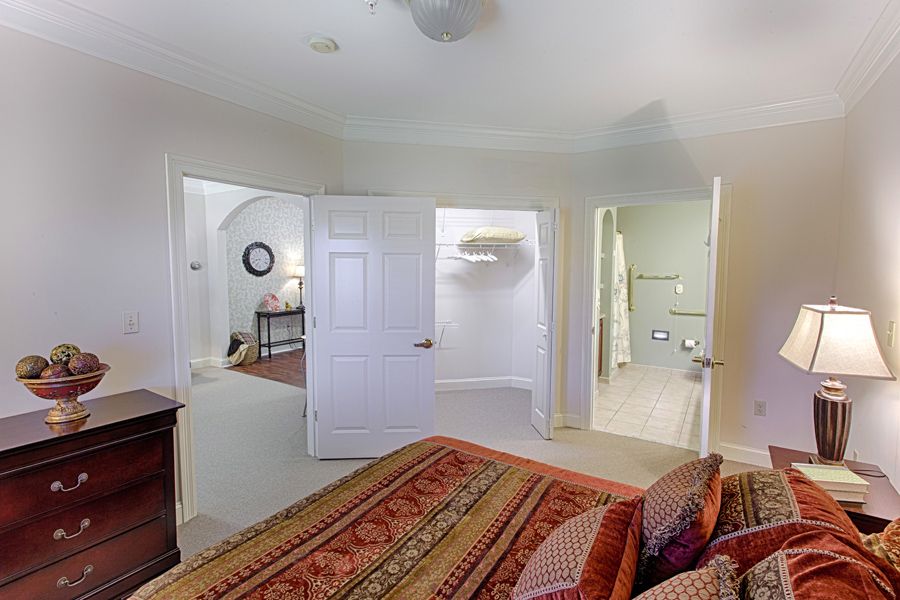
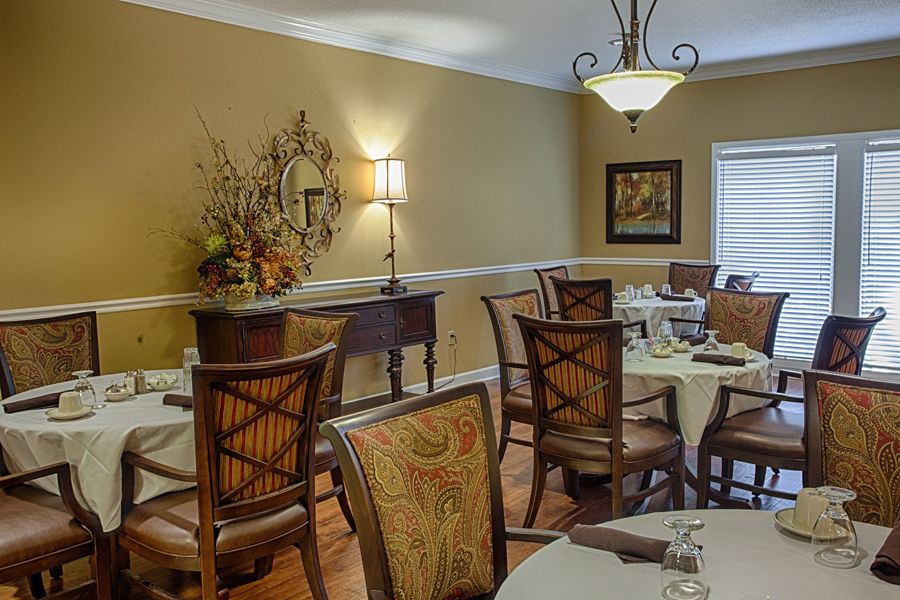
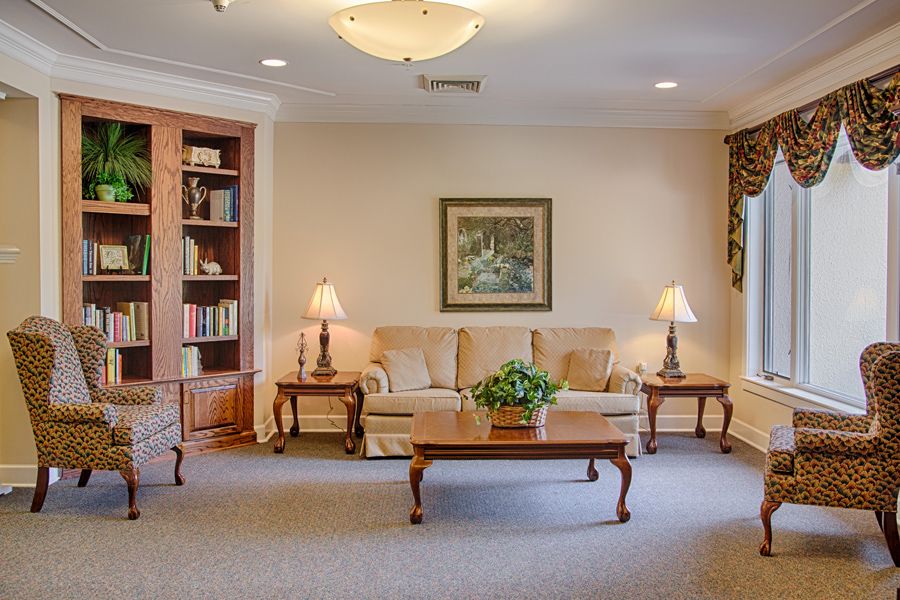
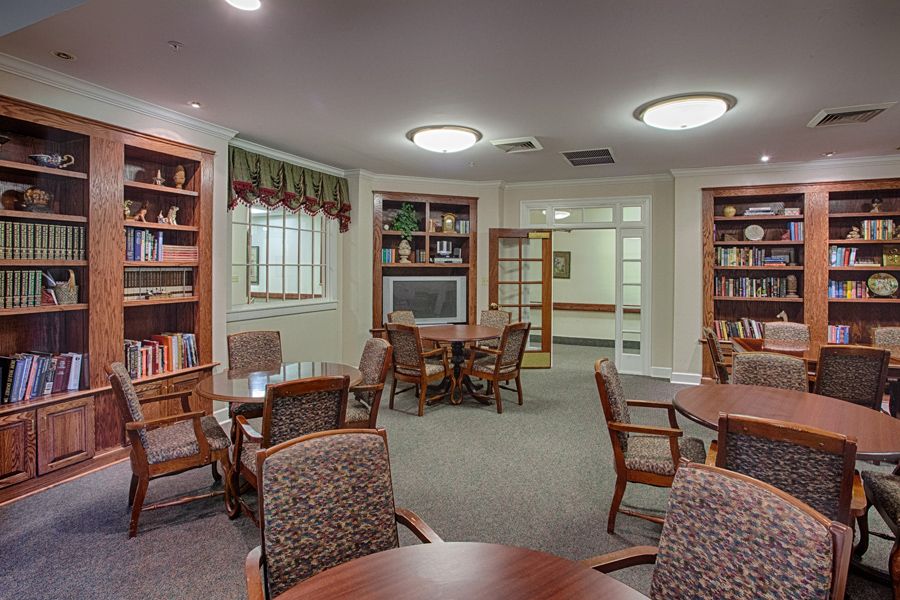
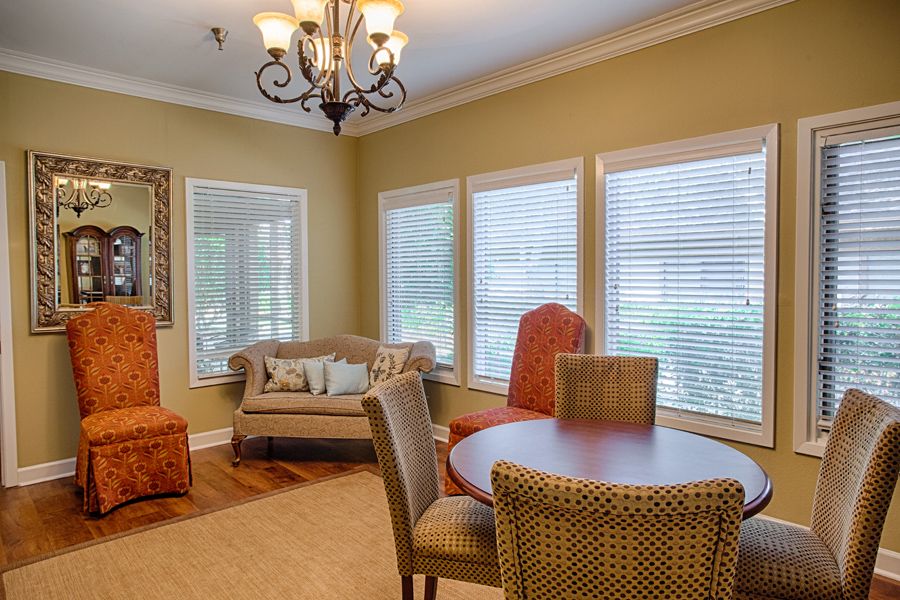
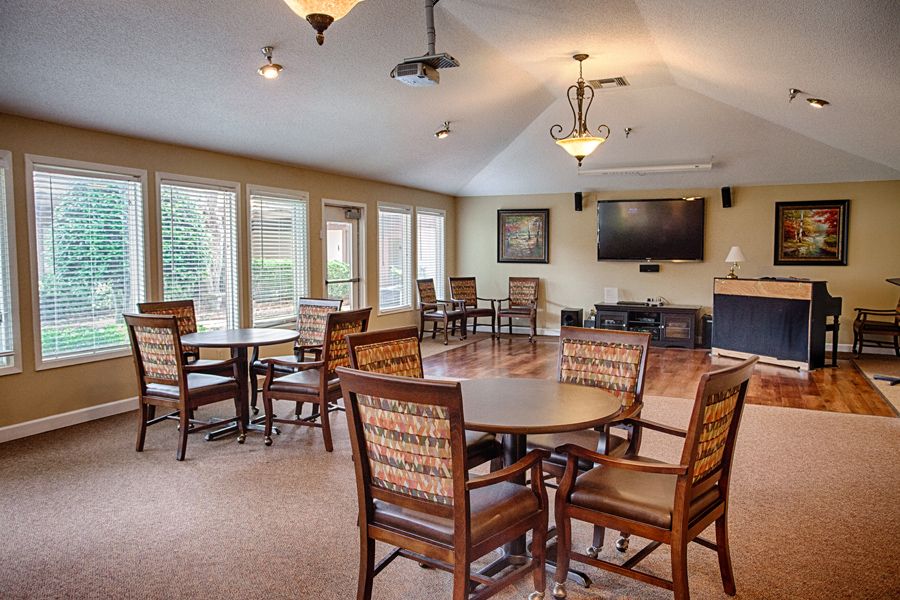
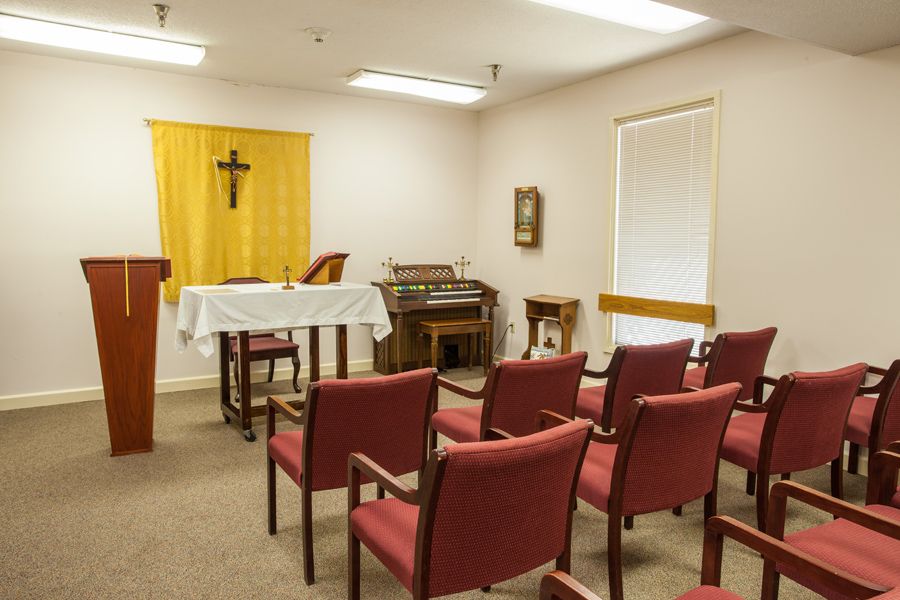
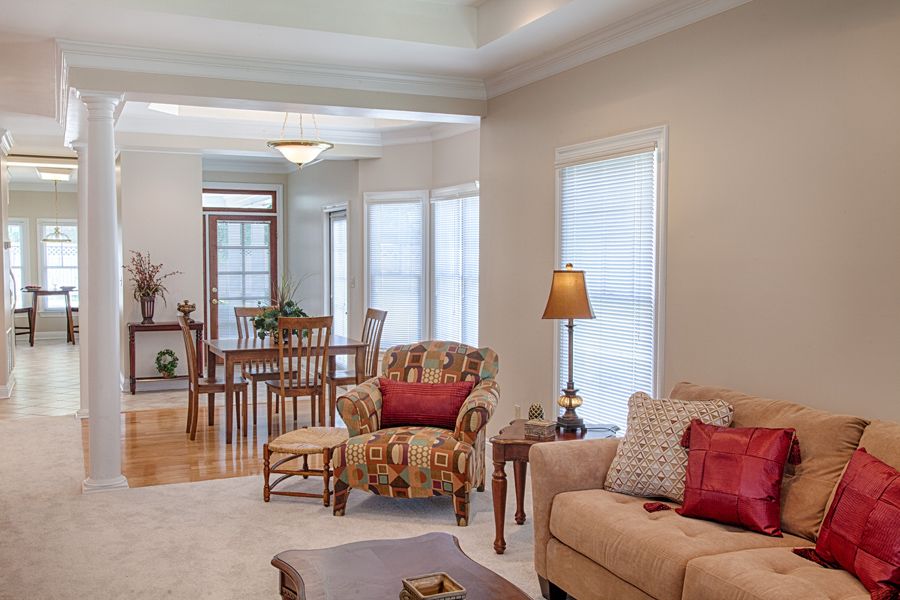
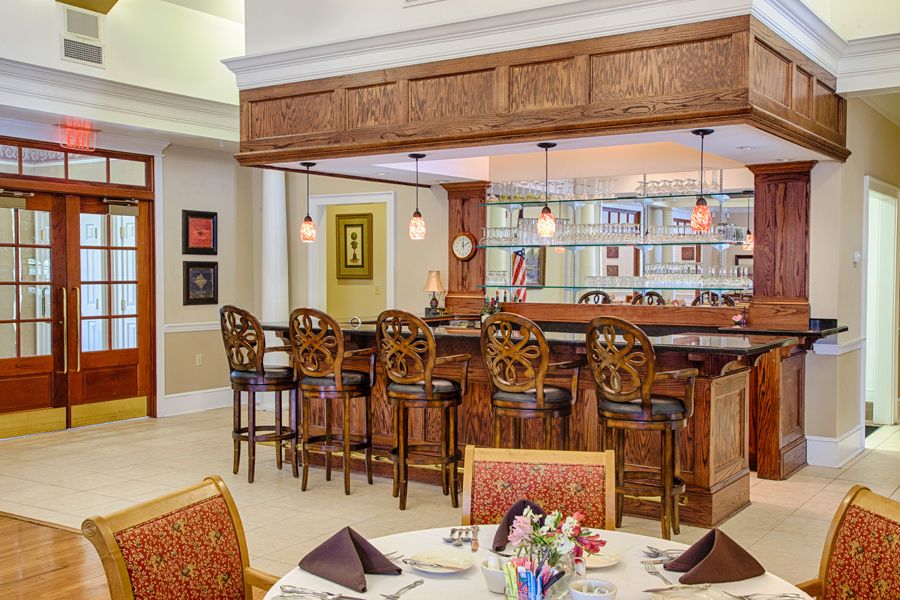
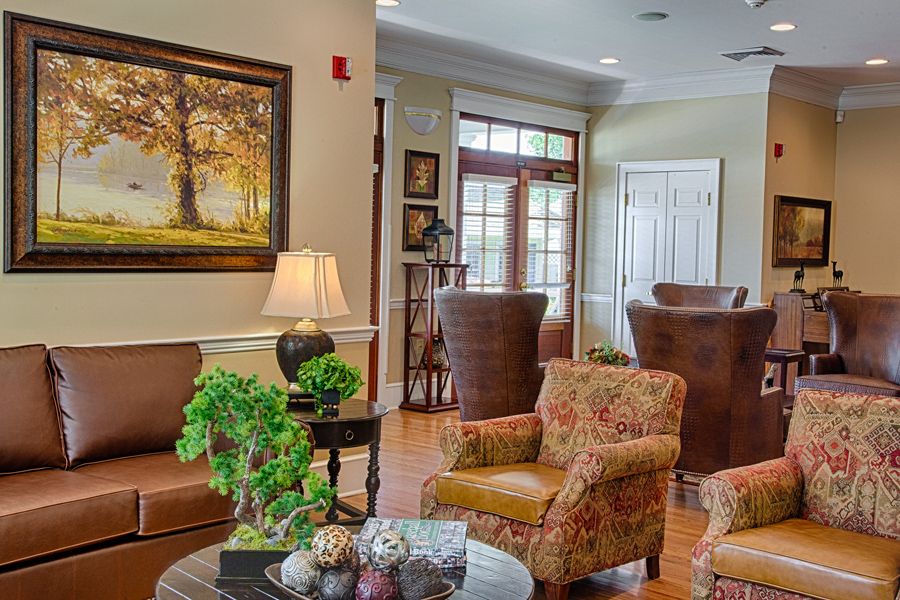
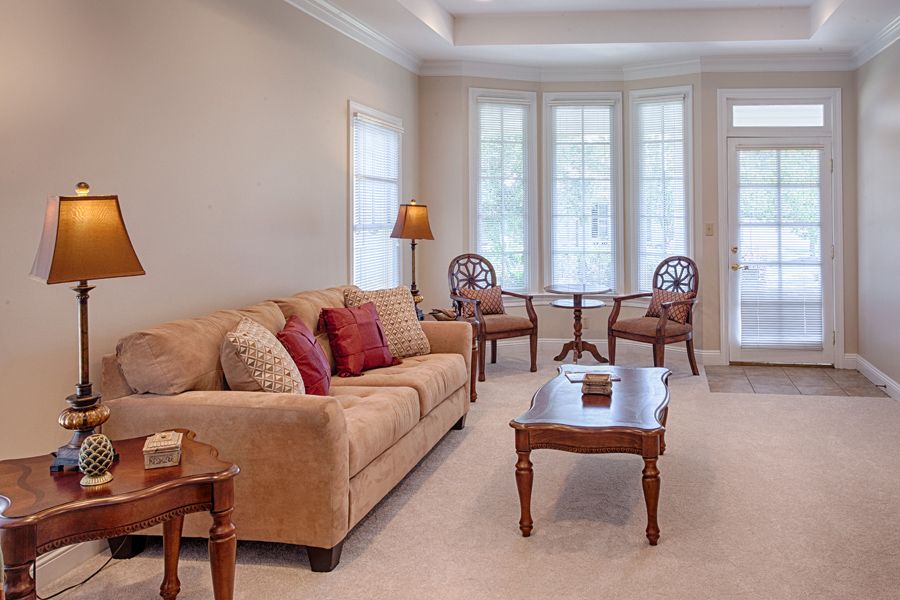
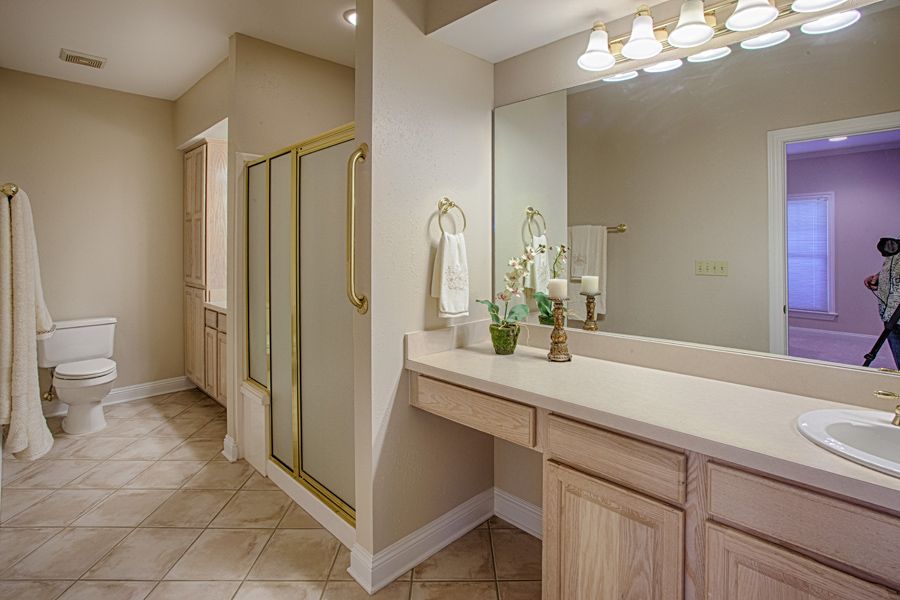
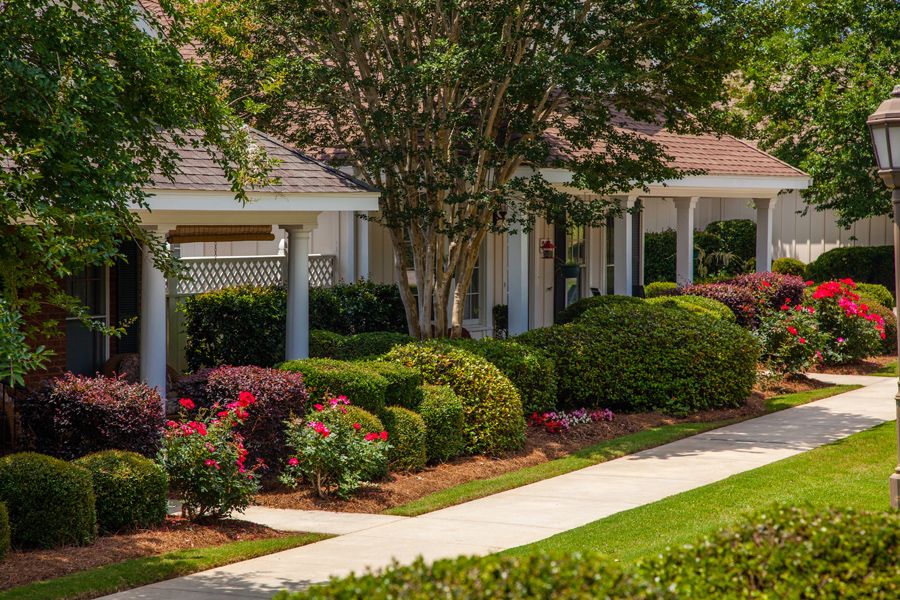
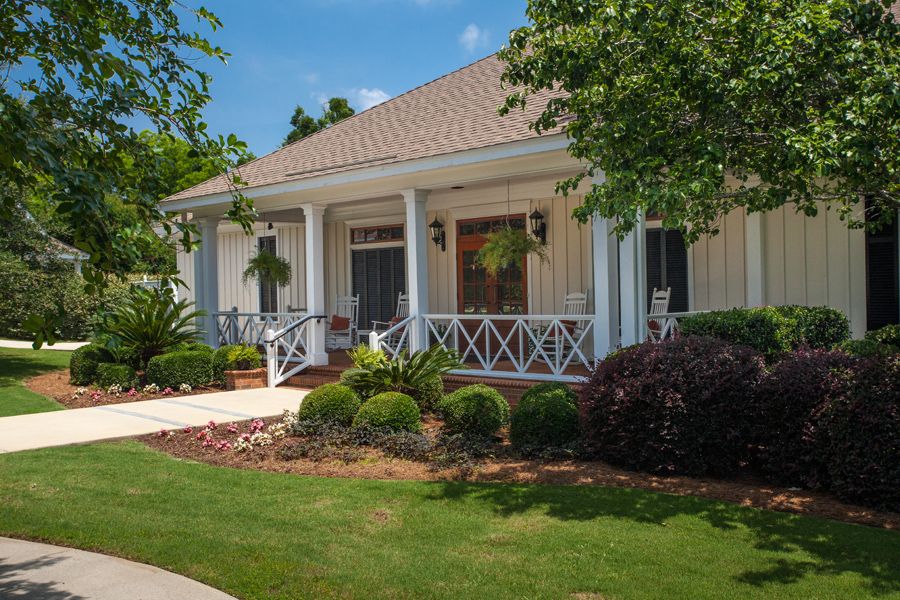
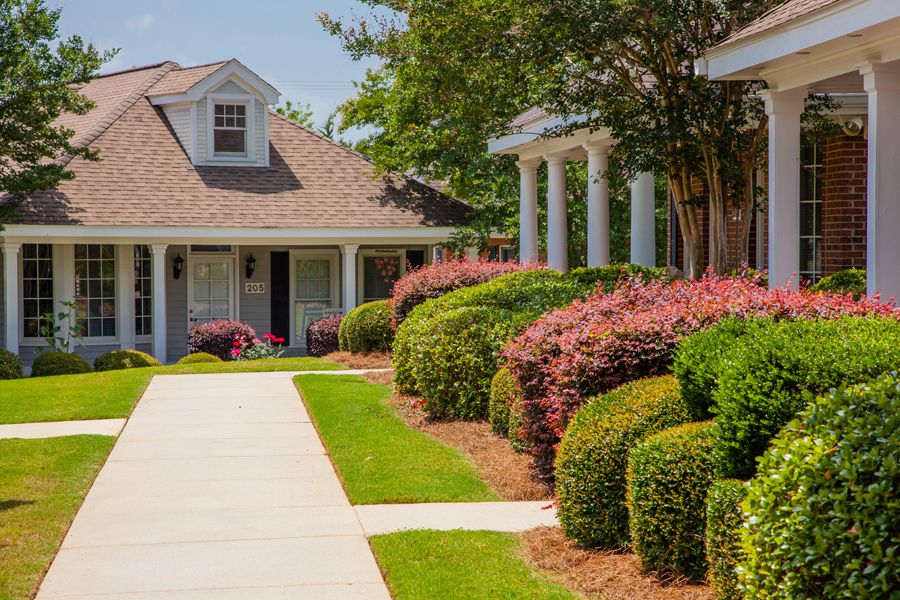
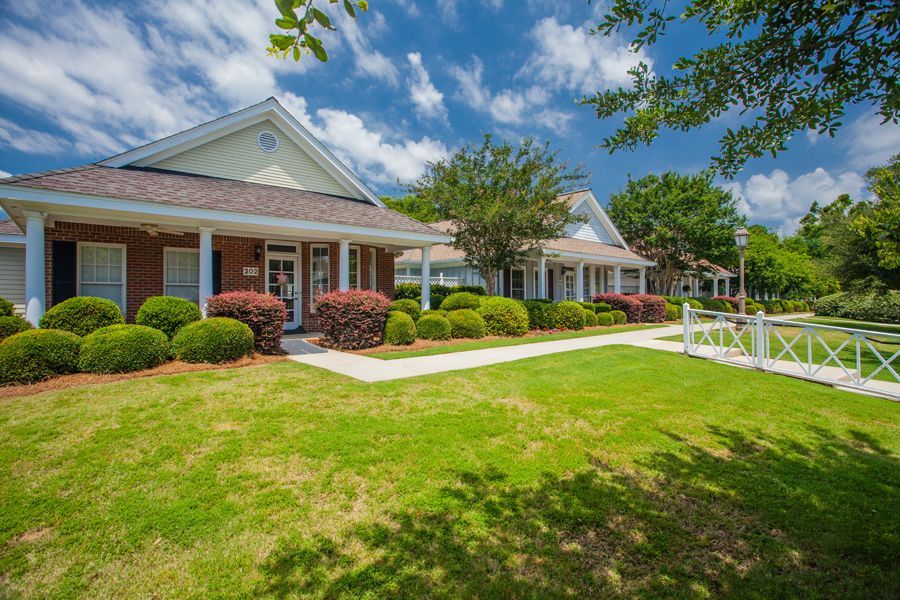
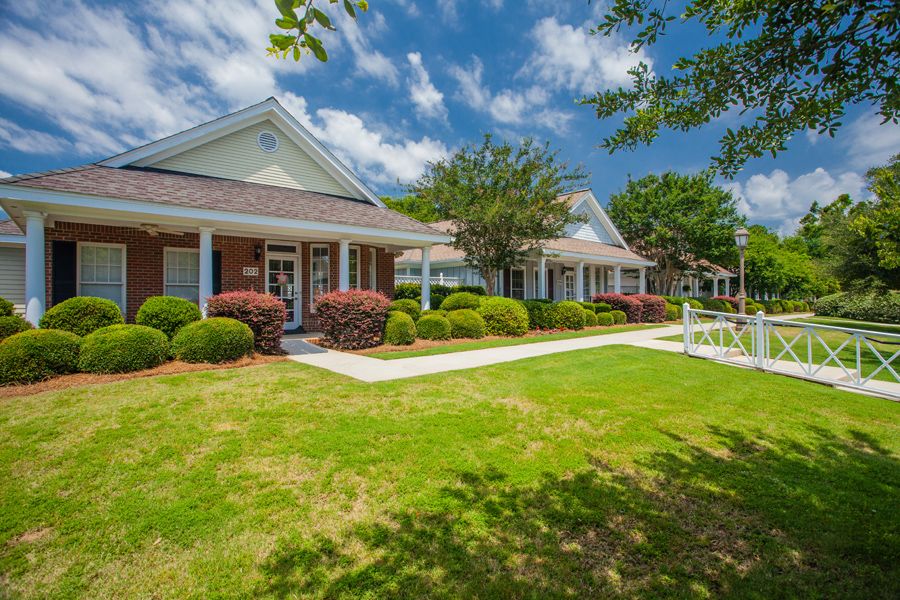
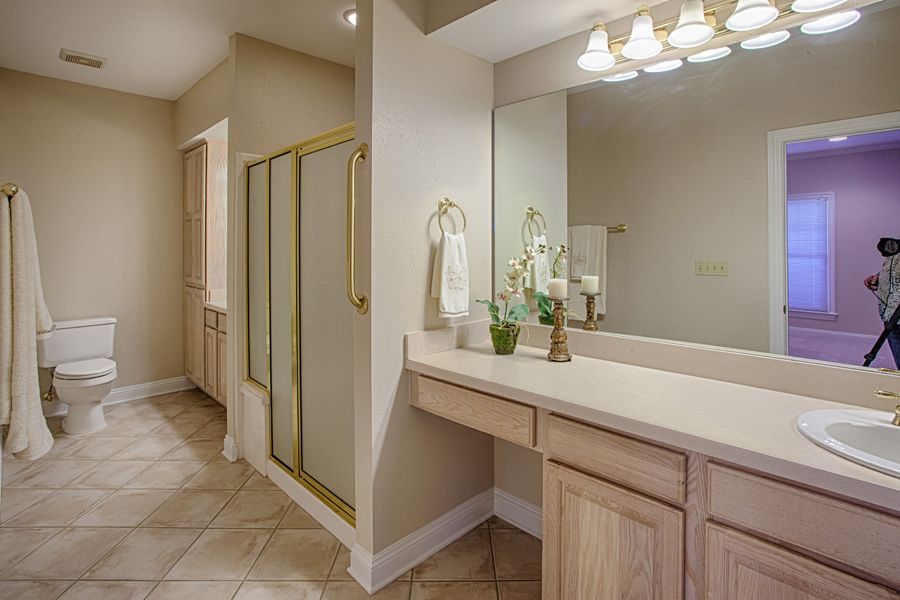
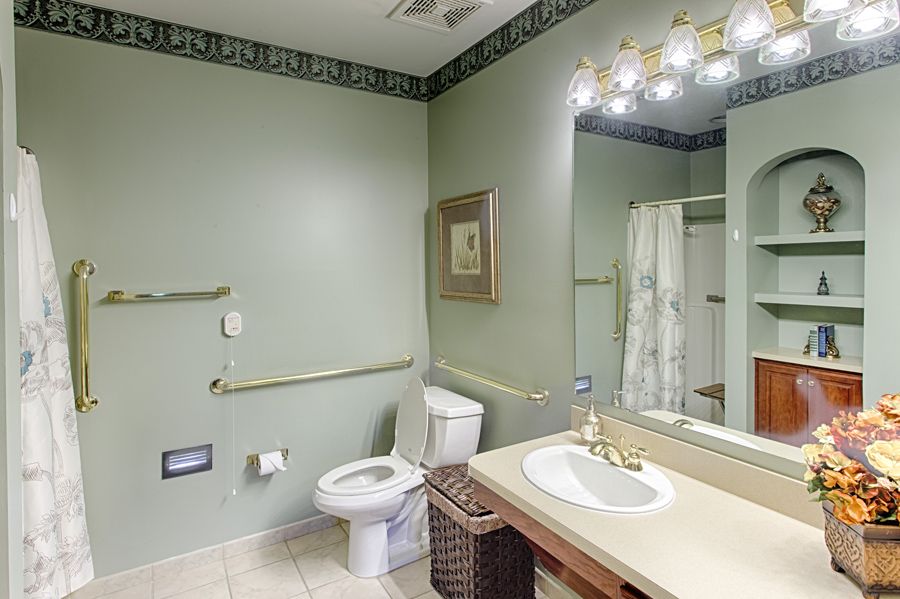
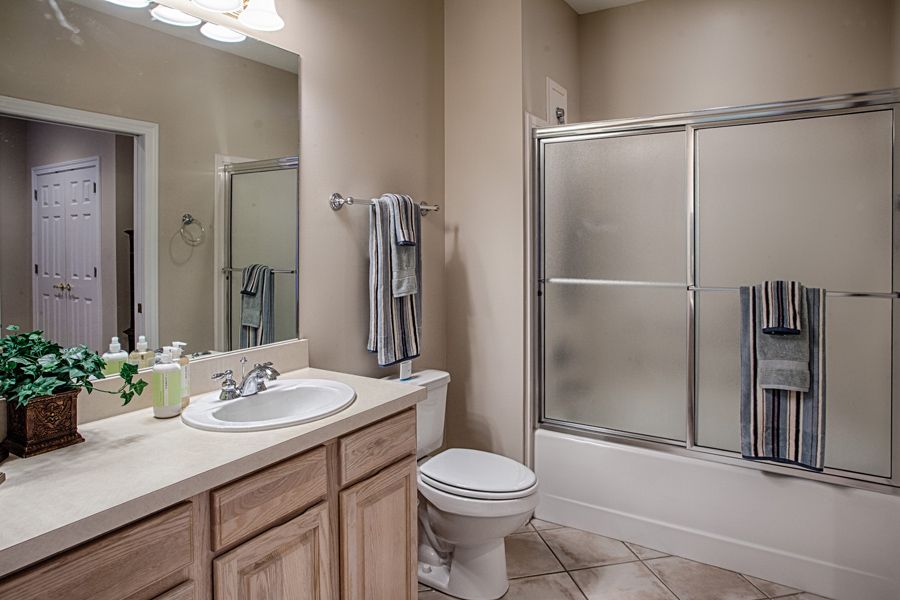
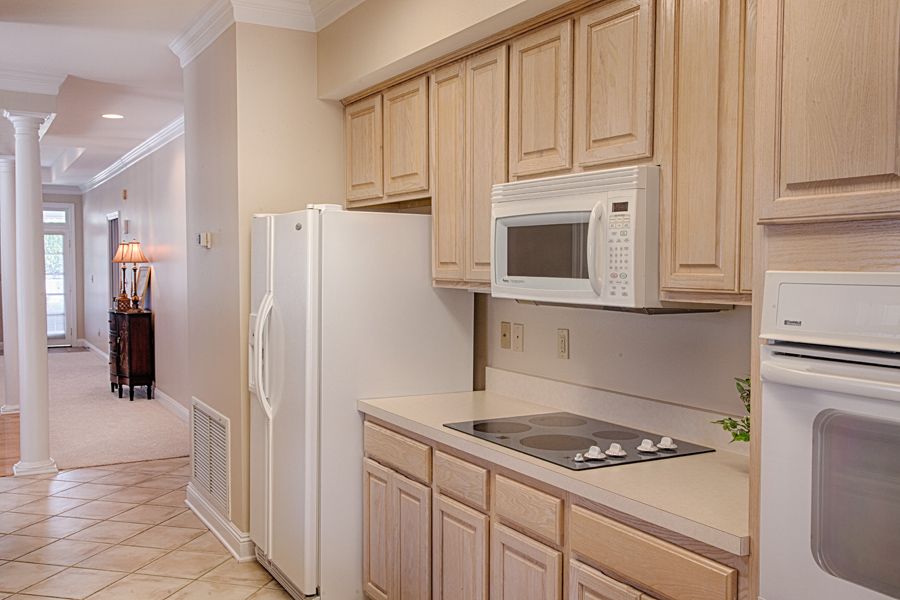
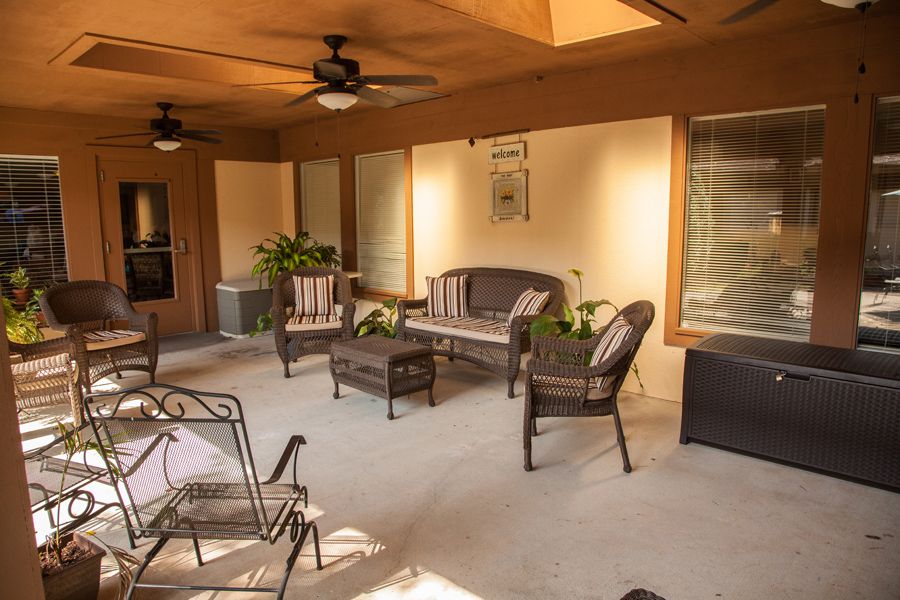
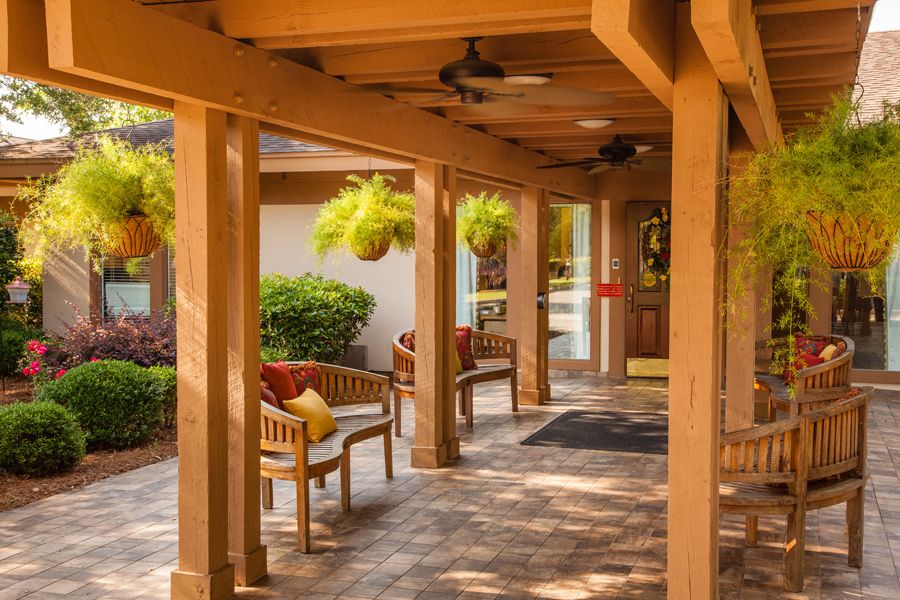
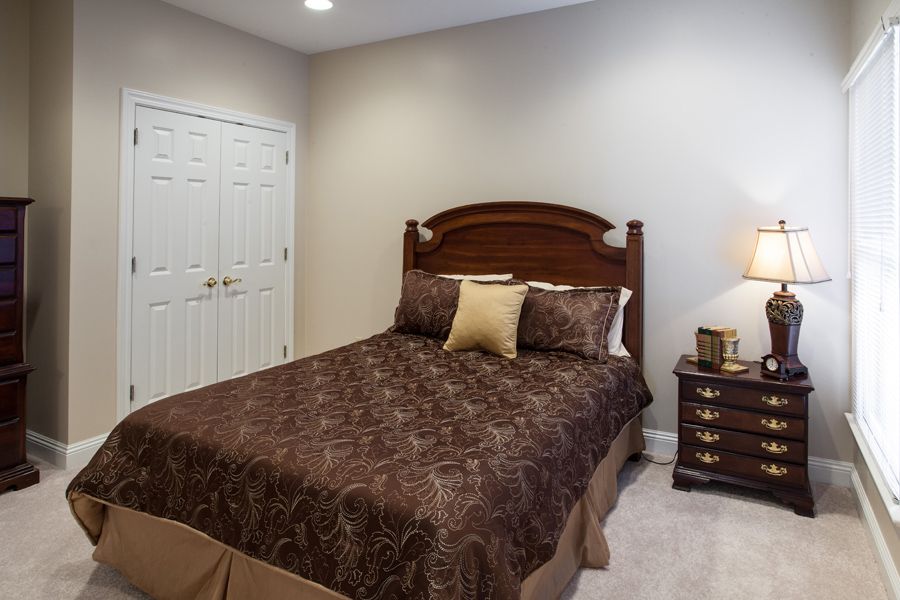
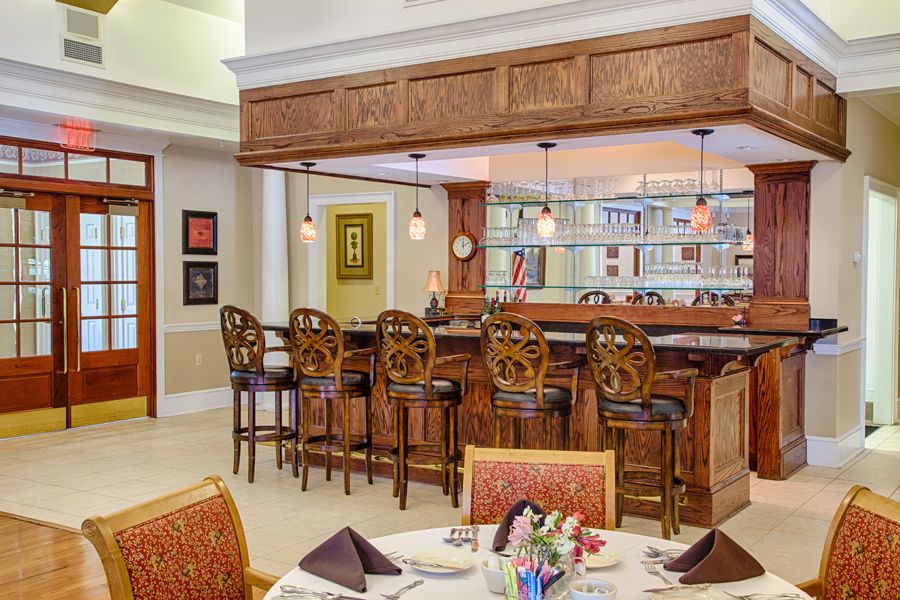
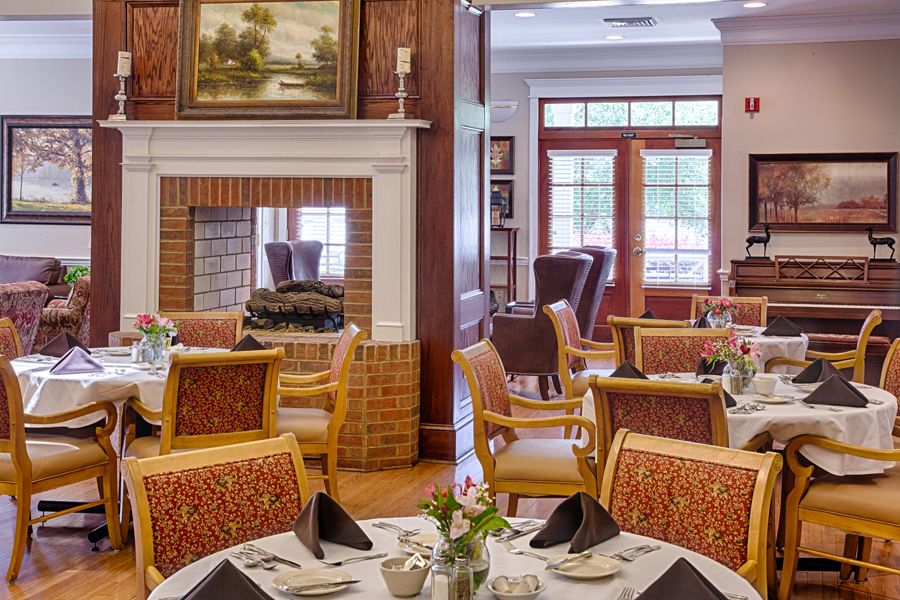
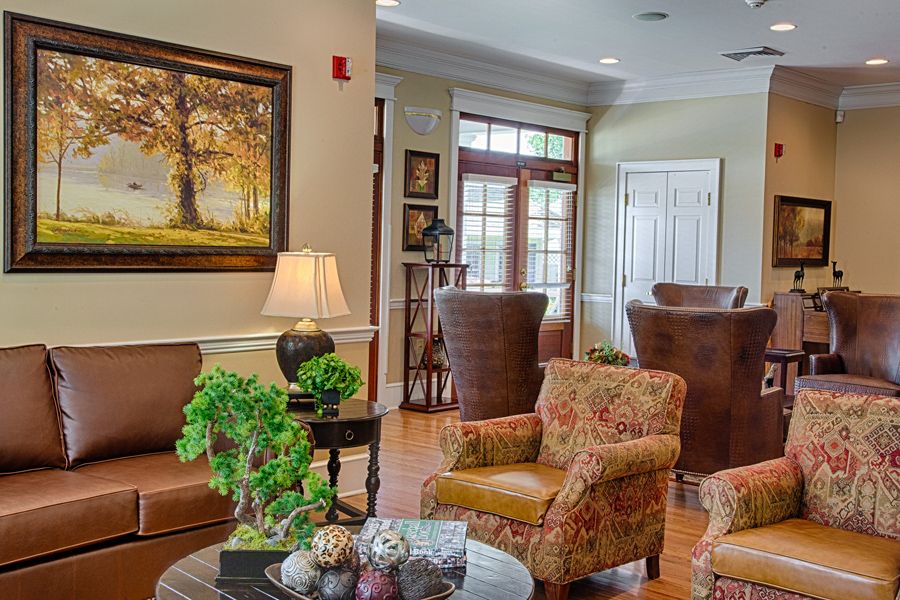
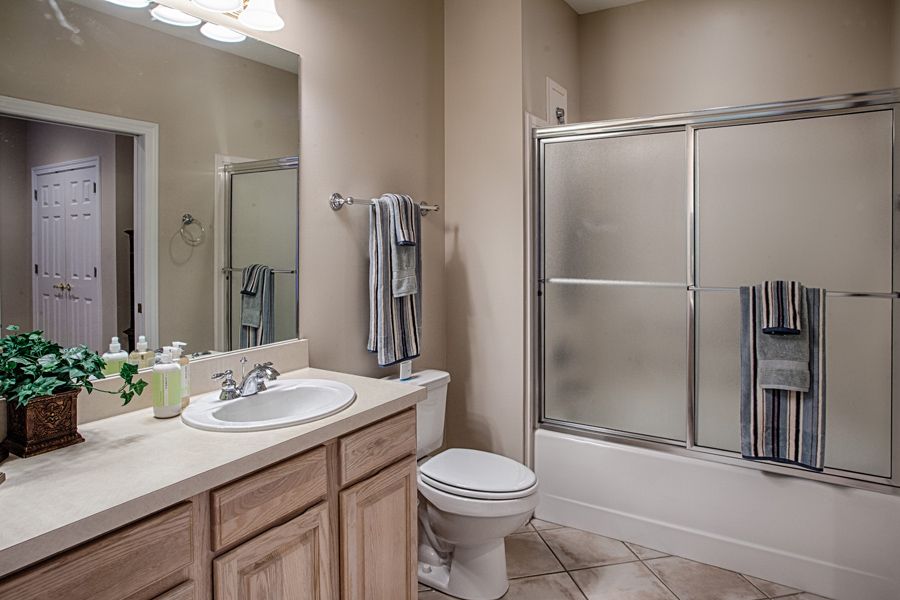
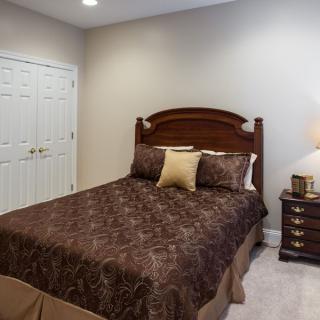
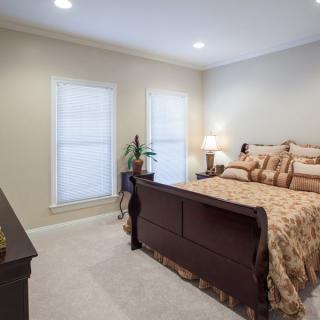
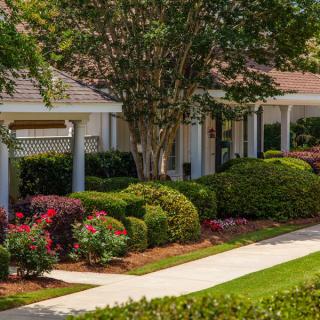
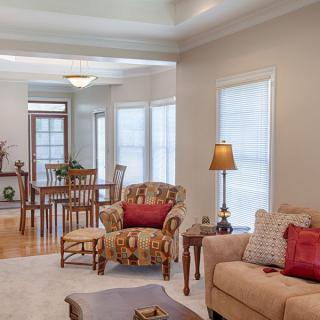
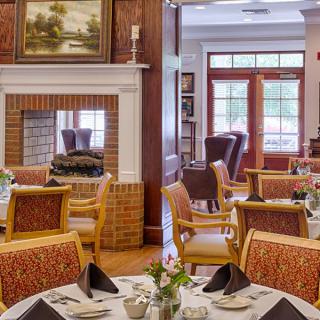
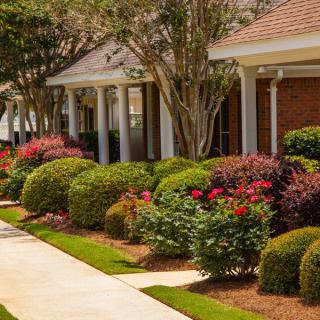
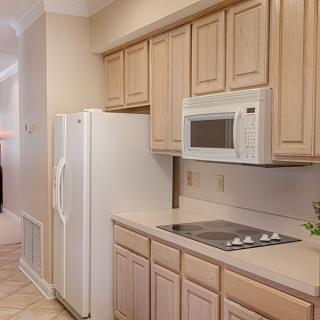
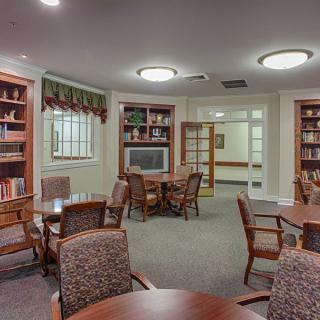
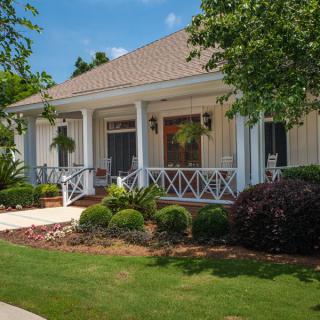
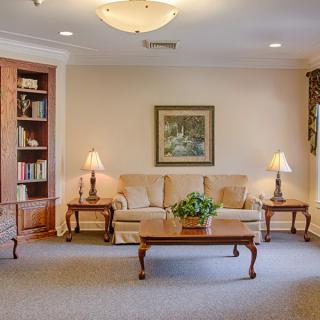
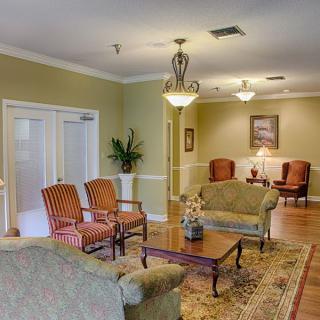
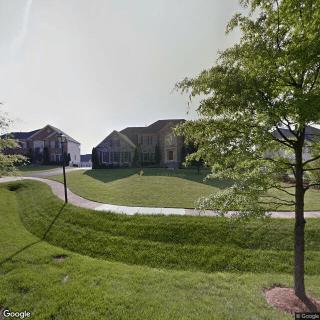
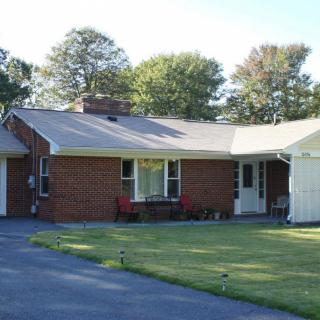
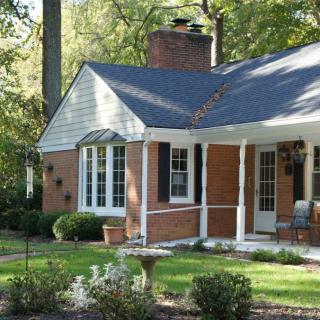
Hope on seniors.fyi includes 41 photos including images showing interior, decor, dining, landscaping, bathroom, windows, bedroom, living room, and more.
Nearby Communities
Selborne House of Laurel Apartments
Laurel, MD
4 from 18 reviews
Extensive on-site amenities and active social/devotional programs.
Evergreen Gardens Assisted Living
Laurel, MD
Fully furnished apartments with dining and 24/7 care.
Hope Assisted Living
Laurel, MD
3.5 from 42 reviews
$3,000 to $4,500 / month
Competitive price for semi-private rooms compared to local averages.
Interim Healthcare of Columbia
Laurel, MD
4.4 from 36 reviews
Strong nearby access to parks, pharmacies, physicians, and dining.
Integrated Healthcare Services
Laurel, MD
3.7 from 16 reviews
$2,000 to $4,500 / month
Friendly staff in a pleasant residential setting with a varied menu.
Integrated Healthcare
Laurel, MD
3.3 from 4 reviews
24/7 supervision with care coordination and diabetes-friendly dining.
Shanti Home
Laurel, MD
3.3 from 8 reviews
$3,500 to $3,700 / month
Attentive, caring staff with private rooms and clean, well-maintained facilities.
Park View at Laurel II
Laurel, MD
3.1 from 14 reviews
$875 to $1,244 / month
Spacious, light-filled apartments with secure, helpful staff.
Arbor Terrace Fulton
Fulton, MD
4.6 from 137 reviews
$5,507 to $9,411 / month
Friendly, attentive staff; clean, well-maintained environment; engaging activities and good communication with families.
Assisted living provides moderate support for seniors seeking independence, while memory care offers specialized support for individuals with dementia or cognitive impairments through structured routines and trained staff. Key differences include care approaches, environment security measures, staff training levels, activity types, and cost considerations.
Assisted living communities offer diverse activities beyond traditional games to enhance seniors' physical health, cognitive well-being, emotional enrichment, and social connections, including fitness classes, creative expression, and intergenerational interactions. These enriching programs foster community bonds and support residents' independence and happiness.
The article differentiates between assisted living and memory care, explaining that assisted living supports seniors with daily activities while promoting independence, whereas memory care provides specialized services for individuals with dementia, focusing on secure environments and cognitive support. It also addresses staff training, safety considerations, costs, family involvement, and transition strategies for families navigating these care options.
Get PricingAsk A QuestionSchedule A TourContact Senior Advisor
By clicking submit, you agree to our Partner's Terms of Use. You
also consent to receive calls and texts, which may be autodialed, from our Partner. Your consent is not a condition to
using our Partner's service. Please visit our Partner's Privacy Policy for information about their privacy practices.





 8 resident community capacity
 Assisted Living
 Cable or satellite TV
 Dining room
 Fully furnished
 Garden
 Housekeeping services
 Move-in coordination
 Outdoor space
 Telephone
 Wi-Fi/high-speed internet available
 Baltimore-Washington International (11 miles away)
 24-hour supervision
 Activities of daily living assistance
 Assistance with bathing
 Assistance with dressing
 Assistance with transfers
 Diabetes diet
 Meal preparation and service
 Medication management
 Special dietary restrictions
 Transportation arrangement (medical)
 Transportation to doctors appointments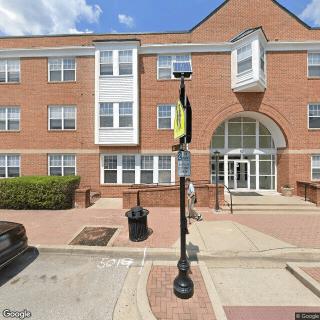
 Extensive on-site amenities and active social/devotional programs.


 Assisted Living and Memory Care: Understanding Their Core Differences
 Beyond the Bingo Hall: 50+ Enriching Activities for Seniors in Assisted Living
 Understanding the Distinctions: Assisted Living and Memory Care Explained