
7101 Fitzpatrick Drive, Laurel, MD 20707
For more information about senior living options: (866) 208-4318
Overall Review of Integrated Healthcare
Pros
 The instructor was very helpful, knowledgeable, patient, and straightforward.
- This facility is a great value.
- The facility was clean.
Cons
 The reviewer was initially intimidated by the accelerated program.
- The father’s room had mold in the closet.
- There was mold in the downstairs bathroom ceiling tiles as well.
- The staff were mean to him.
- The facility moved his bed to another area but kept it near the infected area.
Review
Integrated Healthcare in Laurel, MD is best suited for families who want an affordable, efficiency-driven option with an accelerated, instructor‑led program that gets residents oriented quickly. This community can work for caregivers who value a clear path to practical skills or rapid onboarding, and who are comfortable actively monitoring the environment and care quality rather than assuming everything will be flawless from the first tour. It is not the pick for families who prioritize pristine room conditions, consistently warm staff interactions, and a maintenance track record that feels fully reliable.
On the upside, the strongest argument here is the program itself. A reviewer who approached the accelerated curriculum with initial hesitation found the instruction to be helpful, knowledgeable, patient, and straightforward, and concluded the program is worth recommending. The core benefit is not merely the speed of onboarding but the quality of teaching and the confidence that comes from instructors who show their expertise in real-time. Another clear plus is value: the facility is described as a good financial fit, offering a level of service or programming that feels accessible relative to alternatives in the same price tier. The cleanliness noted in one account reinforces that basic upkeep is present despite other issues, and for families prioritizing tangible, structured activities or training opportunities, that combination can be compelling.
However, serious caveats temper the overall impression. Maintenance and environmental concerns surface in a way that cannot be ignored: mold in a closet and ceiling tiles in a downstairs bathroom were reported, described as issues observed by a family member and not simply cosmetic. The response to those concerns was imperfect, while the bed was moved to a different area, it remained close to the infected zone, which raises legitimate questions about containment and resident comfort. In addition, the same account indicates that staff interactions may feel less than compassionate to residents, with the resident reporting that someone who had care needs was perceived as treated unkindly. Taken together, these factors point to a facility where cost savings and program quality exist alongside potential risks in environment and interpersonal care.
The key tension for decision-makers is how the pros balance against the cons. The accelerated, well-led program and the promise of value can offset some concerns for families prioritizing efficiency, practical skill development, and a lower price ceiling. Yet the presence of mold, partial remediation, and reports of unfriendly staff can materially affect quality of life and perceived safety for residents who require consistent, attentive care, and for families, those concerns may eclipse the perceived educational upside. In practical terms, this means the facility may serve as a reasonable short- to mid-term option for certain resident profiles, but it will not satisfy families who demand flawless maintenance and consistently warm, responsive caregiving.
For those evaluating alternatives, this community should prompt a careful screening of competing options. Seek out facilities with robust environmental maintenance records and transparent remediation plans, verified timelines for addressing mold or structural concerns, and staff training that emphasizes empathy and resident dignity. Ask for recent maintenance logs, documented complaint responses, and opportunities to speak with current residents or families about day-to-day interactions with caregivers. If a tour reveals similarly strong teaching or programming but clearer evidence of upkeep and staff warmth elsewhere, that may be the stronger choice. If, however, the family’s priority is affordability and a solid, structured program with reliable instruction, and the environment can be stabilized through proactive oversight, this community remains a viable option, provided diligence is maintained.
The final call comes down to priorities and due diligence. If cost, a structured accelerated program, and straightforward instruction are the decisive factors, and maintenance concerns are confidently addressable through proactive oversight and explicit remediation commitments, Integrated Healthcare can fit the bill. If pristine living conditions, consistently compassionate staff, and unwavering environmental safety are non-negotiables, alternatives with stronger reputations in those domains should be pursued first. The decision should hinge on concrete assurances: a transparent action plan for mold issues, tangible evidence of positive staff-resident interactions, and an ongoing commitment to environmental quality, before any long-term placement is confirmed.
 8 resident community capacity
 Assisted Living
 Cable or satellite TV
 Dining room
 Fully furnished
 Garden
 Housekeeping services
 Move-in coordination
 Outdoor space
 Telephone
 Wi-Fi/high-speed internet available
 Baltimore-Washington International (12 miles away)
 24-hour supervision
 Activities of daily living assistance
 Assistance with bathing
 Assistance with dressing
 Assistance with transfers
 Diabetes diet
 Meal preparation and service
 Medication management
 Special dietary restrictions
 Transportation arrangement (medical)
 Transportation to doctors appointments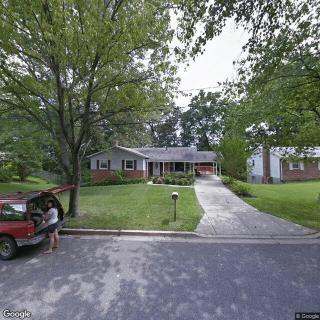


 Comprehensive Insights into Activities of Daily Living (ADLs) and Their Assessment
 Medicare Coverage for Assisted Living: An In-Depth Exploration
 Your Comprehensive Guide to Luxury Assisted Living: Elevated Facilities, Amenities, and Costs