For more information about senior living options: (866) 208-4318
3.5 from 42 reviews
5 stars
25
4 stars
2
3 stars
0
2 stars
1
1 stars
14
Hope Assisted Living Costs & Pricing
Hope Assisted Living offers competitive pricing for its residents, providing a semi-private room at $3,000 per month, which is notably lower than the average costs in Howard County ($3,865) and the state of Maryland ($3,545). For those seeking more privacy, the private room option is available at $4,500, which remains slightly above the county's average of $4,003 and below the state's average of $4,112. These pricing structures position Hope Assisted Living as an affordable choice within the local market while still maintaining a commitment to high-quality care and comfortable living environments for its residents.
Floor plans
Hope Assisted Living
Howard County
Maryland
Semi-Private
$3,000
$3,865
$3,545
Private
$4,500
$4,003
$4,112
Senior living communities with a similar price nearby
from +$500 / mo
Best Home for Mom and Dad
5 from 40 reviews
$3,500 to $4,500 / month
11.5 miles away
from +$200 / mo
Mumsey's Residential Care
5 from 17 reviews
$3,200 to $5,400 / month
18.0 miles away
About the same
Gneale Home Care
5 from 15 reviews
$2,975 / month
14.0 miles away
About the same
Hands & Hearts Assisted Living Silver Springs
5 from 10 reviews
$3,000 to $3,500 / month
8.0 miles away
from -$300 / mo
Lifesprings Eldercare II
5 from 9 reviews
$2,700 to $3,100 / month
22.9 miles away
Overall Review of Hope Assisted Living
common20 reviews mention this
Staff care is a major theme
Many residents and families describe staff who feel genuinely caring and supportive.
A lot of reviewers say the staff took time with them, treated clients with dignity, and helped them feel welcomed or comfortable. Several mention counselors, nurses, and other team members going above and beyond during detox and recovery. A few also report the opposite experience, with complaints about rudeness or poor professionalism, but the more consistent thread is that many people felt supported by the team during a stressful time.
common7 reviews mention this
Treatment structure and boundaries
Reviewers often point to clear rules and structure as part of the program.
Multiple reviewers describe the program as structured, with expectations that clients follow daily. Some specifically call out boundaries around items brought in, clothing, and cell phone access, framing it as part of how the facility keeps people focused. Even among mixed experiences, one review says the community put up with a difficult patient and helped them succeed if a person wants to get clean.
differentiator2 reviews mention this
Medication help is discussed
Some reviewers mention medication support during detox and recovery.
A couple of reviewers describe medication-related care as part of their experience, including being offered or withheld based on withdrawal concerns. One review also mentions Vivitrol as a helpful option during treatment. These comments are specific to individual experiences, but they align with the idea that medication management is part of care at this community.
caveat9 reviews mention this
Admissions and communication disappoint
Some families report trouble getting answers quickly during admissions.
Several reviewers complain about phone or intake communication, including unanswered phones, abrasive intake interactions, and long waits for help after check-in. A few also say they were turned away after contacting the facility or that they had to keep calling to learn admission status. While many other reviews praise staff support once people are inside, these negative comments focus on the access and responsiveness at the beginning of the process.
How we summarize
Counts show how many written reviews mention each theme; a review can touch several themes, and only frequently mentioned themes are displayed.
Features
Types of Care
Board and Care Home
Amenities
Activities on-site
Air-conditioning
Bath tubs
Cable or satellite TV
Devotional services on-site
Handicap accessible
Indoor common areas
Outdoor common areas
Private
Private bathrooms
Respite or short term stays offered
Wi-Fi/high-speed internet available
Transportation
Baltimore-Washington International (11 miles away)
Ronald Reagan Washington National (22 miles away)
Care Services
Diabetic care
High acuity care
Incontinence care
Medication management
Dining
Gluten-free
Low / no sodium
Meals provided
No Sugar
Organic
Restaurant style dining
Vegan
Activities
Activities on-site
Art classes
Community service programs
Devotional activities on-site
Educational speakers / life long learning
Forever fit
Live musical performances
Live well programs
Stretching classes
Visiting chaplain or priest
Yoga / chair yoga
Nearby Places of Interest
Located in Laurel, Maryland, this neighborhood offers a variety of amenities and services that cater to seniors. With several parks nearby, such as High Ridge Park and Lake Elkhorn Park, residents can enjoy outdoor activities and stay active. There are also multiple restaurants and cafes within a few miles, providing convenient dining options. The area is well-equipped with pharmacies and medical facilities, including Howard County General Hospital, ensuring easy access to healthcare services. Additionally, transportation options like Greenbelt Metro Station and rental car facilities are available for those who may need to travel or run errands. Places of worship like Bridgeway Community Church offer spiritual support for residents. Overall, this neighborhood provides a balanced mix of recreational opportunities, medical services, and transportation options suitable for seniors looking to live comfortably in Laurel.
Parks
High Ridge Park (1.4 miles)
Lake Elkhorn Park (3.6 miles)
Martin Road Park (3.8 miles)
Blandair Regional Park (5.5 miles)
Centennial Park (7.4 miles)
Centennial Park (8.2 miles)
Triadelphia Reservoir (8.7 miles)
Restaurants
Nestle Ice Cream (2.2 miles)
Facci Ristorante (2.4 miles)
Chick-Fil-A (2.4 miles)
Looney's Pub (2.6 miles)
First Watch (2.9 miles)
Taco Bell (3.1 miles)
Hunan Manor Restaurant (3.2 miles)
Pharmacies
Walgreens (2.5 miles)
CVS Pharmacy (2.6 miles)
CVS Pharmacy (2.7 miles)
Herbiculture (3.9 miles)
CVS Pharmacy (4.2 miles)
Wegmans (4.3 miles)
CVS Pharmacy (5.5 miles)
Physicians
Eternal Dermatology (2.7 miles)
Maple Lawn Surgery Center (2.8 miles)
Sheikh, Sarah Capital Womens Care (2.8 miles)
Allergy Partners of Metro DC (3.6 miles)
Hopkins gastroenterology clinic (5.5 miles)
American Vein Institute (5.6 miles)
American Spine (5.7 miles)
Cafes
Starbucks (3.2 miles)
Starbucks (5.1 miles)
Café Nordstrom (5.8 miles)
Starbucks (6.1 miles)
Starbucks (6.4 miles)
Starbucks (6.5 miles)
Starbucks (6.8 miles)
Hospitals
Howard County General Hospital (5.7 miles)
Howard County General Hospital, Johns Hopkins Medicine (5.7 miles)
Kimbrough Ambulatory Care Clinic Main Pharmacy (7.5 miles)
Hope Assisted Living offers competitive pricing for its residents, providing a semi-private room at $3,000 per month, which is notably lower than the average costs in Howard County ($3,865) and the state of Maryland ($3,545). For those seeking more privacy, the private room option is available at $4,500, which remains slightly above the county's average of $4,003 and below the state's average of $4,112. These pricing structures position Hope Assisted Living as an affordable choice within the local market while still maintaining a commitment to high-quality care and comfortable living environments for its residents.
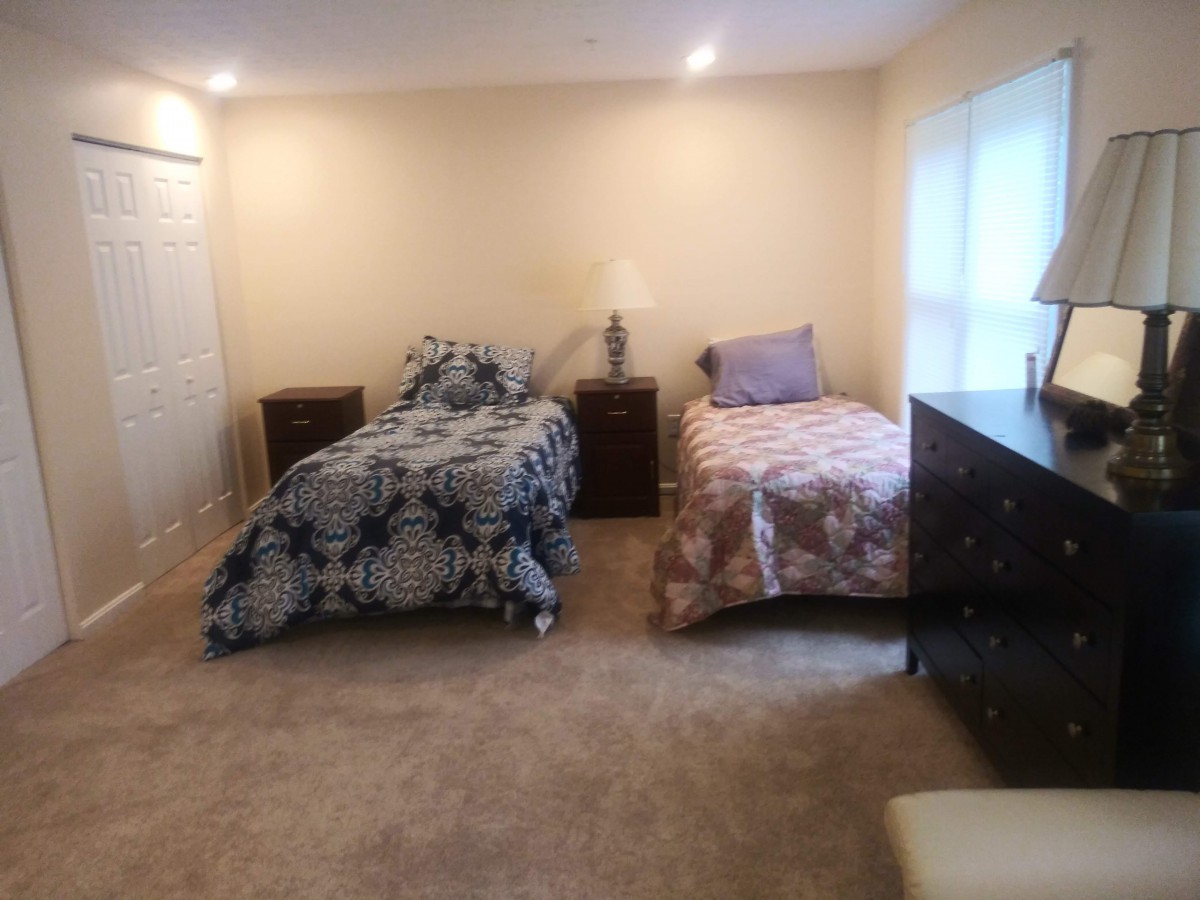
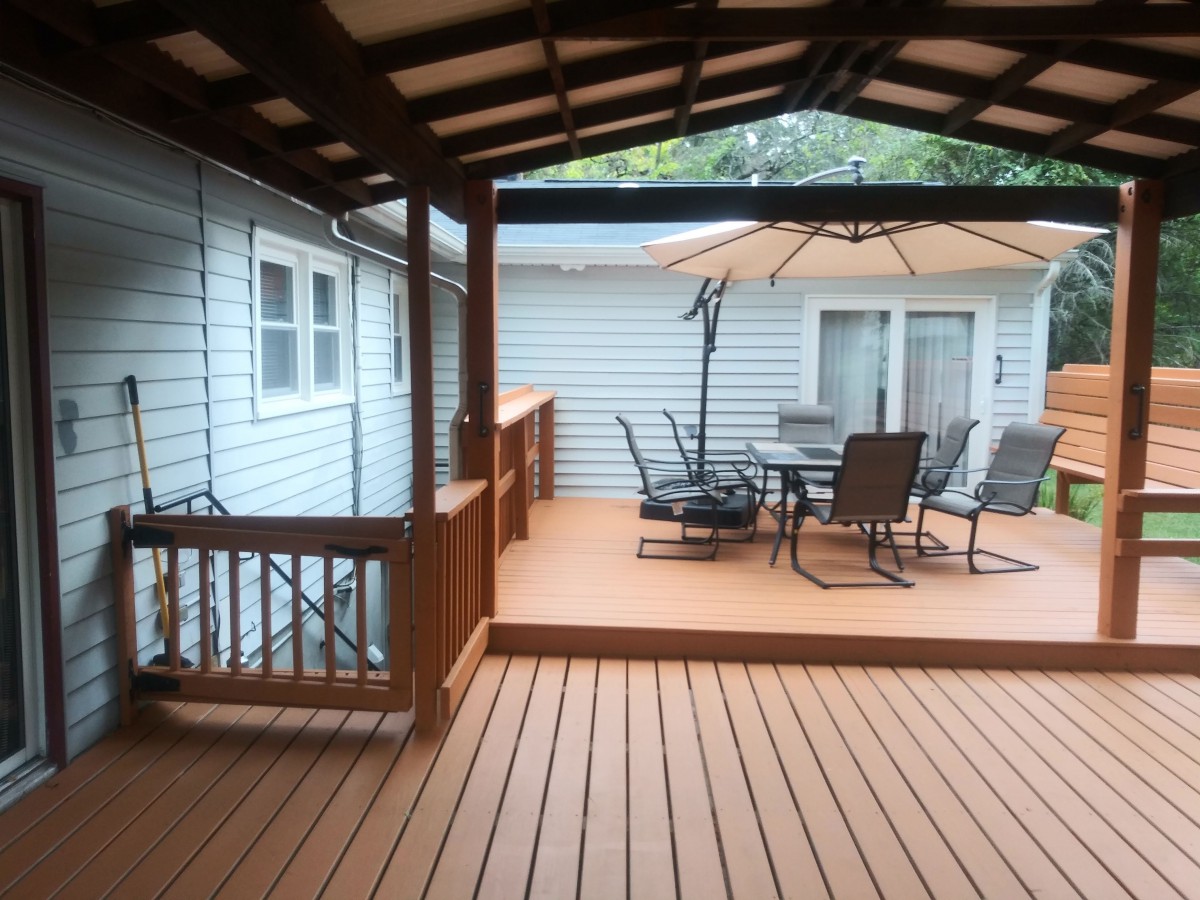
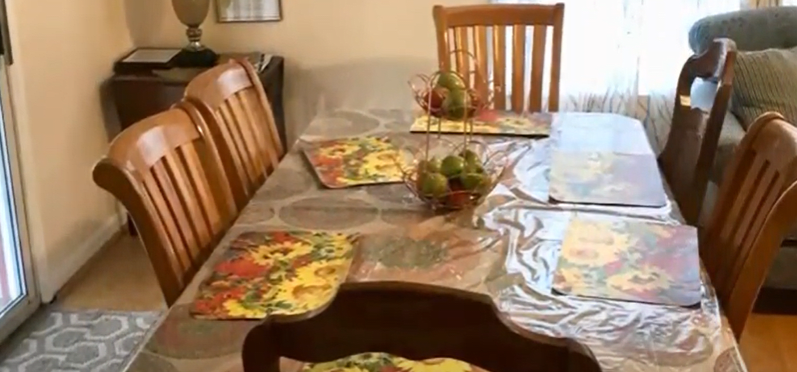
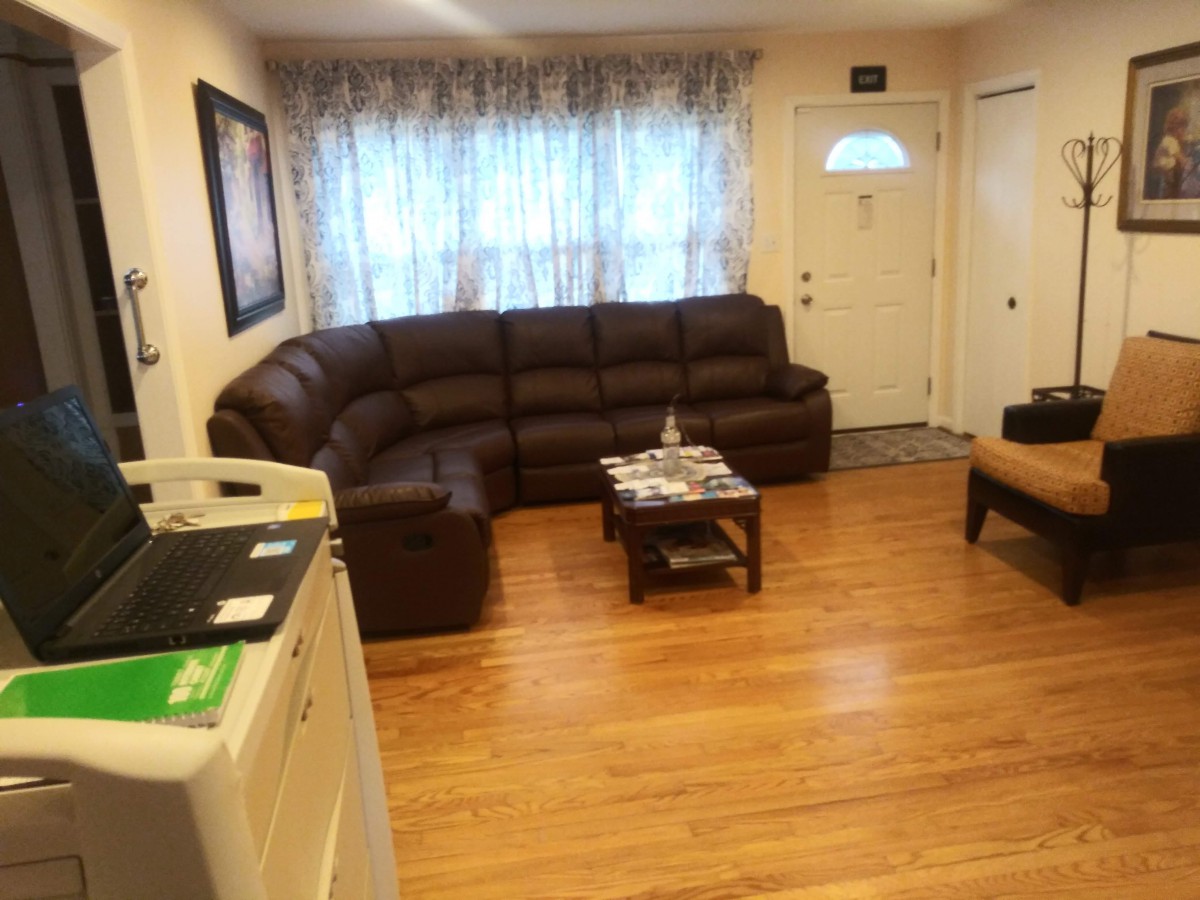
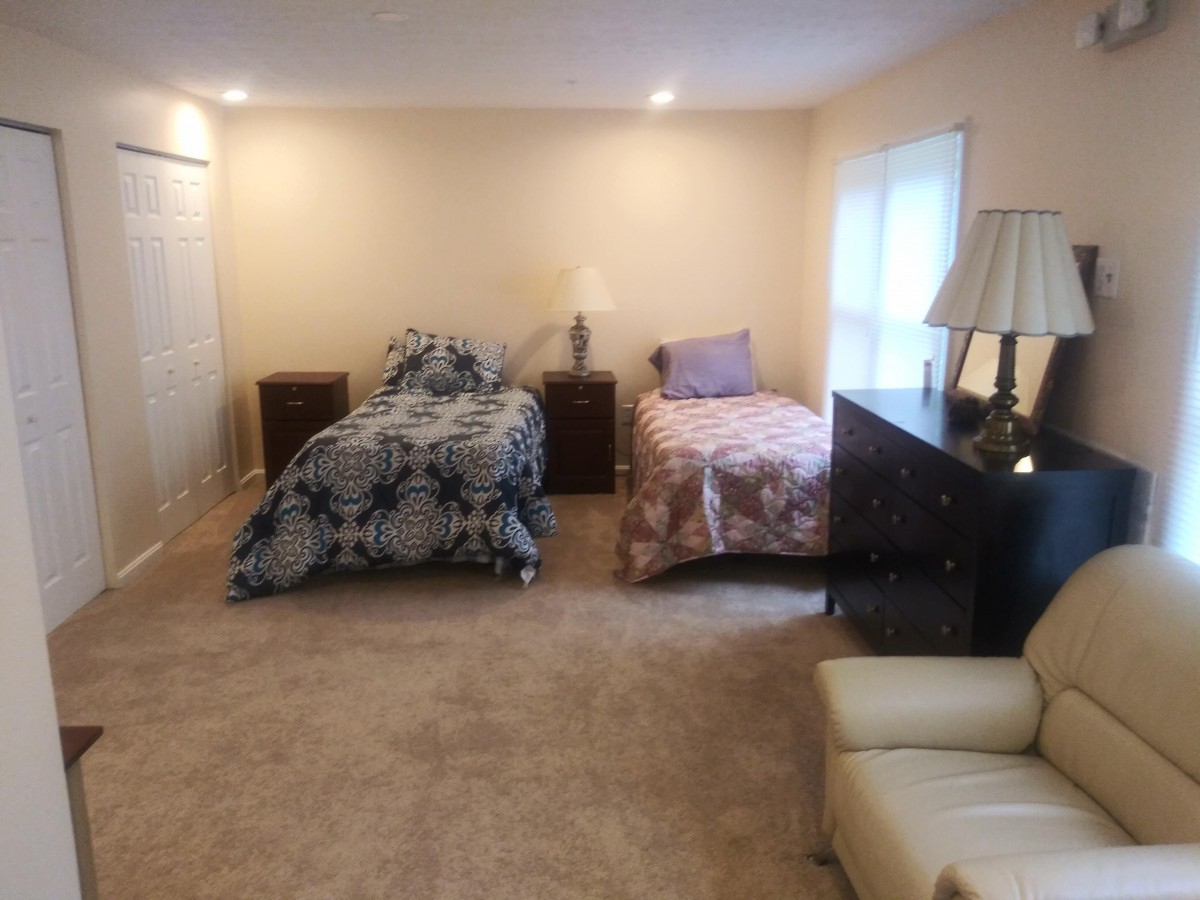
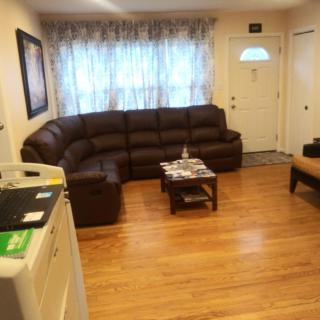
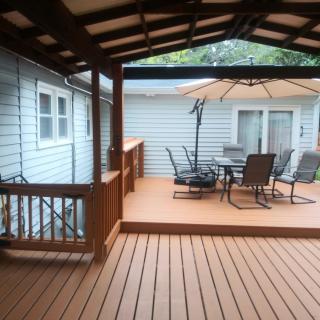
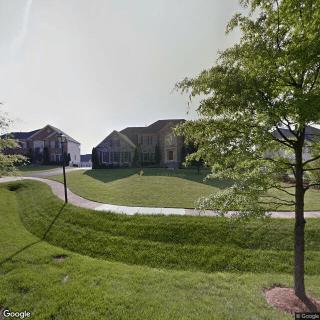
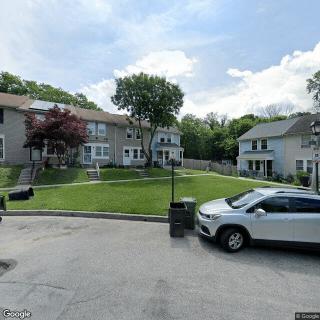
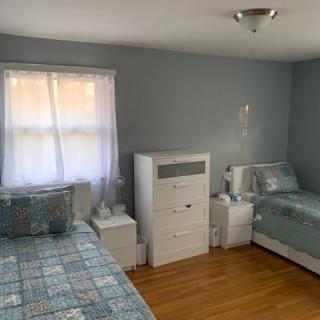
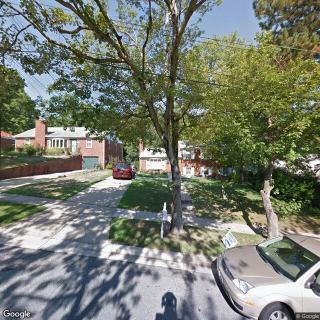
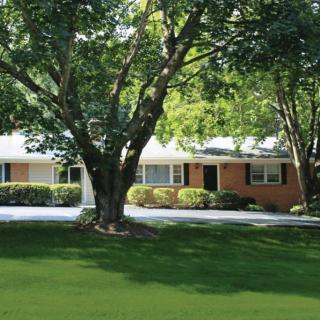
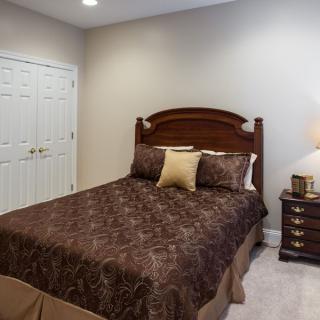
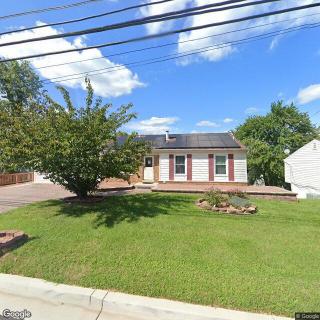
Hope Assisted Living on seniors.fyi includes 8 photos including images showing bedroom, interior, windows, landscaping, dining table, decor, living room, hardwood floor, and more.
Nearby Communities
Park View at Emerson
Laurel, MD
4.4 from 12 reviews
$975 to $1,175 / month
Serene, well-maintained community with friendly staff and active resident engagement.
Walden Woods
Laurel, MD
Modern amenities in a tranquil suburban setting with proximity to cafes, parks, pharmacies, physicians, and restaurants.
Evergreen Gardens Assisted Living
Laurel, MD
Fully furnished apartments with dining and 24/7 care.
Maple Hill
Laurel, MD
5 from 5 reviews
$5,500 / month
Broad care options with fully furnished spaces and engaging activities.
Woori Care
Laurel, MD
5 from 4 reviews
Fully furnished apartments with 24-hour supervision, ADL support, meals, and transportation coordination.
Hope
Laurel, MD
3.6 from 43 reviews
$3,750 / month
Affordable pricing with comprehensive care and ample amenities
Shanti Home
Laurel, MD
3.3 from 8 reviews
$3,500 to $3,700 / month
Attentive, caring staff with private rooms and clean, well-maintained facilities.
Arbor Terrace Fulton
Fulton, MD
4.6 from 137 reviews
$5,507 to $9,411 / month
Friendly, attentive staff; clean, well-maintained environment; engaging activities and good communication with families.
Golden Time
Columbia, MD
5 from 5 reviews
Small, homelike setting with personalized care and daily activities.
The article highlights the importance of empathy and open communication when comforting someone who is grieving, noting that grief is unique to each individual and emphasizing the need for sincere expressions of condolence, active listening, and ongoing support. It also addresses cultural differences in mourning practices and encourages tailored approaches to provide effective comfort.
Home health care aides provide vital medical and non-medical support to individuals at home, assisting with daily living activities and promoting emotional well-being, while the demand for these services increases due to an aging population. Families benefit from in-home care's flexibility and cost-effectiveness but face challenges like scheduling consistency and caregiver turnover.
Older adults with urinary tract infections (UTIs) often present atypical symptoms, complicating diagnosis due to factors like incomplete bladder emptying and chronic health conditions that increase their susceptibility. Effective management involves prompt treatment with antibiotics, hydration, and preventive strategies while minimizing antibiotic resistance and focusing on holistic care approaches.
Get PricingAsk A QuestionSchedule A TourContact Senior Advisor
By clicking submit, you agree to our Partner's Terms of Use. You
also consent to receive calls and texts, which may be autodialed, from our Partner. Your consent is not a condition to
using our Partner's service. Please visit our Partner's Privacy Policy for information about their privacy practices.







 Board and Care Home
 Activities on-site
 Air-conditioning
 Bath tubs
 Cable or satellite TV
 Devotional services on-site
 Handicap accessible
 Indoor common areas
 Outdoor common areas
 Private
 Private bathrooms
 Respite or short term stays offered
 Wi-Fi/high-speed internet available
 Baltimore-Washington International (11 miles away)
 Diabetic care
 High acuity care
 Incontinence care
 Medication management
 Gluten-free
 Art classes
 Educational speakers / life long learning
 Forever fit
 Live musical performances
 Live well programs
 Visiting chaplain or priest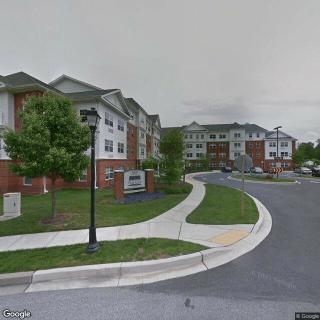
 Serene, well-maintained community with friendly staff and active resident engagement.

 Compassionate Conversations: How to Comfort Someone Who Is Grieving
 Home Health Care Aides: Understanding Their Role and Supporting Your Family
 Urinary Tract Infections in Older Adults: Comprehensive Insights on Symptoms, Treatment, and Prevention