For more information about senior living options: (866) 208-4318
4.3 from 45 reviews
5 stars
29
4 stars
8
3 stars
2
2 stars
3
1 stars
3
Overall Review of Glen Meadows Retirement Community
differentiator8 reviews mention this
Care and help feel reliable
Residents describe getting prompt help when needs or emergencies come up.
Several residents and family members say they feel safe because staff handle questions, issues, and emergencies in a satisfactory way. Others mention care support when mobility and recovery are involved, including physical therapy experience. Reviews also describe day-to-day assistance concerns, including questions about how medication and routine tasks are handled during home health shifts. The community offers multiple types of support services, including 24-hour call and supervision, activities of daily living help, medication management, meal preparation, and transportation arrangement.
caveat12 reviews mention this
Dining quality is mixed
Dining draws both strong praise and frequent complaints.
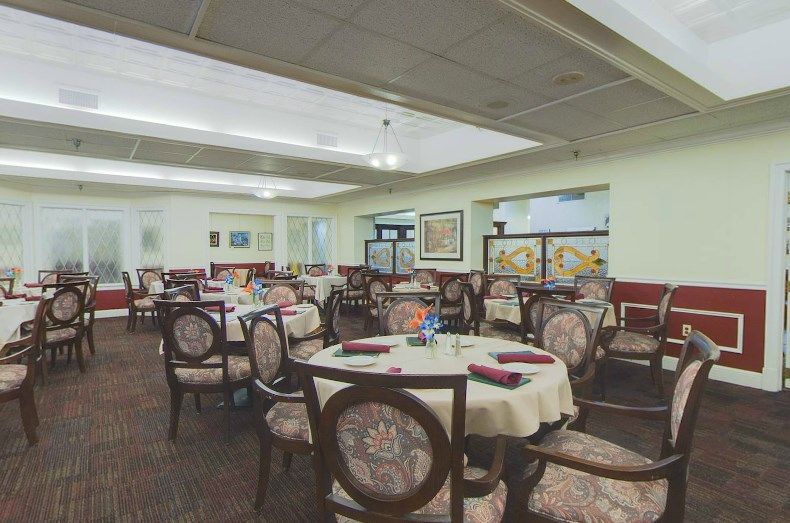
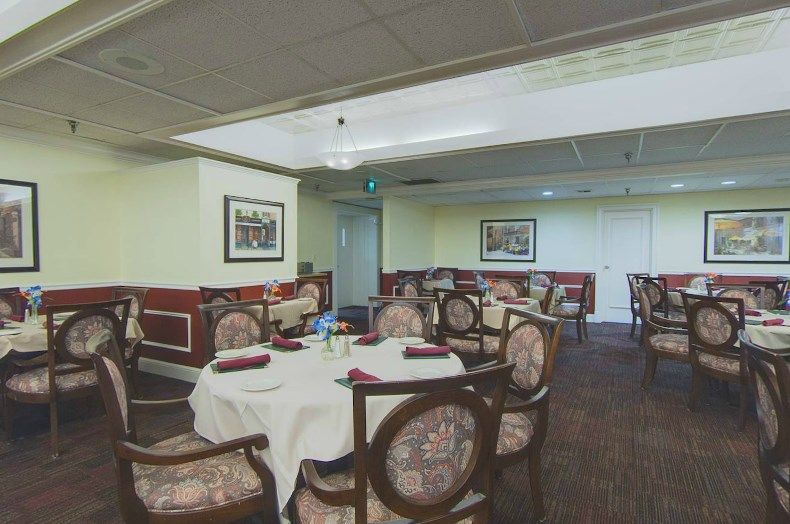
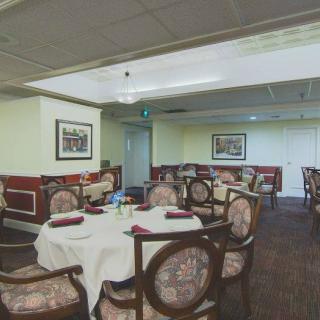
Some reviews call the meals delicious or exceptional, including heart and kidney-friendly options and staff accommodating dietary restrictions. Others report cold food, lack of variety, and meals becoming inedible over time. A few comments also point to specific dining-room drawbacks, such as a basement dining space without windows. Overall, dining seems to be a standout for some residents while remaining a recurring problem theme for others.
Across many reviews, residents and families describe staff as friendly, attentive, and caring, including staff members who make concerns feel addressed. Several comments also describe staff as knowledgeable and engaged with residents, and one review credits staff with making the move and early adjustment easier. A smaller set of reviews paints a different picture, describing rude or dismissive behavior and ignoring resident requests. Taken together, the reviews show both strong staff experiences and occasional breakdowns in responsiveness.
common10 reviews mention this
Activities and outdoor atmosphere
Residents and families point to daily activities and outdoor space.
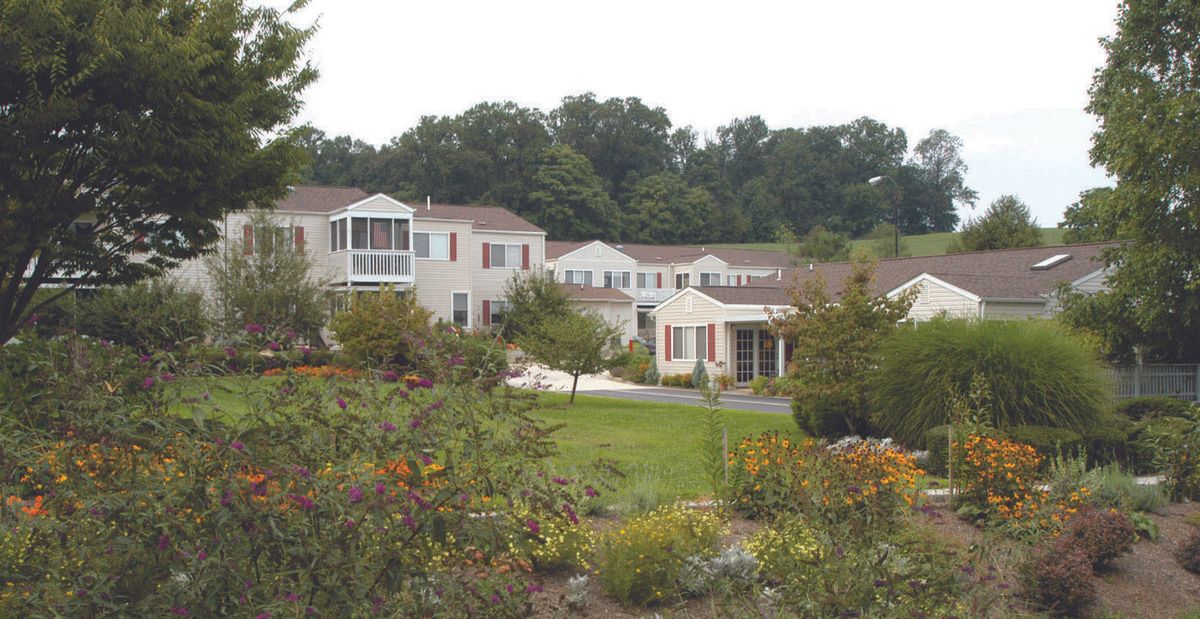
Many reviews mention there are activities every day or plenty of scheduled programs, with residents staying engaged after moving in. Several comments also describe the campus setting as beautiful, peaceful, and suited for outdoor enjoyment. Some reviews add specifics like planned outside tours and religious services, while others suggest there are fewer recreational options than expected. The community also lists a range of scheduled daily activities and fitness programs.
caveat5 reviews mention this
Cost feels high for some
Pricing comes up as a concern, especially for affordability and deposits.
Multiple reviews describe the community as very expensive or priced high, while another family frames it as more affordable compared with another local community. A separate review raises a concern about how deposits are handled after a resident passes away, describing a long delay before an estate can be settled. One review also reflects cost expectations for daily care support. Overall, cost is a recurring caution even when other parts of the experience are positive.
How we summarize
Counts show how many written reviews mention each theme; a review can touch several themes, and only frequently mentioned themes are displayed.
Features
Housing
48 resident community capacity
Types of Care
Assisted Living
Continuing Care Retirement Community (CCRC)
Independent Living
Memory Care
Skilled Nursing Facility
Amenities
Beauty salon
Cable or satellite TV
Fully furnished
Garden
Housekeeping services
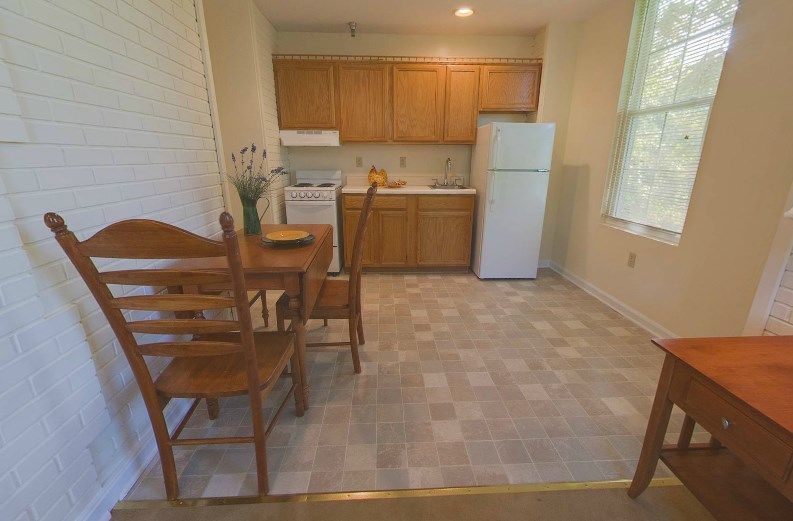
Kitchenette
Move-in coordination
Outdoor space
Private bathrooms
Wi-Fi/high-speed internet available
Transportation
Baltimore-Washington International (20 miles away)
Community operated transportation
Transportation arrangement
Transportation arrangement (non-medical)
Care Services
24-hour call system
24-hour supervision
Activities of daily living assistance
Assistance with bathing
Assistance with dressing
Assistance with transfers
Diabetes diet
Meal preparation and service
Medication management
Special dietary restrictions
Dining
Diabetes diet
Special dietary restrictions
Activities
Community-sponsored activities
Fitness programs
Resident-run activities
Scheduled daily activities
Virtual Tour
Nearby Places of Interest
Restaurants
Prigel Family Creamery (1.8 miles)
McFaul's Ironhorse Tavern (2.1 miles)
Boordy Vineyards (2.7 miles)
Remo's of NY (3.6 miles)
Chick-Fil-A (3.6 miles)
Checkers (3.7 miles)
Chick-Fil-A (4 miles)
Places of Worship
St Demetrios Greek Ort (1.9 miles)
Church of the Nativity (5.5 miles)
Open Bible Christian Academy (5.5 miles)
Church of the Immaculate Conception (5.7 miles)
Saint Mark Roman Catholic Church (7.2 miles)
Brown Memorial Woodbrook Presbyterian Church (7.5 miles)
Parks
Cromwell Valley Park (3.3 miles)
Honeygo Run Regional Park (5 miles)
Rodgers Forge Tot Lot (7.3 miles)
Pharmacies
Walgreens (3.6 miles)
Walgreens (3.8 miles)
CVS Pharmacy (3.8 miles)
CVS Pharmacy (3.9 miles)
Walgreens (4.1 miles)
Giant (5.1 miles)
Walgreens (5.2 miles)
Cafes
Starbucks (3.9 miles)
Panera Bread (5.8 miles)
Panera Bread (6.2 miles)
Starbucks (6.6 miles)
Starbucks (7.3 miles)
Starbucks (7.6 miles)
Panera Bread (8.1 miles)
Physicians
Patient First (4 miles)
Pediatric Partners (4.8 miles)
Clinical Associates (5.3 miles)
Overlea Personal Physicians (5.6 miles)
Advanced Allergy & Asthma Center (5.6 miles)
Johns Hopkins White Marsh (5.9 miles)
O'Dea Building- St Josephs Hospital (6.5 miles)
Theaters
Cinemark Towson And Xd (5.5 miles)
AMC White Marsh 16 (6 miles)
Transportation
Lutherville Light Rail Station (6 miles)
Hospitals
Sheppard Pratt Health System (6.7 miles)
GBMC (6.9 miles)
MedStar Franklin Square Medical Center (6.9 miles)
The features offered by Glen Meadows Retirement Community play a crucial role in enhancing the quality of life for residents with dementia or Alzheimer's disease. Assistance with dressing and bathing promotes dignity and personal hygiene, which is vital for emotional well-being. Medication management ensures that residents receive their prescribed medications on time, reducing the risk of confusion and potential health complications. Meal preparation and service cater to dietary needs while encouraging proper nutrition, which directly impacts cognitive function. Activities of daily living assistance helps maintain independence while providing support for tasks that can become challenging due to cognitive decline. Additionally, assistance with transfers ensures residents' safety during mobility, preventing falls and injuries. The 24-hour supervision provides both security and peace of mind for residents and their families, fostering an environment where individuals can thrive despite the challenges associated with memory impairments.
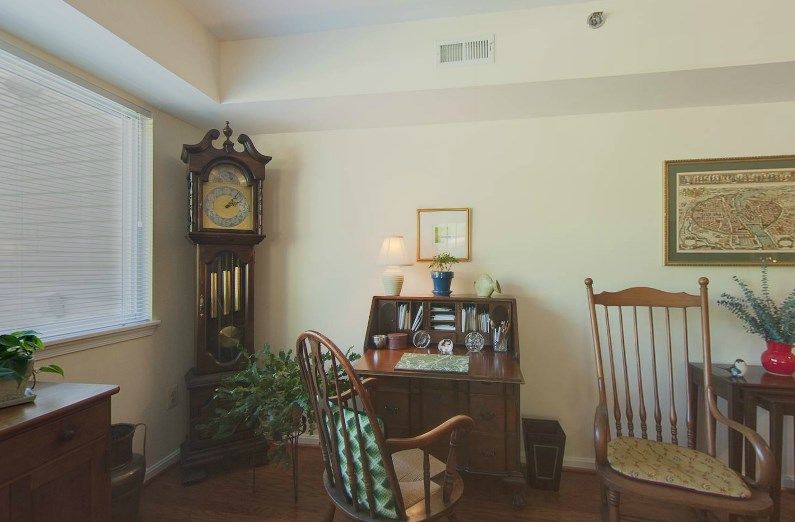
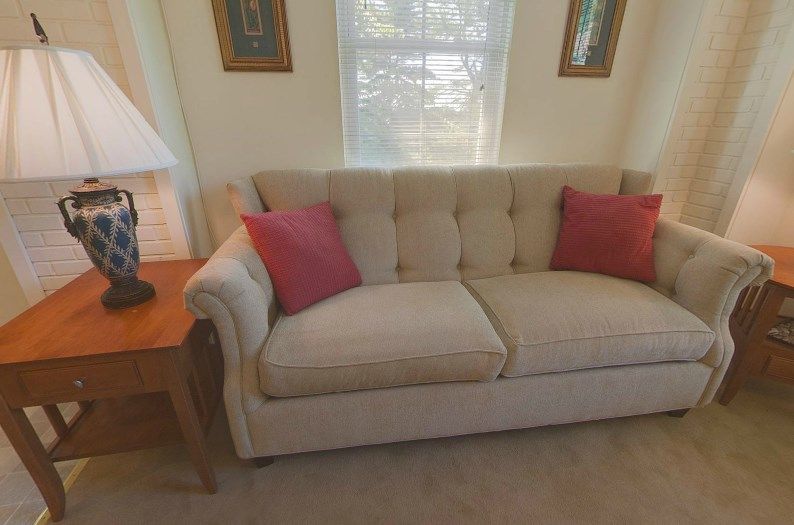
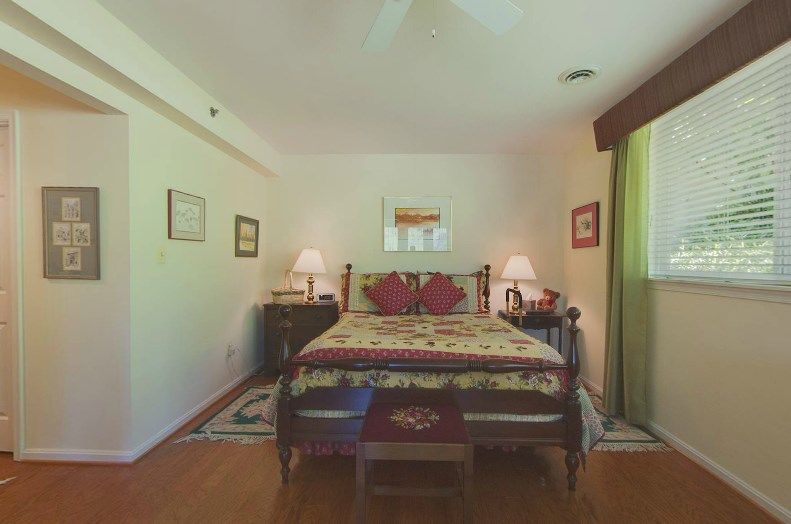
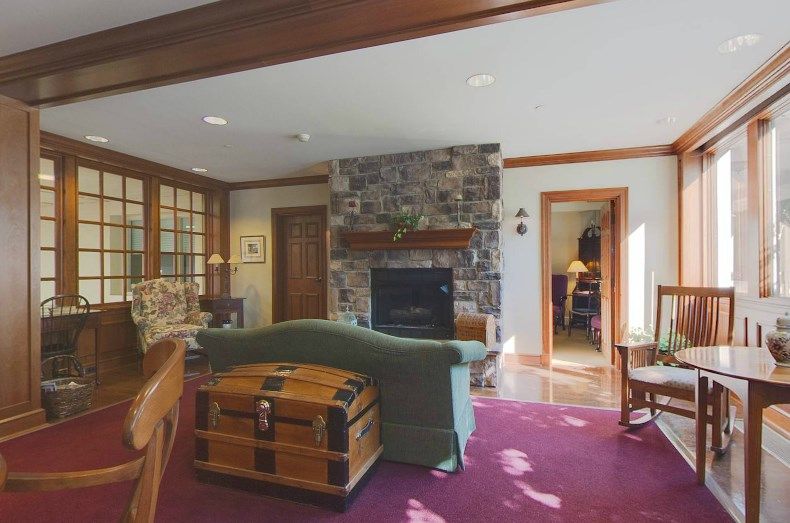
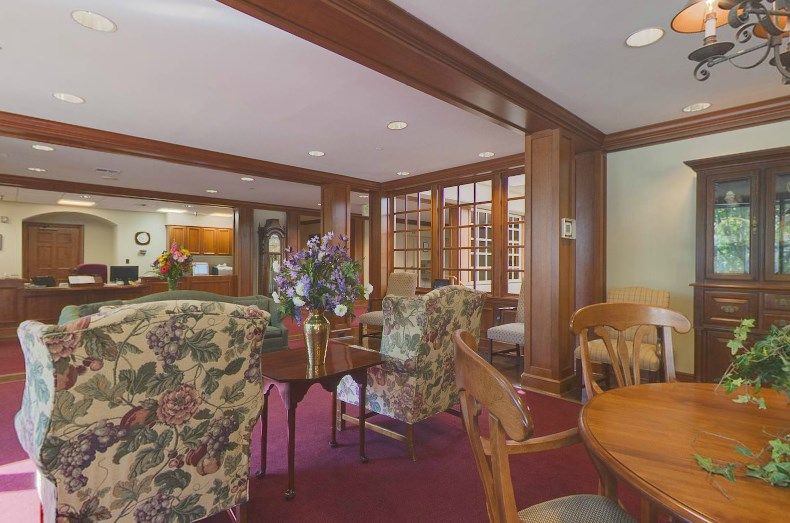
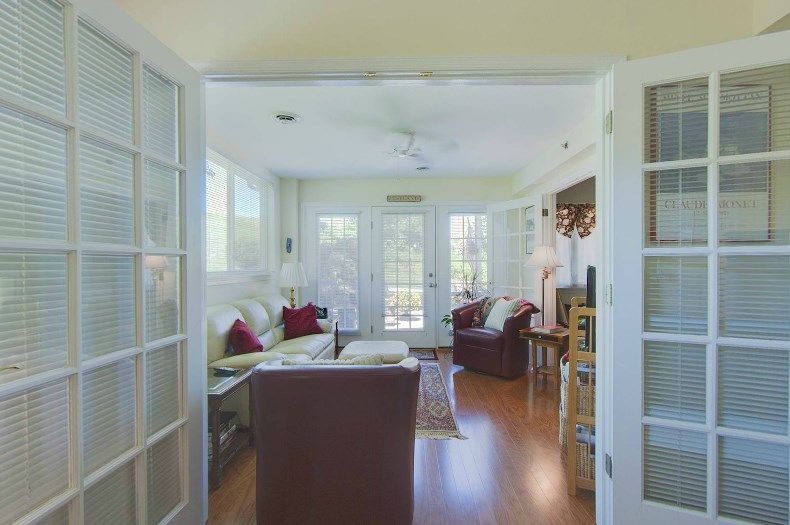
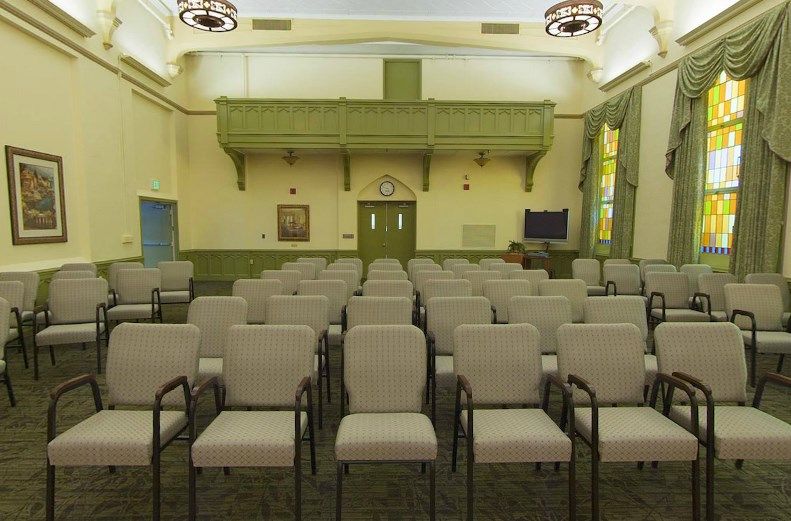
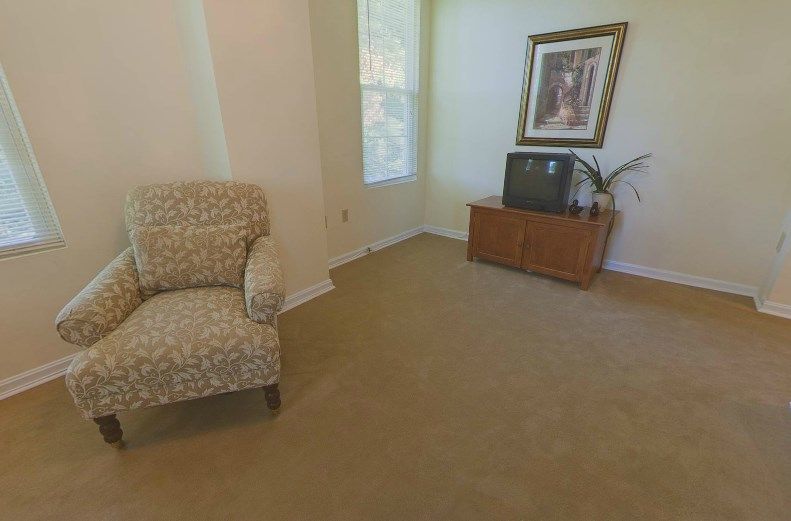
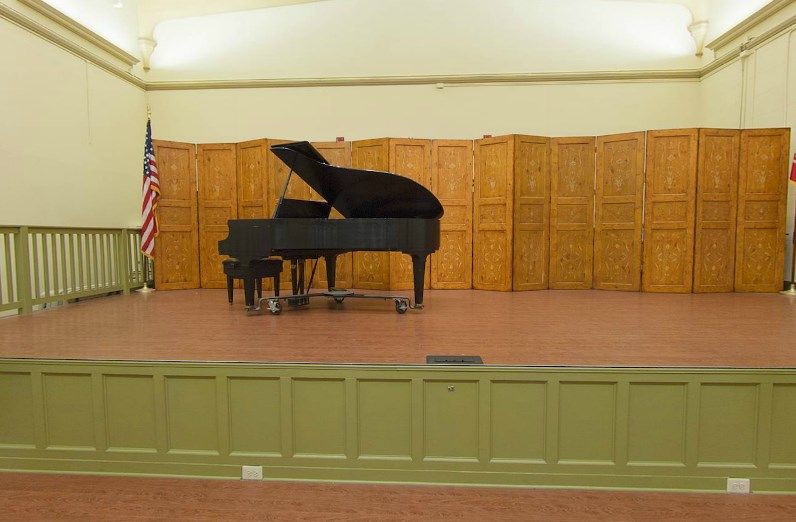
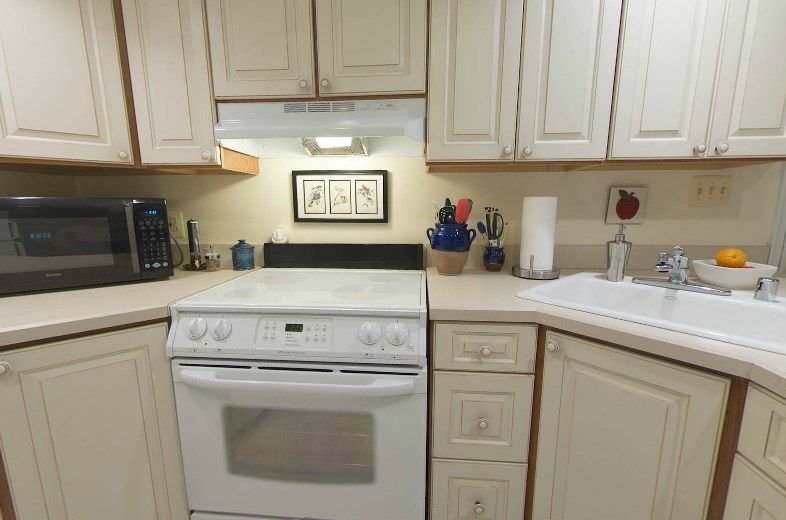
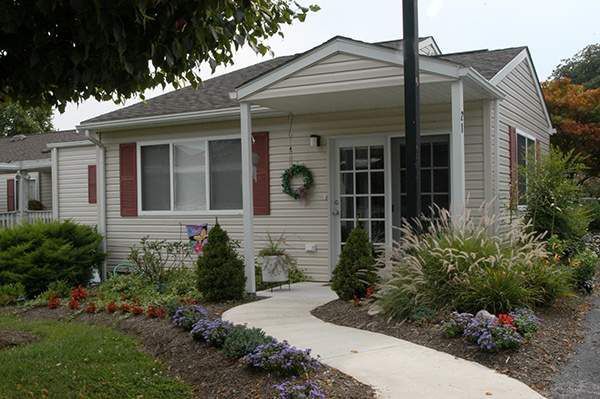
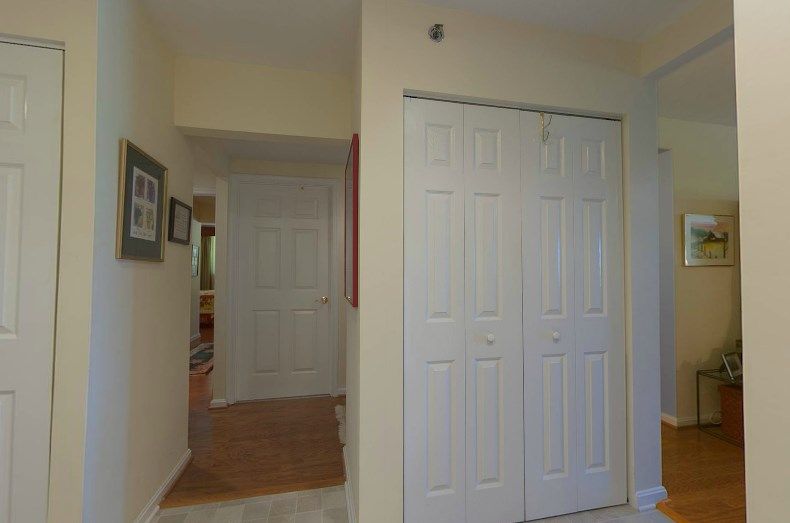
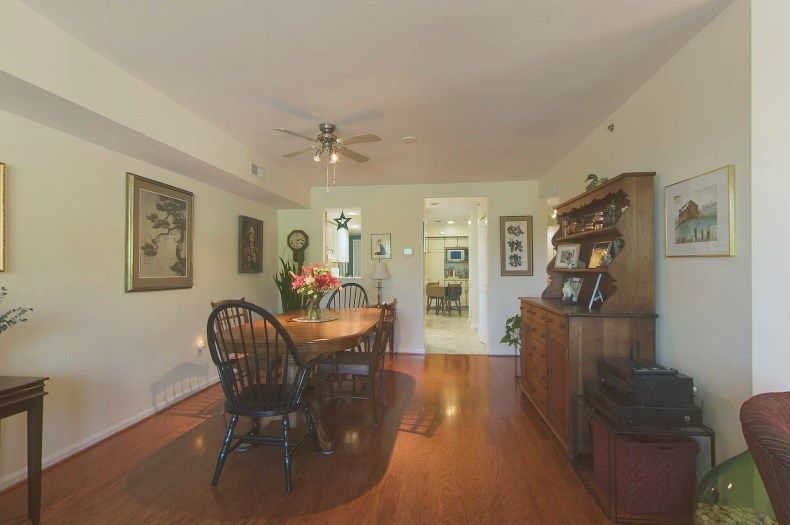
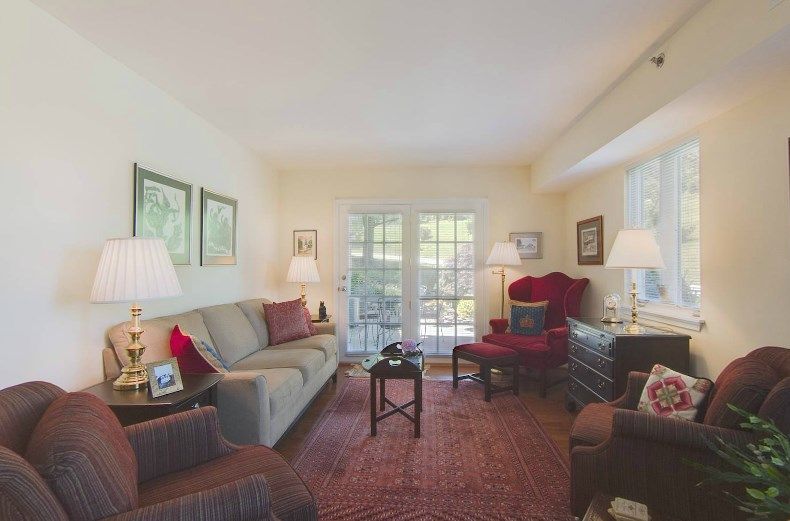
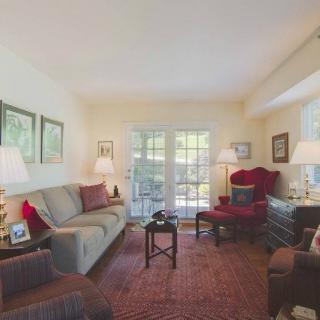
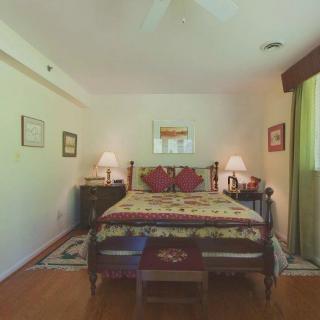
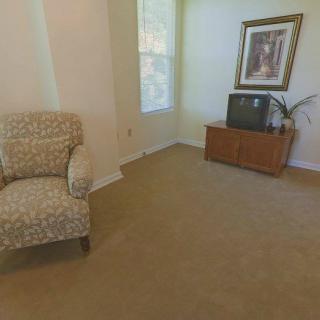
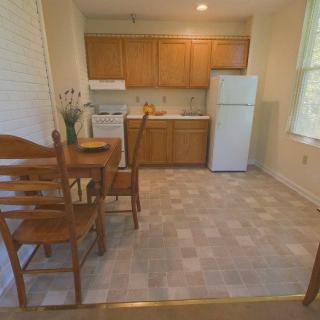
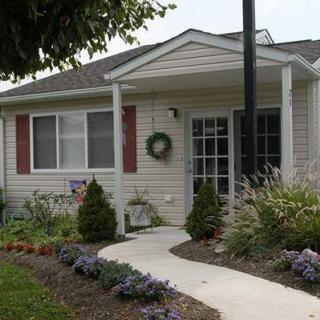
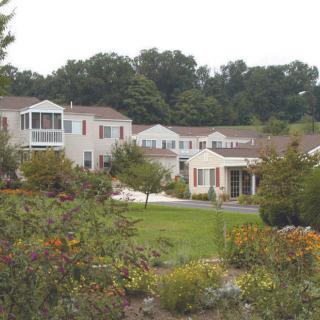
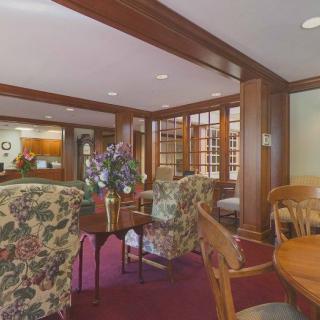
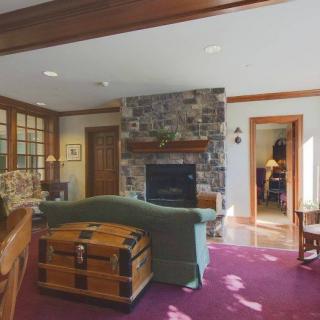
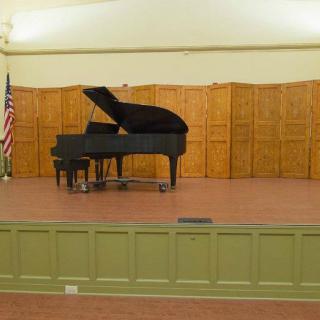
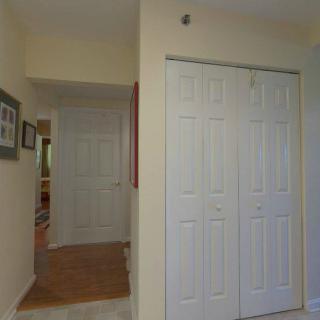
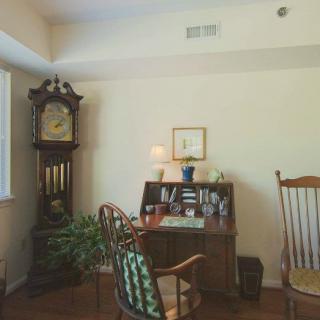
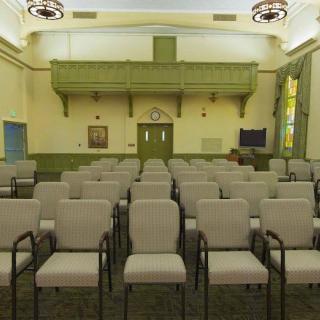
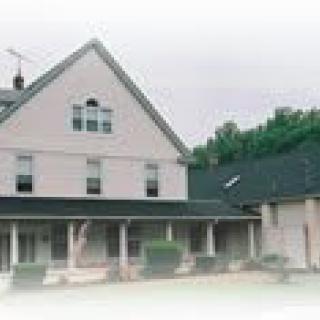
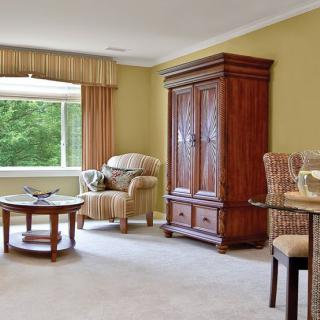
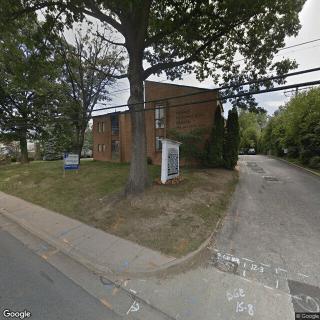
Glen Meadows Retirement Community on seniors.fyi includes 18 photos including images showing interior, dining, living room, decor, windows, landscaping, fireplace, kitchen, and more.
Nearby Communities
Glen Meadows
Glen Arm, MD
4.4 from 38 reviews
$1,958 to $3,220 / month
Safe, caring staff with engaging activities in a serene setting.
The Cottages of Perry Hall
Parkville, MD
4.4 from 114 reviews
$4,950 / month
Warm, home-like atmosphere with personalized, attentive care in a small, close-knit community.
Hampton Meadows
Towson, MD
3.8 from 14 reviews
$3,000 / month
Affordable pricing with Medicaid acceptance.
Quail Run Assisted Living Building 4
Parkville, MD
4.6 from 72 reviews
Intimate 16-bed setting with comprehensive care (ADL assistance, 24-hour supervision, medication management, and diabetes-friendly meals).
Quail Run Assisted Living Building 2
Parkville, MD
4.6 from 61 reviews
Small, personalized 16-bed setting with 24/7 care and engaging daily activities.
Quail Run Assisted Living Building 1
Parkville, MD
4.6 from 61 reviews
Comprehensive assisted living with 24/7 supervision, meals, and daily activities.
Oak Crest
Parkville, MD
4.3 from 60 reviews
$4,266 to $7,299 / month
Extensive amenities and a vibrant activities program, with strong independent living and restaurant-style dining.
Brightview Perry Hall
Nottingham, MD
4.7 from 131 reviews
$3,535 to $6,340 / month
Comprehensive care with seamless transitions between independent and assisted living, plus strong staff, dining, and activity options.
Home Instead - Towson, MD
Towson, MD
4.9 from 79 reviews
Punctual, compassionate caregivers with personalized care plans and responsive office staff.
The guide on holistic dementia care outlines the complexity of dementia and stresses the need for individualized caregiver strategies that include medical treatment, psychological support, and environmental adaptations, while emphasizing early detection, various therapeutic options, and caregiver support to enhance quality of life and maintain dignity.
"Memory Care Pathways: A Holistic Guide to Dementia Support" outlines the complexities of dementia and its various types, emphasizing early detection, patient-centered care strategies, caregiver support, and long-term care options while addressing legal and financial considerations to enhance the quality of life for individuals with dementia and their families.
Sundown syndrome, or sundowning, is a phenomenon in dementia patients characterized by increased confusion and agitation during late afternoon and evening, influenced by factors like disrupted circadian rhythms and fatigue. Effective caregiver strategies include establishing routines and managing environmental light while addressing caregiver stress through support services.
Get PricingAsk A QuestionSchedule A TourContact Senior Advisor
By clicking submit, you agree to our Partner's Terms of Use. You
also consent to receive calls and texts, which may be autodialed, from our Partner. Your consent is not a condition to
using our Partner's service. Please visit our Partner's Privacy Policy for information about their privacy practices.

 48 resident community capacity
 Assisted Living
 Continuing Care Retirement Community (CCRC)
 Independent Living
 Memory Care
 Skilled Nursing Facility
 Beauty salon
 Cable or satellite TV
 Fully furnished
 Garden
 Housekeeping services
 Kitchenette
 Move-in coordination
 Outdoor space
 Private bathrooms
 Wi-Fi/high-speed internet available
 Baltimore-Washington International (20 miles away)
 Community operated transportation
 24-hour call system
 Activities of daily living assistance
 Assistance with bathing
 Assistance with dressing
 Assistance with transfers
 Diabetes diet
 Meal preparation and service
 Medication management
 Special dietary restrictions
 Fitness programs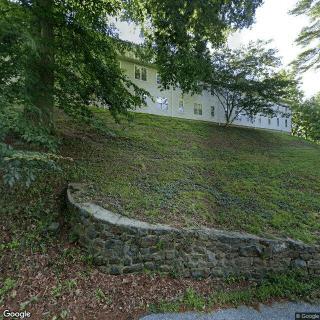
 Safe, caring staff with engaging activities in a serene setting.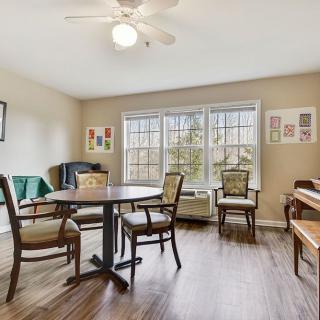


 A Holistic Dementia Care Guide: Effective Strategies for Memory Support
 Memory Care Pathways: A Holistic Guide to Dementia Support
 Comprehending Evening Confusion in Dementia: Causes, Manifestations, and Support