1412 Providence Road, Towson, MD 21286
To contact a resident: (410) 653-3480
For more information about senior living options: (866) 208-4318
Hampton Meadows Costs & Pricing
Hampton Meadows offers competitive pricing for its accommodations compared to the broader market in Baltimore County and throughout Maryland. With a monthly cost of $3,000 for private rooms, semi-private rooms, and one-bedroom apartments, residents benefit from significant savings; these rates are notably lower than the county averages of $4,031 for private rooms and $3,584 for semi-private options. Even when considering the state averages - $4,112 for private spaces and $3,904 for one-bedroom units - Hampton Meadows stands out as a more affordable choice without compromising on quality of care or comfort. This makes it an attractive option for individuals seeking value in their housing arrangements while remaining comfortably situated within the community.
| Floor plans | Hampton Meadows | Baltimore County | Maryland |
|---|---|---|---|
| Private | $3,000 | $4,031 | $4,112 |
| Semi-Private | $3,000 | $3,584 | $3,545 |
| 1 Bedroom | $3,000 | $3,722 | $3,904 |
Memory care communities with a similar price nearby
-
About the same

Residences at Vantage Point CCRC
$3,000 to $4,709 / month20.8 miles away -
from +$390 / mo
Commonwealth Senior Living at Bel Air
$3,390 to $6,180 / month13.9 miles away -
from +$535 / mo

Brightview Perry Hall
$3,535 to $6,340 / month5.8 miles away -
from +$295 / mo
Brightview Westminster Ridge
$3,295 to $4,970 / month24.0 miles away -
from +$475 / mo
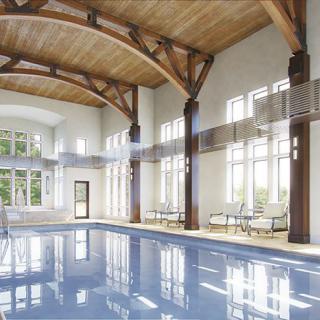
Brightview Severna Park
$3,475 to $5,275 / month23.4 miles away
Overall Review of Hampton Meadows
Pros
 They are very flexible with pricing and can negotiate rates.
- The staff are described as very nice, helpful, and caring toward residents.
- The food is a bright spot and is well-liked by residents.
- The facility is clean, home-like, and has a warm, welcoming atmosphere.
- They make efforts to provide socialization for patients and encourage interaction.
- The staff are wonderful, attentive, and consistently acknowledge visitors.
- The facility offers activities and transportation for excursions and shopping.
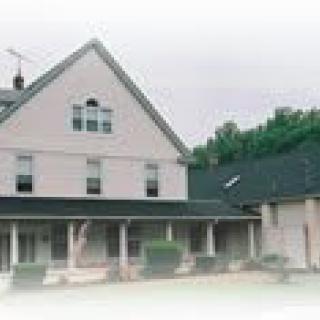
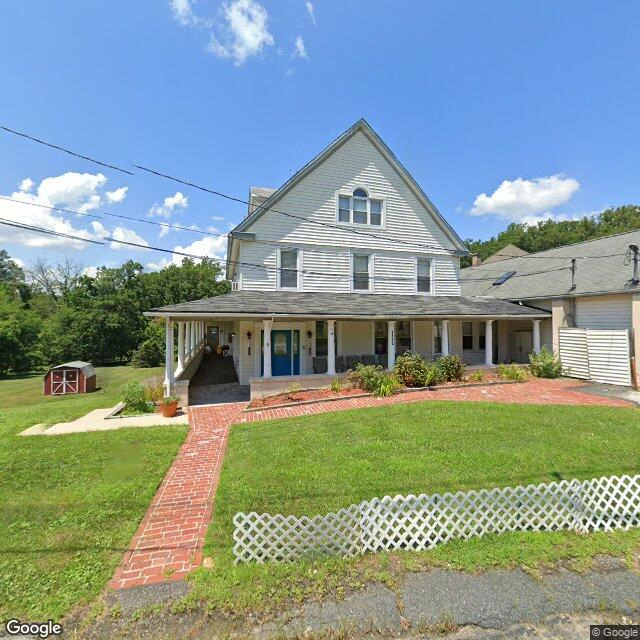
- The environment is pleasant, with a nice porch and well-maintained grounds.
Cons
 They are understaffed, with one overnight staff for 15 residents.
- They cannot adequately handle residents who are fall risks.
- They are not engaging and do not interact with the residents.
- They do the bare minimum they can get away with.
- Some staff sit around watching TV or using their phones instead of helping residents.
- They make residents sit and watch TV and get upset when they try to do anything else.
- There are no activities for residents.
- The facility is old, with narrow hallways and small spaces.
- They would not accept a resident using a wheelchair and misstate assessments.
- Bedrooms were not kept tidy, there was a urine smell, and aides yelled at a resident.
- The two-story building has no elevator, and residents share bathrooms (3-4 per bathroom).
Review
Hampton Meadows in Towson is best suited for families seeking an affordable, home-like assisted living option where social engagement and straightforward care matter more than luxury or high-intensity medical support. It works best for residents who are mostly independent with occasional assistance, who can tolerate an older, two-story building without an elevator, and who are comfortable sharing rooms if private accommodations are scarce. The community’s Medicaid-friendly pricing and willingness to negotiate can make it a sensible choice for budgets that must stretch without sacrificing a basic level of daily care and companionship.
Those who may want to consider alternatives include families facing high fall-risk needs or complex medical supervision, and anyone who requires consistently robust staffing and a highly engaging activity program. The overnight staffing pattern, described by some families as severely lean (one staff member for a large number of residents), raises concerns about supervision and timely intervention for fall risk or behavioral moments. If private rooms are non-negotiable, if elevator access is essential, or if a facility must reliably deliver highly proactive, around-the-clock engagement, other communities may be a better fit.
On the upside, the strongest pro set centers on affordability and atmosphere. Several reviewers highlight flexible pricing as a meaningful advantage, with real room for negotiation. Food, while not extravagant, is described as solid and well-liked by residents, contributing to weight stability and daily satisfaction. The staff mix ranges from genuinely caring and attentive to intermittently disengaged, yet several families praise staff who consistently acknowledge visitors, monitor residents, and encourage social interaction. Cleanliness and a homey, comfortable feeling show up in multiple visits, and the dining room environment can feel warm and welcoming, which helps residents settle in and participate in group activities. Transportation for outings and opportunities to socialize around activities are appreciated by families who want their loved ones to stay engaged.
The main drawbacks hinge on staffing and layout realities that can frustrate both residents and families. Understaffing appears to limit one-on-one attention and timely assistance, with some staff members perceived as more focused on screens than people. Residents reporting sensory issues, such as odors or unmade beds in some areas, signal that maintenance and housekeeping demands attention, especially given the building’s older footprint. The two-story design without an elevator, coupled with shared bathrooms in some rooms, may complicate mobility and privacy for residents with greater needs. Parking limitations, occasional miscommunications over room availability, and reports of inconsistent information from certain staff add another layer of caution for families evaluating the transition. These factors can erode confidence if not addressed proactively.
Ultimately, the strongest value at Hampton Meadows comes from balancing affordability with a genuine sense of care in the right moments. The positive experiences, friendly staff who engage residents, a clean, homey setting, and a dining program that residents describe as satisfying, can offset less favorable realities when families prepare carefully and verify care capabilities. For residents who can tolerate a shared room, a modestly aged building, and the risk-aware expectation of variable staffing, Hampton Meadows offers a practical, budget-conscious option with real social benefits and dependable basic care.
Practical decision steps are essential. Prospective families should verify current staffing ratios across shifts and request a candid tour at different times to observe interactions and responsiveness. Confirm whether the facility can accommodate fall-risk needs with a safe care plan and discuss any private-room waitlists, critical since private rooms may be unavailable. Examine current pricing in detail, including what is included and what would incur extra charges, and confirm Medicaid eligibility if applicable. Inspect room conditions, plumbing, cleanliness, and bathroom sharing arrangements, and ask about elevator access and accessibility for mobility devices. Finally, speak with several residents and families about their day-to-day experiences, and obtain a concrete timeline for room availability and move-in logistics before making a commitment. Hampton Meadows can be a reliable fit for the right family, provided due diligence is performed and expectations are aligned with what the community can reliably deliver.
 Studio apartments
 Board and Care Home
 Memory Care
 Activities off-site
 Bath tubs
 Beautician on-site
 Devotional services on-site
 Indoor common areas
 Outdoor common areas
 Private
 Private bathrooms
 Baltimore-Washington International (18 miles away)
 Ambulatory care
 Diabetic care
 High acuity care
 Incontinence care
 Medication management
 Meals provided






 22 Remarkable Caregiver Support Groups Available Online and In-Person
 Understanding Medicaid Coverage for Assisted Living: A Comprehensive Guide
 How and When Medicaid May Cover Assisted Living Costs