Comfort and Dignity Assisted Living in Beltsville, MD

Save

  • Interior

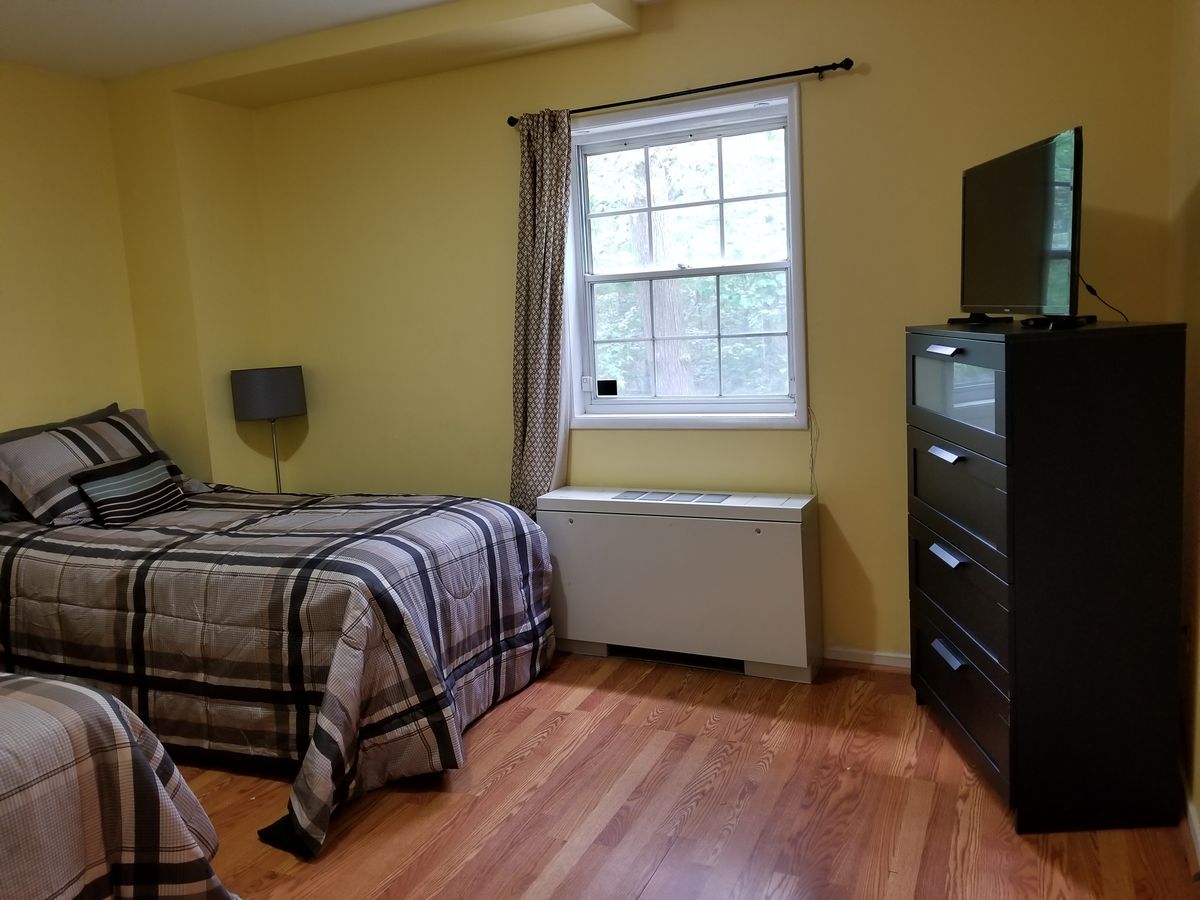
    A cozy bedroom with a bed, dresser, and a window letting in natural light.
  • Decor

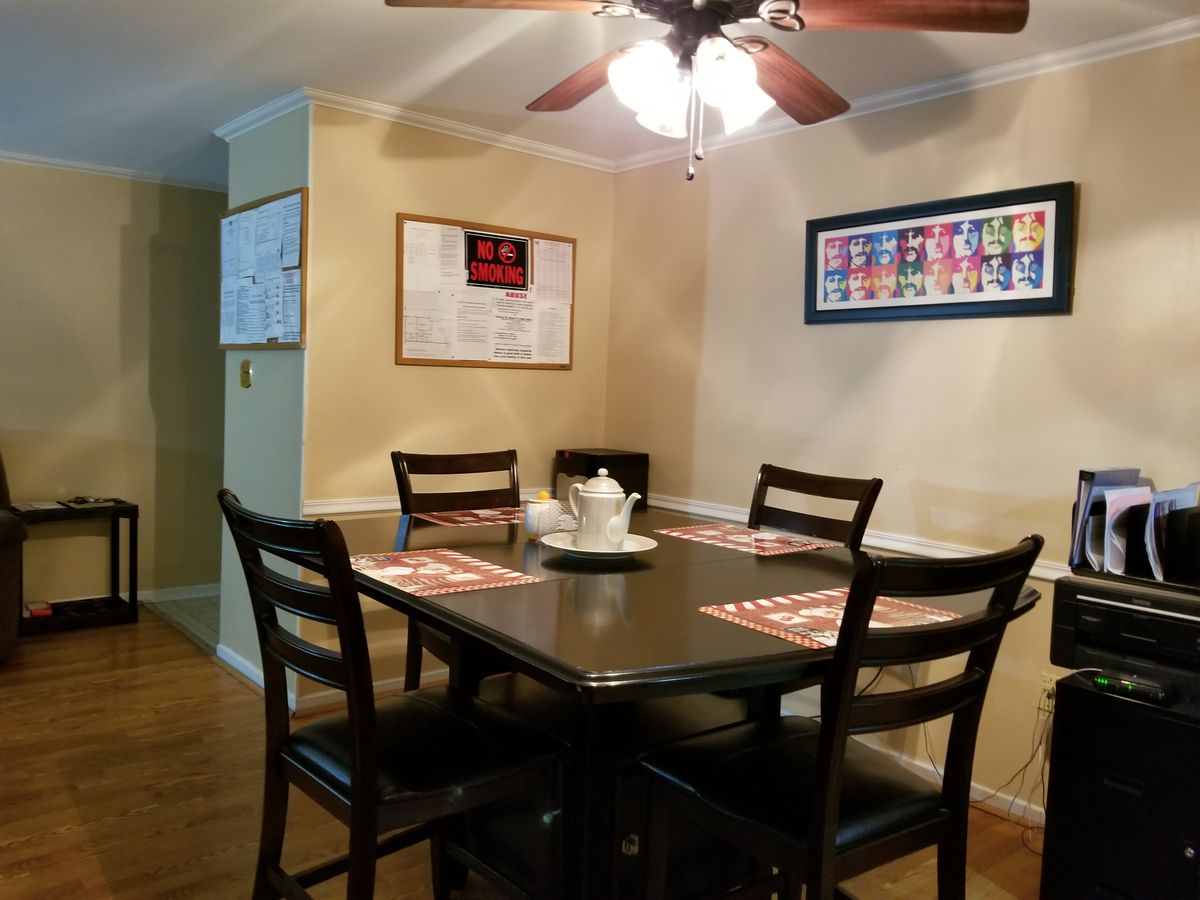
    A cozy dining room featuring a dark wooden table with four chairs, adorned with placemats and a centerpiece, under a ceiling fan and surrounded by artwork on the walls.
  • Living Room

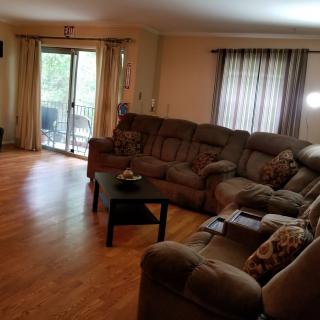
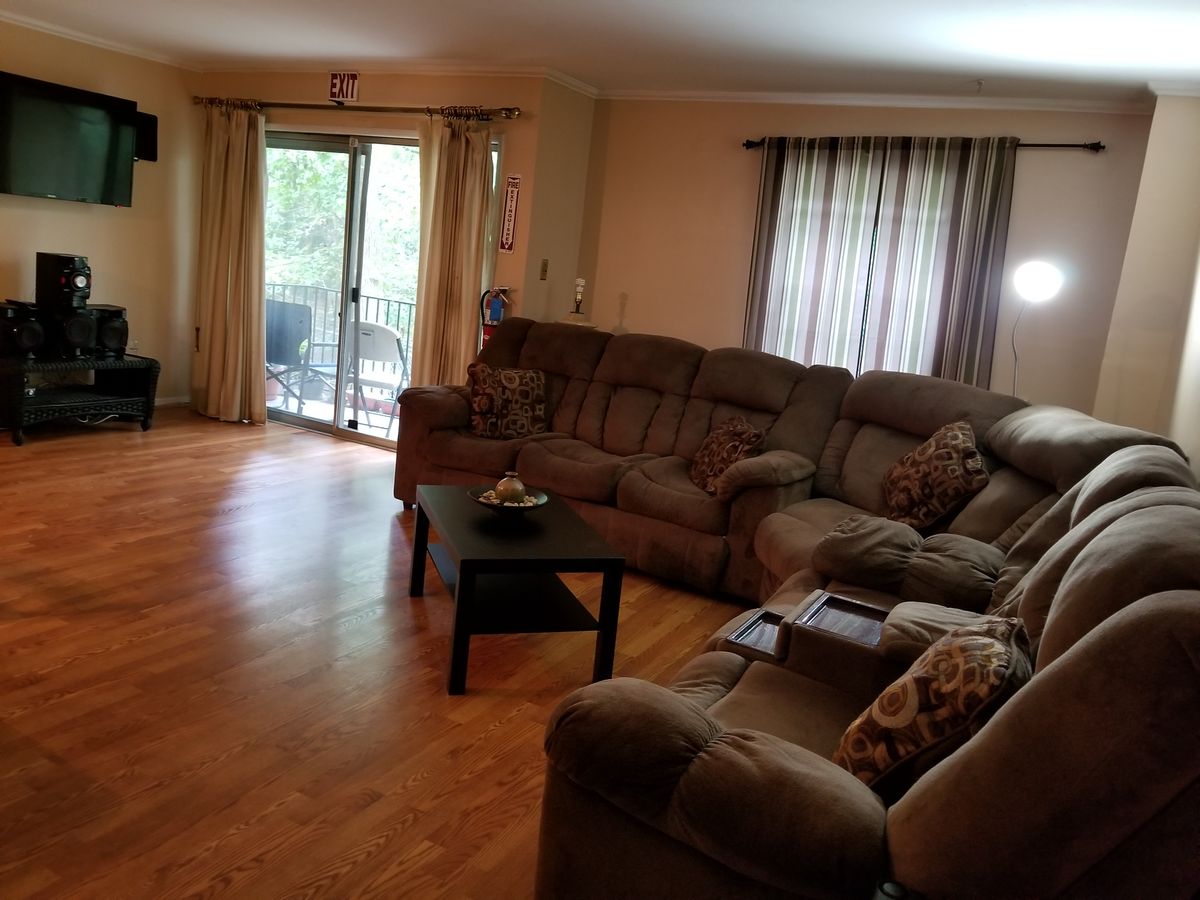
    A cozy living room with a sectional sofa, hardwood floors, and a sliding glass door leading to an outdoor area.
  • Bedroom

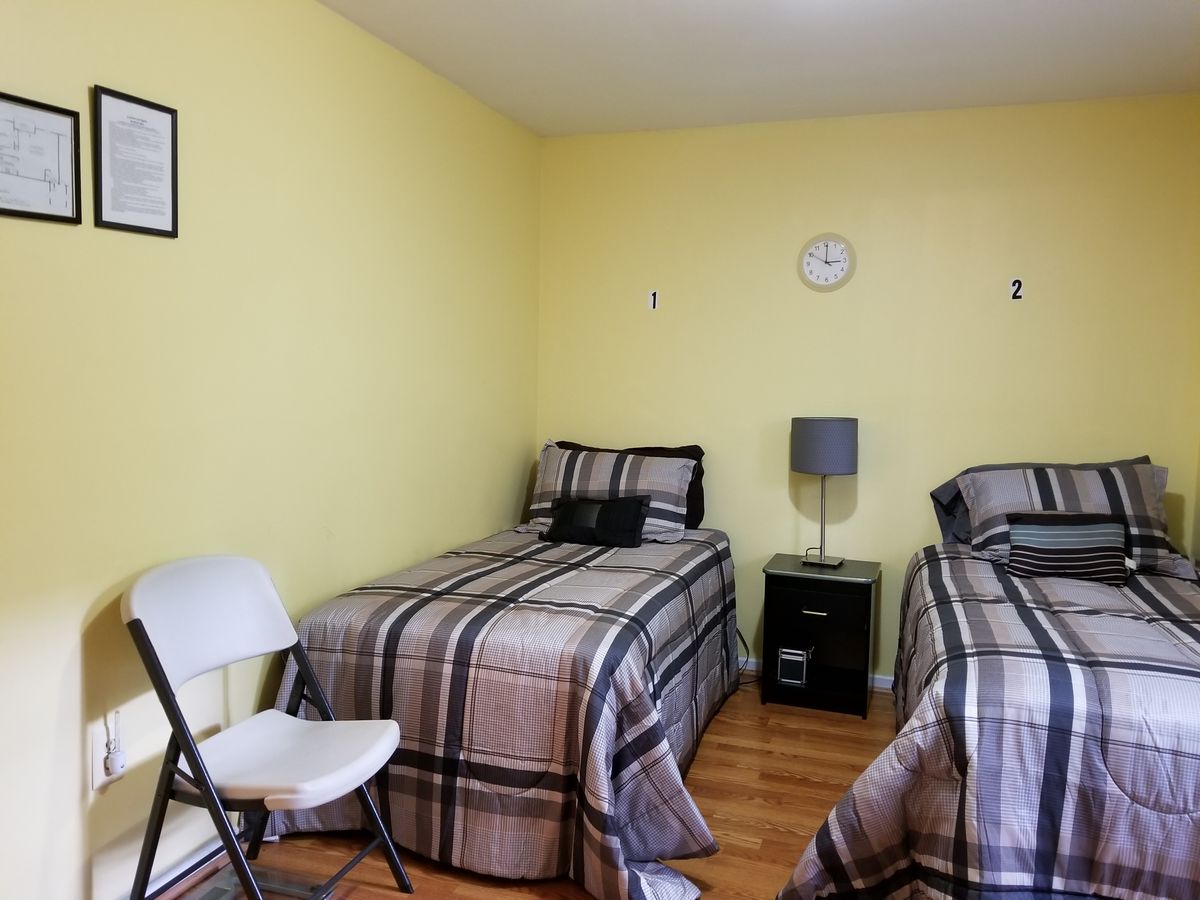
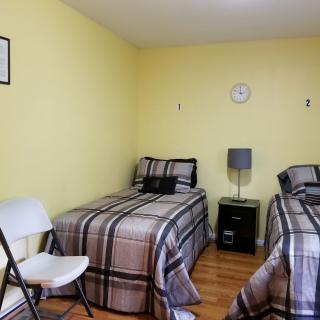
    A cozy bedroom with two single beds, a folding chair, and a small bedside table against yellow walls.
  • Windows

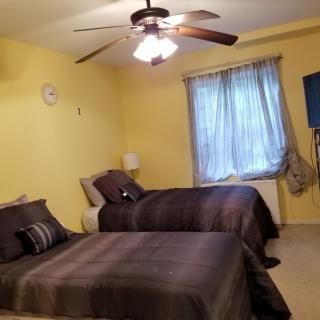
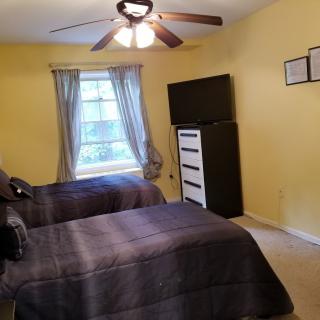
    A cozy bedroom with two beds, featuring a ceiling fan and yellow walls.
  • Bathroom

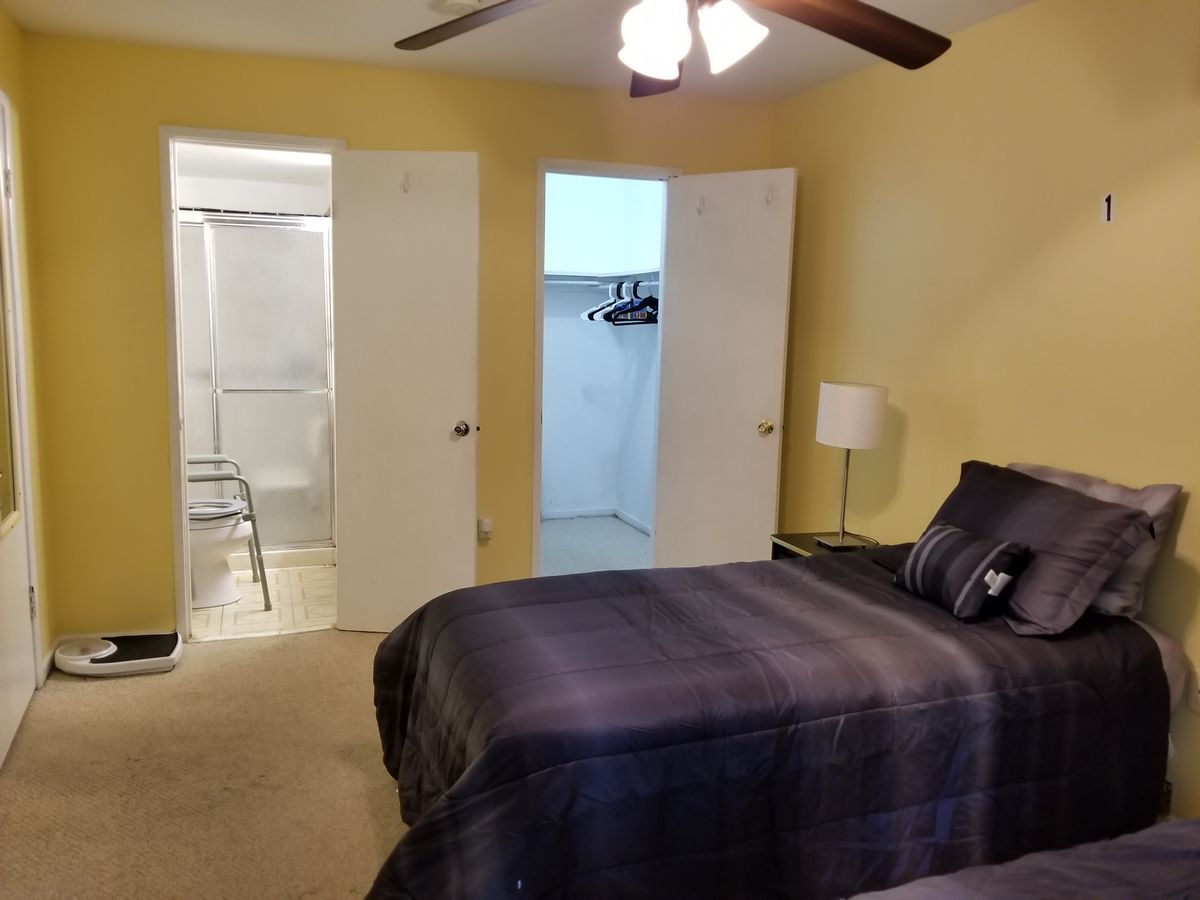
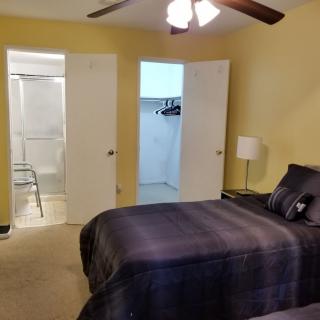
    A cozy bedroom with a bed, closet, and an adjoining bathroom.
  • Television

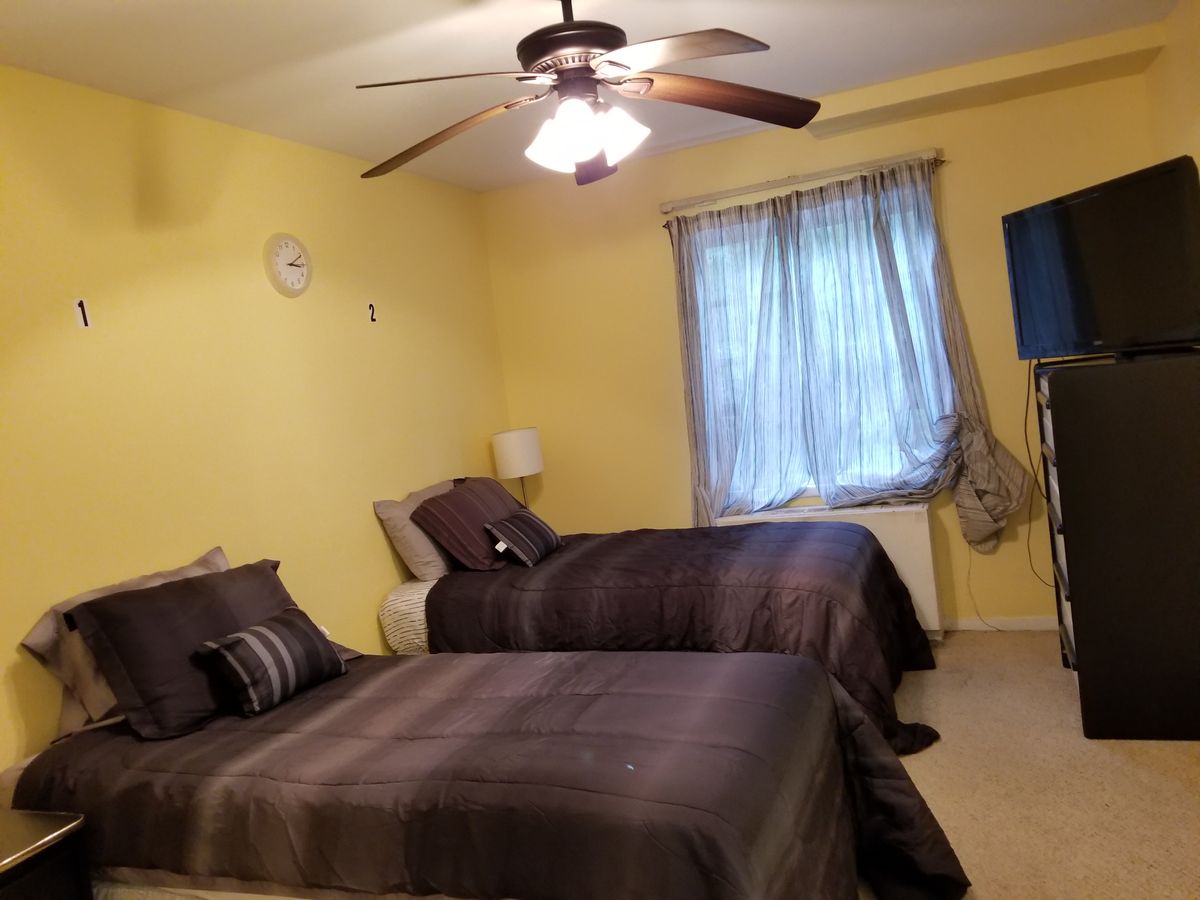
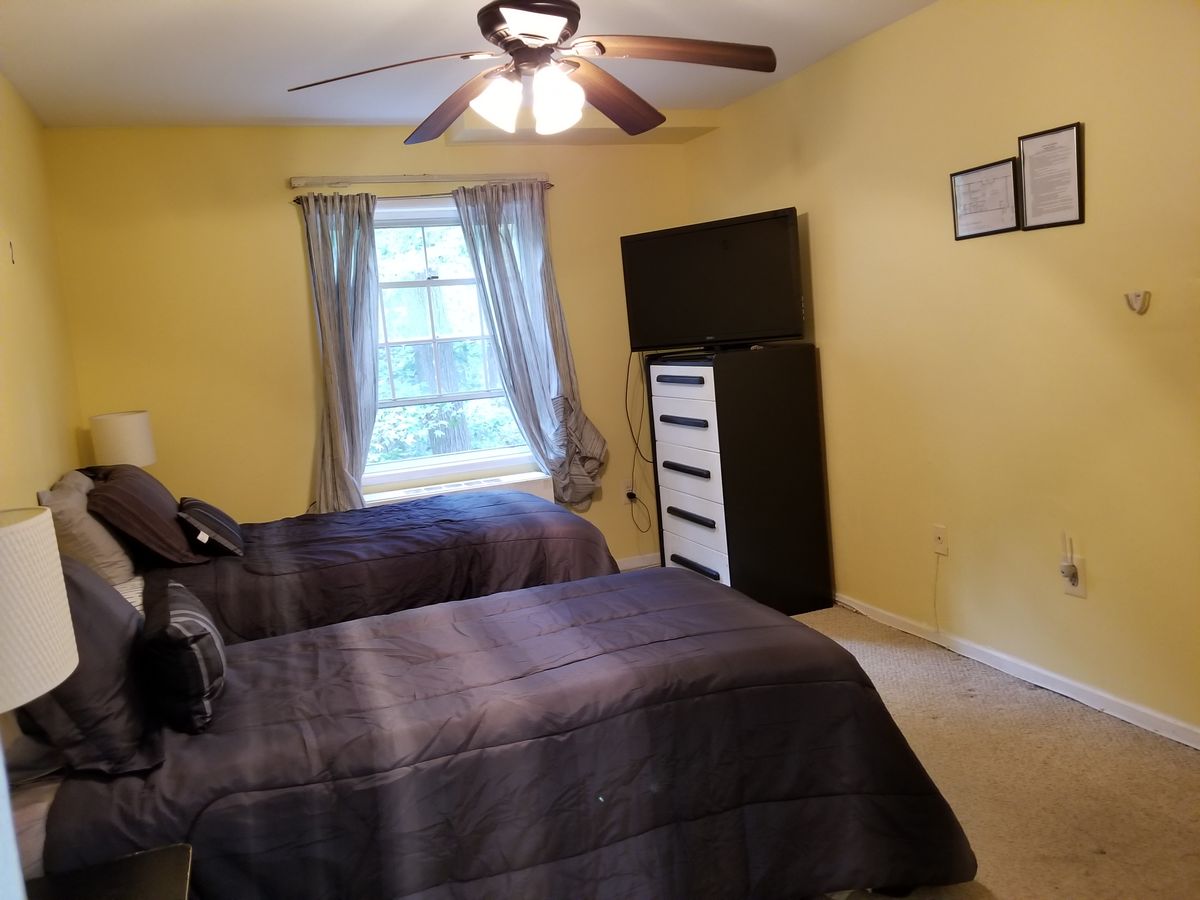
    A cozy bedroom with twin beds and a ceiling fan, featuring yellow walls and a window with curtains.

Comfort and Dignity Assisted Living in Beltsville, MD

Information last verified:

4403 Romlon Street, Beltsville, MD 20705

For more information about senior living options: (844) 490-3973

4.7 from 40 reviews
5 stars
34
4 stars
4
3 stars
0
2 stars
0
1 stars
2

Seniors.FYI Elite Community Awards

Top 5% Senior Living Community in 2025Top 5% Senior Living Community in 2026

Add this award to your website

Overall Review of Comfort and Dignity Assisted Living

Pros

  • pro The staff are consistently described as welcoming, patient, and caring, making residents feel like family.
  • pro Aden Kinfe, the marketing director, is repeatedly praised for kindness, sincerity, and ensuring residents receive excellent care.
  • pro Arden Courts is described as more than an assisted living facility; it’s a place that can truly be called home.
  • pro The meals are freshly prepared daily and not processed, which is highly valued by residents and families.
  • pro The nurses and care staff are praised for individualized attention, patience, and compassionate care.
  • pro The team’s long tenure and strong teamwork are highlighted as indicators of stability and dedication.
  • pro Families report a sense of peace of mind and confidence in the care provided for loved ones with dementia.
  • pro The community offers meaningful activities and a supportive environment that encourages resident engagement.

Cons

  • pro One reviewer describes Arden Courts as “hell” and alleges that the staff killed her.
  • pro A reviewer claims Arden Courts left a fall-prone resident unattended, leading to a broken hip and death, and calls for an investigation into negligence.
  • pro A reviewer notes that the facility’s monthly cost is high, implying concerns about value for money.
  • pro A reviewer complains that staff won’t pick up the phone for people living outside the U.S., indicating poor communication.
  • pro A reviewer states that Arden Courts makes residents’ lives dull of meaning and engagement due to insufficient activities.

Review

This community is best suited for families pursuing memory-care–intensive assisted living in a setting that feels like home, with a highly engaged, consistently staffed team. The reviews consistently highlight a warm, welcoming culture where residents are treated with patience, kindness, and real attention to individual personalities. A home-like atmosphere, a clean and pleasant environment, and meals prepared daily on site are not afterthoughts here; they are core expectations. The strongest case rests on a long-tenured staff who know residents well, led by hands-on leaders who maintain a positive, can-do climate. For families prioritizing dementia-appropriate programming, meaningful daily activities, and reliable on-site nursing, this model frequently proves reassuring and effective.

Those considering alternatives should be aware of two clear signals. First, if memory care is not required or if a more independent (or less intensive) assisted-living track is sought, other options may better fit budget and lifestyle preferences. Second, while the community described in these reviews emphasizes care quality and stability, there are occasional cautions about cost and accessibility for some families. Several reviewers note that the monthly cost is high, even as they acknowledge the value delivered. A few critiques also touch on communication friction or outlier safety concerns, underscoring the importance of asking hard questions about what is included, how and when families are updated, and how 24/7 medical oversight is actually delivered in practice.

The most persuasive pros align squarely with the needs of families navigating memory care. Staffing stands out as the backbone: a team that shows up with warmth, smiles, and a readiness to address needs promptly. Specific staff members, such as the marketing lead who helps families feel welcomed from the first contact, the RN who provides attentive daily care, and activity leaders who organize engaging programs, are repeatedly praised. Longevity among staff translates into continuity of care and a stable, familiar routine for residents. The care is described as individualized, with facilities designed to manage cognitive impairment, and with dedicated on-site nursing and regular physician input. Add to that a robust activity calendar, pets or animal visits, and a dining program that emphasizes fresh, non-processed food, and the overall picture is of a thoughtfully curated, resident-centered environment.

The main cons, chiefly cost and the potential for outlier safety or communication issues, do not erase the upside, but they do merit candid consideration. The fact that a few reviews call out high prices means families will want a transparent, itemized understanding of what services and care levels drive those costs. A particularly stark negative post from years past underscores the seriousness with which families should approach any memory-care operation: check current safety records, incident reporting, and the facility’s response protocols, and ask for recent performance data and third-party assessments. On the communication front, occasional notes about responsiveness to distant families remind prospective residents to verify how updates are delivered and by whom, ensuring a reliable feedback loop even when relatives are not physically present.

Taken together, the weight of the positive experiences points toward a clear decision signal: for families prioritizing dementia care with a proven, people-first staff culture, the benefits, exceptional caregiver engagement, stable leadership, meaningful daily activities, and a home-like, clean environment, often justify the premium. The combination of on-site nursing, a long-standing team, and a program that actively slows disengagement makes this a compelling option for loved ones whose daily routines hinge on consistent, compassionate supervision and purposeful engagement. Those evaluating Comfort and Dignity should map each loved one’s cognitive needs, desired level of interaction, and financial realities against these strengths, while also validating that the day-to-day experience matches the high standards reflected in the best reviews.

In practical terms, families weighing Comfort and Dignity should probe for specifics that directly affect daily life: exact staff-to-resident ratios across shifts; the credentials and availability of on-site nursing and regular medical oversight; the design features that keep memory-care residents safe yet engaged; the cadence of family communication, especially for out-of-area relatives; and the daily menu and opportunities for meaningful activities, arts, trivia, live-animal programs, and intergenerational interactions. Ask to shadow a typical day, review sample menus, and meet frontline caregivers who interact with a resident’s specific needs. Finally, compare the overall value proposition against other memory-care communities in the Beltway area to ensure that the chosen path balances peace of mind with sustainable cost.

Bottom line: for families seeking a memory-care environment where staff longevity, individualized attention, and an active, home-like daily life are non-negotiables, this model is a strong, credible option. Comfort and Dignity should be evaluated through the lens of these proven strengths, with a careful eye toward cost, consistent communication, and rigorous safety practices. If memory care is essential and the budget accommodates it, this approach often delivers the dependable, compassionate care families want and residents deserve. If memory care needs are less pronounced or cost constraints are decisive, exploring alternatives with lower financial overhead and similar caregiver dedication may be the prudent next step.

Features

Housing

  • 4 resident community capacity 4 resident community capacity

Types of Care

  • Assisted Living Assisted LivingAssisted living facilities provide crucial support and care for seniors who may need help with daily tasks such as medication management, bathing, and meal preparation. These communities offer a safe and comfortable environment where seniors can maintain their independence while receiving the assistance they need to thrive in their golden years.
  • Board and Care Home Board and Care HomeBoard and care homes provide a smaller, more intimate setting for seniors who require assistance with daily tasks but do not need the level of care offered by a nursing home. They offer personalized care, meals, and social activities in a homelike environment, ensuring that seniors receive individualized attention and support in their golden years.
  • Memory Care Memory CareMemory care is crucial for seniors as it provides specialized support and services for individuals with dementia or Alzheimer's disease. These programs offer a safe and secure environment where residents receive personalized care, cognitive stimulation, and help with daily activities. Memory care helps seniors maintain their independence, quality of life, and dignity while also providing peace of mind for their families.

Amenities

  • Cable or satellite TV Cable or satellite TVCable or satellite TV is important for seniors because it provides entertainment, news, and companionship, helping to combat loneliness and boredom. It also offers a wide range of programming options tailored to different interests and preferences.
  • Dining room Dining roomDining rooms are important for seniors as they provide a space for socialization, connection, and nutritious meals. They offer opportunities for residents to bond over shared meals, foster a sense of community, and promote healthy eating habits. Dining rooms also ensure that seniors have access to well-balanced meals tailored to their dietary needs and preferences.
  • Fully furnished Fully furnishedFully furnished senior living communities are important for seniors because they provide convenience, comfort, and a hassle-free moving experience. Seniors can easily settle into their new living space without the stress of having to buy and move furniture. This allows them to focus on enjoying their new home and community.
  • Garden GardenGardens are important for seniors as they provide a peaceful and therapeutic environment for relaxation, physical activity, and socialization. Being in nature has been shown to reduce stress, improve mood, and promote overall well-being. Gardens also offer opportunities for seniors to engage in gardening activities, which can improve mobility, flexibility, and cognitive function. Additionally, gardens create a sense of community and connection with others who share a passion for plants and outdoor spaces.
  • Housekeeping services Housekeeping servicesHousekeeping services are important for seniors because they help maintain a clean and safe living environment, promote independence, and reduce the risk of accidents or illnesses. Additionally, having assistance with household chores can alleviate physical strain and allow seniors to focus on other aspects of their well-being.
  • Move-in coordination Move-in coordinationMove-in coordination is important for seniors because it helps ease the transition into their new living environment. It ensures that all logistics, such as packing, organizing movers, and setting up utilities are taken care of, allowing seniors to focus on settling in and adjusting to their new home. Having a smooth move-in process can alleviate stress and anxiety, making the transition smoother and more enjoyable for seniors.
  • Outdoor space Outdoor spaceOutdoor spaces are important for seniors as they provide opportunities for physical activity, social interaction, exposure to natural light and fresh air, and a sense of connection to nature. Having access to outdoor spaces can improve overall well-being and quality of life for older adults living in senior communities.
  • Small library Small librarySmall libraries are important for seniors as they provide access to a variety of reading materials, including books, newspapers, and magazines. This can help stimulate their minds, keep them engaged, and provide a sense of community through book clubs and other social activities. Additionally, reading has been shown to improve cognitive function and overall mental well-being in older adults.
  • Telephone TelephoneTelephones are important for seniors as they provide a lifeline for communication with loved ones, emergency services, and healthcare providers. They offer a sense of security and independence, enabling seniors to stay connected and access assistance when needed.

Transportation

  • Ronald Reagan Washington National (14 miles away) Ronald Reagan Washington National (14 miles away)
  • Baltimore-Washington International (17 miles away) Baltimore-Washington International (17 miles away)

Care Services

  • 24-hour supervision 24-hour supervision24-hour supervision is important for seniors to ensure their safety, well-being, and access to immediate assistance in case of emergencies or health issues. This constant support provides peace of mind for both seniors and their loved ones, allowing them to age in place with dignity and security.
  • Activities of daily living assistance Activities of daily living assistanceActivities of daily living assistance are important for seniors because they provide essential support with tasks such as eating, bathing, dressing, and mobility. This assistance helps seniors maintain their independence, dignity, and overall quality of life as they age.
  • Assistance with bathing Assistance with bathingAssistance with bathing is crucial for seniors as it helps maintain personal hygiene, prevents infections, and ensures their overall well-being and comfort. It also provides a sense of dignity and independence for seniors who may struggle with this task on their own.
  • Assistance with dressing Assistance with dressingAssistance with dressing is important for seniors because it helps maintain their independence, promotes personal hygiene, prevents accidents and injuries, and improves overall quality of life. This service ensures that seniors can continue to dress comfortably and confidently, despite any physical limitations they may have.
  • Assistance with transfers Assistance with transfersAssistance with transfers is crucial for seniors as it helps prevent falls and injuries, maintains their independence, and ensures they can safely navigate their living environment. It also provides peace of mind for both seniors and their loved ones.
  • Diabetes diet Diabetes dietA diabetes diet is crucial for seniors as it helps manage blood sugar levels, reduce risks of complications, and improve overall health and well-being. By following a balanced and nutritious diet tailored to their specific needs, seniors can better control their diabetes and enhance their quality of life.
  • Meal preparation and service Meal preparation and serviceMeal preparation and service are crucial for seniors as they may have limited mobility or energy to cook nutritious meals. Having access to healthy and convenient food options can ensure they are getting the proper nutrition needed to maintain their overall health and well-being.
  • Medication management Medication managementMedication management is crucial for seniors to ensure they are taking the right medications at the correct dosages and times. This helps prevent adverse drug interactions, reduces the risk of medication errors, and promotes overall health and well-being. Proactive management also allows for adjustments as needed based on changing health conditions or new prescriptions.
  • Mental wellness program Mental wellness programMental wellness programs are essential for seniors as they promote cognitive stimulation, emotional support, and social engagement. These programs help prevent isolation, depression, and cognitive decline, ultimately enhancing the overall quality of life for older adults.
  • Mild cognitive impairment Mild cognitive impairment"Mild cognitive impairment" is important for seniors because it is an early stage of cognitive decline that can potentially progress to more severe conditions such as dementia. Recognizing and addressing mild cognitive impairment can help seniors receive appropriate care and support to maintain their quality of life and independence for as long as possible.
  • Special dietary restrictions Special dietary restrictionsSpecial dietary restrictions are important for seniors because age-related changes in metabolism and health conditions can make it difficult for their bodies to process certain foods. By following a diet tailored to their specific needs, seniors can maintain their overall health and well-being, manage chronic conditions, and reduce the risk of complications such as malnutrition or food interactions with medications.

  • Specialized memory care programming Specialized memory care programmingSpecialized memory care programming is crucial for seniors with cognitive impairments such as dementia or Alzheimer's disease. These programs provide a safe and supportive environment tailored to the unique needs of individuals with memory loss, helping them maintain their independence, dignity, and quality of life.

Dining

  • Diabetes diet Diabetes dietA diabetes diet is crucial for seniors as it helps manage blood sugar levels, reduce risks of complications, and improve overall health and well-being. By following a balanced and nutritious diet tailored to their specific needs, seniors can better control their diabetes and enhance their quality of life.
  • Special dietary restrictions Special dietary restrictionsSpecial dietary restrictions are important for seniors because age-related changes in metabolism and health conditions can make it difficult for their bodies to process certain foods. By following a diet tailored to their specific needs, seniors can maintain their overall health and well-being, manage chronic conditions, and reduce the risk of complications such as malnutrition or food interactions with medications.

Activities

  • Community-sponsored activities Community-sponsored activitiesCommunity-sponsored activities are important for seniors as they provide opportunities for social interaction, mental stimulation, and physical activity. These activities can help improve overall well-being, combat loneliness and isolation, and promote a sense of belonging and purpose among older adults.
  • Scheduled daily activities Scheduled daily activitiesScheduled daily activities are important for seniors because they provide structure, socialization, mental stimulation, and physical activity. Engaging in regular activities can improve overall well-being and quality of life for seniors living in a community setting.

Description

Comfort and Dignity Assisted Living in Beltsville, MD is a welcoming and supportive community that offers various types of care including Board and Care Home and Memory Care. Our mission is to provide a comfortable and dignified living environment for our residents while ensuring their safety and well-being.

Our community boasts a range of amenities designed to enhance the quality of life for our residents. We have a spacious dining room where nutritious meals are served, catering to special dietary restrictions if needed. Each living space is fully furnished, providing a cozy and homely feel. Our outdoor space includes a beautiful garden where residents can relax and enjoy nature. We also offer housekeeping services to ensure that our residents' living areas are always clean and tidy.

At Comfort and Dignity Assisted Living, we understand that moving can be a challenging process. That's why we offer move-in coordination services to assist our residents in transitioning smoothly into their new home. Our small library provides an opportunity for residents to indulge in their love for reading, while telephone access ensures easy communication with loved ones.

Our dedicated staff provides personalized care services tailored to meet the individual needs of each resident. This includes assistance with activities of daily living such as bathing, dressing, and transfers. We also offer specialized care for individuals with diabetes or mild cognitive impairment. Medication management is provided by trained professionals to ensure proper administration.

Keeping mental wellness at the forefront, we have implemented a comprehensive mental wellness program that promotes social engagement and emotional well-being among our residents. Additionally, our specialized memory care programming caters to those with memory impairments, providing a safe environment and stimulating activities.

Residents at Comfort and Dignity Assisted Living can look forward to engaging daily activities organized by our staff. These activities aim to enhance social interaction, physical fitness, creativity, and overall enjoyment of life.

Conveniently located in Beltsville, MD, our community offers easy access to nearby amenities. There are parks, pharmacies, physicians, restaurants, and places of worship in close proximity. We also provide transportation services to ensure that our residents can easily access these local establishments.

At Comfort and Dignity Assisted Living, we prioritize the comfort, dignity, and overall well-being of our residents. With a compassionate staff and a range of services to support their needs, our community is an ideal place for seniors seeking a caring and enriching living environment.

Nearby Places of Interest

Restaurants

  • McDonald's (1.3 miles)
  • McDonald's (2.2 miles)
  • First Watch (5.6 miles)
  • McDonald's (5.9 miles)
  • McDonald's (6.2 miles)
  • Denizens Brewing Co. (6.2 miles)
  • McDonald's (6.4 miles)

Places of Worship

  • College Park United Methodist Church (1.4 miles)
  • Christ Congregational Church (5.1 miles)
  • Basilica of the National Shrine of the Immaculate Conception (7.9 miles)

Transportation

  • Greenbelt Station (1.6 miles)
  • Greenbelt Metro Station (1.6 miles)
  • College Park - University of Maryland Metro Station (3.7 miles)
  • Prince George's Plaza Metro Station (4.8 miles)
  • West Hyattsville Metro Station (5.7 miles)
  • New Carrollton Amtrak Station (6.4 miles)
  • Forest Glen Metro Station (6.4 miles)

Parks

  • Duvall Playground (1.9 miles)
  • High Ridge Park (6.6 miles)
  • Fort Slocum Park (6.8 miles)
  • Georgian Forest Park & Tennis Courts (7.8 miles)
  • Rock Creek Park (8 miles)
  • Chevy Chase Park (8.4 miles)
  • Winding Creek Local Park (9 miles)

Pharmacies

  • CVS Pharmacy (2.3 miles)
  • Kaiser Permanente - Pharmacy (2.4 miles)
  • Walgreens (3.1 miles)
  • Greenbelt Co-op Supermarket & Pharmacy (3.3 miles)
  • CVS Pharmacy (3.6 miles)
  • CVS Pharmacy (3.7 miles)
  • CVS Pharmacy (4.3 miles)

Physicians

  • Allergy Partners of Metro DC (4.7 miles)
  • Rochelle Hardy Md (6 miles)
  • Ford Medical Associates (6 miles)
  • Mary's Center (7 miles)
  • Eternal Dermatology (8.3 miles)
  • Dr Vanessa Allen (8.4 miles)
  • Capitol Medical Group (8.5 miles)

Cafes

  • Vigilante Coffee (5.5 miles)
  • Starbucks (5.9 miles)
  • Starbucks (6.4 miles)
  • Lost Sock Roasters (6.4 miles)
  • Starbucks (8.7 miles)

Hospitals

  • Holy Cross Hospital (6 miles)
  • Medstar Washington Hospital Center (8.5 miles)
  • Children's National Medical Center (8.6 miles)
  • Howard University Hospital (9.4 miles)

Theaters

  • Alamo Drafthouse Cinema DC Bryant Street (8.5 miles)

Frequently Asked Questions

Where is Comfort and Dignity Assisted Living?
Does Comfort and Dignity Assisted Living provide care for residents with dementia or Alzheimer's disease?
What photos are available for Comfort and Dignity Assisted Living in Beltsville, Maryland?

Nearby Communities

  • 2 Rn's

    2 Rn's

    Beltsville, MD


    pro Comprehensive in-house care with meals, medication management, and transportation.


  • Monique's Home

    Monique's Home

    Beltsville, MD

    4.8 from 5 reviews
    $2,200 to $3,000 / month

    pro Compassionate, personalized care in a clean, home-like setting.

  • Jubilee Healthcare Resources,  Inc.

    Jubilee Healthcare Resources, Inc.

    College Park, MD


    pro Good access to cafes, pharmacies, parks, dining, transit, and worship nearby.

  • Serendipity in Beltsville

    Serendipity in Beltsville

    Beltsville, MD

    5 from 4 reviews
    $2,900 to $3,500 / month

    pro Immaculate, welcoming environment with knowledgeable, caring staff and individualized care.

  • Golden Touch Care

    Golden Touch Care

    Beltsville, MD

    3.5 from 4 reviews
    $1,800 to $2,500 / month

    pro Attentive staff and well-planned meals with medication management that preserves independence.

  • S & U Assisted Living

    S & U Assisted Living

    Beltsville, MD

    5 from 5 reviews
     

    pro Vibrant activities and on-site dining; personalized care.

  • Riderwood

    Riderwood

    Silver Spring, MD

    4.1 from 70 reviews
    $5,283 to $9,400 / month

    pro Active community with attentive staff and varied dining options.

  • Avonlea Ridge Assisted Living

    Avonlea Ridge Assisted Living

    Silver Spring, MD

    4.2 from 9 reviews
    $3,500 to $5,000 / month

    pro Caring, experienced staff in a home-like, clean environment with personalized care.

  • Crescent Cities Nursing & Rehabilitation Center

    Crescent Cities Nursing & Rehabilitation Center

    Riverdale, MD

    4.3 from 110 reviews
     

    pro Extensive amenities and comprehensive care

Related Resources

  • when to move from assisted living to memory careWhen to Transition from Assisted Living to Memory Care: Key Indicators, Steps, and Finding the Right Community

    Transitioning from assisted living to memory care is driven by an individual's cognitive decline and specific needs, requiring careful evaluation of indicators like increased confusion and wandering. The process involves consulting medical professionals, researching suitable communities, considering financial and legal aspects, and ensuring effective communication for personalized care plans.

  • assisted living vs memory careUnderstanding the Distinctions: Assisted Living and Memory Care Explained

    The article differentiates between assisted living and memory care, explaining that assisted living supports seniors with daily activities while promoting independence, whereas memory care provides specialized services for individuals with dementia, focusing on secure environments and cognitive support. It also addresses staff training, safety considerations, costs, family involvement, and transition strategies for families navigating these care options.

  • how to talk to someone with dementiaHow to Communicate with a Loved One Living with Dementia: 10 Supportive Strategies
    The article outlines effective communication strategies for interacting with loved ones with dementia, highlighting the need for empathy, patience, and understanding while emphasizing supportive approaches like using simple language, minimizing distractions, and focusing on feelings over facts to maintain dignity and foster connection. It also suggests seeking professional guidance when needed as communication challenges evolve.