
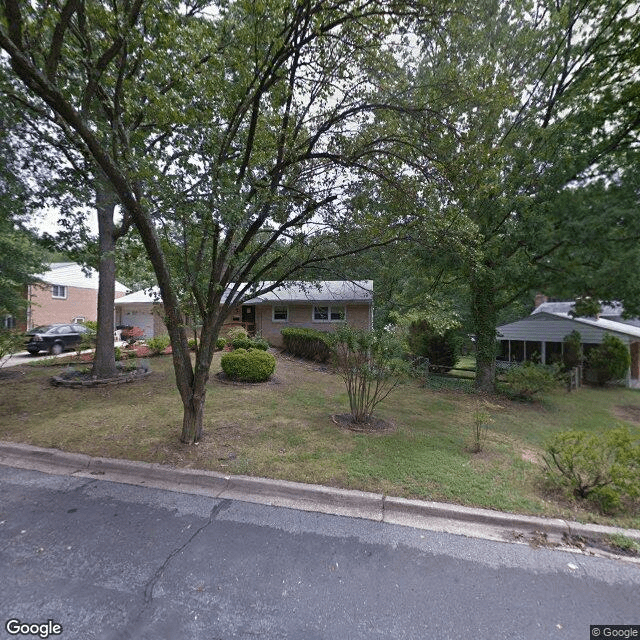
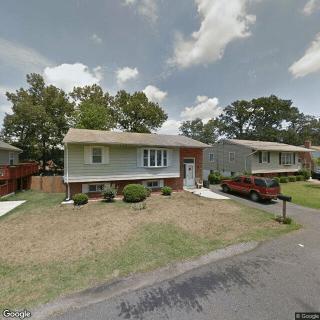
11329 Frances Drive, Beltsville, MD 20705
For more information about senior living options: (866) 208-4318
Monique's Home Costs & Pricing
Monique's Home offers competitive pricing compared to both Prince George's County and the broader Maryland state averages. For a semi-private room, Monique's Home charges $2,200 per month, significantly lower than the county average of $3,058 and the state average of $3,545. Private rooms are similarly cost-effective at $2,500, compared to $3,792 in Prince George's County and $4,112 statewide. Even in terms of one-bedroom accommodations, Monique's Home remains an attractive option at $3,000 per month versus the county's average of $3,568 and the state average of $3,904. Overall, Monique's Home stands out as a budget-friendly choice without compromising on comfort or quality.
| Floor plans | Monique's Home | Prince George's County | Maryland |
|---|---|---|---|
| Semi-Private | $2,200 | $3,058 | $3,545 |
| Private | $2,500 | $3,792 | $4,112 |
| 1 Bedroom | $3,000 | $3,568 | $3,904 |
Memory care communities with a similar price nearby
-
from -$200 / mo
Eby Health Services II
$2,000 to $3,000 / month20.6 miles away -
from +$300 / mo
Amazing Grace Senior Care
$2,500 to $3,000 / month7.8 miles away -
from +$270 / mo
Ovalstone Comfort Home
$2,470 to $3,300 / month10.7 miles away -
from -$100 / mo
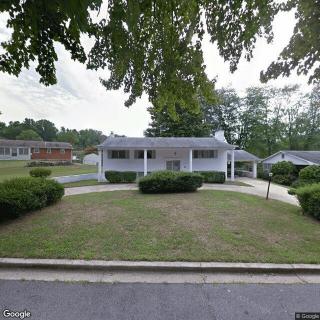
Mamie's Loving Care III
$2,100 to $3,000 / month16.8 miles away -
from -$200 / mo
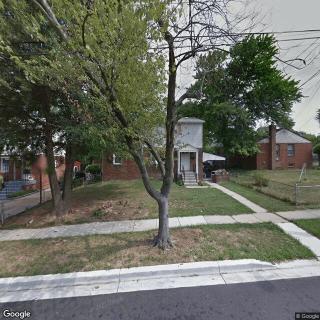
Senior's Place
$2,000 to $2,500 / month2.0 miles away
Overall Review of Monique's Home
Pros
 They regard Monique’s Assisted Living as one of the best they have seen.
- The owner has a true insight on how to dignify another human.
- The environment is clean, friendly, and offers round-the-clock service.
- The care and meals are well received, with meals described as well balanced and fresh.
- The owner, Marie, is highly regarded, and families feel comfortable with her.
- The staff are friendly and helpful, and they get to know residents well because the staff is small.
- Families are welcome to visit anytime without calling ahead.
Review
Monique’s Home Assisted Living in Beltsville is best suited for seniors who prize a warm, intimate, home-like setting where the owner is visibly involved in daily care. The reviews paint a picture of a small, clean environment that treats residents with dignity and respect, not as anonymous entries on a census. The strongest fit is for individuals who value personal attention, consistent routines, and meals that feel home-cooked and balanced. Families seeking easy access to the care team and reassurance that staff know residents by name will find this community especially comforting. It is a place where around-the-clock service is part of the promise, even if the operation remains deliberately modest in scale.
Those considering alternatives should note who may not be a perfect match. Residents who require intensive medical supervision, frequent nursing interventions, or highly specialized memory care could struggle in a setting with a small staff and a home atmosphere rather than a larger, highly resourced campus. If the priority is a highly structured activity calendar, robust clinical oversight, or a facility with a formalized memory-care environment, larger assisted living or dedicated dementia communities may be more suitable. Families needing strict emergency-response capabilities or more comprehensive on-site therapies should assess whether those needs can be met here or better addressed elsewhere.
The principal advantages flow directly from the owner-led, intimate model. The owner’s caring spirit and hands-on approach translate into visible, personalized attention for each resident, and staff members are described as friendly and helpful. The small scale fosters strong resident relationships; staff get to know preferences, routines, and dietary needs, which feeds a sense of dignity and predictability. Couple that with consistently clean surroundings and meals that residents and families praise as fresh and well balanced, and the core daily experience becomes comfortable and reassuring. The transparency in visitation, families are welcome anytime, adds to a sense of trust that is rare in larger operations. These strengths address many common anxieties around aging in place: isolation, miscommunication, and a lack of individualized care.
Yet the same strengths illuminate the primary trade-off. The small staff size, while enabling personal connections, can limit flexibility during peak times or in handling more complex clinical demands. In practical terms, this means decisions about medical assistance, medication management, or sudden health changes may move at a slower pace than in bigger facilities with larger teams. For families prioritizing speed of response to medical needs or rapid escalation protocols, this is a meaningful consideration. However, for residents who do not require constant clinical oversight and who value a trusting, homeowner-run environment, the offset of warmth and attentiveness often far outweighs the potential drawback.
Operational character comes through in the reviews as well: cleanliness, a welcoming atmosphere, and the sense that care feels sincere rather than transactional. The owner and staff are repeatedly described as genuinely invested in residents’ well-being, not simply performing duties, which translates into more stable routines and fewer impersonal experiences. The emphasis on family involvement and openness, no need to call ahead for visits, supports a flexible lifestyle that many seniors appreciate. In short, this is a community designed to honor everyday living, with meals that satisfy and companionship that feels authentic.
For families evaluating options, practical steps matter as much as the impressions left by reviews. Arrange a face-to-face meeting with the owner, observe a mealtime, and note how staff interact with residents and respond to questions. Request a sense of the caregiver-to-resident ratio during different shifts, and speak with current families about consistency of care and responsiveness. Ask specifically about medication administration, access to medical professionals, and what happens if health needs change. Consider whether the home environment aligns with the resident’s temperament and daily preferences, or whether a larger campus with more clinical resources might be preferable. Ultimately, Monique’s Home stands out as a proven, compassionate choice for those seeking a boutique, trustworthy option in Beltsville, with the caveat that it may not suit every level of medical need or appetite for formal programming.
 5 resident community capacity
 Assisted Living
 Board and Care Home
 Memory Care
 Activities off-site
 Bath tubs
 Cable or satellite TV
 Dining room
 Fully furnished
 Garden
 Housekeeping services
 Indoor common areas
 Move-in coordination
 Outdoor common areas
 Private
 Respite or short term stays offered
 Telephone
 Wi-Fi/high-speed internet available
 Ronald Reagan Washington National (15 miles away)
 24-hour supervision
 Ambulatory care
 Assistance with bathing
 Assistance with dressing
 Assistance with transfers
 Diabetes diet
 Diabetic care
 Incontinence care
 Meal preparation and service
 Medication management
 Special dietary restrictions
 Transportation arrangement (medical)
 Transportation to doctors appointments


 Delving into the Inner World of Dementia: Insights into Thoughts and Awareness
 Five Subtle Dementia Indicators to Observe: An In-Depth Guide to Understanding “Does My Mom Have Dementia?”
 Dementia, Paranoia, and Caregiver Guidance: Understanding the Connection