
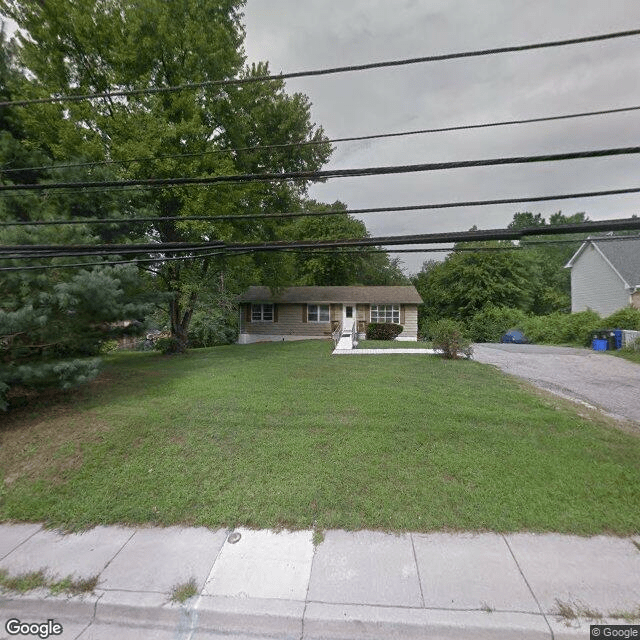
13206 Old Columbia Pike, Silver Spring, MD 20904
For more information about senior living options: (866) 208-4318
Avonlea Ridge Assisted Living Costs & Pricing
Avonlea Ridge Assisted Living offers competitive pricing for its residents compared to the surrounding area. For a semi-private room, the monthly cost is set at $3,500, which is above the average for Prince George's County at $3,058 but slightly below the Maryland state average of $3,545. In contrast, the private room rate of $5,000 is higher than both local and state averages, with Prince George's County averaging $3,792 and Maryland as a whole at $4,112. This pricing reflects Avonlea Ridge's commitment to providing quality care in an enriching environment while still aligning with broader market trends.
| Floor plans | Avonlea Ridge Assisted Living | Prince George's County | Maryland |
|---|---|---|---|
| Semi-Private | $3,500 | $3,058 | $3,545 |
| Private | $5,000 | $3,792 | $4,112 |
Memory care communities with a similar price nearby
-
from +$500 / mo

Catherine's House
$4,000 / month20.0 miles away -
from +$500 / mo
Montgomery Eldercare I
$4,000 to $5,900 / month2.9 miles away -
from +$300 / mo

Montgomery Eldercare II
$3,800 to $5,000 / month1.7 miles away -
from +$300 / mo
Caring Well at Aquarius
$3,800 to $5,000 / month5.8 miles away -
from +$460 / mo

The Kensington of Falls Church
$3,960 to $7,150 / month17.3 miles away
Overall Review of Avonlea Ridge Assisted Living
Pros
 Avonlea Ridge is a very organized and caring place.
- The staff are cooperative with patient needs.
- Medical attention is provided when needed.
- Visitors are courteously welcome.
- The owners and nursing assistants treat residents like family.
- The home is beautiful, welcoming, and clean, with home-cooked meals and consistent laundry.
- Changes in health are addressed promptly with proactive care.
- The home is limited to five residents per house to ensure top-quality care.
- The owners are nurses with over 35 years of experience, providing guidance on additional in-home care.
- Avonlea Ridge offers peace of mind and demonstrates a genuine, constant interest in residents’ welfare.
Cons
 There were no vacant beds at this location.
- The indoor common area was too small.
- It was not very clean.
- There was no staff to speak with; the owner was filling in.
- Tours needed to be arranged around the owner's availability, which made scheduling difficult.
- All of the assisted living space is on the second floor, with stairs for those who can climb and lifts for those who can't.
- The gate at the top of the stairs was lacking in height and security and could potentially be opened by a resident.
Review
Avonlea Ridge Assisted Living in Silver Spring is best suited for families seeking a small, home-like setting where care comes with a genuine, nurse-driven emphasis. This community excels for residents who need regular, attentive monitoring and a high level of daily personal care, delivered in a intimate, almost family-style environment. With owners who are both experienced nurses and staff who treat residents like family, Avonlea Ridge creates a sense of security that many families crave when choosing assisted living. The tightly controlled home size, about five residents per house, supports hands-on attention, predictable routines, and proactive health vigilance that bigger facilities often struggle to match. For those who value home-cooked meals, consistent laundry service, purposeful activities, and a welcoming atmosphere, this is a compelling fit.
That said, alternatives deserve consideration for residents with specific layout or accessibility needs. The property’s architecture places most of the living space on the second floor, connected by stairs and an electric chair lift. While the lift mitigates some risk, mobility-limited elders who cannot manage stairs comfortably may prefer a rambler-style, one-floor setting. The nearby sister location offers that single-floor option, which can be appealing to families prioritizing barrier-free access. Also, the absence of vacancies at times, particularly when demand is high, can push families toward larger communities with more readily available bed turnover. For families seeking broad social programming, expansive common areas, or more uniform 24/7 staffing across a larger footprint, Avonlea Ridge may feel limiting.
The strongest pros at Avonlea Ridge are the personal, proactive care and the family-like culture that radiates from the ownership and staff. The husband-and-wife leadership (both nurses with decades of clinical experience) brings a level of clinical acumen that translates into timely recognition of health changes and early intervention. Residents are tended to and engaged regularly, with meals described as home-cooked and schedules centered around meaningful activities. Laundry, housekeeping, and daily routines are consistently addressed, contributing to a sense of normalcy and dignity. The small scale supports a level of attentiveness that larger facilities often struggle to sustain, and reviewers repeatedly emphasize the genuine, ongoing interest in each resident’s welfare.
These advantages offset several notable downsides. The intimate, upstairs-centric layout might not be ideal for every family, but the upstairs plan is complemented by careful monitoring and the potential for a one-floor alternative at the sister location. The “home” atmosphere and strong caregiver presence help counterbalance concerns about social opportunities; even with a smaller indoor common area, residents tend to receive structured activities and frequent staff interactions. Families report a substantial peace of mind from the constant attention and transparent communication about health status, which often reduces the anxiety that accompanies transitions to assisted living. In short, the core strengths, clinical leadership, high caregiver involvement, and a warm, homey environment, substantially offset the physical layout and space limitations.
However, not all feedback is uniformly glowing. A minority of reviews note issues such as limited indoor space, questions about cleanliness, or moments when staffing seemed sparse. These remarks appear to be isolated rather than representative, but they highlight two practical considerations: first, verify the current state of cleanliness and staffing during a visit; second, scrutinize the upstairs access and safety measures to ensure they align with a loved one’s mobility and security needs. The reality is that the community’s appeal rests on its people and processes, not on the breadth of its footprint. Prospective families should insist on a firsthand tour, observe how staff respond to resident requests, and confirm how security features, especially regarding the upstairs layout, are managed day to day.
Bottom line: Avonlea Ridge is a strong, practical choice for families prioritizing intimate, hands-on care led by experienced nurses within a home-like environment. It suits residents who can navigate or tolerate stairs with assistance and who value proactive health monitoring, personalized attention, and reliable daily routines. For those who require a one-story residence, larger common areas, or a more expansive social program, alternatives such as the nearby rambler-style option or larger facilities warrant consideration. When evaluating, prioritize a live tour, assess the current vacancy and staff coverage, and confirm the safety features around the upstairs access. With thoughtful selection, Avonlea Ridge can deliver the peace of mind that comes from truly attentive, family-sized care.
 5 resident community capacity
 Assisted Living
 Board and Care Home
 Memory Care
 Activities off-site
 Bath tubs
 Cable or satellite TV
 Devotional services off-site
 Dining room
 Fully furnished
 Garden
 Housekeeping services
 Indoor common areas
 Move-in coordination
 Outdoor common areas
 Private
 Respite or short term stays offered
 Telephone
 Wheelchair accessible showers
 Wi-Fi/high-speed internet available
 Ronald Reagan Washington National (16 miles away)
 24-hour supervision
 Assistance with bathing
 Assistance with dressing
 Assistance with transfers
 Diabetes diet
 Diabetic care
 High acuity care
 Incontinence care
 Meal preparation and service
 Medication management
 Special dietary restrictions
 Transportation arrangement (medical)
 Transportation to doctors appointments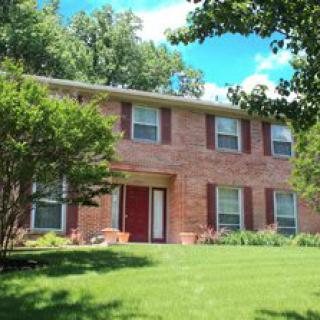





 Illuminating Insights About Alzheimer's Disease: Ten Crucial Realities
 A Thorough Discussion of Medications Potentially Linked to Dementia Risk
 Why Do Dementia Patients Sleep So Much? Understanding Oversleeping, Stages, and Care Approaches