
Attrium Active Home in Silver Spring, MD

Save

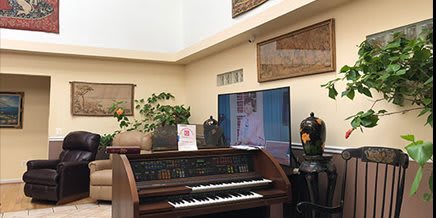
  • Interior

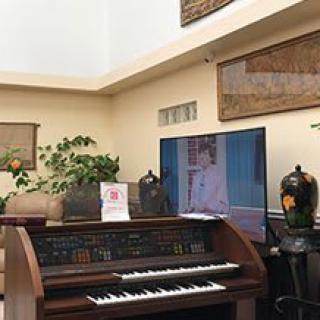
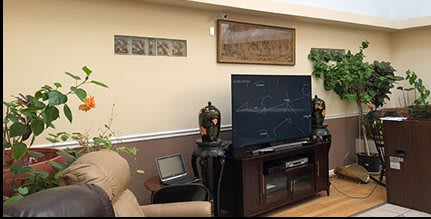
    A cozy living room featuring an organ, television, and decorative plants.
  • Decor

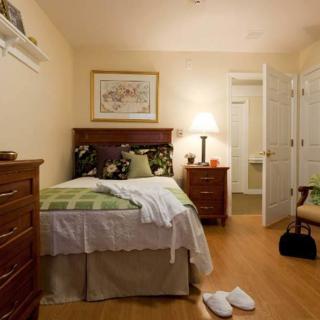
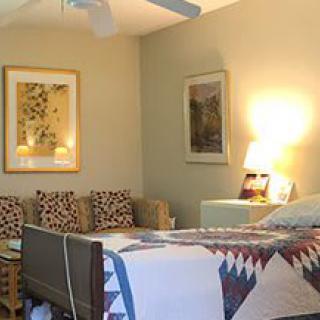
    A cozy bedroom featuring a bed with a colorful quilt, a nightstand with a lamp, and wall artwork.
  • Living Room

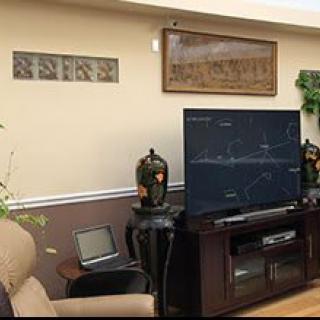
    A cozy living room with a large TV and decorative elements.
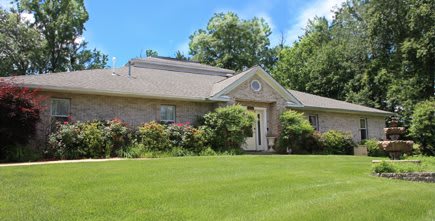
  • Architecture

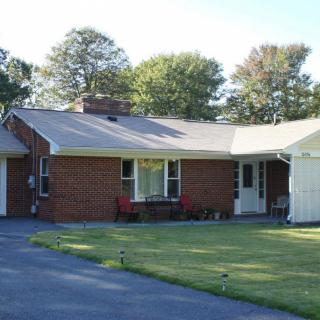
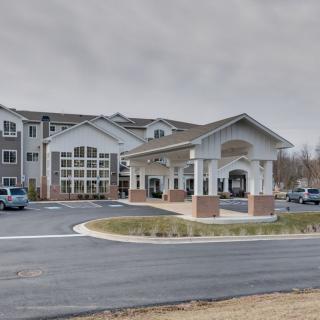
    A charming single-story house with a well-maintained lawn and garden.
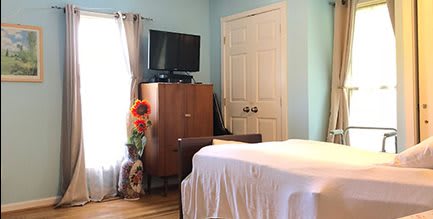
  • Bedroom

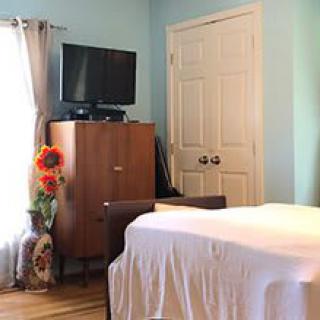
    A cozy bedroom with a TV on a cabinet, decorated with flowers and natural light from the window.
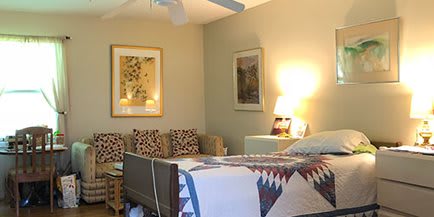
  • Windows

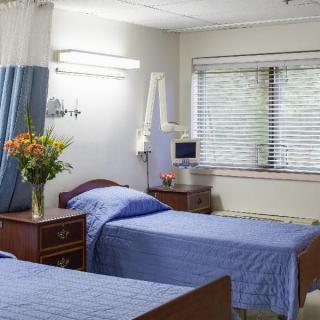
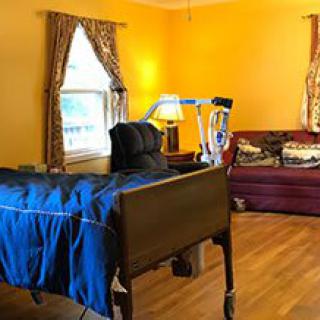
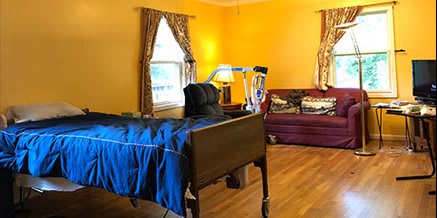
    A cozy room with a hospital bed and a sofa, decorated with yellow walls and windows with curtains.
  • Dining

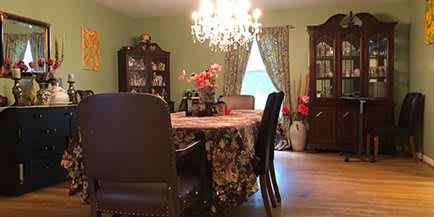
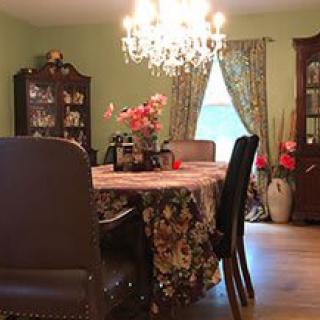
    A traditional dining room with a chandelier, table with floral cover, and elegant decor.
  • Wall Art

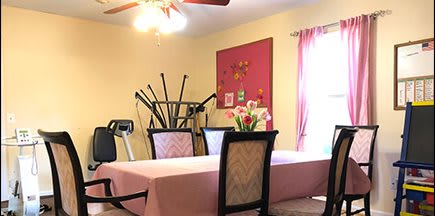
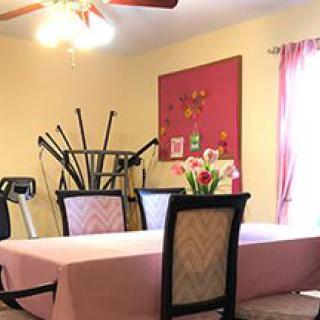
    A dining room with a pink tablecloth, flowers, and exercise equipment in the corner.

Attrium Active Home in Silver Spring, MD

2701 Martello Drive, Silver Spring, MD 20904

For more information about senior living options: (844) 490-3973

4 from 11 reviews
5 stars
3
4 stars
6
3 stars
1
2 stars
1
1 stars
0

Assisted Living Board and Care Home Memory Care

Attrium Active Home Costs & Pricing

Atrium Active Home offers a range of living accommodations that reflect the dynamic pricing landscape of Prince George's County and Maryland. For a private room, residents can expect to pay $4,500 per month, which is notably higher than both the county average of $3,792 and the state average of $4,112. The one-bedroom option is priced at $6,000, again surpassing local and state averages - $3,568 and $3,904 respectively. Lastly, for those choosing a studio setup, the monthly cost stands at $6,500, compared to Prince George's County's average of $4,428 and Maryland's average of $4,656. These differences highlight Atrium Active Home's premium positioning in an area where costs can vary significantly depending on housing type.

Floor plansAttrium Active HomePrince George's CountyMaryland
Private$4,500$3,792$4,112
1 Bedroom$6,000$3,568$3,904
Studio$6,500$4,428$4,656

Overall Review of Attrium Active Home

Pros

  • pro They gave Atrium five stars in all categories.
  • pro The reviewer has the highest regard for Atrium and tells others about their positive experience under difficult circumstances.
  • pro The caregivers are very dedicated and have worked at Atrium for years.
  • pro Devi and her team delivered excellent, personalized care for the reviewer's father over three years at Atrium.
  • pro They were very available to families and communicated clearly about care.
  • pro They emphasized getting residents to come together and be social for the residents' mental well-being.
  • pro The home felt smaller, more personalized, and like a house.
  • pro Families were invited to holidays and meals.
  • pro They would highly recommend Atrium.
  • pro The home is clean, inviting, spacious, and each resident has their own room.

Cons

  • pro Devi was not there for the scheduled appointment.
  • pro The assistant said Devi had an emergency at her other home, leaving the tour unattended.
  • pro The reviewer found the place too small and dark and depressing.
  • pro The cons noted include possible smoking areas and that the owner does not live on the premises.
  • pro The reviewer left a message for Devi to call the same day, but there was no response.

Review

Atrium Active Home in Silver Spring is best suited for families seeking a small, homelike alternative to a larger assisted-living campus. The eight-bedroom, single-floor home emphasizes private rooms, private baths, and a warm, non-institutional vibe. That layout supports intimate caregiver-resident relationships, with aides who know residents' histories, routines, and preferences. The setting invites family involvement - holidays and meals with loved ones are encouraged - creating a sense of belonging that larger facilities often lack. It works especially well for residents who need steady, hands-on oversight and a calmer pace during transitions toward end-of-life care. In short: comfort, personalized attention, and a house-like atmosphere drive the value here.

Not every family will find a fit, however. Those craving a bustling social calendar, abundant programming, or a campus with multiple common areas may perceive the environment as too small and intimate. Several reviews describe the vibe as not ideal for someone who desires a wide array of activities or robust clinical breadth. Inquiries have also shown that when the owner is not on site or scheduling communication is uneven, predictability and hands-on management can feel inconsistent. Availability can be a factor as well; the small footprint means vacancies are not always open, even when nearby options advertise space.

Key advantages offset these limitations in meaningful ways. Caregivers at Atrium Active Home are described as dedicated and long-tenured, supporting consistent routines and deep familiarity with residents' needs. The home's small size fosters a humane, house-like feel where staff can respond quickly and tailor care to individual preferences, from meal choices to daily rituals. Residents enjoy private bedrooms with accessible bathrooms and the option to participate in family meals and holidays, reinforcing a sense of belonging. Medical support is streamlined with on-site doctors and medication delivery to the house, and around-the-clock supervision provides family confidence. The location's brightness, cleanliness, and upkeep also contribute to a secure, welcoming atmosphere. Pricing tends to be all-inclusive, around $4,000 to $4,500 per month, with specific figures varying by room and services.

On the downside, the same intimate scale that offers warmth can limit social variety and activity breadth. Some reviewers found the eight-resident capacity insufficient for those who seek a more dynamic social life, and the absence of abundant communal space can feel isolating. Management consistency has shown occasional gaps, including moments when direct contact with the owner was not immediately available, which can be unsettling for families seeking steady responsiveness. Other smaller ambiguities - such as whether a TV can be placed in a bedroom, whether a formal laundry area exists on site, or how smoking areas are configured - can influence comparisons with larger facilities and are worth clarifying during tours.

To move from impression to decision, prospective families should approach tours with concrete questions and a structured checklist. Verify actual vacancy and anticipated availability, and request candid feedback from current residents and their families about daily life and caregiver attentiveness. Confirm 24/7 supervision, the process for on-site medical visits, and how medications are stored and delivered. Ask for a sample daily schedule, activities calendar, and meal plan to gauge whether the small community's rhythm aligns with personal preferences. Inspect room layouts for accessibility, safety features, and whether the private bath configuration meets specific needs. Clarify all-inclusive pricing and identify any potential add-ons, so expectations align with reality. If a busier social calendar, broader clinical resources, or a larger environment is essential, it is prudent to compare Atrium Active Home with Burtonsville locations and other Silver Spring options.

The bottom line is clear: Atrium Active Home offers a compelling choice for families prioritizing warmth, individualized care, and a house-like setting where caregivers forge real connections. It excels where personal attention, frequent family involvement, and end-of-life comfort matter most, delivering peace of mind in a small, well-kept home. It is not the best fit for those who must have a broad array of daily activities, a large social fabric, or extensive on-site clinical services. For families weighing options in the Silver Spring area, Atrium Active Home deserves careful consideration, with a candid assessment of whether the intimate scale will support the resident's social needs and care goals, or whether a larger, more resource-rich community would better serve those priorities.

Features

Housing

  • 8 resident community capacity 8 resident community capacity

Types of Care

  • Assisted Living Assisted LivingAssisted living facilities provide crucial support and care for seniors who may need help with daily tasks such as medication management, bathing, and meal preparation. These communities offer a safe and comfortable environment where seniors can maintain their independence while receiving the assistance they need to thrive in their golden years.
  • Board and Care Home Board and Care HomeBoard and care homes provide a smaller, more intimate setting for seniors who require assistance with daily tasks but do not need the level of care offered by a nursing home. They offer personalized care, meals, and social activities in a homelike environment, ensuring that seniors receive individualized attention and support in their golden years.
  • Memory Care Memory CareMemory care is crucial for seniors as it provides specialized support and services for individuals with dementia or Alzheimer's disease. These programs offer a safe and secure environment where residents receive personalized care, cognitive stimulation, and help with daily activities. Memory care helps seniors maintain their independence, quality of life, and dignity while also providing peace of mind for their families.

Amenities

  • Cable or satellite TV Cable or satellite TVCable or satellite TV is important for seniors because it provides entertainment, news, and companionship, helping to combat loneliness and boredom. It also offers a wide range of programming options tailored to different interests and preferences.
  • Dining room Dining roomDining rooms are important for seniors as they provide a space for socialization, connection, and nutritious meals. They offer opportunities for residents to bond over shared meals, foster a sense of community, and promote healthy eating habits. Dining rooms also ensure that seniors have access to well-balanced meals tailored to their dietary needs and preferences.
  • Fully furnished Fully furnishedFully furnished senior living communities are important for seniors because they provide convenience, comfort, and a hassle-free moving experience. Seniors can easily settle into their new living space without the stress of having to buy and move furniture. This allows them to focus on enjoying their new home and community.
  • Garden GardenGardens are important for seniors as they provide a peaceful and therapeutic environment for relaxation, physical activity, and socialization. Being in nature has been shown to reduce stress, improve mood, and promote overall well-being. Gardens also offer opportunities for seniors to engage in gardening activities, which can improve mobility, flexibility, and cognitive function. Additionally, gardens create a sense of community and connection with others who share a passion for plants and outdoor spaces.
  • Housekeeping services Housekeeping servicesHousekeeping services are important for seniors because they help maintain a clean and safe living environment, promote independence, and reduce the risk of accidents or illnesses. Additionally, having assistance with household chores can alleviate physical strain and allow seniors to focus on other aspects of their well-being.
  • Move-in coordination Move-in coordinationMove-in coordination is important for seniors because it helps ease the transition into their new living environment. It ensures that all logistics, such as packing, organizing movers, and setting up utilities are taken care of, allowing seniors to focus on settling in and adjusting to their new home. Having a smooth move-in process can alleviate stress and anxiety, making the transition smoother and more enjoyable for seniors.
  • Outdoor space Outdoor spaceOutdoor spaces are important for seniors as they provide opportunities for physical activity, social interaction, exposure to natural light and fresh air, and a sense of connection to nature. Having access to outdoor spaces can improve overall well-being and quality of life for older adults living in senior communities.
  • Private PrivatePrivacy is important for seniors as it allows them to maintain their independence, dignity, and sense of control over their own lives. It also gives them the space and freedom to relax, reflect, and engage in activities that bring them joy and fulfillment. Creating private spaces within senior living facilities is crucial for promoting overall well-being and quality of life.
  • Respite or short term stays offered Respite or short term stays offeredRespite or short term stays provide seniors with a temporary solution when their regular caregiver is unavailable, offering them the opportunity to receive additional care and support during times of need, while also giving caregivers a chance to rest and recharge.
  • Telephone TelephoneTelephones are important for seniors as they provide a lifeline for communication with loved ones, emergency services, and healthcare providers. They offer a sense of security and independence, enabling seniors to stay connected and access assistance when needed.
  • Wi-Fi/high-speed internet available Wi-Fi/high-speed internet availableWi-Fi/high-speed internet is important for seniors to stay connected with loved ones, access online resources, and participate in virtual activities to combat feelings of loneliness and isolation. It also allows them to easily manage healthcare needs, access entertainment, and engage in lifelong learning opportunities.

Transportation

  • Ronald Reagan Washington National (16 miles away) Ronald Reagan Washington National (16 miles away)
  • Baltimore-Washington International (17 miles away) Baltimore-Washington International (17 miles away)

Care Services

  • 24-hour supervision 24-hour supervision24-hour supervision is important for seniors to ensure their safety, well-being, and access to immediate assistance in case of emergencies or health issues. This constant support provides peace of mind for both seniors and their loved ones, allowing them to age in place with dignity and security.
  • Activities of daily living assistance Activities of daily living assistanceActivities of daily living assistance are important for seniors because they provide essential support with tasks such as eating, bathing, dressing, and mobility. This assistance helps seniors maintain their independence, dignity, and overall quality of life as they age.
  • Assistance with bathing Assistance with bathingAssistance with bathing is crucial for seniors as it helps maintain personal hygiene, prevents infections, and ensures their overall well-being and comfort. It also provides a sense of dignity and independence for seniors who may struggle with this task on their own.
  • Assistance with dressing Assistance with dressingAssistance with dressing is important for seniors because it helps maintain their independence, promotes personal hygiene, prevents accidents and injuries, and improves overall quality of life. This service ensures that seniors can continue to dress comfortably and confidently, despite any physical limitations they may have.
  • Assistance with transfers Assistance with transfersAssistance with transfers is crucial for seniors as it helps prevent falls and injuries, maintains their independence, and ensures they can safely navigate their living environment. It also provides peace of mind for both seniors and their loved ones.
  • Coordination with health care providers Coordination with health care providersCoordination with health care providers is crucial for seniors to ensure proper medical care, medication management, and overall well-being. This collaboration helps prevent overlapping treatments, track progress more effectively, and provide comprehensive support tailored to individual needs.
  • Diabetes diet Diabetes dietA diabetes diet is crucial for seniors as it helps manage blood sugar levels, reduce risks of complications, and improve overall health and well-being. By following a balanced and nutritious diet tailored to their specific needs, seniors can better control their diabetes and enhance their quality of life.
  • Diabetic care Diabetic careDiabetic care is crucial for seniors as they are more susceptible to developing diabetes due to aging and other health conditions. Proper management of diabetes can help prevent complications such as heart disease, vision loss, and nerve damage, improving the overall quality of life for seniors in senior living communities.
  • High acuity care High acuity careHigh acuity care is important for seniors because it provides specialized medical attention and support for individuals with complex medical needs. This level of care ensures that seniors receive the appropriate treatment and assistance to maintain their health and quality of life as they age.
  • Meal preparation and service Meal preparation and serviceMeal preparation and service are crucial for seniors as they may have limited mobility or energy to cook nutritious meals. Having access to healthy and convenient food options can ensure they are getting the proper nutrition needed to maintain their overall health and well-being.
  • Medication management Medication managementMedication management is crucial for seniors to ensure they are taking the right medications at the correct dosages and times. This helps prevent adverse drug interactions, reduces the risk of medication errors, and promotes overall health and well-being. Proactive management also allows for adjustments as needed based on changing health conditions or new prescriptions.
  • Special dietary restrictions Special dietary restrictionsSpecial dietary restrictions are important for seniors because age-related changes in metabolism and health conditions can make it difficult for their bodies to process certain foods. By following a diet tailored to their specific needs, seniors can maintain their overall health and well-being, manage chronic conditions, and reduce the risk of complications such as malnutrition or food interactions with medications.
  • Transportation arrangement (medical) Transportation arrangement (medical)Transportation arrangements for medical purposes are essential for seniors as they may have difficulty driving themselves to appointments or accessing public transportation. Having reliable and safe transportation options ensures that seniors can receive timely medical care and maintain their health and well-being.
  • Transportation to doctors appointments Transportation to doctors appointmentsTransportation to doctors' appointments is crucial for seniors as it ensures they have access to necessary medical care and support for their health needs. Without reliable transportation, seniors may struggle to attend important appointments, leading to potential delays in treatment and health complications. Providing transportation services helps seniors maintain their overall well-being and quality of life.

Dining

  • Diabetes diet Diabetes dietA diabetes diet is crucial for seniors as it helps manage blood sugar levels, reduce risks of complications, and improve overall health and well-being. By following a balanced and nutritious diet tailored to their specific needs, seniors can better control their diabetes and enhance their quality of life.
  • Special dietary restrictions Special dietary restrictionsSpecial dietary restrictions are important for seniors because age-related changes in metabolism and health conditions can make it difficult for their bodies to process certain foods. By following a diet tailored to their specific needs, seniors can maintain their overall health and well-being, manage chronic conditions, and reduce the risk of complications such as malnutrition or food interactions with medications.

Activities

  • Community-sponsored activities Community-sponsored activitiesCommunity-sponsored activities are important for seniors as they provide opportunities for social interaction, mental stimulation, and physical activity. These activities can help improve overall well-being, combat loneliness and isolation, and promote a sense of belonging and purpose among older adults.
  • Scheduled daily activities Scheduled daily activitiesScheduled daily activities are important for seniors because they provide structure, socialization, mental stimulation, and physical activity. Engaging in regular activities can improve overall well-being and quality of life for seniors living in a community setting.

Description

Attrium Active Home is an assisted living community located in Silver Spring, MD. We offer a range of care services including board and care home and memory care for seniors who require assistance with their daily activities. Our spacious and fully furnished rooms provide a comfortable living space for our residents.

At Attrium Active Home, we prioritize the well-being of our residents and provide amenities such as a dining room where nutritious meals are served, housekeeping services to maintain a clean environment, and move-in coordination to ensure a smooth transition for new residents. Our outdoor spaces and garden provide a serene setting for relaxation and socialization.

We understand that some individuals may require respite or short-term stays, which is why we offer this option as well. Our team is dedicated to providing personalized care and assistance with activities of daily living such as bathing, dressing, and transfers. We also coordinate with healthcare providers to ensure our residents receive the necessary medical attention.

For those with specific dietary needs such as diabetes, we offer specialized diets and diabetic care to support their health management. Medication management is also provided to ensure medications are taken on time and as prescribed by healthcare professionals.

Transportation arrangement for medical purposes as well as transportation to doctors' appointments can be arranged for our residents' convenience. Additionally, we have Wi-Fi/high-speed internet available throughout our community so residents can stay connected with loved ones.

Residents can enjoy scheduled daily activities that cater to their interests and preferences. Nearby amenities include five pharmacies, one physician's office, and two restaurants, providing easy access to essential services.

At Attrium Active Home, we strive to create a warm and caring environment where seniors can thrive while receiving the support they need.

Nearby Places of Interest

This part of Silver Spring, Maryland offers easy access to essential amenities such as pharmacies, restaurants, physicians, places of worship, transportation options, parks, hospitals, and cafes. With multiple pharmacies within a short distance, seniors can conveniently fill their prescriptions. There are also various dining options nearby, ranging from fast food chains to more upscale restaurants. Additionally, medical care is readily available with several physician offices and hospitals located within a few miles. The area is well-connected with public transportation options including Metro stations for easy travel around the city. For outdoor enthusiasts, there are several parks in the vicinity for leisurely walks or recreational activities. Overall, this neighborhood provides a mix of convenience and accessibility for seniors considering senior living in Silver Spring.

Pharmacies

  • Kaiser Permanente - Pharmacy (1.8 miles)
  • CVS Pharmacy (2.4 miles)
  • Herbiculture (2.5 miles)
  • Walgreens (2.5 miles)
  • CVS Pharmacy (5 miles)
  • CVS Pharmacy (5.2 miles)
  • CVS Pharmacy (5.2 miles)

Restaurants

  • McDonald's (2 miles)
  • McDonald's (2.6 miles)
  • Looney's Pub (5.3 miles)
  • First Watch (5.3 miles)
  • Jollibee (6.2 miles)
  • Chick-Fil-A (6.3 miles)
  • Facci Ristorante (6.4 miles)

Physicians

  • Allergy Partners of Metro DC (4.8 miles)
  • Eternal Dermatology (5.4 miles)
  • Sheikh, Sarah Capital Womens Care (5.9 miles)
  • Maple Lawn Surgery Center (5.9 miles)
  • Potomac Valley Orthopedic (6.6 miles)
  • Montgomery Internal Medicine (7.3 miles)
  • Melvin S. Stern, MD (7.4 miles)

Places of Worship

  • College Park United Methodist Church (5.2 miles)
  • Christ Congregational Church (5.8 miles)
  • Saint Andrew Kim Catholic Church (6.6 miles)

Transportation

  • Glenmont Metro Station (5.3 miles)
  • Greenbelt Station (5.5 miles)
  • Greenbelt Metro Station (5.5 miles)
  • Forest Glen Metro Station (6.6 miles)
  • College Park - University of Maryland Metro Station (7.3 miles)
  • Prince George's Plaza Metro Station (8.1 miles)
  • Grosvenor-Strathmore Metro Station (8.7 miles)

Parks

  • High Ridge Park (5.5 miles)
  • Georgian Forest Park & Tennis Courts (5.5 miles)
  • Duvall Playground (5.6 miles)
  • Winding Creek Local Park (7.4 miles)
  • Triadelphia Reservoir (8 miles)
  • Martin Road Park (8.6 miles)
  • Fort Slocum Park (9 miles)

Hospitals

  • Holy Cross Hospital (6.3 miles)
  • Howard County General Hospital, Johns Hopkins Medicine (9.9 miles)
  • Howard County General Hospital (9.9 miles)

Cafes

  • Lost Sock Roasters (8.2 miles)
  • Vigilante Coffee (9 miles)
  • Starbucks (9 miles)
  • Starbucks (9.3 miles)
  • Starbucks (9.7 miles)

Frequently Asked Questions

How much does it cost to live at Attrium Active Home in Silver Spring, MD?
Where is Attrium Active Home?
Does Attrium Active Home provide care for residents with dementia or Alzheimer's disease?
What photos are available for Attrium Active Home in Silver Spring, Maryland?

Nearby Communities

  • Good Hope Home Care II

    Good Hope Home Care II

    Silver Spring, MD


    pro Fully furnished, cozy suites with garden access, comprehensive ADL support, nutritious meals, and coordinated healthcare.

  • Clayton Comfort Care

    Clayton Comfort Care

    Silver Spring, MD

    4.4 from 5 reviews
    $3,000 to $3,800 / month

    pro Excellent staff and caring owner; affordable, attentive care.

  • Clayton Comfort Care of Maryland

    Clayton Comfort Care of Maryland

    Colesville, MD


    pro Small, intimate setting with comprehensive assisted living services and personalized care.

  • Avonlea Ridge Assisted Living

    Avonlea Ridge Assisted Living

    Silver Spring, MD

    4.2 from 9 reviews
    $3,500 to $5,000 / month

    pro Caring, experienced staff in a home-like, clean environment with personalized care.

  • Atrium Stonecrest Home

    Atrium Stonecrest Home

    Silver Spring, MD

    3 from 2 reviews
    $3,500 to $5,500 / month

    pro Convenient location near family and memory care with structured activities.

  • Fairland Center

    Fairland Center

    Silver Spring, MD

    3.7 from 95 reviews
     

    pro Attentive therapy staff and excellent nursing care with supportive administration.

  • Riderwood

    Riderwood

    Silver Spring, MD

    4.1 from 70 reviews
    $5,283 to $9,400 / month

    pro Active community with attentive staff and varied dining options.

  • Wilshire Estates Gracious Retirement Living

    Wilshire Estates Gracious Retirement Living

    Silver Spring, MD

    4.5 from 72 reviews
    $3,387 / month

    pro Helpful, attentive staff; clean facilities; extensive amenities and activities.

  • The Landing at Silver Spring

    The Landing at Silver Spring

    Silver Spring, MD

    4.4 from 31 reviews
    $4,900 to $6,300 / month

    pro Strong care staff, good family communication, and quality dining.

Related Resources

  • best foods for dementia patients to eatNourishing the Mind: Essential Dietary Approaches for Dementia

    Dementia is characterized by cognitive decline, with nutrition playing a vital role in brain health; while no specific diet can prevent or reverse it, a nutrient-dense diet rich in antioxidants and healthy fats may support cognitive function. The MIND diet, which emphasizes beneficial foods and limits processed items, along with proper hydration and individualized meal strategies, can enhance the well-being of dementia patients.

  • dementia behaviorsUnderstanding Dementia Behaviors: Practical Insights and Strategies for Caregivers

    Dementia affects memory and cognitive function in older adults, presenting challenges for caregivers due to behavioral changes such as confusion and mood swings. Compassionate, person-centered care that considers individual history and preferences, along with effective communication and environmental modifications, is essential for supporting both patients and their caregivers.

  • dementia and angerWhen Dementia Sparks Anger and Aggression: Understanding the Connection and Ways to Cope
    Dementia leads to cognitive impairment and can cause emotional and behavioral changes, including aggression that arises from frustration, confusion, or fear. Effective coping strategies for caregivers include understanding dementia's nature, recognizing triggers, using empathetic communication, and employing non-pharmacological interventions like music and art therapy.