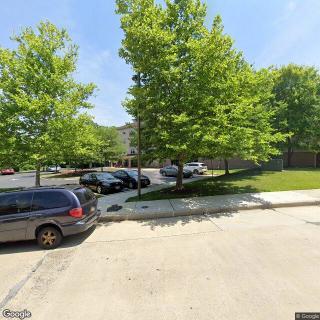
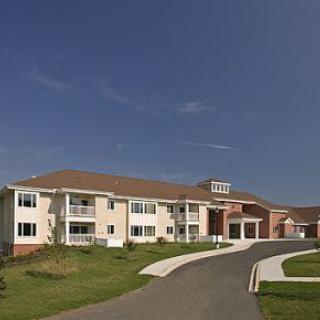
Newton Manor Assisted Living

4106 Fernhill Avenue, Baltimore, MD 21215

For more information about senior living options: (844) 490-3973

4.3 from 6 reviews
5 stars
5
4 stars
0
3 stars
0
2 stars
0
1 stars
1

Assisted Living

What level of care are you interested in?

Assisted Living

Memory Care

Independent Living

Skilled Nursing Facility

Continuing Care Retirement Community (CCRC)CCRC

Other


Request a tour at Newton Manor Assisted Living

    Overall Review of Newton Manor Assisted Living

    Pros

    • pro The facility is very clean and professional.
    • pro The owners are caring and family-oriented.
    • pro The reviewers would highly recommend the place.
    • pro Heitt and her daughter Rita are noted as the good aspects of the place.

    Cons

    • pro They describe the owners, Mural and her husband, as lazy and not doing anything for their patients.
    • pro They claim Mural only visits patients at move-in and only contacts them for money, not if something is wrong.
    • pro They allege Mural and her husband touched others' belongings without consent and did not inform anyone.
    • pro They say the place is horrible, with the only good thing being Heitt and her daughter Rita.

    Review

    Within the same care setting, two impressions collide in a way that makes it hard to draw a single conclusion about what the place is really like. One reviewer describes the environment as exceptionally clean and professional, with owners who are clearly devoted to their family and to the people in their care. This account portrays a place that feels well run, orderly, and oriented toward treating residents with warmth and respect. The overall takeaway from this perspective is a strong recommendation, emphasizing a sense of trust and comfort about the facility's operations and aesthetics.

    In direct contrast, another account arrives with a much harsher verdict. This reviewer would have given zero stars, if that were possible, citing a pattern of neglect and self-serving conduct by the owners, Mural and her husband. The critique paints a picture of minimal engagement with patients after the initial move-in process, suggesting that personal attention fades quickly and that financial concerns dominate the communication with families. The reviewer claims that the owners are quick to reach out only for money and are inattentive or absent when a loved one is experiencing problems or needs support. The language is blunt and unequivocal, arguing that the care and concern one would expect from a trusted caregiver are missing in practice.

    Beyond the claimed neglect, the negative review raises serious allegations about personal boundaries and privacy. It asserts that Mural and her husband touched another person's belongings without consent and did not inform anyone about the incident, alleging a breach of trust and an erosion of the family's sense of safety. The claim centers on the idea that consent and clear communication were disregarded, casting a shadow over the facility's ethical standards. The reviewer emphasizes that such acts undermine the fundamental trust that families place in a caregiving environment, calling the overall experience at the facility "horrible" and insisting that the negative behavior overshadowed any positive aspects.

    Despite the harsh critique, the same account acknowledges at least one positive note within the facility: the people who stood out as genuinely caring and competent. Specifically, the reviewer mentions Heitt and her daughter Rita in a favorable light, suggesting they were the only redeeming elements in an otherwise problematic environment. This point of praise stands in stark relief to the broader accusation of mismanagement, creating a dichotomy where certain staff members are seen as capable and compassionate, while others are perceived as negligent or disengaged from the residents' well-being.

    Taken together, these accounts illuminate a landscape of sharply divided experiences within the same care setting. On one hand, the facility is praised for its cleanliness, professionalism, and a family-centered approach that makes it feel trustworthy and welcoming. On the other hand, a detailed and emotionally charged critique paints a picture of neglect, financial overemphasis, and a troubling breach of privacy that undermines confidence in the care provided. The contrast underscores how differently families can experience the same place, depending on who is involved, when they interact with residents, and whose concerns are prioritized.

    For prospective families and guardians evaluating this facility, the stories offer a cautionary framework rather than a definitive judgment. It's important to observe the environment firsthand, ask pointed questions about daily care routines, staff availability, and how the facility handles personal belongings and consent. Inquiring about the roles and responsiveness of individual staff members - especially those who may be praised or criticized in testimonials - can provide a clearer sense of how care is delivered on a day-to-day basis. Additionally, requesting transparent policies on resident privacy, incident reporting, and the balance between financial communications and medical or emotional support can help families gauge whether the care model aligns with their expectations and the needs of their loved ones.

    Ultimately, the narratives reveal that a care facility can be clean and professional yet still fall short in areas that families deem critical to genuine, compassionate caregiving. They remind readers that appearances and general reputations can mask complex day-to-day realities, where dedicated staff members may shine amid broader concerns about attention, consent, and the true prioritization of residents' well-being. As with any caregiving decision, gathering diverse experiences, direct observations, and concrete policy information will be essential to forming a balanced view of what this place offers - and whether it truly fits a family's expectations for care, dignity, and trust.

    Features

    Housing

    • 6 resident community capacity 6 resident community capacity

    Types of Care

    • Assisted Living Assisted LivingAssisted living facilities provide crucial support and care for seniors who may need help with daily tasks such as medication management, bathing, and meal preparation. These communities offer a safe and comfortable environment where seniors can maintain their independence while receiving the assistance they need to thrive in their golden years.

    Amenities

    • Cable or satellite TV Cable or satellite TVCable or satellite TV is important for seniors because it provides entertainment, news, and companionship, helping to combat loneliness and boredom. It also offers a wide range of programming options tailored to different interests and preferences.
    • Dining room Dining roomDining rooms are important for seniors as they provide a space for socialization, connection, and nutritious meals. They offer opportunities for residents to bond over shared meals, foster a sense of community, and promote healthy eating habits. Dining rooms also ensure that seniors have access to well-balanced meals tailored to their dietary needs and preferences.
    • Fully furnished Fully furnishedFully furnished senior living communities are important for seniors because they provide convenience, comfort, and a hassle-free moving experience. Seniors can easily settle into their new living space without the stress of having to buy and move furniture. This allows them to focus on enjoying their new home and community.
    • Garden GardenGardens are important for seniors as they provide a peaceful and therapeutic environment for relaxation, physical activity, and socialization. Being in nature has been shown to reduce stress, improve mood, and promote overall well-being. Gardens also offer opportunities for seniors to engage in gardening activities, which can improve mobility, flexibility, and cognitive function. Additionally, gardens create a sense of community and connection with others who share a passion for plants and outdoor spaces.
    • Housekeeping services Housekeeping servicesHousekeeping services are important for seniors because they help maintain a clean and safe living environment, promote independence, and reduce the risk of accidents or illnesses. Additionally, having assistance with household chores can alleviate physical strain and allow seniors to focus on other aspects of their well-being.
    • Move-in coordination Move-in coordinationMove-in coordination is important for seniors because it helps ease the transition into their new living environment. It ensures that all logistics, such as packing, organizing movers, and setting up utilities are taken care of, allowing seniors to focus on settling in and adjusting to their new home. Having a smooth move-in process can alleviate stress and anxiety, making the transition smoother and more enjoyable for seniors.
    • Outdoor space Outdoor spaceOutdoor spaces are important for seniors as they provide opportunities for physical activity, social interaction, exposure to natural light and fresh air, and a sense of connection to nature. Having access to outdoor spaces can improve overall well-being and quality of life for older adults living in senior communities.
    • Telephone TelephoneTelephones are important for seniors as they provide a lifeline for communication with loved ones, emergency services, and healthcare providers. They offer a sense of security and independence, enabling seniors to stay connected and access assistance when needed.
    • Wi-Fi/high-speed internet available Wi-Fi/high-speed internet availableWi-Fi/high-speed internet is important for seniors to stay connected with loved ones, access online resources, and participate in virtual activities to combat feelings of loneliness and isolation. It also allows them to easily manage healthcare needs, access entertainment, and engage in lifelong learning opportunities.

    Transportation

    • Baltimore-Washington International (11 miles away) Baltimore-Washington International (11 miles away)

    Care Services

    • 24-hour supervision 24-hour supervision24-hour supervision is important for seniors to ensure their safety, well-being, and access to immediate assistance in case of emergencies or health issues. This constant support provides peace of mind for both seniors and their loved ones, allowing them to age in place with dignity and security.
    • Activities of daily living assistance Activities of daily living assistanceActivities of daily living assistance are important for seniors because they provide essential support with tasks such as eating, bathing, dressing, and mobility. This assistance helps seniors maintain their independence, dignity, and overall quality of life as they age.
    • Assistance with bathing Assistance with bathingAssistance with bathing is crucial for seniors as it helps maintain personal hygiene, prevents infections, and ensures their overall well-being and comfort. It also provides a sense of dignity and independence for seniors who may struggle with this task on their own.
    • Assistance with dressing Assistance with dressingAssistance with dressing is important for seniors because it helps maintain their independence, promotes personal hygiene, prevents accidents and injuries, and improves overall quality of life. This service ensures that seniors can continue to dress comfortably and confidently, despite any physical limitations they may have.
    • Assistance with transfers Assistance with transfersAssistance with transfers is crucial for seniors as it helps prevent falls and injuries, maintains their independence, and ensures they can safely navigate their living environment. It also provides peace of mind for both seniors and their loved ones.
    • Coordination with health care providers Coordination with health care providersCoordination with health care providers is crucial for seniors to ensure proper medical care, medication management, and overall well-being. This collaboration helps prevent overlapping treatments, track progress more effectively, and provide comprehensive support tailored to individual needs.
    • Diabetes diet Diabetes dietA diabetes diet is crucial for seniors as it helps manage blood sugar levels, reduce risks of complications, and improve overall health and well-being. By following a balanced and nutritious diet tailored to their specific needs, seniors can better control their diabetes and enhance their quality of life.
    • Meal preparation and service Meal preparation and serviceMeal preparation and service are crucial for seniors as they may have limited mobility or energy to cook nutritious meals. Having access to healthy and convenient food options can ensure they are getting the proper nutrition needed to maintain their overall health and well-being.
    • Medication management Medication managementMedication management is crucial for seniors to ensure they are taking the right medications at the correct dosages and times. This helps prevent adverse drug interactions, reduces the risk of medication errors, and promotes overall health and well-being. Proactive management also allows for adjustments as needed based on changing health conditions or new prescriptions.
    • Special dietary restrictions Special dietary restrictionsSpecial dietary restrictions are important for seniors because age-related changes in metabolism and health conditions can make it difficult for their bodies to process certain foods. By following a diet tailored to their specific needs, seniors can maintain their overall health and well-being, manage chronic conditions, and reduce the risk of complications such as malnutrition or food interactions with medications.
    • Transportation arrangement (medical) Transportation arrangement (medical)Transportation arrangements for medical purposes are essential for seniors as they may have difficulty driving themselves to appointments or accessing public transportation. Having reliable and safe transportation options ensures that seniors can receive timely medical care and maintain their health and well-being.
    • Transportation to doctors appointments Transportation to doctors appointmentsTransportation to doctors' appointments is crucial for seniors as it ensures they have access to necessary medical care and support for their health needs. Without reliable transportation, seniors may struggle to attend important appointments, leading to potential delays in treatment and health complications. Providing transportation services helps seniors maintain their overall well-being and quality of life.

    Dining

    • Diabetes diet Diabetes dietA diabetes diet is crucial for seniors as it helps manage blood sugar levels, reduce risks of complications, and improve overall health and well-being. By following a balanced and nutritious diet tailored to their specific needs, seniors can better control their diabetes and enhance their quality of life.
    • Special dietary restrictions Special dietary restrictionsSpecial dietary restrictions are important for seniors because age-related changes in metabolism and health conditions can make it difficult for their bodies to process certain foods. By following a diet tailored to their specific needs, seniors can maintain their overall health and well-being, manage chronic conditions, and reduce the risk of complications such as malnutrition or food interactions with medications.

    Activities

    • Community-sponsored activities Community-sponsored activitiesCommunity-sponsored activities are important for seniors as they provide opportunities for social interaction, mental stimulation, and physical activity. These activities can help improve overall well-being, combat loneliness and isolation, and promote a sense of belonging and purpose among older adults.
    • Scheduled daily activities Scheduled daily activitiesScheduled daily activities are important for seniors because they provide structure, socialization, mental stimulation, and physical activity. Engaging in regular activities can improve overall well-being and quality of life for seniors living in a community setting.

    Description

    Newton Manor Assisted Living in Baltimore, MD offers a comfortable and supportive environment for seniors seeking assistance with daily living tasks. Our community is designed to provide residents with the care they need while promoting independence and a high quality of life.

    Upon entering our fully furnished facility, residents will find a charming dining room where nutritious meals are served. Our experienced staff also provides housekeeping services to ensure that residents can focus on enjoying their time without worrying about household chores.

    For those who enjoy spending time outdoors, our community features a beautiful garden and outdoor space where residents can relax or engage in leisure activities. Inside, residents have access to Wi-Fi/high-speed internet and telephone services to stay connected with loved ones.

    Our dedicated care services include assistance with bathing, dressing, transfers, and managing medications. We also coordinate with healthcare providers for comprehensive care management and offer specialized support for individuals following diabetes diets or other dietary restrictions. Transportation arrangement for medical appointments is available as well.

    At Newton Manor Assisted Living, we believe in maintaining an active lifestyle. Residents can participate in scheduled daily activities that cater to various interests and abilities. Additionally, our location boasts proximity to numerous amenities including cafes, parks, pharmacies, physicians' offices, restaurants, places of worship, and hospitals for added convenience.

    Discover a warm and nurturing community at Newton Manor Assisted Living in Baltimore, MD. Experience compassionate care combined with an array of amenities that prioritize your comfort and well-being.

    Nearby Places of Interest

    Pharmacies

    • Walgreens (0.7 miles)
    • Walgreens (0.8 miles)
    • CVS Pharmacy (1 miles)
    • Seven Mile Market (2.3 miles)
    • Rite Aid (2.5 miles)
    • CVS Pharmacy (2.6 miles)
    • Walgreens (2.8 miles)

    Hospitals

    • Sinai Hospital Of Baltimore (1.7 miles)
    • Lifebridge Health Campus Service (3.2 miles)
    • MedStar Union Memorial Hospital (4 miles)
    • UMMC Midtown Campus (4.5 miles)
    • Baltimore VA Medical Center (4.8 miles)
    • University of Maryland Medical Center (4.8 miles)
    • GBMC (5 miles)

    Physicians

    • University of Maryland Rehabilitation & Orthopaedic Institute (2 miles)
    • Dr Richard A. Adler, Belcara Health Ophthalmology (3.3 miles)
    • Omni Eye Specialists (3.4 miles)
    • Scottish Rite Speech & Language Center (3.7 miles)
    • Dr Kelman Office (4.2 miles)
    • St Paul Place Specialist OB GYN (4.2 miles)
    • University of Maryland Medical Center Midtown Professional Building (4.4 miles)

    Restaurants

    • Mt. Washington Tavern (2.8 miles)
    • Pepe's (3.2 miles)
    • McDonald's (3.2 miles)
    • Corinthian Lounge & Restaurant (3.2 miles)
    • Burger King (3.5 miles)
    • McDonald's (3.8 miles)
    • Chick-Fil-A (4.1 miles)

    Cafes

    • Miss Shirley's Cafe, Roland Park (3 miles)
    • Starbucks (4.5 miles)
    • Dooby's (4.7 miles)
    • Ceremony Coffee Roasters (4.7 miles)
    • Starbucks (5.9 miles)

    Parks

    • Lake Roland (3.2 miles)
    • Rodgers Forge Tot Lot (4.6 miles)
    • Meadowood Regional Park (5.6 miles)
    • Rash Field (5.7 miles)
    • Federal Hill Park (5.8 miles)

    Places of Worship

    • Brown Memorial Woodbrook Presbyterian Church (4.3 miles)

    Transportation

    • Penn Station (4.4 miles)

    Frequently Asked Questions

    Where is Newton Manor Assisted Living?

    Nearby Communities

    Related Resources

    • assisted living waiver programA Detailed Exploration of Assisted Living Medicaid Waivers Across the United States
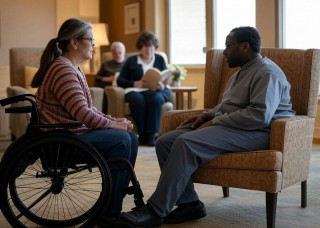
      Medicaid waivers for assisted living services provide vital support for seniors and individuals with disabilities in need of long-term care, with varying state-specific eligibility criteria and benefits. These waivers cover personal care and case management but often do not fully cover room and board, leading to waiting lists for many applicants.

    • assisted living for disabled adultsComprehensive Residential Support and Assisted Living Solutions for Individuals with Disabilities

      The article examines the complexities of assisted living for individuals with disabilities, emphasizing the need for tailored care solutions that enhance quality of life and social inclusion, while addressing financial challenges and advocating for community integration. It discusses various housing options, the importance of financial assistance through public benefits, and highlights trends towards integrated and technology-driven solutions in disability-focused housing.

    • assisted living for disabled adultsComprehensive Supportive Living Arrangements for Adults with Disabilities

      Assisted living for adults with disabilities has transformed to provide personalized care and support services aimed at improving residents' quality of life while balancing independence and assistance. However, low-income individuals often face challenges in affording these services, requiring navigation of various financial resources and advocacy for better policies and solutions.


    Get Pricing Ask A Question Schedule A Tour Contact Senior Advisor