Augsburg Village offers competitively priced accommodation options compared to both Baltimore City and the wider state of Maryland. For instance, residents can secure a studio for $1,344, which is significantly lower than the city's average of $4,060 and the state's average of $4,656. Similarly, the one-bedroom units at Augsburg Village are priced at $1,466 - substantially more affordable than the Baltimore figure of $3,113 and Maryland's average of $3,904. The cost advantage continues with two-bedroom apartments at $1,600 versus $2,993 in Baltimore and $3,497 statewide. Even for semi-private rooms, which are priced at $3,600 in Augsburg Village, this remains competitive when considering the city's rate of $3,116 and Maryland's average costs at $3,545. Overall, Augsburg Village stands out as an economical choice without compromising on quality or comfort.
Floor plans
Augsburg Village
Baltimore city
Maryland
Studio
$1,344
$4,060
$4,656
1 Bedroom
$1,466
$3,113
$3,904
2 Bedrooms
$1,600
$2,993
$3,497
Semi-Private
$3,600
$3,116
$3,545
Assisted Living communities with a similar price nearby
Residents and families consistently describe attentive, professional staff.
Many reviews emphasize that staff members are caring, responsive, and organized, with administrators and charge nurses highlighted for being involved and helpful. In rehab and long-term care experiences, reviewers mention specific care teams, frequent communication with families, and help navigating concerns. A smaller set of reviews are sharply negative about compassion, responsiveness, and staffing, including allegations that residents were left waiting for basic assistance.
differentiator
Rehab and therapy support
Therapy-focused care is a frequent theme, with PT and OT praised in rehab stays.
Several reviews describe positive rehab experiences, including physical therapy and occupational therapy that felt skilled and supportive. Families also mention coordinated care across departments during rehab, with clinicians explaining new routines and helping patients build back abilities. While most rehab comments are favorable, a few reviews also report serious concerns in long-term care, so results appear to vary by situation and unit.
common
Activities and resident engagement
Residents are kept engaged with regular activities and social events.
Reviews frequently mention an active calendar—bingo, parties, and themed activities—and the role of activity staff in inclusion and engagement. Some reviewers describe day-to-day social connection and variety, while others comment on where activities feel available or limited. A few reviews criticize communication and ongoing stimulation in long-term care, including requests for clearer event information.
common
Food and dining quality
Dining is described as a mix of better-than-expected meals and occasional serious misses.
Many reviews say the food looks and smells good, with families also noting that meals exceeded expectations. Some mention that accommodations for special diets are part of the dining approach, and that meals include breakfast, lunch, dinner, and snacks. Other reviews are critical, describing unappetizing or unsafe meal items and claiming residents were served poor-quality food.
differentiator
Cost is often described as affordable
Pricing is frequently framed as good value, though some reviews call it too high.
Multiple reviews characterize the community as affordable or reasonable for the level of care, and some mention value compared with other options. At the same time, a handful of reviews report that rates and fees—including buy-in costs—felt out of range or not worth it. Overall, pricing sentiment is mixed, but affordability is a repeated positive thread.
caveat
Comfort and temperature issues
A recurring concern is building comfort, including heat and air-conditioning problems.
Several reviews mention problems with air conditioning or rooms running hot, including reports that comfort issues were resolved quickly and others describing persistent discomfort. One review also connects the lack of proper temperature control to resident wellbeing, while another cites ongoing need for better climate support. This theme appears alongside broader cleanliness and maintenance concerns in a smaller number of comments.
How we summarize
We summarize when many written reviews mention each theme; a review can touch several themes, and only frequently mentioned themes are displayed.
Features
Housing
52 resident community capacity
1-bedroom apartments
2-bedroom apartments
Studio apartments
Types of Care
Assisted Living
Continuing Care Retirement Community (CCRC)
Independent Living
Memory Care
Respite Care
Skilled Nursing Facility
Amenities
Activities off-site
Activities on-site
Air-conditioning
Beautician on-site
Beauty salon
Cable or satellite TV
Computer center
Devotional services on-site
Dining room
Fitness room
Full kitchen
Fully furnished
Gaming room
Garden
Guasts at mealtime
Housekeeping services
Indoor common areas
Kitchenette
Laundry
Move-in coordination
Outdoor common areas
Outdoor space
Overnight guests
Party space
Private bathrooms
Resident parking
Respite or short term stays offered
Restaurant-style dining
Small library
Telephone
Wellness center
Wheelchair accessible showers
Wi-Fi/high-speed internet available
Transportation
Baltimore-Washington International (13 miles away)
Community operated transportation
Transportation & parking
Transportation arrangement
Transportation arrangement (non-medical)
Care Services
24-hour call system
24-hour supervision
Activities of daily living assistance
Ambulatory care
Assistance with bathing
Assistance with dressing
Assistance with transfers
Diabetes diet
Diabetic care
High acuity care
Incontinence care
Meal preparation and service
Medication management
Physical therapy
Special dietary restrictions
Dining
Diabetes diet
Meals provided
Special dietary restrictions
Activities
Activities off-site
Activities on-site
Community-sponsored activities
Concierge services
Devotional activities on-site
Fitness programs
Planned day trips
Religious services
Resident-run activities
Scheduled daily activities
Languages Spoken
English
Nearby Places of Interest
Pharmacies
Seven Mile Market (1.3 miles)
Walgreens (1.7 miles)
Walgreens (1.9 miles)
Walgreens (1.9 miles)
CVS Pharmacy (2.3 miles)
Rite Aid (2.5 miles)
Walgreens (2.7 miles)
Restaurants
Corinthian Lounge & Restaurant (1.7 miles)
McDonald's (2.2 miles)
McDonald's (2.7 miles)
Mt. Washington Tavern (4.1 miles)
Chick-Fil-A (4.3 miles)
Pepe's (4.4 miles)
Tom's Sports Tavern (4.5 miles)
Physicians
Omni Eye Specialists (1.7 miles)
Dr Kelman Office (2.5 miles)
St Paul Place Specialist OB GYN (2.6 miles)
University of Maryland Rehabilitation & Orthopaedic Institute (2.7 miles)
Augsburg Village offers competitively priced accommodation options compared to both Baltimore City and the wider state of Maryland. For instance, residents can secure a studio for $1,344, which is significantly lower than the city's average of $4,060 and the state's average of $4,656. Similarly, the one-bedroom units at Augsburg Village are priced at $1,466 - substantially more affordable than the Baltimore figure of $3,113 and Maryland's average of $3,904. The cost advantage continues with two-bedroom apartments at $1,600 versus $2,993 in Baltimore and $3,497 statewide. Even for semi-private rooms, which are priced at $3,600 in Augsburg Village, this remains competitive when considering the city's rate of $3,116 and Maryland's average costs at $3,545. Overall, Augsburg Village stands out as an economical choice without compromising on quality or comfort.
The features offered by Augsburg Village significantly contribute to the well-being and quality of life for residents experiencing dementia or Alzheimer's disease. With 24-hour supervision, residents receive constant support that ensures their safety and addresses any immediate needs as they arise. Assistance with activities of daily living, including bathing, dressing, and transfers, helps maintain dignity while promoting independence to the best extent possible. Incontinence care further enhances comfort and hygiene, reducing anxiety associated with these challenges. Meal preparation and service tailored to dietary needs ensure that residents receive nutritious meals essential for their health. Medication management mitigates risks associated with improper medication usage, providing peace of mind for both residents and their families. Additionally, engaging in physical therapy can enhance mobility and cognitive function, fostering a sense of accomplishment and encouraging social interaction among residents. Together, these services create an environment that supports both physical health and emotional well-being for individuals living with memory impairments.
Nearby Communities
Augsburg Lutheran Home Of Maryland
Gwynn Oak, MD
3.4 from 54 reviews
CCRC with 24/7 supervision, on-site care, and restaurant-style dining.
The Villa At Campfield
Gwynn Oak, MD
Intimate 11-bed assisted living with comprehensive care, meals, activities, and transportation for medical needs.
Care Matters Assisted Living
Baltimore, MD
Intimate, personalized care in a small, supportive community.
Quality Care At Buckingham Manor Assisted Living
Gwynn Oak, MD
3.5 from 4 reviews
Intimate community with 24-hour supervision and personalized ADL support.
Assisted Living at Buckingham Manor
Gwynn Oak, MD
3 from 5 reviews
$2,000 to $2,500 / month
Welcoming atmosphere with attentive caregivers.
Arise Assisted Living
Baltimore, MD
Intimate, personalized care with comprehensive services and comfortable, furnished accommodations.
Aventura at the Heights
Pikesville, MD
4.3 from 43 reviews
$3,995 to $4,995 / month
Friendly, attentive staff in a clean, home-like setting.
Autumn Lake Healthcare At Pikesville
Pikesville, MD
4.6 from 116 reviews
Extensive on-site amenities and comprehensive care services.
Park View at Woodlawn
Baltimore, MD
4.9 from 8 reviews
$500 to $4,145 / month
Indoor and outdoor common areas with proximity to healthcare and amenities.
Reminiscence therapy helps individuals with dementia recall past memories through structured discussions and meaningful objects, enhancing mood, relationships, and sense of identity while celebrating their lives. It can be practiced in formal settings or at home, requiring sensitivity to personal histories and cultural backgrounds.
Reminiscence therapy is a structured method for older adults, especially those with dementia, to share life stories using prompts and sensory cues, fostering emotional well-being, social engagement, and self-identity. It aims to improve quality of life by enhancing interpersonal connections and cognitive stimulation while requiring careful facilitation to avoid distressing memories.
Dementia, particularly Lewy body dementia, often involves hallucinations that can significantly distress both patients and caregivers due to disruptions in sensory processing and neurotransmitter imbalances. Effective management includes compassionate communication, environmental adjustments, and a multidisciplinary approach to care while addressing the emotional needs of caregivers.
Get PricingAsk A QuestionSchedule A TourContact Senior Advisor
By clicking submit, you agree to our Partner's Terms of Use. You
also consent to receive calls and texts, which may be autodialed, from our Partner. Your consent is not a condition to
using our Partner's service. Please visit our Partner's Privacy Policy for information about their privacy practices.

 52 resident community capacity
 1-bedroom apartments
 Assisted Living
 Continuing Care Retirement Community (CCRC)
 Independent Living
 Memory Care
 Respite Care
 Skilled Nursing Facility
 Activities off-site
 Air-conditioning
 Beautician on-site
 Cable or satellite TV
 Computer center
 Devotional services on-site
 Dining room
 Fitness room
 Full kitchen
 Fully furnished
 Gaming room
 Garden
 Housekeeping services
 Indoor common areas
 Laundry
 Move-in coordination
 Outdoor common areas
 Overnight guests
 Party space
 Private bathrooms
 Resident parking
 Restaurant-style dining
 Small library
 Telephone
 Wellness center
 Wheelchair accessible showers
 Wi-Fi/high-speed internet available
 Baltimore-Washington International (13 miles away)
 Community operated transportation
 24-hour call system
 Ambulatory care
 Assistance with bathing
 Assistance with dressing
 Assistance with transfers
 Diabetes diet
 Diabetic care
 High acuity care
 Incontinence care
 Medication management
 Physical therapy
 Special dietary restrictions
 Concierge services
 Planned day trips
 English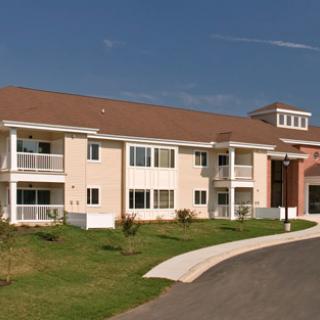
 CCRC with 24/7 supervision, on-site care, and restaurant-style dining.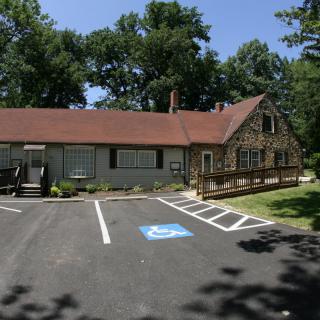


 Exploring the Power of Reminiscence Therapy for Individuals With Dementia
 An In-Depth Look at Reminiscence Therapy in Dementia Care
 Dementia-Related Hallucinations: Causes, Experiences, and Practical Approaches