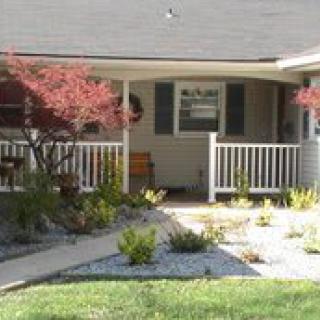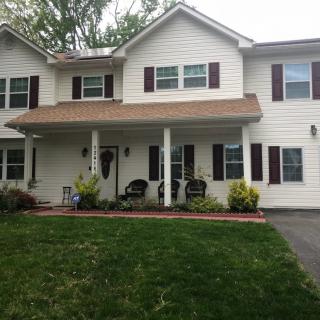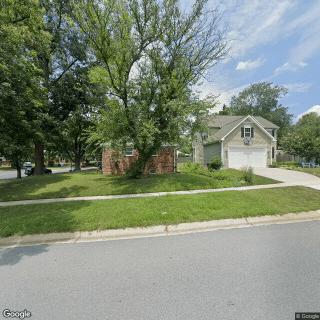
Riva Terrace II in Annapolis, MD

Save
Riva Terrace II

Riva Terrace II in Annapolis, MD

2707 Riva Road, Annapolis, MD 21401

For more information about senior living options: (844) 490-3973

3.5 from 2 reviews
Assisted Living Board and Care Home

Riva Terrace II Costs & Pricing

Riva Terrace II offers a competitive monthly cost for its private rooms at $4,300. This pricing positions it slightly above the average for Anne Arundel County, which is $4,162, and the state of Maryland as a whole, where the average sits at $4,112. While Riva Terrace II's costs are marginally higher than the regional and state averages, this may reflect the unique amenities and services offered within their community. Potential residents can consider this factor alongside local market trends to make an informed decision about their care options.

Floor plansRiva Terrace IIAnne Arundel CountyMaryland
Private$4,300$4,162$4,112

Overall Review of Riva Terrace II

Pros

  • pro The facility was bright and inviting.
  • pro The smaller facility had a good caregiver-to-resident ratio.
  • pro The other house shown was better.

Cons

  • pro The facility was too small for the sister's needs.
  • pro The first home shown had sunk in the living room, making it difficult for someone using a walker.
  • pro It would be difficult for a resident to reach the dining room.

Review

Riva Terrace II in Annapolis is best suited for seniors who want an intimate, home?like setting where caregivers know residents personally and care remains highly individualized. The two?house arrangement creates a compact, neighborly feel with a bright, inviting ambiance that supports a calm, predictable daily rhythm. This is a practical choice for families prioritizing a strong caregiver-to-resident ratio and immediate attention to routine needs over expansive programming or sprawling common areas. For residents whose needs are modest and who value personal connections over grand communal spaces, the setting can feel genuinely comfortable. The trade?off is real: space is limited, and those seeking large dining rooms, broad activity options, or a campus atmosphere may find the scale constraining.

Families weighing options should consider alternatives if mobility, space, or consistency across units matters. Larger assisted living communities with single?building layouts, wider corridors, and more generous common areas often deliver easier navigation for walkers or wheelchairs and a broader menu of activities. For residents who require more extensive medical oversight, more room to maneuver, or a consistently accessible layout from room to dining room, a multi-site two?house model may prove awkward in practice. If a resident's acuity is higher or if the desire is to consolidate services in a single, expansive footprint, exploring other communities becomes a prudent step.

The strongest positives at Riva Terrace II are practical and observable. A smaller setting commonly translates to closer supervision and quicker response times, which many families value for safety and peace of mind. Staff interactions appear to be genuinely warm, with reports of delightful caregivers contributing to a compassionate day?to?day experience. The brightness and inviting d?cor can lift mood and reduce anxiety, an important factor for residents settling into a new home. The existence of two houses offers variety within the same brand, and at least one unit was described as better planned, suggesting that with careful unit selection, the core idea of a cozy, attentive environment can shine.

Yet the principal drawbacks are not easily dismissed. The most significant, for many families, is the size itself. A footprint that is too small can limit access to private space for residents who need more room for mobility devices, therapeutic activities, or simply to stretch out. Accessibility concerns are highlighted by instances where a living room sunk below the level of the hallway and where reaching the dining room would present a challenge for someone using a walker. Such layouts pose practical safety questions, particularly for routine movements, meal times, and staffing during busy periods. The variability between the two houses means not every resident will experience the same quality of navigation, lighting, or ease of movement, which adds an element of unpredictability to the decision.

Ultimately, the pros and cons at Riva Terrace II balance toward practicality with caveats. The favorable caregiver ratio and evident warmth from staff can meaningfully improve daily life for residents who thrive on personal attention and a steady routine. A bright environment and a tight?knit small community can foster comfort, reduce confusion, and support meaningful connections with peers and caregivers. However, the limited space and accessibility gaps cannot be fully offset by attentiveness alone. For residents who require more expansive living areas, easier mobility, or a wider spectrum of activities and services within a single site, these limitations may tilt the decision away from Riva Terrace II.

For families making a choice, the recommendation is clear: schedule focused tours that compare the two houses side by side, and request detailed floor plans that reveal door widths, thresholds, and routes to dining rooms. Test navigation with mobility aids, verify the availability of consistent staffing across shifts, and ask how alterations or moves between units are managed. Probe whether any unit has undergone recent renovations or layout changes that improve accessibility. If the resident's needs lean toward manageable daily support within a small, intimate community - and the family can tolerate a compact footprint - Riva Terrace II can feel like a swell personalization of care. If, however, mobility, space, or a consistent, expansive common area matters most, exploring larger or more unified campuses will likely yield a safer, more scalable fit.

Features

Housing

  • 5 resident community capacity 5 resident community capacity

Types of Care

  • Assisted Living Assisted LivingAssisted living facilities provide crucial support and care for seniors who may need help with daily tasks such as medication management, bathing, and meal preparation. These communities offer a safe and comfortable environment where seniors can maintain their independence while receiving the assistance they need to thrive in their golden years.
  • Board and Care Home Board and Care HomeBoard and care homes provide a smaller, more intimate setting for seniors who require assistance with daily tasks but do not need the level of care offered by a nursing home. They offer personalized care, meals, and social activities in a homelike environment, ensuring that seniors receive individualized attention and support in their golden years.

Amenities

  • Cable or satellite TV Cable or satellite TVCable or satellite TV is important for seniors because it provides entertainment, news, and companionship, helping to combat loneliness and boredom. It also offers a wide range of programming options tailored to different interests and preferences.
  • Dining room Dining roomDining rooms are important for seniors as they provide a space for socialization, connection, and nutritious meals. They offer opportunities for residents to bond over shared meals, foster a sense of community, and promote healthy eating habits. Dining rooms also ensure that seniors have access to well-balanced meals tailored to their dietary needs and preferences.
  • Fully furnished Fully furnishedFully furnished senior living communities are important for seniors because they provide convenience, comfort, and a hassle-free moving experience. Seniors can easily settle into their new living space without the stress of having to buy and move furniture. This allows them to focus on enjoying their new home and community.
  • Garden GardenGardens are important for seniors as they provide a peaceful and therapeutic environment for relaxation, physical activity, and socialization. Being in nature has been shown to reduce stress, improve mood, and promote overall well-being. Gardens also offer opportunities for seniors to engage in gardening activities, which can improve mobility, flexibility, and cognitive function. Additionally, gardens create a sense of community and connection with others who share a passion for plants and outdoor spaces.
  • Housekeeping services Housekeeping servicesHousekeeping services are important for seniors because they help maintain a clean and safe living environment, promote independence, and reduce the risk of accidents or illnesses. Additionally, having assistance with household chores can alleviate physical strain and allow seniors to focus on other aspects of their well-being.
  • Move-in coordination Move-in coordinationMove-in coordination is important for seniors because it helps ease the transition into their new living environment. It ensures that all logistics, such as packing, organizing movers, and setting up utilities are taken care of, allowing seniors to focus on settling in and adjusting to their new home. Having a smooth move-in process can alleviate stress and anxiety, making the transition smoother and more enjoyable for seniors.
  • Outdoor space Outdoor spaceOutdoor spaces are important for seniors as they provide opportunities for physical activity, social interaction, exposure to natural light and fresh air, and a sense of connection to nature. Having access to outdoor spaces can improve overall well-being and quality of life for older adults living in senior communities.
  • Private PrivatePrivacy is important for seniors as it allows them to maintain their independence, dignity, and sense of control over their own lives. It also gives them the space and freedom to relax, reflect, and engage in activities that bring them joy and fulfillment. Creating private spaces within senior living facilities is crucial for promoting overall well-being and quality of life.
  • Private bathrooms Private bathroomsPrivate bathrooms are important for seniors in senior living communities because they provide independence, dignity, and comfort. Having a private bathroom allows seniors to maintain their personal hygiene routines without the need for assistance, promoting a sense of autonomy and privacy. Additionally, private bathrooms help prevent the spread of infections and provide a safe and clean environment for seniors to navigate safely.
  • Respite or short term stays offered Respite or short term stays offeredRespite or short term stays provide seniors with a temporary solution when their regular caregiver is unavailable, offering them the opportunity to receive additional care and support during times of need, while also giving caregivers a chance to rest and recharge.
  • Telephone TelephoneTelephones are important for seniors as they provide a lifeline for communication with loved ones, emergency services, and healthcare providers. They offer a sense of security and independence, enabling seniors to stay connected and access assistance when needed.
  • Wi-Fi/high-speed internet available Wi-Fi/high-speed internet availableWi-Fi/high-speed internet is important for seniors to stay connected with loved ones, access online resources, and participate in virtual activities to combat feelings of loneliness and isolation. It also allows them to easily manage healthcare needs, access entertainment, and engage in lifelong learning opportunities.

Transportation

  • Baltimore-Washington International (15 miles away) Baltimore-Washington International (15 miles away)

Care Services

  • 24-hour supervision 24-hour supervision24-hour supervision is important for seniors to ensure their safety, well-being, and access to immediate assistance in case of emergencies or health issues. This constant support provides peace of mind for both seniors and their loved ones, allowing them to age in place with dignity and security.
  • Activities of daily living assistance Activities of daily living assistanceActivities of daily living assistance are important for seniors because they provide essential support with tasks such as eating, bathing, dressing, and mobility. This assistance helps seniors maintain their independence, dignity, and overall quality of life as they age.
  • Assistance with bathing Assistance with bathingAssistance with bathing is crucial for seniors as it helps maintain personal hygiene, prevents infections, and ensures their overall well-being and comfort. It also provides a sense of dignity and independence for seniors who may struggle with this task on their own.
  • Assistance with dressing Assistance with dressingAssistance with dressing is important for seniors because it helps maintain their independence, promotes personal hygiene, prevents accidents and injuries, and improves overall quality of life. This service ensures that seniors can continue to dress comfortably and confidently, despite any physical limitations they may have.
  • Assistance with transfers Assistance with transfersAssistance with transfers is crucial for seniors as it helps prevent falls and injuries, maintains their independence, and ensures they can safely navigate their living environment. It also provides peace of mind for both seniors and their loved ones.
  • Coordination with health care providers Coordination with health care providersCoordination with health care providers is crucial for seniors to ensure proper medical care, medication management, and overall well-being. This collaboration helps prevent overlapping treatments, track progress more effectively, and provide comprehensive support tailored to individual needs.
  • Diabetes diet Diabetes dietA diabetes diet is crucial for seniors as it helps manage blood sugar levels, reduce risks of complications, and improve overall health and well-being. By following a balanced and nutritious diet tailored to their specific needs, seniors can better control their diabetes and enhance their quality of life.
  • Diabetic care Diabetic careDiabetic care is crucial for seniors as they are more susceptible to developing diabetes due to aging and other health conditions. Proper management of diabetes can help prevent complications such as heart disease, vision loss, and nerve damage, improving the overall quality of life for seniors in senior living communities.
  • High acuity care High acuity careHigh acuity care is important for seniors because it provides specialized medical attention and support for individuals with complex medical needs. This level of care ensures that seniors receive the appropriate treatment and assistance to maintain their health and quality of life as they age.
  • Meal preparation and service Meal preparation and serviceMeal preparation and service are crucial for seniors as they may have limited mobility or energy to cook nutritious meals. Having access to healthy and convenient food options can ensure they are getting the proper nutrition needed to maintain their overall health and well-being.
  • Medication management Medication managementMedication management is crucial for seniors to ensure they are taking the right medications at the correct dosages and times. This helps prevent adverse drug interactions, reduces the risk of medication errors, and promotes overall health and well-being. Proactive management also allows for adjustments as needed based on changing health conditions or new prescriptions.
  • Special dietary restrictions Special dietary restrictionsSpecial dietary restrictions are important for seniors because age-related changes in metabolism and health conditions can make it difficult for their bodies to process certain foods. By following a diet tailored to their specific needs, seniors can maintain their overall health and well-being, manage chronic conditions, and reduce the risk of complications such as malnutrition or food interactions with medications.
  • Transportation arrangement (medical) Transportation arrangement (medical)Transportation arrangements for medical purposes are essential for seniors as they may have difficulty driving themselves to appointments or accessing public transportation. Having reliable and safe transportation options ensures that seniors can receive timely medical care and maintain their health and well-being.
  • Transportation to doctors appointments Transportation to doctors appointmentsTransportation to doctors' appointments is crucial for seniors as it ensures they have access to necessary medical care and support for their health needs. Without reliable transportation, seniors may struggle to attend important appointments, leading to potential delays in treatment and health complications. Providing transportation services helps seniors maintain their overall well-being and quality of life.
Dining

  • Diabetes diet Diabetes dietA diabetes diet is crucial for seniors as it helps manage blood sugar levels, reduce risks of complications, and improve overall health and well-being. By following a balanced and nutritious diet tailored to their specific needs, seniors can better control their diabetes and enhance their quality of life.
  • Special dietary restrictions Special dietary restrictionsSpecial dietary restrictions are important for seniors because age-related changes in metabolism and health conditions can make it difficult for their bodies to process certain foods. By following a diet tailored to their specific needs, seniors can maintain their overall health and well-being, manage chronic conditions, and reduce the risk of complications such as malnutrition or food interactions with medications.

Activities

  • Community-sponsored activities Community-sponsored activitiesCommunity-sponsored activities are important for seniors as they provide opportunities for social interaction, mental stimulation, and physical activity. These activities can help improve overall well-being, combat loneliness and isolation, and promote a sense of belonging and purpose among older adults.
  • Scheduled daily activities Scheduled daily activitiesScheduled daily activities are important for seniors because they provide structure, socialization, mental stimulation, and physical activity. Engaging in regular activities can improve overall well-being and quality of life for seniors living in a community setting.

Description

Riva Terrace II is an esteemed assisted living community located in Annapolis, MD. Our goal is to provide comprehensive care and support for seniors in a comforting and homely environment.

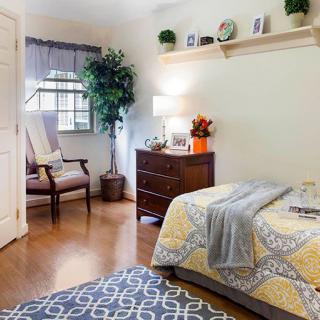
Our cozy Board and Care Home offers fully furnished private rooms with private bathrooms to ensure the utmost privacy and comfort for our residents. We take pride in offering exceptional care services such as assistance with activities of daily living, bathing, dressing, and transfers. Our dedicated staff also coordinates with health care providers to ensure that our residents receive the necessary medical attention.

At Riva Terrace II, we understand the importance of maintaining a healthy lifestyle. That's why we provide diabetes care and diet management for individuals with specific dietary restrictions. Our skilled staff also prepares delicious meals tailored to the needs of each resident.

To enhance the quality of life for our residents, we offer various amenities and activities. Our dining room serves as a gathering place for delicious meals shared amongst friends. Scheduled daily activities keep our residents engaged, active, and entertained.

We also prioritize the well-being of our residents by providing housekeeping services to maintain cleanliness throughout the community. Move-in coordination makes transition seamless and stress-free for new residents. Wi-Fi/high-speed internet connection enables easy communication with loved ones.

Convenience is key at Riva Terrace II with nearby parks, pharmacies, physicians' offices, restaurants, places of worship, theaters, and hospitals located within close proximity. Transportation arrangements are available for medical purposes or visits to doctors' appointments.

We invite you to join our warm and caring community at Riva Terrace II where your comfort, well-being, and happiness are our top priorities.

Nearby Places of Interest

This part of Annapolis, Maryland, offers a variety of amenities that may be appealing to seniors looking to relocate to the area. Within a short distance, there are several dining options ranging from casual eateries like Ingrano Bistro Bakery and Double T Diner to upscale restaurants like Maggiano's and The Cheesecake Factory. Additionally, there are multiple pharmacies and healthcare facilities nearby such as CVS Pharmacy, Capital Dermatology, and Luminis Health Community Clinic Arundel Lodge for easy access to medical services. For leisure activities, there is Bow Tie Annapolis Mall 11 for moviegoers and Quiet Waters Park for outdoor enthusiasts. Places of worship like St Mary's Church and Naval Academy Chapel are also conveniently located for spiritual needs. Overall, this neighborhood provides a mix of conveniences that cater to the needs and interests of seniors considering senior living in Annapolis.

Restaurants

  • Ingrano Bistro Bakery (0.5 miles)
  • Julep (1.3 miles)
  • Gordon Biersch Brewery Restaurant (1.3 miles)
  • Double T Diner (1.5 miles)
  • Maggiano's (1.5 miles)
  • Chick-Fil-A (1.5 miles)
  • The Cheesecake Factory (1.7 miles)

Pharmacies

  • CVS Pharmacy (0.5 miles)
  • CVS Pharmacy (2 miles)
  • Giant Pharmacy (2 miles)
  • Walgreens (2.2 miles)
  • CVS Main Store (2.3 miles)
  • CVS Pharmacy (2.4 miles)
  • Safeway Pharmacy (3.1 miles)

Physicians

  • Capital Dermatology (0.6 miles)
  • Passport Health (0.8 miles)
  • Promd Health (1 miles)
  • Richard Bernstein, MD (1.1 miles)
  • Chesapeake Medical Imaging (1.2 miles)
  • Annapolis LASIK & PRK Laser Eye Surgery - LasikPlus (1.2 miles)
  • WellAve Dermatology Annapolis, MD (1.2 miles)

Hospitals

  • Luminis Health Community Clinic Arundel Lodge (1 miles)
  • Anne Arundel Medical Center (2 miles)

Theaters

  • Bow Tie Annapolis Mall 11 (1.5 miles)

Parks

  • Quiet Waters Park (4 miles)

Places of Worship

  • St Mary's Church (4 miles)
  • Naval Academy Chapel (4.2 miles)
  • St Elizabeth Ann Seton Church (6.5 miles)
  • St John the Evangelist Church (7 miles)

Cafes

  • Big Bean (7 miles)

Frequently Asked Questions

How much does it cost to live at Riva Terrace II in Annapolis, MD?
Where is Riva Terrace II?

Nearby Communities

  • Charter Senior Living of Annapolis

    Charter Senior Living of Annapolis

    Annapolis, MD

    4.6 from 139 reviews
    $6,500 to $8,650 / month

    pro Specialized memory care with compassionate staff and engaging activities.

  • Habitat America,  LLC

    Habitat America, LLC

    Annapolis, MD


    pro Excellent access to parks, pharmacies, physicians, dining, worship, entertainment, and hospitals.

  • Ginger Cove

    Ginger Cove

    Annapolis, MD

    3.9 from 51 reviews
     

    pro Engaging activities, friendly staff, and restaurant-style dining in a clean, modern setting.

  • Heritage Harbour Health And Rehabilitation Center

    Heritage Harbour Health And Rehabilitation Center

    Annapolis, MD

    4.7 from 114 reviews
     

    pro High-quality nursing care and rehabilitation services with attentive staff.

  • Onic Medical Services

    Onic Medical Services

    Annapolis, MD


    pro Excellent access to healthcare and nearby amenities (pharmacies, physicians, hospitals, restaurants, and entertainment).

  • Options for Senior America Annapolis

    Options for Senior America Annapolis

    Annapolis, MD

    4.8 from 22 reviews
     

    pro Professional, compassionate caregivers with flexible scheduling and responsive management.

  • South River Healthcare Center

    South River Healthcare Center

    Edgewater, MD

    2.3 from 62 reviews
     

    pro Pleasant grounds with some attentive staff.

  • Rutherford Manor

    Rutherford Manor

    Davidsonville, MD

    4.5 from 27 reviews
    $3,800 to $4,800 / month

    pro Clean, well-maintained facility with caring, attentive staff.

  • Autumn Lake at Spa Creek

    Autumn Lake at Spa Creek

    Annapolis, MD

     
    $7,350 to $8,160 / month

    pro On-site devotional services and a broad range of amenities (including incontinence care and respite stays).

Related Resources

  • assisted living waiver programA Detailed Exploration of Assisted Living Medicaid Waivers Across the United States

    Medicaid waivers for assisted living services provide vital support for seniors and individuals with disabilities in need of long-term care, with varying state-specific eligibility criteria and benefits. These waivers cover personal care and case management but often do not fully cover room and board, leading to waiting lists for many applicants.

  • assisted living for disabled adultsComprehensive Residential Support and Assisted Living Solutions for Individuals with Disabilities

    The article examines the complexities of assisted living for individuals with disabilities, emphasizing the need for tailored care solutions that enhance quality of life and social inclusion, while addressing financial challenges and advocating for community integration. It discusses various housing options, the importance of financial assistance through public benefits, and highlights trends towards integrated and technology-driven solutions in disability-focused housing.

  • assisted living for disabled adultsComprehensive Supportive Living Arrangements for Adults with Disabilities

    Assisted living for adults with disabilities has transformed to provide personalized care and support services aimed at improving residents' quality of life while balancing independence and assistance. However, low-income individuals often face challenges in affording these services, requiring navigation of various financial resources and advocacy for better policies and solutions.