Residents and families describe support that is available day and night.
Multiple reviews point to dependable, hands-on help when residents need it, including staff encouraging residents to use a call button and medication support on schedule. Families also describe care that feels present throughout the day and night, and one review highlights 24-hour nursing staff with doctors on call. The community’s assisted living services also include a 24-hour call and supervision setup, aligning with what families describe.
common14 reviews mention this
Activities keep residents engaged
Reviews consistently describe a steady flow of activities and outings.
Residents are described as staying involved through scheduled activities, resident involvement, and group programming that includes family participation. Several reviews mention outings such as restaurant meals and outings to community spots, plus events like family nights and frequent parties. Even residents who are new or in memory care are described as being offered structured activity time and social interaction.
common13 reviews mention this
Food and dining stand out
Dining and food quality come up often in resident and family feedback.
Across reviews, families describe meals as a strength, with comments about good food, excellent food, and residents eating regularly. A few reviews also describe dining-room experiences and options for taking family members to dine with them. The community also offers restaurant-style dining and supports special diets, which aligns with the way residents are described being cared for around meals.
common6 reviews mention this
Memory care is part of care
Families mention memory care when discussing day-to-day support needs.
Several reviews describe transitions into the memory care unit and the way staff responds when needs increase. Families mention caregivers being friendly in memory care, as well as the staff noticing when a higher level of care is needed. One review also describes a dementia-focused experience with appropriate supervision and care routines, while another describes a negative experience related to how care needs were assessed.
caveat5 reviews mention this
Pricing is often described as lower
Price is a recurring comparison point for families.
Some families say the community’s cost compared favorably with a previous place, including one mention that it was about half the cost elsewhere. Another review says the memory care cost was more in line with what the family was looking for. At the same time, one negative review includes a billing issue tied to a short placement timeframe, which is a separate concern about cost handling.
How we summarize
Counts show how many written reviews mention each theme; a review can touch several themes, and only frequently mentioned themes are displayed.
Features
Housing
84 resident community capacity
1-bedroom apartments
Studio apartments
Types of Care
Assisted Living
Continuing Care Retirement Community (CCRC)
Independent Living
Memory Care
Skilled Nursing Facility
Amenities
Air-conditioning
Beauty salon
Cable or satellite TV
Computer center
Fitness room
Fully furnished
Gaming room
Garden
Housekeeping services
Kitchenette
Move-in coordination
Outdoor space
Private bathrooms
Respite or short term stays offered
Restaurant-style dining
Small library
Telephone
Wellness center
Wi-Fi/high-speed internet available
Transportation
Baltimore-Washington International (15 miles away)
Community operated transportation
Transportation arrangement
Care Services
24-hour call system
24-hour supervision
Activities of daily living assistance
Assistance with bathing
Assistance with dressing
Assistance with transfers
Beauty salon
Care with behavioral issues
Dementia waiver
Diabetes diet
Hospice waiver
Meal preparation and service
Medication management
Physical therapy
Rehabilitation program
Special dietary restrictions
Dining
Diabetes diet
Special dietary restrictions
Activities
Activities off-site
Community-sponsored activities
Concierge services
Fitness programs
Planned day trips
Resident-run activities
Scheduled daily activities
Nearby Places of Interest
This part of Annapolis, Maryland, offers a variety of amenities and services that cater to the needs of seniors. With multiple physicians, pharmacies, and hospitals within a short distance, residents have access to quality healthcare options. The abundance of restaurants provides opportunities for social dining experiences, while places of worship offer spiritual support. Additionally, the proximity to parks like Sandy Point State Park and Quiet Waters Park allows for outdoor recreation and leisure activities. The nearby theater and cafes provide entertainment options for a well-rounded lifestyle. Overall, this area presents a convenient and vibrant community for seniors seeking a comfortable living environment in Annapolis.
Physicians
Mark Eaton, MD (0.3 miles)
Arundel Pediatrics (2 miles)
Cosmetic Dermatology Center (3.1 miles)
Sandel, Henry Sandel Duggal Center for Plastic Surgery and Medspa (3.1 miles)
Anne Arundel Dermatology (3.1 miles)
North Star Grief Recovery & Support (3.1 miles)
Dr Lichtenstein (3.1 miles)
Pharmacies
Walgreens (1.1 miles)
Cape Drugs (1.8 miles)
CVS Pharmacy (1.9 miles)
Rite Aid (3.8 miles)
Walgreens (4.3 miles)
CVS Main Store (4.8 miles)
CVS Pharmacy (4.8 miles)
Restaurants
McDonald's (1.3 miles)
Wendy's (1.4 miles)
Cantler's Riverside Inn (1.7 miles)
Severn Inn (2.3 miles)
Heroes Pub (3.1 miles)
Middleton Tavern (3.4 miles)
Mc Garvey's Saloon (3.4 miles)
Places of Worship
Naval Academy Chapel (3.2 miles)
St Mary's Church (3.6 miles)
St John the Evangelist Church (4.9 miles)
Parks
Sandy Point State Park (3.4 miles)
Quiet Waters Park (6.2 miles)
Hospitals
Anne Arundel Medical Center (4.3 miles)
Luminis Health Community Clinic Arundel Lodge (5.8 miles)
Annapolitan Care Center's features are specifically designed to address the unique needs of residents with dementia and Alzheimer's disease. Assistance with dressing and bathing helps residents maintain their personal hygiene and dignity, while meal preparation and service ensure they receive nutritious meals tailored to their dietary needs. Medication management is crucial in preventing complications from missed doses, enhancing overall health stability. The support with activities of daily living empowers residents to engage in routine tasks while ensuring safety during transfers. With 24-hour supervision, staff can promptly respond to any incidents or behavioral challenges that may arise, fostering a secure environment. The dementia waiver allows for tailored care approaches that respect individual capabilities, while physical therapy helps maintain mobility and physical wellness, addressing both physical and cognitive aspects of care effectively.
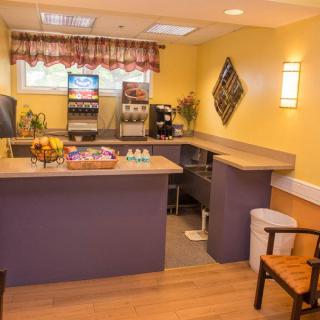
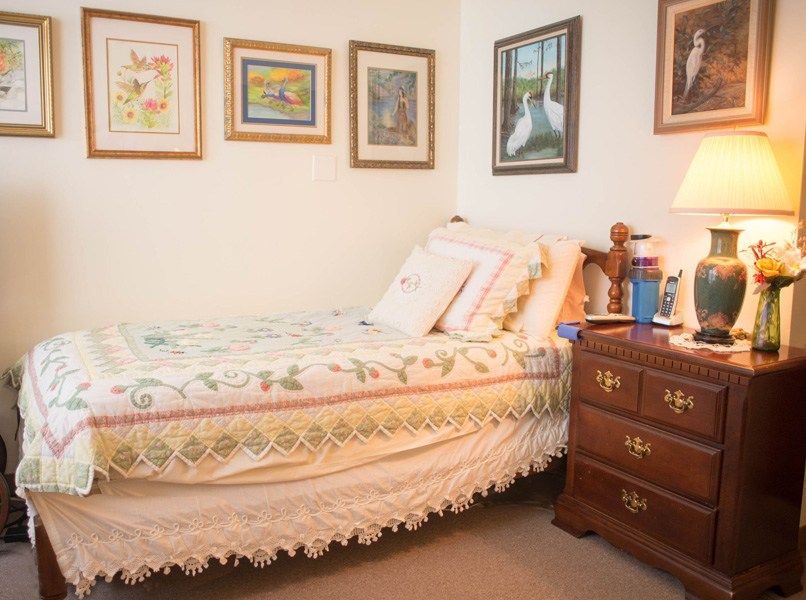
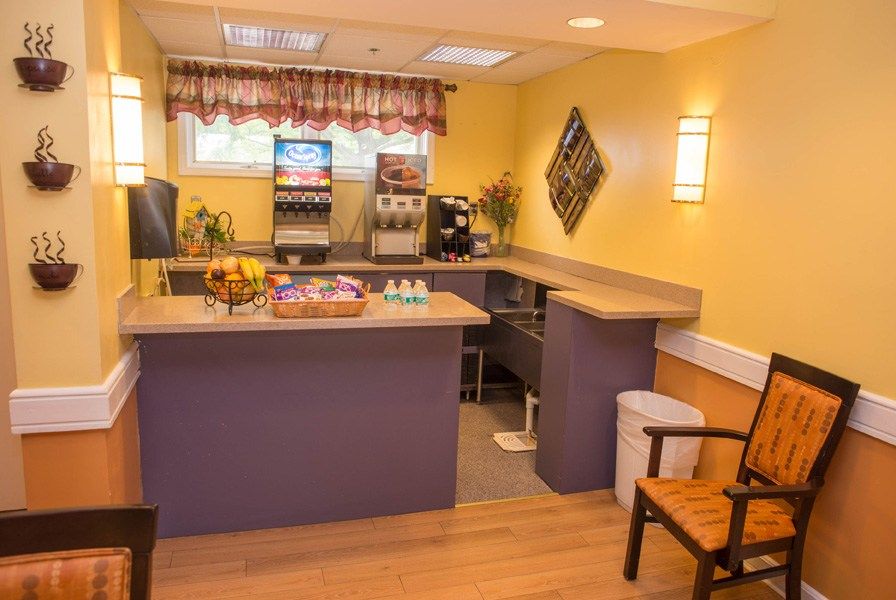
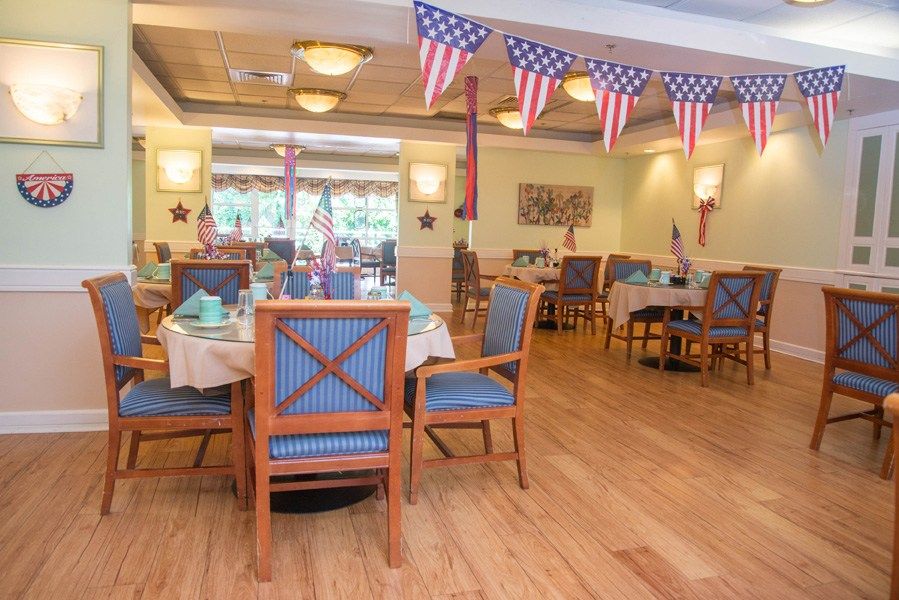
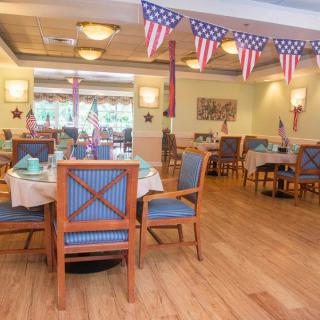
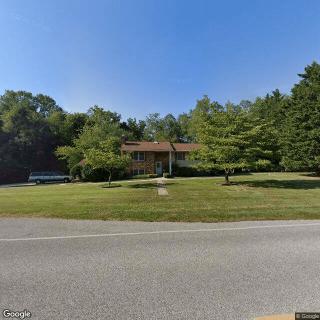
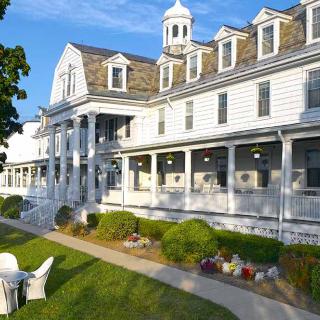
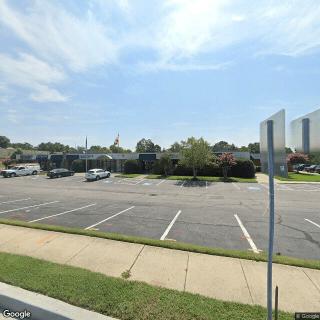
Annapolitan Care Center on seniors.fyi includes 3 photos including images showing interior, dining, bedroom, decor, waiting area, reception, coffee station, seating, and more.
Nearby Communities
Annapolitan Assisted Living
Annapolis, MD
4.6 from 38 reviews
$4,000 to $5,000 / month
Caring staff, clean facility, and engaging activities that foster a welcoming community.
Assisted Living of Annapolis
Annapolis, MD
4.6 from 19 reviews
Small, intimate community with comprehensive care and dining.
Riva Terrace 4
Annapolis, MD
4 from 7 reviews
$4,300 / month
Caring, attentive staff in a home-like setting with good meals
Riva Terrace IV
Annapolis, MD
4.3 from 120 reviews
24?hour supervision with meals, medication management, care coordination, and transport to appointments.
Jones Acres/Fern Brook Manor Fern Care Corp
Arnold, MD
4 from 1 review
Small, personalized community (14 beds) with comprehensive care and ample amenities
Jones Acres
Arnold, MD
4 from 1 review
Fully furnished accommodations with comprehensive assisted living services, dining, housekeeping, and social activities.
Celebration Villa of Manresa
Annapolis, MD
4.2 from 68 reviews
$3,295 to $5,495 / month
Friendly staff with a robust activity program in a clean, scenic riverfront setting.
Freedom Home Care
Annapolis, MD
4.8 from 40 reviews
Attentive, personalized care with responsive staff and a helpful Health Portal
Baywoods Of Annapolis
Annapolis, MD
4.6 from 50 reviews
Stunning bayfront setting with a full continuum of care and attentive staff.
Sundown syndrome, or sundowning, is a phenomenon in dementia patients characterized by increased confusion and agitation during late afternoon and evening, influenced by factors like disrupted circadian rhythms and fatigue. Effective caregiver strategies include establishing routines and managing environmental light while addressing caregiver stress through support services.
Delirium is a rapidly onset, reversible cognitive disturbance often caused by acute medical issues, while dementia is a gradual and irreversible decline due to chronic neurodegenerative diseases. Accurate differentiation between the two is essential for appropriate treatment and management in older adults.
Dementia, including Alzheimer’s disease, is often mischaracterized in terms of lethality as it leads to complications that can be fatal rather than being a direct cause of death; it causes a progressive decline in cognitive and physical health, making patients vulnerable to infections and other health crises. Effective management of nutrition, hydration, and communication is crucial in patient care, with palliative care becoming vital in advanced stages to enhance comfort and quality of life while caregivers play a key role amidst the challenges posed by the disease.
Seating, Waiting Area, Reception, and Coffee Station
Get PricingAsk A QuestionSchedule A TourContact Senior Advisor
By clicking submit, you agree to our Partner's Terms of Use. You
also consent to receive calls and texts, which may be autodialed, from our Partner. Your consent is not a condition to
using our Partner's service. Please visit our Partner's Privacy Policy for information about their privacy practices.

 84 resident community capacity
 1-bedroom apartments
 Assisted Living
 Continuing Care Retirement Community (CCRC)
 Independent Living
 Memory Care
 Skilled Nursing Facility
 Air-conditioning
 Beauty salon
 Cable or satellite TV
 Computer center
 Fitness room
 Fully furnished
 Gaming room
 Garden
 Housekeeping services
 Kitchenette
 Move-in coordination
 Outdoor space
 Private bathrooms
 Respite or short term stays offered
 Restaurant-style dining
 Small library
 Telephone
 Wellness center
 Wi-Fi/high-speed internet available
 Baltimore-Washington International (15 miles away)
 Community operated transportation
 24-hour call system
 Activities of daily living assistance
 Assistance with bathing
 Assistance with dressing
 Assistance with transfers
 Care with behavioral issues
 Diabetes diet
 Hospice waiver
 Medication management
 Physical therapy
 Special dietary restrictions
 Concierge services
 Planned day trips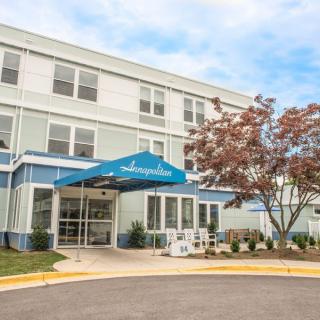
 Caring staff, clean facility, and engaging activities that foster a welcoming community.


 Comprehending Evening Confusion in Dementia: Causes, Manifestations, and Support
 Delirium and Dementia: Unraveling the Key Differences
 Are Dementia and Alzheimer's Disease Lethal? A Comprehensive Exploration