
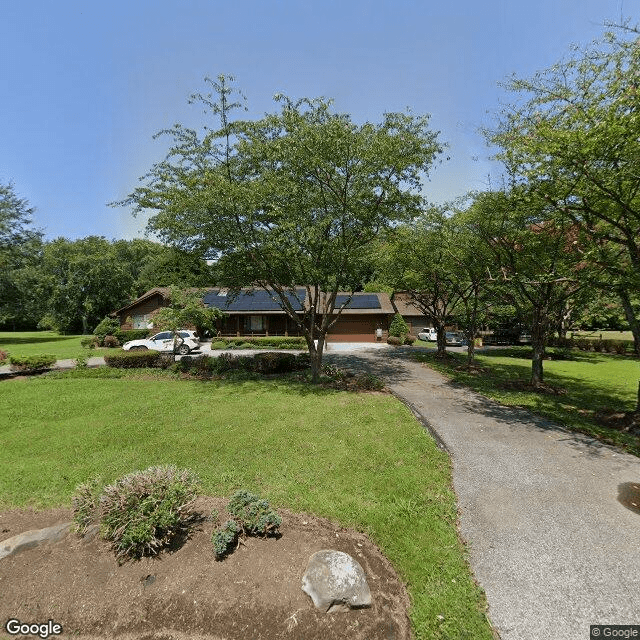
1671 Pleasant Plains Road, Annapolis, MD 21409
To contact a resident: (410) 626-7919
For more information about senior living options: (866) 208-4318
Riva Terrace 4 Costs & Pricing
Riva Terrace 4 offers a competitive pricing structure for its private rooms at $4,300 per month, which sits slightly above the average costs observed in Anne Arundel County ($4,162) and the broader state of Maryland ($4,112). While Riva Terrace 4's rates are marginally higher than both local and state averages, it's important to consider the unique amenities and personalized care services provided by the facility that may justify this difference. The investment in quality care and community environment at Riva Terrace 4 could well enhance the overall living experience for residents, making it a valuable option for those seeking a supportive residential setting.
| Floor plans | Riva Terrace 4 | Anne Arundel County | Maryland |
|---|---|---|---|
| Private | $4,300 | $4,162 | $4,112 |
Senior living communities with a similar price nearby
-
from -$500 / mo
AllView Retreat
$3,800 to $5,000 / month23.7 miles away -
from -$500 / mo
A C E
$3,800 / month15.1 miles away -
from -$800 / mo
Unique Care Assisted Living
$3,500 to $4,000 / month15.3 miles away -
from -$800 / mo
Hanover Assisted Living
$3,500 to $5,000 / month16.5 miles away -
from -$300 / mo

Morningside House of Friendship
$4,000 to $6,400 / month15.6 miles away
Overall Review of Riva Terrace 4
Pros
 The caregivers at this care home are friendly and great.
- Mom seems to love the food.
- They keep the care home clean.
- They are so loving and respectful to everyone in their care.
- They are quite simply the best around.
- They are kind, respectful, extremely helpful on all levels, and mom is getting exactly what she needs.
- Riva Terrace 4 is a really great community.
- The staff is incredibly attentive, friendly, and informative.
Cons
 They do not offer any activities.
- Lack of a time for activities. Just a tv.
- Only 1 is awake night staff.
Review
Riva Terrace 4 in Annapolis is best suited for families needing a small, home-like assisted living option where a resident can receive steady, personalized care in a quiet, residential setting. This community is ideal for someone who values a warm, family-style atmosphere, reliable daily caregiving, and high-quality meals over a bustling activities calendar. It fits residents who appreciate close, personalized attention and a stable routine more than extensive on-site programming. Those seeking a facility with expansive social events, vigorous scheduling, or intensive medical oversight may want to consider alternatives.
The strongest positives center on the care culture and everyday environments. The caregivers are consistently described as friendly, attentive, and respectful, delivering a level of warmth that families find reassuring. Families praise the open line of communication and the sense that staff genuinely know the residents, which translates into smoother transitions, fewer surprises, and clearer expectations. Cleanliness is routinely noted, and meals are prepared on-site and well-received by residents, contributing to overall daily satisfaction. In short, the daily caregiving feels capable and trustworthy, with staff members going out of their way to make residents feel at home.
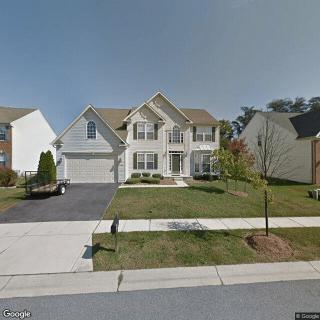
Another clear advantage is the intimate scale and the home-like atmosphere. Small houses with a handful of residents cultivate a strong sense of community where residents can gather comfortably in living and dining spaces. The quiet, residential setting outside a larger campus contributes to a calmer pace that many families prefer for comfort and safety. The reputation among families, bolstered by local referrals and church connections, adds a layer of social credibility, reinforcing confidence that the care team can maintain continuity and familiarity as needs evolve. The financial arrangments are also a practical plus for many: an average cost near $3,800 per month, with Medicaid waiver acceptance expanding access for eligible residents.
Yet, the most notable drawback is the limited activity programming. Several reviewers point to a minimal structured activities slate, with one noting that residents often rely on the television rather than organized engagement. For families seeking robust social opportunities, diversified daily activities, or more elaborate enrichment options, this environment may feel understated. Night staffing is another potential constraint in the mix: with one awake night caregiver per home, families should confirm expectations around overnight oversight and how safety and responsiveness are managed during late hours. While this arrangement suits many residents who thrive on routine and personalized care, it may not meet those requiring more around-the-clock, high-energy programming.
These strengths and limitations interact in a way that often favors the targeted resident. The exceptional caregiver relationships and the homey setting offset the lean activity offerings by delivering consistent, dependable care that reduces family anxiety and supports incremental independence. The on-site meals and cleanliness reinforce daily well-being, while the small scale allows staff to tailor routines and responses to individual needs with a depth that larger communities struggle to match. The Medicaid waiver option further strengthens affordability and access, ensuring families can pursue this option without surrendering essential services to cost.
For families weighing a decision, the profile here is clear. Riva Terrace 4 is a fit for someone who prizes intimate, dependable care, a quiet, comfortable home atmosphere, and reliable daytime communication. It is less suitable for residents who require a high-energy social calendar, frequent organized activities, or extensive nighttime medical oversight. Prospective families should arrange a visit focused on three practical checks: verify the night staffing reality and responsiveness, explore current or planned activity options to gauge alignment with interests, and confirm the menu variety and prospective flexibility in meals. Also verify Medicaid waiver details and the monthly cost in relation to ongoing care needs. With these caveats understood, Riva Terrace 4 offers a compelling, intimate option that delivers warmth, dignity, and steady caregiving in a setting many families come to trust.
 Board and Care Home
 Private
 Respite or short term stays offered
 Baltimore-Washington International (16 miles away)
 Diabetic care
 High acuity care






 8 Essential Assistive Devices for Older Adults
 Navigating the Financial Road to Nursing Home Care: In-Depth Guidance and Resources
 Supportive Employee Benefits That Help Caregivers Attain Better Work-Life Harmony