Annapolitan Assisted Living in Annapolis, MD

Save

  • Interior

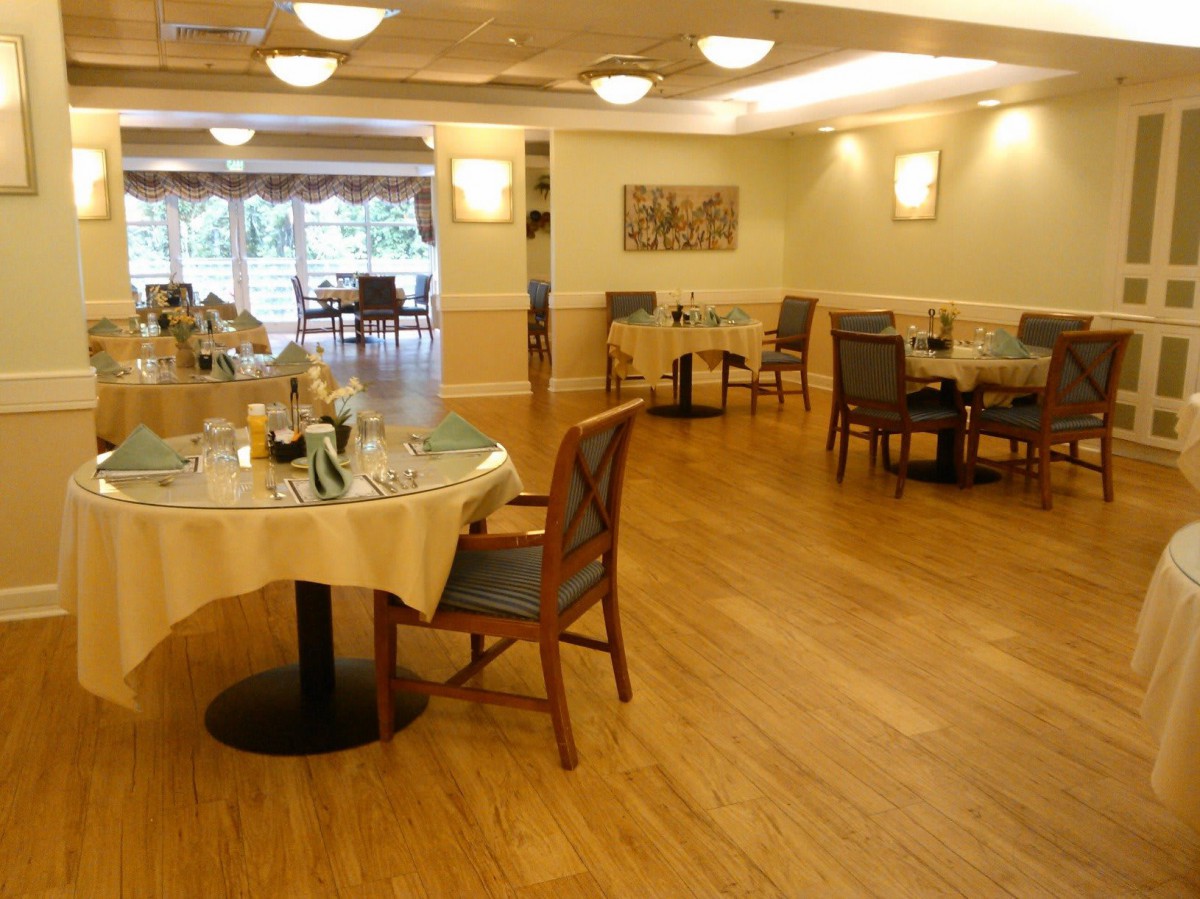
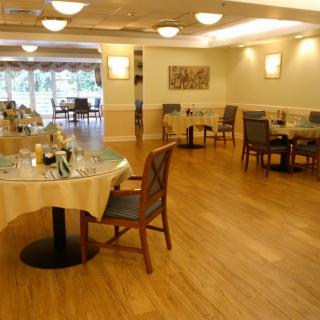
    A well-lit restaurant dining area featuring wooden floors and neatly arranged tables and chairs.
  • Outdoors

    A man playing mini-golf outdoors.
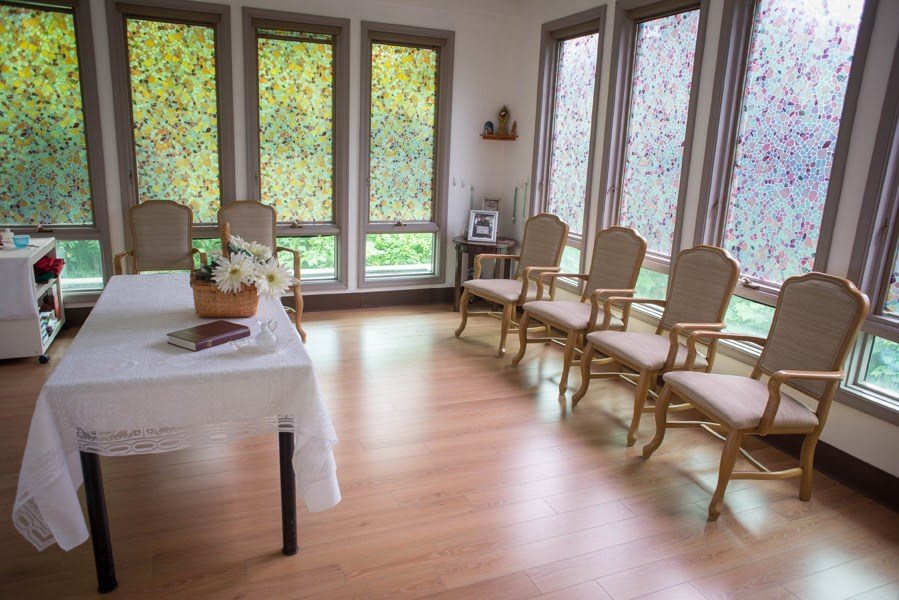
  • Decor

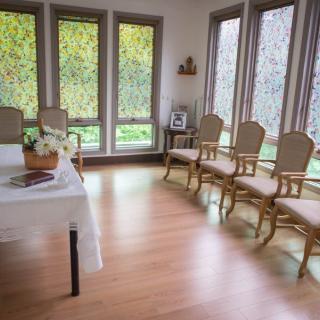
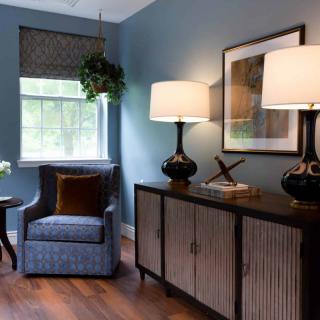
    A serene, light-filled room with elegant chairs lined up against the walls and a table adorned with flowers.
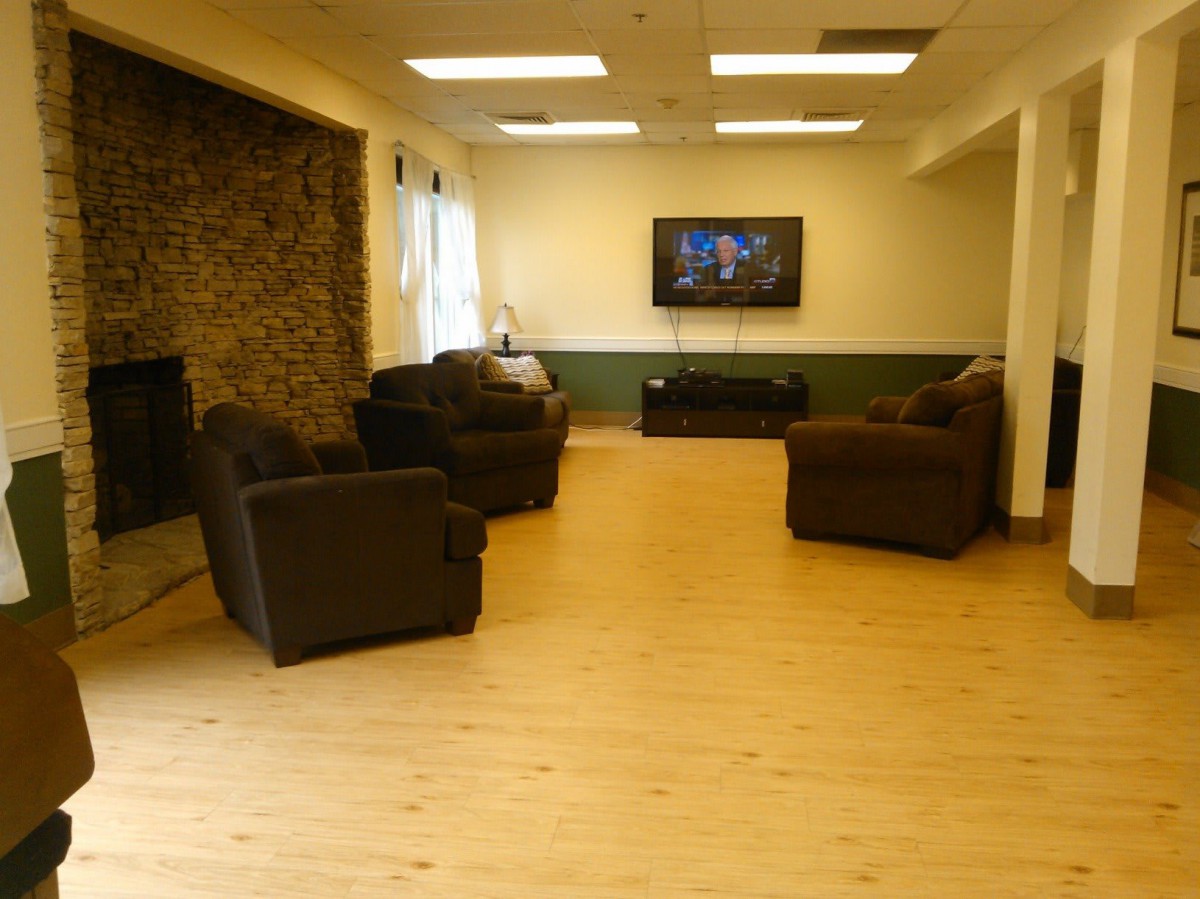
  • Living Room

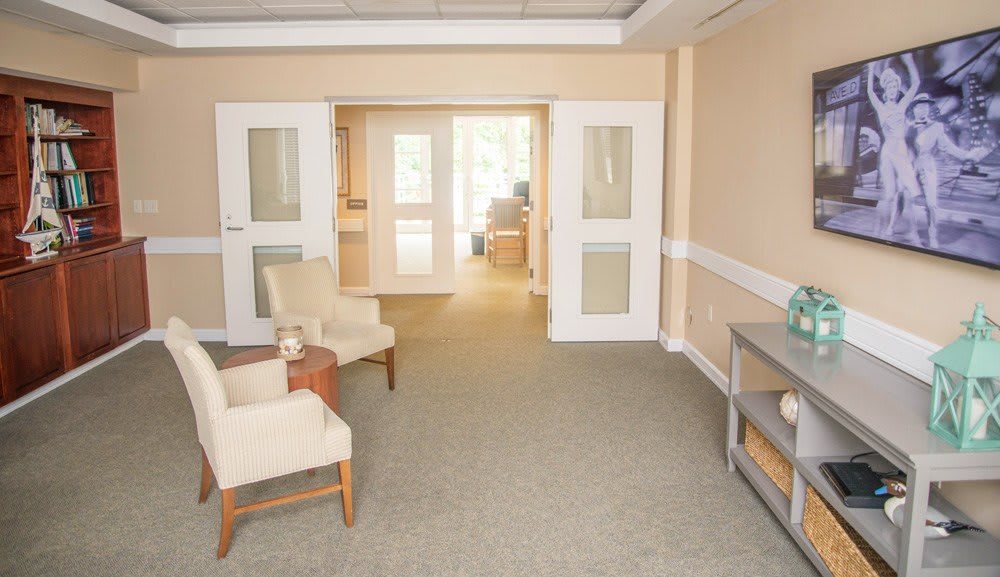
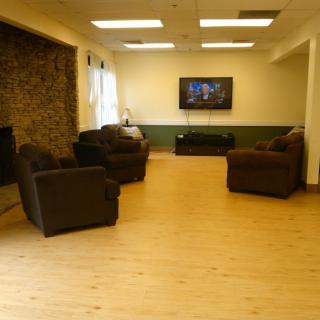
    A cozy living room with sofas, a fireplace, and a television on the wall.
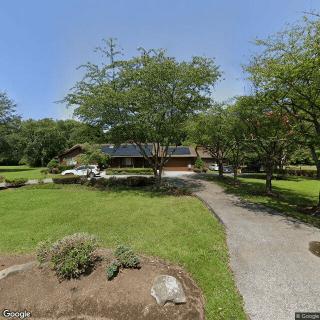
  • Building

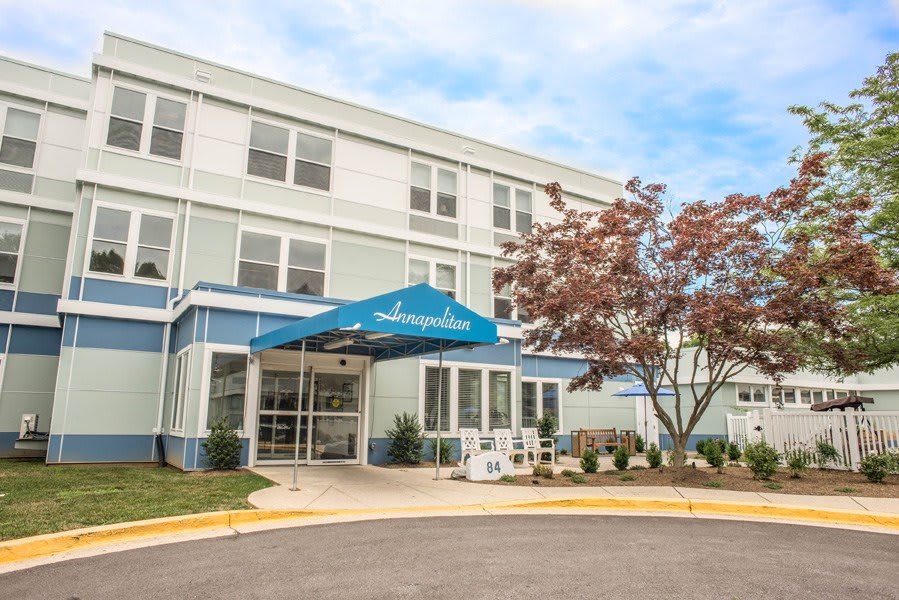
    A modern building entrance with a blue canopy and surrounding trees under a clear sky.
  • Bedroom

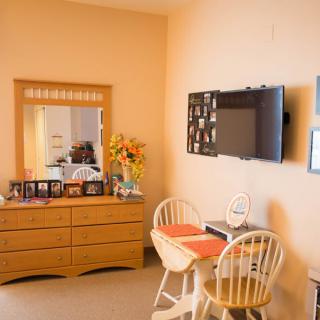
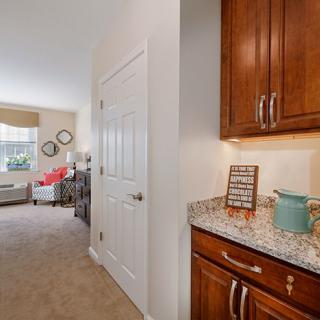
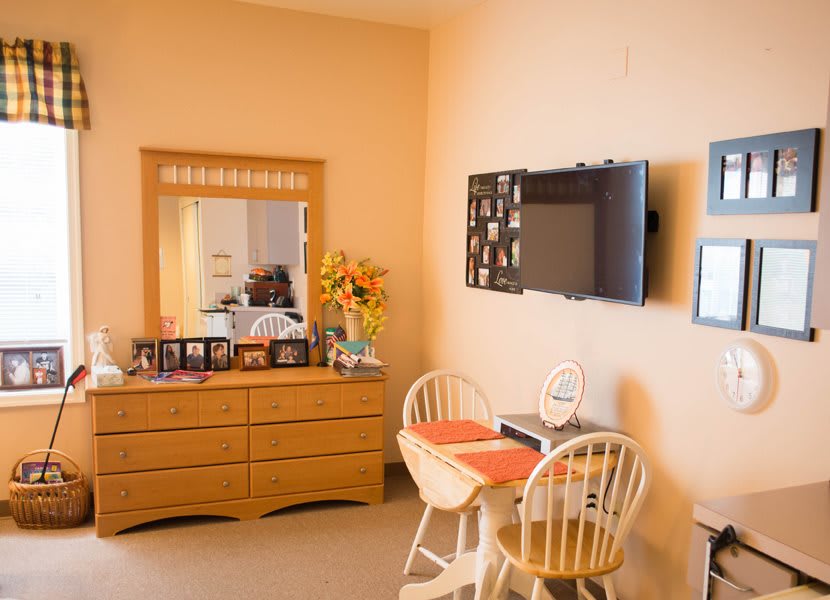
    Cozy room with a dresser, mirror, wall-mounted TV, and small dining area.
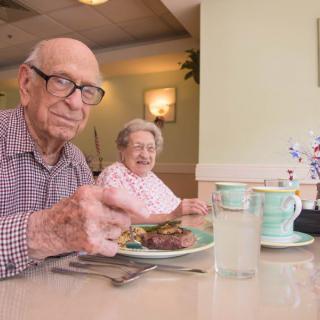
  • Dining

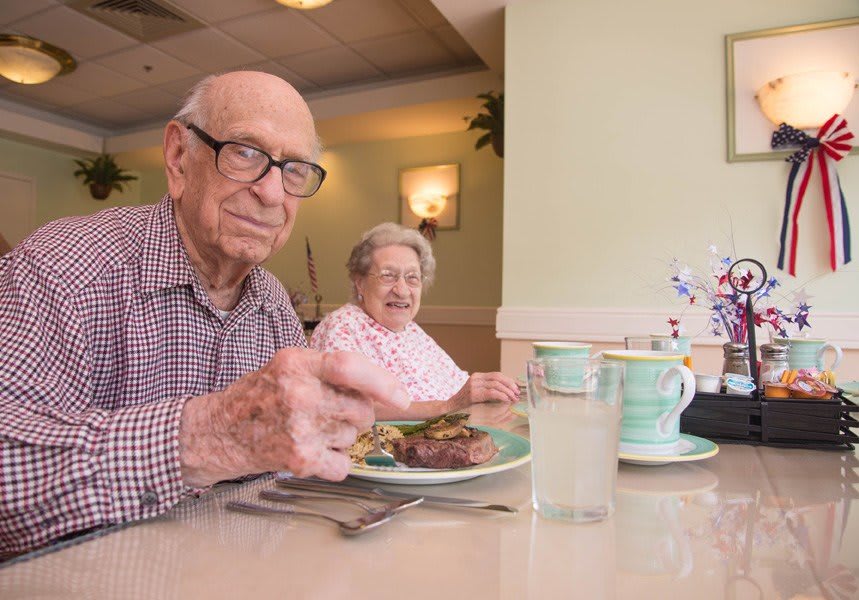
    An elderly couple enjoying a meal together at a restaurant.
  • Landscaping

    A wooden deck with planters filled with vibrant flowers and greenery, surrounded by lush foliage.
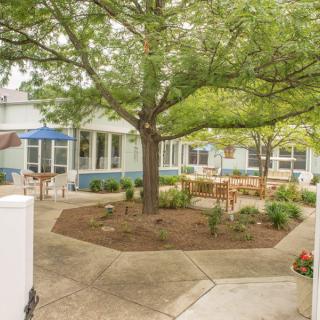
  • Garden

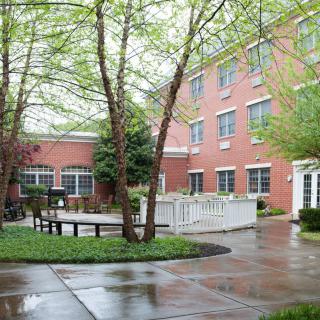
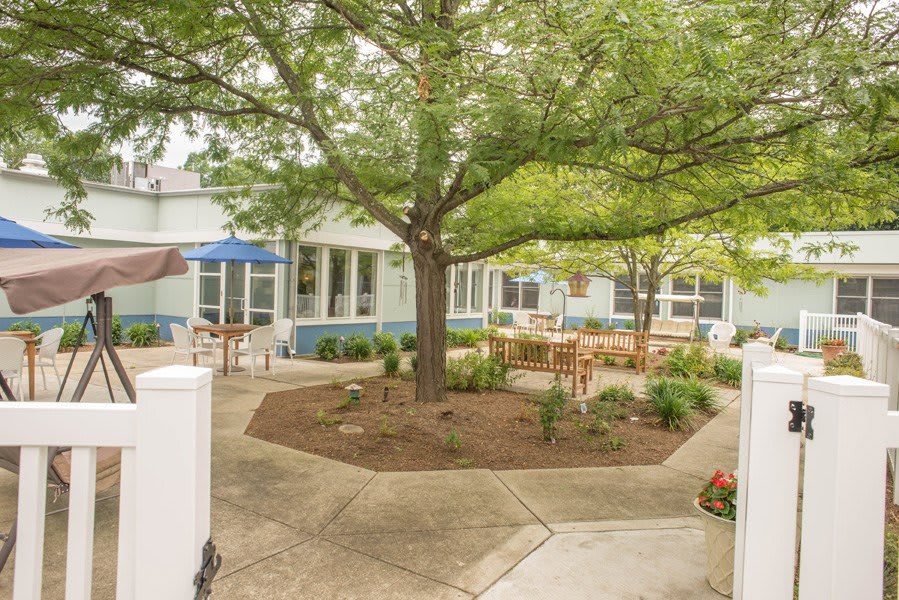
    A peaceful courtyard with a central tree and outdoor seating areas.
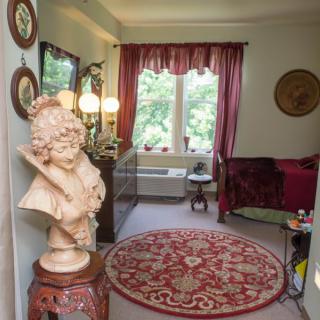
  • Rug

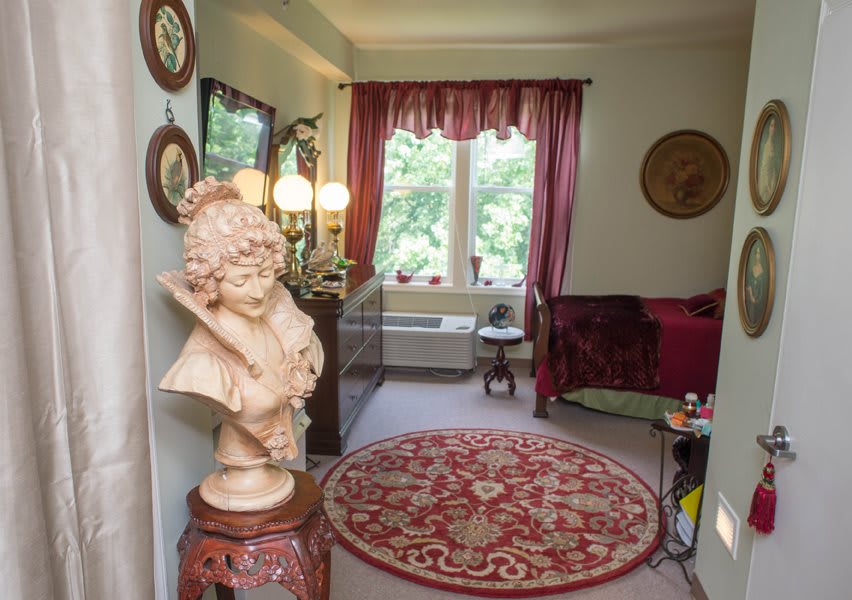
    A cozy living room with classical decor, featuring a bust sculpture and elegant furnishings.
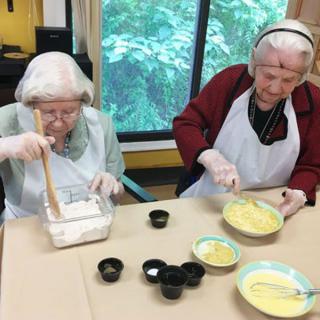
  • Cooking

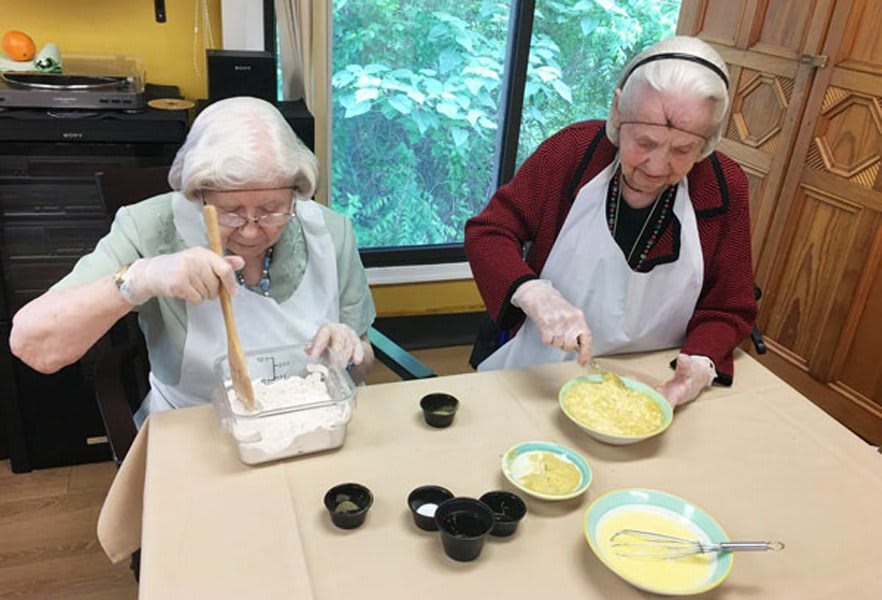
    Two elderly women engaged in a cooking activity, preparing ingredients at a table.
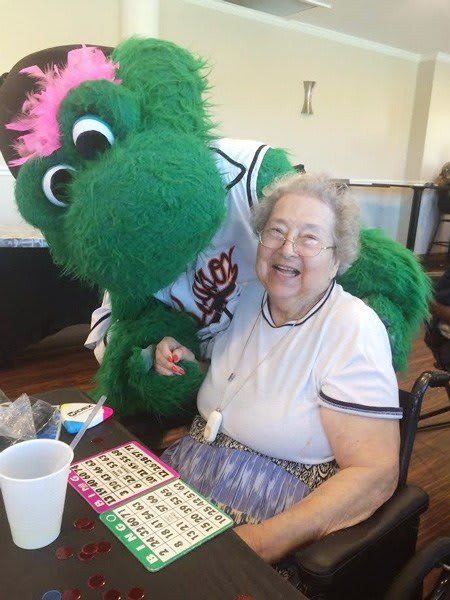
  • Bingo

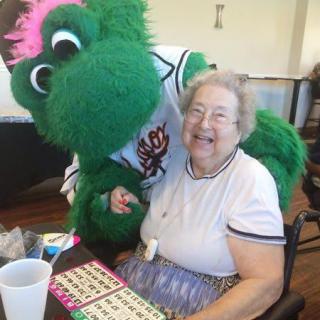
    A cheerful elderly woman enjoys a bingo game with a friendly mascot.

Annapolitan Assisted Living in Annapolis, MD

84 N Old Mill Bottom Rd, Annapolis, MD 21409

For more information about senior living options: (844) 490-3973

4.6 from 38 reviews
5 stars
28
4 stars
8
3 stars
1
2 stars
0
1 stars
1

Assisted Living Memory Care

Annapolitan Assisted Living Costs & Pricing

Annapolitan Assisted Living offers competitive pricing in comparison to both Anne Arundel County and the broader Maryland area. For a semi-private room, residents can expect to pay $4,000 per month, which is notably lower than the county average of $4,109 and significantly below the state median of $3,545. This makes it an appealing option for those seeking quality care at a reasonable cost. Similarly, for studio accommodations, the monthly fee is set at $5,000; while this is slightly less than the local county rate of $5,303, it reflects a solid value compared to the Maryland state average of $4,656. Overall, Annapolitan Assisted Living provides attractive options that balance affordability with quality services in the heart of Anne Arundel County.

Floor plansAnnapolitan Assisted LivingAnne Arundel CountyMaryland
Semi-Private$4,000$4,109$3,545
Studio$5,000$5,303$4,656

Overall Review of Annapolitan Assisted Living

Pros

  • pro The staff know residents by name and interact with them with loving care and respect.
  • pro The memory care unit is attentive and encourages social activities and engagement.
  • pro The director, Jim Thompson, is exceptional - calm, kind, and highly responsive to residents and families.
  • pro The Annapolitan is consistently clean, well-maintained, and offers excellent dining and a pleasant dining environment.
  • pro The facility is described as a hidden gem - organized, caring, and a wonderful place to live.
  • pro Families are made to feel welcome and included, with open and responsive communication from the staff.
  • pro Residents have access to a wide range of daily activities, outings, and events that keep them engaged and happy.
  • pro The care provided is top-notch, personalized, and focused on comfort and dignity at all times.

Cons

  • pro Staff could have left her in bed to deteriorate.
  • pro The exterior of the building is not attractive.
  • pro There were times when staff did not respond to calls and failed to meet basic needs.
  • pro Dining service was slow and not attentive to residents' dietary preferences.
  • pro Turnover in cooking staff led to some poor meals.
  • pro There were one or two bad apples among the staff.

Review

An Annapolis family seeking a small, hands-on, resident-centered community will find Annapolitan Assisted Living a compelling match. This is best for seniors who value personal connections, consistent staff presence, and an environment that feels like a caring, local home rather than a large corporate campus. The model works especially well for residents who benefit from daily social engagement, regular family involvement, and a clear pathway into memory care if cognitive needs evolve. Those who want a polished, resort-like setting or a facility with dramatic architectural flair should look elsewhere, but for warmth, dignity, and steady leadership, Annapolitan delivers.

Alternative considerations are warranted for several reasons. Families on a tight budget may find the costs higher than some peers, even when the care quality remains excellent. Those prioritizing expansive outdoor spaces, ultra-modern interiors, or a facility with a very high level of medical acuity on site may prefer a larger, more specialized campus. Also, while the memory care unit is well-regarded, a few reviews point to concerns about transitions or the speed of service in specific departments; residents with particularly complex medical needs may want to verify that the on-site nursing and physician coverage aligns with expectations. Waitlists can appear during peak times, and some families report variability in dining experiences tied to staff turnover in culinary services. These are real considerations to weigh against the overarching strengths.

The strongest pro package at Annapolitan centers on staff and leadership. Long-tenured administrators and nurses translate into consistent care philosophy and responsive problem-solving. Families consistently praise the director's accessibility, the nurse leadership, and the ability of almost every staff member - from maintenance to housekeeping - to treat residents like individuals. This staff devotion manifests in proactive care, regular communication with families, and a culture of involving residents in daily activities. The community is notably clean, with a fragrance of fresh cleaning that reassures families about hygiene. That same attitude extends to memory care, where residents are kept socially connected and gently guided to remain engaged, even as cognitive needs shift.

Dining, programming, and the resident environment further distinguish Annapolitan. Meals are frequently described as a high point, featuring varied menus, attentive servers, and opportunities for special dining experiences - elements that boost appetite and mood. The campus offers a robust calendar of activities, outings, and social events, supported by an activities director who keeps the calendar full and inviting for both residents and visiting family. Private dining options for families, the ability to decorate rooms, and the weekly or ongoing opportunities to attend events outside the facility all reinforce a sense of normalcy and inclusion. Residents repeatedly report feeling safe, well-nourished, and valued, with families noting improvements in mood and engagement after transitions into the community.

Yet no review is without a caveat. A notable narrative describes a crisis moment where care did not meet expectations, followed by billing friction and emotional stress. Such incidents underscore the importance of due diligence: tour engagements should probe for specific protocols in high-acuity scenarios, verify response times for calls, and confirm billing practices before committing. On the practical side, a few families recount variability in dining service due to staff turnover in the kitchen, and an outdoor space described as modest rather than expansive. Memory care rooms, while comfortable, may lack some amenities diners expect (such as an onboard shower) and require a reminder that space is often more functional than fancy. These are meaningful, but manageable, counterpoints to the broader narrative of care excellence.

Ultimately, Annapolitan Assisted Living stands out as a dependable, compassionate option for families prioritizing equity of care, continuity, and a sense of community. The pros - stable leadership, attentive, individualized care, a clean and cheerful environment, substantive social programming, and strong family engagement - tend to eclipse the cons for most residents and families. The facility's approach to memory care, end-of-life support, and the ability to personalize spaces and routines make a difficult transition more tolerable and even meaningful. For households evaluating options where heartfelt, professional caregiving matters more than spectacle or a pristine clinical veneer, Annapolitan is a persuasive recommendation.

Features

Housing

  • 1-bedroom apartments 1-bedroom apartments1-bedroom apartments are important for seniors because they provide a sense of independence, privacy, and autonomy while still offering the necessary space for comfortable living. These apartments allow seniors to maintain their own personal space and lifestyle preferences in a supportive community setting.
  • Studio apartments Studio apartmentsStudio apartments are important for seniors because they offer a smaller, more manageable living space that is easier to navigate and maintain as physical abilities decline. Additionally, studio apartments provide seniors with independence and privacy while still being part of a community that offers support and social opportunities.

Types of Care

  • Assisted Living Assisted LivingAssisted living facilities provide crucial support and care for seniors who may need help with daily tasks such as medication management, bathing, and meal preparation. These communities offer a safe and comfortable environment where seniors can maintain their independence while receiving the assistance they need to thrive in their golden years.
  • Memory Care Memory CareMemory care is crucial for seniors as it provides specialized support and services for individuals with dementia or Alzheimer's disease. These programs offer a safe and secure environment where residents receive personalized care, cognitive stimulation, and help with daily activities. Memory care helps seniors maintain their independence, quality of life, and dignity while also providing peace of mind for their families.

Pets

  • Cats allowed Cats allowed"Pet friendly" senior living communities are important for seniors because pets provide companionship, reduce feelings of loneliness and depression, promote physical activity and mental stimulation, and offer a sense of purpose and responsibility. Pets can improve overall well-being and quality of life for seniors in many ways.
  • Dogs allowed Dogs allowed"Pet friendly" senior living communities are important for seniors because pets provide companionship, reduce feelings of loneliness and depression, promote physical activity and mental stimulation, and offer a sense of purpose and responsibility. Pets can improve overall well-being and quality of life for seniors in many ways.

Amenities

  • Activities off-site Activities off-siteEngaging in off-site activities is crucial for seniors to maintain social connections, stay active, and stimulate their minds. It promotes overall well-being and helps combat feelings of isolation and loneliness.
  • Activities on-site Activities on-siteActivities on-site are important for seniors because they provide opportunities for socialization, mental stimulation, physical activity, and overall well-being. Engaging in activities can help seniors stay active, maintain their independence, and improve their quality of life.
  • Air-conditioning Air-conditioningAir conditioning is important for seniors as they are more vulnerable to heat-related illnesses and may have underlying health conditions that make it difficult for them to regulate their body temperature. It helps to keep them comfortable, safe, and healthy in hot weather.
  • Beautician on-site Beautician on-siteHaving a beautician on-site at a senior living community is important for seniors as it allows them to easily access grooming and personal care services, boosting their self-esteem and overall well-being. It also provides convenience and helps seniors maintain their sense of independence and personal style.
  • Devotional services off-site Devotional services off-siteDevotional services off-site are important for seniors as they provide spiritual nourishment, social engagement, and a sense of community outside of the senior living facility. This can enhance overall well-being and help combat feelings of isolation and loneliness often experienced by older adults.
  • Devotional services on-site Devotional services on-siteDevotional services on-site provide seniors with spiritual support and a sense of community, as well as an opportunity for reflection and guidance during their senior living experience. This can promote emotional well-being and connection to others, leading to a more fulfilling and enriching lifestyle in their later years.
  • Ground floor units Ground floor unitsGround floor units are important for seniors because they provide easy accessibility, reduced risk of falls and injuries, and convenience for those with mobility issues. Seniors can avoid climbing stairs or using elevators, making daily tasks and activities more manageable and enjoyable.
  • Handicap accessible Handicap accessible"Handicap accessible" amenities are crucial for seniors to ensure they can easily navigate and access facilities, services, and activities without barriers or limitations due to physical impairments. This promotes independence, safety, and inclusivity for seniors in senior living communities.
  • Indoor common areas Indoor common areasIndoor common areas are crucial for seniors as they provide a space for socialization, recreation, and community engagement, promoting overall well-being and reducing feelings of isolation and loneliness.
  • Kitchenette KitchenetteKitchenettes are important for seniors living in senior living communities because they provide the convenience and independence of being able to prepare simple meals and snacks in the comfort of their own living space. This can help promote a sense of autonomy and well-being for seniors, allowing them to maintain some level of control over their dietary choices and daily routines.
  • Outdoor common areas Outdoor common areasOutdoor common areas are important for seniors as they provide a space for socialization, physical activity, and relaxation. Being outside in nature can improve mood and overall well-being, while also encouraging movement and engagement with others. These spaces can help combat feelings of isolation and promote a sense of community among residents.
  • Private bathrooms Private bathroomsPrivate bathrooms are important for seniors in senior living communities because they provide independence, dignity, and comfort. Having a private bathroom allows seniors to maintain their personal hygiene routines without the need for assistance, promoting a sense of autonomy and privacy. Additionally, private bathrooms help prevent the spread of infections and provide a safe and clean environment for seniors to navigate safely.
  • Respite or short term stays offered Respite or short term stays offeredRespite or short term stays provide seniors with a temporary solution when their regular caregiver is unavailable, offering them the opportunity to receive additional care and support during times of need, while also giving caregivers a chance to rest and recharge.
  • Wheelchair accessible showers Wheelchair accessible showersWheelchair accessible showers are crucial for seniors as they provide a safe and independent bathing option for those with mobility challenges. These showers help prevent falls and allow seniors to maintain their dignity and autonomy while ensuring they can bathe comfortably.
  • Wi-Fi/high-speed internet available Wi-Fi/high-speed internet availableWi-Fi/high-speed internet is important for seniors to stay connected with loved ones, access online resources, and participate in virtual activities to combat feelings of loneliness and isolation. It also allows them to easily manage healthcare needs, access entertainment, and engage in lifelong learning opportunities.

Transportation

  • Baltimore-Washington International (15 miles away) Baltimore-Washington International (15 miles away)

Care Services

  • Ambulatory care Ambulatory care"Ambulatory care services provide essential medical support and treatment to seniors without requiring hospitalization, allowing them to maintain their independence and quality of life while managing chronic conditions or receiving routine medical care."
  • Diabetic care Diabetic careDiabetic care is crucial for seniors as they are more susceptible to developing diabetes due to aging and other health conditions. Proper management of diabetes can help prevent complications such as heart disease, vision loss, and nerve damage, improving the overall quality of life for seniors in senior living communities.
  • High acuity care High acuity careHigh acuity care is important for seniors because it provides specialized medical attention and support for individuals with complex medical needs. This level of care ensures that seniors receive the appropriate treatment and assistance to maintain their health and quality of life as they age.
  • Incontinence care Incontinence careIncontinence care is essential for seniors to maintain their dignity, hygiene, and overall quality of life. By addressing incontinence issues promptly and effectively, seniors can enjoy a sense of independence and comfort in their daily activities.
  • Medication management Medication managementMedication management is crucial for seniors to ensure they are taking the right medications at the correct dosages and times. This helps prevent adverse drug interactions, reduces the risk of medication errors, and promotes overall health and well-being. Proactive management also allows for adjustments as needed based on changing health conditions or new prescriptions.

Dining

  • Gluten-free Gluten-freeGluten-free options are important for seniors as they are more prone to digestive issues and dietary sensitivities. Offering gluten-free meal choices in senior living communities can help improve their overall health and well-being.
  • Guest meals Guest mealsGuest meals are important for seniors living in senior living communities because they provide an opportunity for socialization and companionship. Sharing a meal with friends, family, or new acquaintances can help combat feelings of loneliness and isolation, promote a sense of community, and enhance overall well-being. Additionally, guest meals allow seniors to enjoy delicious food in a comfortable setting without the hassle of cooking or cleaning up, making dining a pleasurable and stress-free experience.
  • International cuisine International cuisineInternational cuisine is important for seniors because it offers a variety of flavors, ingredients, and cultural experiences that can help keep their meals interesting and enjoyable. Trying new dishes can also stimulate the senses and provide different nutrients that contribute to overall health and well-being. Additionally, exploring international cuisine can bring back fond memories of travels or childhood experiences, making mealtime more nostalgic and fulfilling for seniors.
  • Low / no sodium Low / no sodiumLow/no sodium options are important for seniors because excessive sodium intake can lead to high blood pressure, heart disease, and other health issues commonly experienced by older adults. By choosing low/no sodium foods, seniors can better manage their health and reduce their risk of developing these conditions.
  • Meals provided Meals provided"Meals provided" are crucial for seniors in assisted living communities as it ensures they have access to nutritious, balanced meals without the stress of meal planning and preparation. This can help promote overall health and well-being for seniors who may have limited mobility or cognitive abilities.
  • No Sugar No SugarNo sugar diets are important for seniors because they can help prevent or manage chronic conditions such as diabetes, heart disease, and obesity. Sugar can also contribute to cognitive decline and inflammation in the body, so reducing sugar intake can lead to overall improved health and well-being in older adults.
  • Professional chef Professional chefProfessional chefs are important for seniors living in senior living communities because they provide nutritious and delicious meals that cater to their dietary needs and preferences. A professional chef can ensure that seniors are receiving balanced, flavorful meals that support their overall health and well-being.
  • Restaurant style dining Restaurant style diningRestaurant style dining is important for seniors as it offers them a social and enjoyable dining experience, promotes healthy eating habits, and provides personalized menu options to cater to their dietary needs and preferences. This type of dining setting can enhance their overall quality of life and create a sense of community within the senior living facility.
  • Room service Room serviceRoom service is important for seniors in a senior living community because it provides convenience and allows them to have their meals delivered directly to their room. This can be especially beneficial for seniors who may have mobility issues or difficulty accessing the dining area. Room service ensures that seniors are able to receive nutritious meals without having to navigate through the facility, allowing them to maintain their independence and overall well-being.
  • Special dining programs Special dining programsSpecial dining programs are important for seniors because they provide nutritious meals tailored to their dietary needs and preferences. These programs also offer socialization opportunities, promote overall health and well-being, and can help prevent malnutrition.
  • Vegetarian VegetarianA vegetarian diet is important for seniors because it can help lower the risk of chronic diseases, maintain a healthy weight, and provide essential nutrients needed for aging bodies. Additionally, plant-based diets are often easier on digestive systems and can contribute to overall well-being in older adults.

Activities

  • Activities off-site Activities off-siteEngaging in off-site activities is crucial for seniors to maintain social connections, stay active, and stimulate their minds. It promotes overall well-being and helps combat feelings of isolation and loneliness.
  • Art classes Art classesArt classes are important for seniors because they provide a creative outlet, improve cognitive function, reduce stress and anxiety, promote socialization, and enhance overall well-being and quality of life.
  • Catholic services Catholic servicesCatholic services are important for seniors because they provide spiritual support, a sense of community, and opportunities for social interaction that can enhance overall well-being and quality of life in their later years.
  • Cooking classes Cooking classesCooking classes are important for seniors as they provide opportunities for social interaction, enhance cognitive skills, promote healthy eating habits, and boost confidence in the kitchen.
  • Day trips and outings Day trips and outingsDay trips and outings are important for seniors as they provide opportunities for socialization, mental stimulation, physical activity, and a break from daily routines. These experiences can enhance overall well-being and quality of life for older adults living in senior communities.
  • Devotional activities offsite Devotional activities offsiteDevotional activities offsite are important for seniors because they provide social engagement, spiritual growth, and a sense of community outside of their living environment. This can improve overall well-being, mental health, and combat feelings of isolation or loneliness.
  • Devotional activities on-site Devotional activities on-siteDevotional activities on-site provide seniors with a sense of community, spiritual fulfillment, and emotional support, promoting overall well-being and a positive sense of purpose in their lives.
  • Educational speakers / life long learning Educational speakers / life long learningEducational speakers and lifelong learning opportunities are crucial for seniors as they provide mental stimulation, promote social engagement, and contribute to overall well-being. Continuous learning helps seniors stay mentally sharp, build new skills, and maintain a sense of purpose and fulfillment in their lives. It also allows them to stay connected to the world around them and fosters a sense of community within senior living facilities.
  • Happy hour Happy hourHappy hour is important for seniors as it provides a social activity that promotes camaraderie and reduces feelings of loneliness or isolation. It also offers an opportunity for older adults to relax, unwind, and enjoy some drinks or snacks in a fun and welcoming atmosphere.
  • Live dance or theater performances Live dance or theater performancesLive dance or theater performances are important for seniors because they provide opportunities for socialization, mental stimulation, and emotional engagement. These performances can help combat feelings of isolation and loneliness, while also offering a sense of connection to the arts and culture. Additionally, watching live performances can bring joy and create lasting memories for seniors in their later years.
  • Live musical performances Live musical performancesLive musical performances can provide seniors with a sense of joy, nostalgia, and connection. Music has the power to evoke emotions and memories, improve mood and cognitive function, and foster social interaction among seniors. It can also serve as a form of therapy and stress relief for older adults, making it an important activity to include in senior living communities.
  • Protestant services Protestant servicesProtestant services are important for seniors because they provide spiritual nourishment, community support, and a sense of belonging. These services can help seniors connect with others who share their faith, find comfort and guidance in times of need, and maintain a sense of purpose and fulfillment in their later years.
  • Wine tasting Wine tastingWine tasting can be a fun and social activity for seniors, allowing them to engage their senses, learn about different varieties of wine, and potentially meet new friends. It also offers health benefits such as improved cognitive function and reduced risk of heart disease when consumed in moderation.

Description

Annapolitan Assisted Living in Annapolis, MD is a vibrant and welcoming community tailored to meet the needs of older adults requiring memory care. Our community offers comfortable studio apartments for residents to call home.

At Annapolitan Assisted Living, we provide exceptional care services to ensure the individual needs of our residents are met. Our team is trained to provide specialized care such as diabetic care, high acuity care, incontinence care, and medication management.

Residents can enjoy a variety of amenities within our community including on-site activities, air-conditioning, an on-site beautician, devotional services both on and off-site, ground floor units for accessibility, and indoor and outdoor common areas for socializing with fellow residents. Each apartment also features a kitchenette, private bathroom, and Wi-Fi/high-speed internet access.

Dining at Annapolitan Assisted Living is a delight with meals provided by our professional chef. We offer a range of dining options including guest meals, international cuisine, low/no sodium options, vegetarian choices, and special dining programs. Residents can enjoy restaurant-style dining or opt for room service.

Our community fosters an engaging environment with a wide range of activities designed to promote physical health and cognitive stimulation. Residents can participate in art classes, cooking classes, day trips and outings to nearby attractions. We also offer devotional activities both on and off-site, educational speakers for lifelong learning opportunities, happy hour events for socializing with friends, live dance or theater performances to entertain residents, wine tasting events for those who enjoy sampling different wines.

Annapolitan Assisted Living is conveniently located near several parks to enjoy the beauty of nature. There are also numerous pharmacies nearby for easy access to medications and 32 physicians available in close proximity for medical needs. Additionally, there are several restaurants nearby offering various dining options as well as places of worship where residents can practice their faith.

With our dedicated care services, diverse amenities, and engaging activities, Annapolitan Assisted Living in Annapolis, MD is the perfect community for seniors seeking memory care and a fulfilling lifestyle.

Nearby Places of Interest

This part of Annapolis, Maryland offers a convenient and diverse range of amenities for senior living. With multiple physicians, pharmacies, and hospitals within a few miles radius, residents have easy access to medical care. The area also features various dining options, from casual fast food restaurants like McDonald's and Wendy's to upscale seafood restaurants such as Cantler's Riverside Inn and Severn Inn. Additionally, there are places of worship nearby for spiritual support and parks like Sandy Point State Park and Quiet Waters Park for outdoor recreation. For entertainment, seniors can visit the Bow Tie Annapolis Mall 11 movie theater or enjoy a cup of coffee at Big Bean cafe. Overall, this neighborhood provides a well-rounded environment that caters to the needs and interests of older individuals looking to settle in Annapolis.

Physicians

  • Mark Eaton, MD (0.1 miles)
  • Arundel Pediatrics (1.9 miles)
  • Cosmetic Dermatology Center (2.9 miles)
  • Sandel, Henry Sandel Duggal Center for Plastic Surgery and Medspa (2.9 miles)
  • Anne Arundel Dermatology (2.9 miles)
  • North Star Grief Recovery & Support (2.9 miles)
  • Dr Lichtenstein (2.9 miles)

Pharmacies

  • Walgreens (1.2 miles)
  • CVS Pharmacy (1.8 miles)
  • Cape Drugs (2 miles)
  • Rite Aid (3.8 miles)
  • Walgreens (4.1 miles)
  • CVS Main Store (4.6 miles)
  • CVS Pharmacy (4.6 miles)

Restaurants

  • McDonald's (1.5 miles)
  • Wendy's (1.5 miles)
  • Cantler's Riverside Inn (1.6 miles)
  • Severn Inn (2.1 miles)
  • Heroes Pub (2.9 miles)
  • Middleton Tavern (3.2 miles)
  • Mc Garvey's Saloon (3.2 miles)

Places of Worship

  • Naval Academy Chapel (3 miles)
  • St Mary's Church (3.5 miles)
  • St John the Evangelist Church (4.8 miles)

Parks

  • Sandy Point State Park (3.5 miles)
  • Quiet Waters Park (6.1 miles)

Hospitals

  • Anne Arundel Medical Center (4.1 miles)
  • Luminis Health Community Clinic Arundel Lodge (5.6 miles)

Theaters

  • Bow Tie Annapolis Mall 11 (4.7 miles)

Cafes

  • Big Bean (5.3 miles)

Frequently Asked Questions

How much does it cost to live at Annapolitan Assisted Living in Annapolis, MD?
What floor plans and room types does Annapolitan Assisted Living offer?
Where is Annapolitan Assisted Living?
Does Annapolitan Assisted Living provide care for residents with dementia or Alzheimer's disease?
Does Annapolitan Assisted Living allow residents to have pets?
What photos are available for Annapolitan Assisted Living in Annapolis, Maryland?

Nearby Communities

  • Annapolitan Care Center

    Annapolitan Care Center

    Annapolis, MD

    4.6 from 27 reviews
     

    pro Accommodating staff, engaging activities, and affordable memory care.

  • Assisted Living of Annapolis

    Assisted Living of Annapolis

    Annapolis, MD

    4.6 from 18 reviews
     

    pro Small, intimate community with comprehensive care and dining.

  • Riva Terrace 4

    Riva Terrace 4

    Annapolis, MD

    4 from 7 reviews
    $4,300 / month

    pro Caring, attentive staff in a home-like setting with good meals

  • Riva Terrace IV

    Riva Terrace IV

    Annapolis, MD


    pro 24?hour supervision with meals, medication management, care coordination, and transport to appointments.

  • Jones Acres/Fern Brook Manor Fern Care Corp

    Jones Acres/Fern Brook Manor Fern Care Corp

    Arnold, MD

    4 from 1 review
     

    pro Small, personalized community (14 beds) with comprehensive care and ample amenities

  • Jones Acres

    Jones Acres

    Arnold, MD

    4 from 1 review
     

    pro Fully furnished accommodations with comprehensive assisted living services, dining, housekeeping, and social activities.

  • Celebration Villa of Manresa

    Celebration Villa of Manresa

    Annapolis, MD

    4.3 from 62 reviews
    $3,295 to $5,495 / month

    pro Friendly staff with a robust activity program in a clean, scenic riverfront setting.

  • Freedom Home Care

    Freedom Home Care

    Annapolis, MD

    4.8 from 40 reviews
     

    pro Attentive, personalized care with responsive staff and a helpful Health Portal

  • Baywoods Of Annapolis

    Baywoods Of Annapolis

    Annapolis, MD

    4.5 from 46 reviews
     

    pro Stunning bayfront setting with a full continuum of care and attentive staff.

Related Resources

  • assisted living vs nursing homeChoosing the Right Senior Care: A Detailed Exploration of Assisted Living and Nursing Homes

    Choosing between assisted living and nursing homes involves evaluating emotional and financial factors, with assisted living offering independence and support for daily activities at a lower cost, while nursing homes provide intensive medical care for individuals with significant health needs. The decision is influenced by personal preferences, health status, cognitive function, and varying Medicaid coverage across states.

  • how to prevent memory loss in old ageSafeguarding Your Memory Through the Golden Years: Eight Ways to Preserve Cognitive Health

    The article presents eight strategies for preserving cognitive health and memory in older adults, emphasizing a nutrient-rich diet, regular exercise, intellectually stimulating activities, adequate sleep, social connections, stress management techniques, limiting harmful substances, and regular medical checkups to mitigate age-related memory decline.

  • activities of daily livingComprehensive Insights into Activities of Daily Living (ADLs) and Their Assessment
    Activities of Daily Living (ADLs) are fundamental tasks vital for an individual's independence, particularly in older adults over 85, and include functions like bathing and dressing; assessing ADLs alongside Instrumental Activities of Daily Living (IADLs) helps determine the level of required assistance due to age-related health challenges. Tailored support plans, involving family and community resources, are essential for maintaining dignity and autonomy in assisted living environments.