









Assisted Living of Annapolis

Save

  • Interior

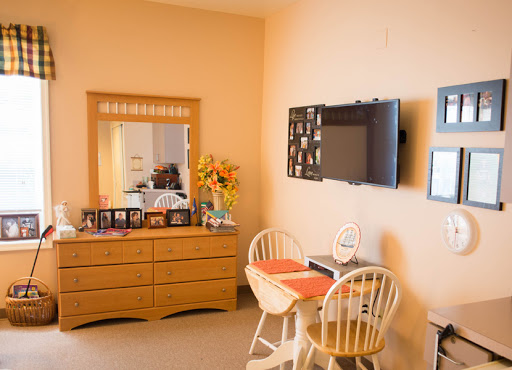
    A cozy bedroom setup featuring a small dining table, a dresser with a mirror, and a mounted television.
  • Decor

    A cozy bedroom featuring a striped red and white bedding set, a bedside lamp, and a bright window offering a view of the greenery outside.
  • Building

    A three-story commercial building with a blue awning, set against a cloudy sky.
  • Bedroom

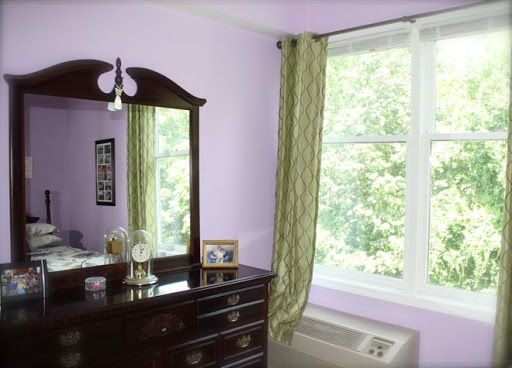
    A cozy bedroom featuring a dark wooden dresser, a large mirror, and flowing green curtains by the window.
  • Trees

    A picturesque view of a marina with sailboats docked and historic buildings in the background, under a clear blue sky.
  • Dining

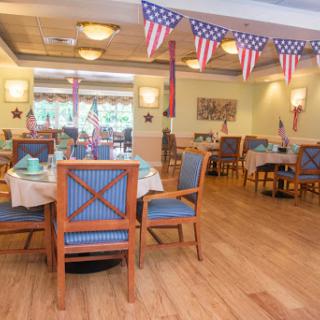
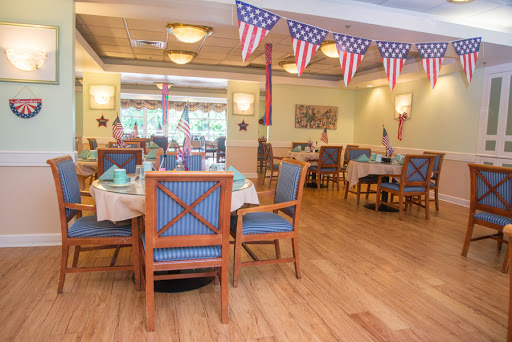
    A cozy restaurant interior adorned with American flags, featuring wooden tables and comfortable seating.
  • Outdoor

    A serene outdoor deck with comfortable seating, perfect for enjoying nature.
  • Natural Light

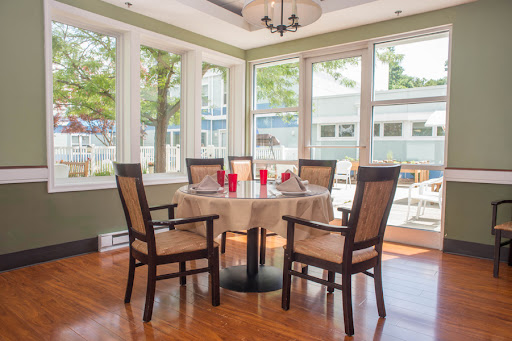
    A cozy dining area with a round table set for four, surrounded by windows and natural light.
  • Flag

    Flags of Maryland and the United States flying together in front of a building.

Assisted Living of Annapolis

Information last verified:

477 Broadneck Road, Annapolis, MD 21409

For more information about senior living options: (844) 490-3973

4.6 from 19 reviews
5 stars
15
4 stars
2
3 stars
1
2 stars
0
1 stars
1

Overall Review of Assisted Living of Annapolis

Pros

  • pro Annapolitan Assisted Living is a hidden gem.
  • pro The staff provides loving, attentive care.
  • pro The dining hall offers excellent food and enjoyable dining experiences.
  • pro Jim Thompson, the director, is kind, calm, and exemplary in leadership.
  • pro The facility balances residents' health needs with opportunities for social engagement, even during COVID.
  • pro The activities director plans terrific parties and outings for residents and their families.
  • pro The care at Annapolitan is consistently top-notch, with many long-tenured staff.
  • pro The environment is bright, cheerful, and welcoming, creating a strong sense of community.

Cons

  • pro The reviewer would give the facility zero or a negative rating, citing inadequate care and lack of responsiveness.
  • pro They claimed staff did not respond to calls to tend to the husband, offer juice, or change his diaper for hours.
  • pro The head of nursing was described as dismissive, suggesting staff were unhelpful when asked for care.
  • pro They said the facility billed three days’ charges dated the day the husband was admitted, causing distress.
  • pro They criticized a lack of compassion and unwillingness to entertain options, which they called shocking.
  • pro They urged others not to come to Annapolitan, stating it should be kept a secret due to care concerns.
  • pro They noted turnover among cooking staff led to occasional poor meals, indicating inconsistent quality.

Review

Assisted Living of Annapolis is best suited for families prioritizing a warm, non‑corporate atmosphere where residents receive steady, attentive care from long-tenured staff and can thrive in a lively, social environment. The community earns high marks for its personal touch: staff who know residents by name, a director who leads with hands-on accessibility, and a culture that feels more like a small, family operation than a distant, clinical institution. It works especially well for seniors who value companionship, predictable routines, and meaningful activities, outings to restaurants, parks, and local events, plus accessible memory‑care support if needed. The sentiment from many families is that this is a place where residents smile more, engage in activities, and stay connected with loved ones through regular family events and on-site programming. In short, Annapolitan excels when the priority is a homey, people-first setting with dependable caregiver engagement rather than a feel of a big, impersonal campus.

This community may not be the best fit for families whose loved one demands high-acuity medical oversight or requires near-perfect daily execution without exception. Some reviews flag that care can vary by shift, and a particularly troubling first-hand account described a situation where responsiveness and basic care fell short, followed by billing concerns and a difficult conversation with leadership. While that experience does not reflect the majority, it underscores the need for due diligence: a facility that functions smoothly for most residents can still expose gaps if care needs spike or if communications break down. Those who prioritize a relentlessly uniform dining experience may also want to compare menus and kitchen staffing more closely, since turnover in the culinary team has visible, if uneven, effects on meal quality. For families seeking a highly structured, corporate environment with standardized procedures across large campuses, alternatives may feel more reassuring.

The strongest positives here, long-tenured, caring staff; strong memory-care engagement when needed; and a genuine sense of family, often offset the potential downsides in practical, real-world terms. Families repeatedly describe staff who stay for years, a director who is consistently responsive, and nurses who know individual histories, which translates into faster responses, tailored routines, and proactive reminders about medications and activities. The memory-care transition, when it occurs, is handled with sensitivity and continuity, helping residents remain as engaged as possible and preserving dignity at every stage. The dining experience, while not flawless due to occasional kitchen turnover, is frequently praised for quality and presentation, with the overall atmosphere described as clean, bright, and welcoming. The owner-operator feeling, that the facility isn’t pushing a distant corporate script, appears to be a meaningful differentiator for families who want their loved ones’ care to feel personal and attentive.

That said, the most compelling pros do not erase notable caveats. The care ecosystem at Annapolitan can be incredibly strong, but it benefits from ongoing, proactive governance and a vigilant family voice. A few families emphasize that communication remains pivotal, regular updates, transparent care plans, and timely clarification of what is feasible within the resident’s level of need. The risk of uneven experiences across staff shifts means prospective residents should insist on meeting the caregiving team, request a detailed day-to-day care schedule, and confirm a clear escalation path if concerns arise. Prospective residents should also confirm respite or short-term options to gauge how the facility handles transitions into longer-term stays, and how well the dining and activity calendars align with the resident’s preferences. In sum, the community’s warmth and continuity are real advantages, but they hinge on consistent leadership and well-structured day-to-day operations.

For decision-making purposes, Annapolitan Assisted Living stands out for families seeking a welcoming, intimate setting with a demonstrated track record of stable staffing and meaningful engagement. It is particularly appealing to those who want a strong memory-care complement without sacrificing the responsive, person-centered ethos that characterizes a well-loved local home. Before committing, families should schedule a candid tour with the administrator, ideally accompanied by the head nurse and activities director, to observe how care flows at different times of day. Request current menus, a representative sample of activity calendars, and a thorough explanation of the cost structure, including what is included in standard care versus add-ons. Talk with several families currently residing on the floor to gauge consistency and to hear how the team handles transitions between levels of care. Those steps will reveal whether Annapolitan truly aligns with long‑term goals, risk tolerance, and the preferred style of daily life for a loved one.

Ultimately, Annapolitan Assisted Living is a strong contender for families who prize a small‑scale, high‑touch environment with a pro‑resident culture, where long-serving staff and a dedicated director foster trust and continuity. It earns its reputation as a “hidden gem” by delivering consistent warmth, personalized attention, and a robust activity program that keeps residents engaged and connected to the community. The facility’s ability to transition residents into memory care when needed without losing the sense of belonging is especially valuable for families planning ahead. Those who can tolerate occasional fluctuations in dining service or who want to avoid a large, corporate campus will likely feel they found a place that treats their loved one with respect, dignity, and a genuine sense of family. If a more uniform corporate experience or higher acuity medical oversight is non-negotiable, alternatives should be pursued, but for many families the Annapolitan represents a trusted, comforting option that frequently delivers peace of mind and lasting quality of life.

Features

Housing

  • 8 resident community capacity 8 resident community capacity

Types of Care

  • Assisted Living Assisted LivingAssisted living facilities provide crucial support and care for seniors who may need help with daily tasks such as medication management, bathing, and meal preparation. These communities offer a safe and comfortable environment where seniors can maintain their independence while receiving the assistance they need to thrive in their golden years.

Amenities

  • Cable or satellite TV Cable or satellite TVCable or satellite TV is important for seniors because it provides entertainment, news, and companionship, helping to combat loneliness and boredom. It also offers a wide range of programming options tailored to different interests and preferences.
  • Dining room Dining roomDining rooms are important for seniors as they provide a space for socialization, connection, and nutritious meals. They offer opportunities for residents to bond over shared meals, foster a sense of community, and promote healthy eating habits. Dining rooms also ensure that seniors have access to well-balanced meals tailored to their dietary needs and preferences.
  • Fully furnished Fully furnishedFully furnished senior living communities are important for seniors because they provide convenience, comfort, and a hassle-free moving experience. Seniors can easily settle into their new living space without the stress of having to buy and move furniture. This allows them to focus on enjoying their new home and community.
  • Garden GardenGardens are important for seniors as they provide a peaceful and therapeutic environment for relaxation, physical activity, and socialization. Being in nature has been shown to reduce stress, improve mood, and promote overall well-being. Gardens also offer opportunities for seniors to engage in gardening activities, which can improve mobility, flexibility, and cognitive function. Additionally, gardens create a sense of community and connection with others who share a passion for plants and outdoor spaces.
  • Housekeeping services Housekeeping servicesHousekeeping services are important for seniors because they help maintain a clean and safe living environment, promote independence, and reduce the risk of accidents or illnesses. Additionally, having assistance with household chores can alleviate physical strain and allow seniors to focus on other aspects of their well-being.
  • Move-in coordination Move-in coordinationMove-in coordination is important for seniors because it helps ease the transition into their new living environment. It ensures that all logistics, such as packing, organizing movers, and setting up utilities are taken care of, allowing seniors to focus on settling in and adjusting to their new home. Having a smooth move-in process can alleviate stress and anxiety, making the transition smoother and more enjoyable for seniors.
  • Outdoor space Outdoor spaceOutdoor spaces are important for seniors as they provide opportunities for physical activity, social interaction, exposure to natural light and fresh air, and a sense of connection to nature. Having access to outdoor spaces can improve overall well-being and quality of life for older adults living in senior communities.
  • Telephone TelephoneTelephones are important for seniors as they provide a lifeline for communication with loved ones, emergency services, and healthcare providers. They offer a sense of security and independence, enabling seniors to stay connected and access assistance when needed.
  • Wi-Fi/high-speed internet available Wi-Fi/high-speed internet availableWi-Fi/high-speed internet is important for seniors to stay connected with loved ones, access online resources, and participate in virtual activities to combat feelings of loneliness and isolation. It also allows them to easily manage healthcare needs, access entertainment, and engage in lifelong learning opportunities.

Transportation

  • Baltimore-Washington International (15 miles away) Baltimore-Washington International (15 miles away)

Care Services

  • 24-hour supervision 24-hour supervision24-hour supervision is important for seniors to ensure their safety, well-being, and access to immediate assistance in case of emergencies or health issues. This constant support provides peace of mind for both seniors and their loved ones, allowing them to age in place with dignity and security.
  • Activities of daily living assistance Activities of daily living assistanceActivities of daily living assistance are important for seniors because they provide essential support with tasks such as eating, bathing, dressing, and mobility. This assistance helps seniors maintain their independence, dignity, and overall quality of life as they age.
  • Assistance with bathing Assistance with bathingAssistance with bathing is crucial for seniors as it helps maintain personal hygiene, prevents infections, and ensures their overall well-being and comfort. It also provides a sense of dignity and independence for seniors who may struggle with this task on their own.
  • Assistance with dressing Assistance with dressingAssistance with dressing is important for seniors because it helps maintain their independence, promotes personal hygiene, prevents accidents and injuries, and improves overall quality of life. This service ensures that seniors can continue to dress comfortably and confidently, despite any physical limitations they may have.
  • Assistance with transfers Assistance with transfersAssistance with transfers is crucial for seniors as it helps prevent falls and injuries, maintains their independence, and ensures they can safely navigate their living environment. It also provides peace of mind for both seniors and their loved ones.
  • Coordination with health care providers Coordination with health care providersCoordination with health care providers is crucial for seniors to ensure proper medical care, medication management, and overall well-being. This collaboration helps prevent overlapping treatments, track progress more effectively, and provide comprehensive support tailored to individual needs.
  • Diabetes diet Diabetes dietA diabetes diet is crucial for seniors as it helps manage blood sugar levels, reduce risks of complications, and improve overall health and well-being. By following a balanced and nutritious diet tailored to their specific needs, seniors can better control their diabetes and enhance their quality of life.
  • Meal preparation and service Meal preparation and serviceMeal preparation and service are crucial for seniors as they may have limited mobility or energy to cook nutritious meals. Having access to healthy and convenient food options can ensure they are getting the proper nutrition needed to maintain their overall health and well-being.
  • Medication management Medication managementMedication management is crucial for seniors to ensure they are taking the right medications at the correct dosages and times. This helps prevent adverse drug interactions, reduces the risk of medication errors, and promotes overall health and well-being. Proactive management also allows for adjustments as needed based on changing health conditions or new prescriptions.
  • Special dietary restrictions Special dietary restrictionsSpecial dietary restrictions are important for seniors because age-related changes in metabolism and health conditions can make it difficult for their bodies to process certain foods. By following a diet tailored to their specific needs, seniors can maintain their overall health and well-being, manage chronic conditions, and reduce the risk of complications such as malnutrition or food interactions with medications.
  • Transportation arrangement (medical) Transportation arrangement (medical)Transportation arrangements for medical purposes are essential for seniors as they may have difficulty driving themselves to appointments or accessing public transportation. Having reliable and safe transportation options ensures that seniors can receive timely medical care and maintain their health and well-being.
  • Transportation to doctors appointments Transportation to doctors appointmentsTransportation to doctors' appointments is crucial for seniors as it ensures they have access to necessary medical care and support for their health needs. Without reliable transportation, seniors may struggle to attend important appointments, leading to potential delays in treatment and health complications. Providing transportation services helps seniors maintain their overall well-being and quality of life.

Dining

  • Diabetes diet Diabetes dietA diabetes diet is crucial for seniors as it helps manage blood sugar levels, reduce risks of complications, and improve overall health and well-being. By following a balanced and nutritious diet tailored to their specific needs, seniors can better control their diabetes and enhance their quality of life.
  • Special dietary restrictions Special dietary restrictionsSpecial dietary restrictions are important for seniors because age-related changes in metabolism and health conditions can make it difficult for their bodies to process certain foods. By following a diet tailored to their specific needs, seniors can maintain their overall health and well-being, manage chronic conditions, and reduce the risk of complications such as malnutrition or food interactions with medications.

Activities

  • Community-sponsored activities Community-sponsored activitiesCommunity-sponsored activities are important for seniors as they provide opportunities for social interaction, mental stimulation, and physical activity. These activities can help improve overall well-being, combat loneliness and isolation, and promote a sense of belonging and purpose among older adults.
  • Scheduled daily activities Scheduled daily activitiesScheduled daily activities are important for seniors because they provide structure, socialization, mental stimulation, and physical activity. Engaging in regular activities can improve overall well-being and quality of life for seniors living in a community setting.

Description

Assisted Living of Annapolis in Annapolis, MD is a comfortable and convenient senior living community that offers a range of amenities and care services to ensure the wellbeing and comfort of its residents.

Our community provides a spacious and elegant dining room where residents can enjoy delicious meals prepared by our skilled staff. Each apartment is fully furnished, providing a cozy and welcoming atmosphere for our residents.

For those who enjoy the outdoors, we have a beautiful garden and outdoor space where residents can relax, socialize, or participate in outdoor activities. Our housekeeping services ensure that each apartment remains clean, tidy, and well-maintained.

Moving to a new place can be overwhelming, but at Assisted Living of Annapolis, we offer move-in coordination services to make the transition as smooth as possible. We also provide telephone and Wi-Fi/high-speed internet access so that our residents can stay connected with their loved ones.

In terms of care services, our dedicated staff is available to assist with activities of daily living such as bathing, dressing, and transfers. We work closely with health care providers to coordinate any necessary medical treatments or appointments. Our team also provides medication management to ensure that residents receive their prescribed medications on time.

We understand that individual dietary needs may vary, which is why we offer special dietary restrictions options for our dining program. Our skilled chefs prepare nutritious meals tailored to specific dietary needs such as diabetes diets.

Residents at Assisted Living of Annapolis can enjoy a variety of scheduled daily activities designed to promote social interaction and engagement within the community.

Located in close proximity to various amenities, there are 5 pharmacies and 26 physicians nearby ensuring easy access to healthcare services. Additionally, there are several restaurants available for dining options nearby along with places of worship.

At Assisted Living of Annapolis, we strive to create a warm and caring environment where our residents feel safe, comfortable, and supported in their daily lives.

Nearby Places of Interest

Physicians

  • Mark Eaton, MD (0.7 miles)
  • Arundel Pediatrics (2 miles)
  • Maryland Primary Care Physicians (3 miles)
  • Cosmetic Dermatology Center (3.4 miles)
  • Anne Arundel Dermatology (3.5 miles)
  • Sandel, Henry Sandel Duggal Center for Plastic Surgery and Medspa (3.5 miles)
  • Entaa Care (3.5 miles)

Pharmacies

  • Walgreens (0.8 miles)
  • Cape Drugs (1.6 miles)
  • CVS Pharmacy (2 miles)
  • Rite Aid (3.6 miles)
  • Walgreens (4.8 miles)
  • CVS Main Store (5.2 miles)
  • CVS Pharmacy (5.2 miles)

Restaurants

  • McDonald's (1.3 miles)
  • Wendy's (1.4 miles)
  • Cantler's Riverside Inn (2.1 miles)
  • Severn Inn (2.7 miles)
  • Domino's Pizza (3.4 miles)
  • Heroes Pub (3.5 miles)
  • Middleton Tavern (3.9 miles)

Parks

  • Sandy Point State Park (3.4 miles)
  • Quiet Waters Park (6.7 miles)

Places of Worship

  • Naval Academy Chapel (3.6 miles)
  • St Mary's Church (4.1 miles)
  • St John the Evangelist Church (4.6 miles)

Hospitals

  • Anne Arundel Medical Center (4.6 miles)
  • Luminis Health Community Clinic Arundel Lodge (6.2 miles)

Cafes

  • Big Bean (5.1 miles)

Theaters

  • Bow Tie Annapolis Mall 11 (5.2 miles)

Frequently Asked Questions

Where is Assisted Living of Annapolis?
What photos are available for Assisted Living of Annapolis in Annapolis, Maryland?

Nearby Communities

  • Annapolitan Care Center

    Annapolitan Care Center

    Annapolis, MD

    4.6 from 27 reviews
     

    pro Accommodating staff, engaging activities, and affordable memory care.

  • Annapolitan Assisted Living

    Annapolitan Assisted Living

    Annapolis, MD

    4.6 from 38 reviews
    $4,000 to $5,000 / month

    pro Caring staff, clean facility, and engaging activities that foster a welcoming community.

  • Jones Acres/Fern Brook Manor Fern Care Corp

    Jones Acres/Fern Brook Manor Fern Care Corp

    Arnold, MD

    4 from 1 review
     

    pro Small, personalized community (14 beds) with comprehensive care and ample amenities

  • Jones Acres

    Jones Acres

    Arnold, MD

    4 from 1 review
     

    pro Fully furnished accommodations with comprehensive assisted living services, dining, housekeeping, and social activities.

  • Four Seasons at Saint Margaret's

    Four Seasons at Saint Margaret's

    Annapolis, MD

    4.4 from 11 reviews
     

    pro Compact but supportive, with meal service and medication management.

  • Riva Terrace 4

    Riva Terrace 4

    Annapolis, MD

    4 from 7 reviews
    $4,300 / month

    pro Caring, attentive staff in a home-like setting with good meals

  • Celebration Villa of Manresa

    Celebration Villa of Manresa

    Annapolis, MD

    4.3 from 63 reviews
    $3,295 to $5,495 / month

    pro Friendly staff with a robust activity program in a clean, scenic riverfront setting.

  • Freedom Home Care

    Freedom Home Care

    Annapolis, MD

    4.8 from 40 reviews
     

    pro Attentive, personalized care with responsive staff and a helpful Health Portal

  • Baywoods Of Annapolis

    Baywoods Of Annapolis

    Annapolis, MD

    4.5 from 46 reviews
     

    pro Stunning bayfront setting with a full continuum of care and attentive staff.

Related Resources

  • how to pay for assisted livingSecuring Financial Support for Assisted Living: A Comprehensive Overview

    Assisted living facilities offer crucial support for older adults needing help with daily activities but come with varying and significant costs, which can be financed through personal savings, government assistance programs, long-term care insurance, and home equity options. Professional guidance from experts can aid families in navigating these financial complexities to establish a sustainable budgeting approach for assisted living services.

  • assisted living for seniors on social securitySocial Security Benefits and Assisted Living: Navigating Options Across the U.S.

    Assisted living costs often exceed Social Security benefits, necessitating a combination of funding sources like state aid and Medicaid. Understanding the interaction between Social Security programs and available financial support is essential for affording such care.

  • aid and attendance vaAn Extensive Exploration of the VA Aid and Attendance Benefit
    The VA Aid and Attendance benefit provides financial support to veterans needing assistance with daily living due to medical conditions or disabilities, augmenting standard VA pensions for services like in-home care. Eligibility is based on service duration, wartime status, income, and medical needs, with a detailed application process required to access funds for caregiving and home modifications.