Port Place Adult Day Program

280B Gannett Drive, South Portland, ME 04106

For more information about senior living options: (844) 490-3973

4.2 from 20 reviews
5 stars
14
4 stars
1
3 stars
2
2 stars
1
1 stars
2

Assisted Living

Overall Review of Port Place Adult Day Program

Pros

  • pro The agency has great people and amazing support.
  • pro It is highly recommended.
  • pro The place is nice and quiet.
  • pro The receptionist is wonderful, nice, and smiley.
  • pro It is a great place to get help for people with special needs.
  • pro The staff is professional and answers questions.
  • pro The instructors are great.

Cons

  • pro There has been only one Zoom meeting with the boys' doctor in over a year.
  • pro The secretary never returns voicemails after they are left.
  • pro Running out of meds makes the boys very angry and leaves the parent upset and nervous.
  • pro The reviewer warns others to think twice about coming here.

Review

For several years, this agency has stood as a steady and reassuring presence in the lives of families who rely on its services. The voices of those who work within its walls come across as a chorus of dedication: great people, unwavering support, and a sense that you're part of a team that genuinely wants to see you succeed. One reviewer, in particular, emphasizes a strong endorsement, noting that they would highly recommend the agency to anybody. The impression is not fleeting; it speaks to a sustained experience with staff who seem to know their roles and care about the outcomes for the families they serve.

The realities of daily life for families navigating autism can be complicated, and one account highlights the weight of medical needs within that landscape. The reviewer describes having twins who are severely autistic and notes a heavy reliance on Port Resources for refills on their boys' medications. The stakes feel high here: without timely access to medications, the boys become unsettled and angry, a situation that naturally elevates a caregiver's stress and worry. The message is clear and specific: there is a critical dependence on the agency's ability to manage refills smoothly, and any lapse can provoke real anxiety about what happens when medicines run out.

A related thread in the review speaks to communication gaps that can complicate those medical realities. The writer shares that there has been only one Zoom meeting with their boys' doctor in more than a year, and they have tried to reach the doctor's secretary by leaving voicemails that were not returned. The critique is not aimed at the overall value of the program but at a particular pinch point: prompt, reliable communication with the medical team. The emotion attached to these missing connections - nervousness and a sense of being left without a safety net - shines through and underscores how important timely responsiveness is when the care plan hinges on medication.

Beyond the medical logistics, the setting itself leaves a contrasting impression. The premises are described as a nice and quiet place, and the interpersonal atmosphere is warmed by a receptionist who is described as wonderful, nice, and smiley. This snapshot of the front desk experience adds a layer of everyday comfort to the overall picture: a calm, welcoming environment can be a crucial counterbalance to the stress of coordinating care for children with special needs. It highlights how the cadence of a supportive environment - starting with a friendly greeting and a peaceful space - can shape the day-to-day experience for families who spend significant time in care settings.

In another note, the agency is praised as a great place to get help for people with special needs. This sentiment broadens the scope from medical logistics to the broader spectrum of support services, suggesting that the organization provides accessible resources, guidance, and practical assistance that can make a meaningful difference in day-to-day life. The emphasis is on usefulness and the constructive impact of the services offered, reinforcing the impression that the agency serves as more than a stopgap - it is a resource hub for families navigating complex needs.

Finally, the reviews close on a strong note of professionalism and capability. One reviewer highlights that staff are professional and that all questions are answered, with particular commendation for the instructors. This speaks to a core strength: the ability to educate, inform, and empower families through clear communication and skilled instruction. The combination of professional conduct and effective teaching suggests that, for many clients, the agency provides a robust framework of support that can foster confidence and clarity in managing special needs.

Taken together, the collection of reflections paints a nuanced portrait. On one hand, there is clear admiration for the people, the support, and the quiet, welcoming environment that make the agency feel like a dependable ally. On the other hand, there are real concerns about the medical side of care - specifically, timely medication refills and responsive communication with the doctor's office - that can create anxiety and disrupt continuity of care for families already navigating demanding circumstances. The overall message is one of appreciation for the strengths and warmth of the staff, tempered by a pressing reminder that reliable medical communication and prompt refill processes are essential components of the comprehensive support these families rely on every day.

Features

Housing

  • 30 resident community capacity 30 resident community capacity

Types of Care

  • Assisted Living Assisted LivingAssisted living facilities provide crucial support and care for seniors who may need help with daily tasks such as medication management, bathing, and meal preparation. These communities offer a safe and comfortable environment where seniors can maintain their independence while receiving the assistance they need to thrive in their golden years.

Amenities

  • Beauty salon Beauty salonBeauty salons are important for seniors because they provide a space for them to feel pampered, socialize, and maintain their personal grooming and hygiene. Regular visits to a beauty salon can help boost seniors' self-esteem and overall well-being.
  • Cable or satellite TV Cable or satellite TVCable or satellite TV is important for seniors because it provides entertainment, news, and companionship, helping to combat loneliness and boredom. It also offers a wide range of programming options tailored to different interests and preferences.
  • Dining room Dining roomDining rooms are important for seniors as they provide a space for socialization, connection, and nutritious meals. They offer opportunities for residents to bond over shared meals, foster a sense of community, and promote healthy eating habits. Dining rooms also ensure that seniors have access to well-balanced meals tailored to their dietary needs and preferences.
  • Fully furnished Fully furnishedFully furnished senior living communities are important for seniors because they provide convenience, comfort, and a hassle-free moving experience. Seniors can easily settle into their new living space without the stress of having to buy and move furniture. This allows them to focus on enjoying their new home and community.
  • Garden GardenGardens are important for seniors as they provide a peaceful and therapeutic environment for relaxation, physical activity, and socialization. Being in nature has been shown to reduce stress, improve mood, and promote overall well-being. Gardens also offer opportunities for seniors to engage in gardening activities, which can improve mobility, flexibility, and cognitive function. Additionally, gardens create a sense of community and connection with others who share a passion for plants and outdoor spaces.
  • Housekeeping services Housekeeping servicesHousekeeping services are important for seniors because they help maintain a clean and safe living environment, promote independence, and reduce the risk of accidents or illnesses. Additionally, having assistance with household chores can alleviate physical strain and allow seniors to focus on other aspects of their well-being.
  • Kitchenette KitchenetteKitchenettes are important for seniors living in senior living communities because they provide the convenience and independence of being able to prepare simple meals and snacks in the comfort of their own living space. This can help promote a sense of autonomy and well-being for seniors, allowing them to maintain some level of control over their dietary choices and daily routines.
  • Move-in coordination Move-in coordinationMove-in coordination is important for seniors because it helps ease the transition into their new living environment. It ensures that all logistics, such as packing, organizing movers, and setting up utilities are taken care of, allowing seniors to focus on settling in and adjusting to their new home. Having a smooth move-in process can alleviate stress and anxiety, making the transition smoother and more enjoyable for seniors.
  • Outdoor space Outdoor spaceOutdoor spaces are important for seniors as they provide opportunities for physical activity, social interaction, exposure to natural light and fresh air, and a sense of connection to nature. Having access to outdoor spaces can improve overall well-being and quality of life for older adults living in senior communities.
  • Telephone TelephoneTelephones are important for seniors as they provide a lifeline for communication with loved ones, emergency services, and healthcare providers. They offer a sense of security and independence, enabling seniors to stay connected and access assistance when needed.
  • Wi-Fi/high-speed internet available Wi-Fi/high-speed internet availableWi-Fi/high-speed internet is important for seniors to stay connected with loved ones, access online resources, and participate in virtual activities to combat feelings of loneliness and isolation. It also allows them to easily manage healthcare needs, access entertainment, and engage in lifelong learning opportunities.

Transportation

  • Portland International Jetport (2 miles away) Portland International Jetport (2 miles away)

Care Services

  • 24-hour call system 24-hour call system24-hour call systems are important for seniors because they provide peace of mind and immediate assistance in case of emergencies. This technology ensures that help is always available, promoting safety and security for elderly individuals living alone or in assisted living facilities.
  • 24-hour supervision 24-hour supervision24-hour supervision is important for seniors to ensure their safety, well-being, and access to immediate assistance in case of emergencies or health issues. This constant support provides peace of mind for both seniors and their loved ones, allowing them to age in place with dignity and security.
  • Activities of daily living assistance Activities of daily living assistanceActivities of daily living assistance are important for seniors because they provide essential support with tasks such as eating, bathing, dressing, and mobility. This assistance helps seniors maintain their independence, dignity, and overall quality of life as they age.
  • Assistance with bathing Assistance with bathingAssistance with bathing is crucial for seniors as it helps maintain personal hygiene, prevents infections, and ensures their overall well-being and comfort. It also provides a sense of dignity and independence for seniors who may struggle with this task on their own.
  • Assistance with dressing Assistance with dressingAssistance with dressing is important for seniors because it helps maintain their independence, promotes personal hygiene, prevents accidents and injuries, and improves overall quality of life. This service ensures that seniors can continue to dress comfortably and confidently, despite any physical limitations they may have.
  • Assistance with transfers Assistance with transfersAssistance with transfers is crucial for seniors as it helps prevent falls and injuries, maintains their independence, and ensures they can safely navigate their living environment. It also provides peace of mind for both seniors and their loved ones.
  • Coordination with health care providers Coordination with health care providersCoordination with health care providers is crucial for seniors to ensure proper medical care, medication management, and overall well-being. This collaboration helps prevent overlapping treatments, track progress more effectively, and provide comprehensive support tailored to individual needs.
  • Diabetes diet Diabetes dietA diabetes diet is crucial for seniors as it helps manage blood sugar levels, reduce risks of complications, and improve overall health and well-being. By following a balanced and nutritious diet tailored to their specific needs, seniors can better control their diabetes and enhance their quality of life.
  • Meal preparation and service Meal preparation and serviceMeal preparation and service are crucial for seniors as they may have limited mobility or energy to cook nutritious meals. Having access to healthy and convenient food options can ensure they are getting the proper nutrition needed to maintain their overall health and well-being.
  • Medication management Medication managementMedication management is crucial for seniors to ensure they are taking the right medications at the correct dosages and times. This helps prevent adverse drug interactions, reduces the risk of medication errors, and promotes overall health and well-being. Proactive management also allows for adjustments as needed based on changing health conditions or new prescriptions.
  • Mental wellness program Mental wellness programMental wellness programs are essential for seniors as they promote cognitive stimulation, emotional support, and social engagement. These programs help prevent isolation, depression, and cognitive decline, ultimately enhancing the overall quality of life for older adults.
  • Special dietary restrictions Special dietary restrictionsSpecial dietary restrictions are important for seniors because age-related changes in metabolism and health conditions can make it difficult for their bodies to process certain foods. By following a diet tailored to their specific needs, seniors can maintain their overall health and well-being, manage chronic conditions, and reduce the risk of complications such as malnutrition or food interactions with medications.
  • Transportation arrangement (medical) Transportation arrangement (medical)Transportation arrangements for medical purposes are essential for seniors as they may have difficulty driving themselves to appointments or accessing public transportation. Having reliable and safe transportation options ensures that seniors can receive timely medical care and maintain their health and well-being.
  • Transportation to doctors appointments Transportation to doctors appointmentsTransportation to doctors' appointments is crucial for seniors as it ensures they have access to necessary medical care and support for their health needs. Without reliable transportation, seniors may struggle to attend important appointments, leading to potential delays in treatment and health complications. Providing transportation services helps seniors maintain their overall well-being and quality of life.

Dining

  • Diabetes diet Diabetes dietA diabetes diet is crucial for seniors as it helps manage blood sugar levels, reduce risks of complications, and improve overall health and well-being. By following a balanced and nutritious diet tailored to their specific needs, seniors can better control their diabetes and enhance their quality of life.
  • Special dietary restrictions Special dietary restrictionsSpecial dietary restrictions are important for seniors because age-related changes in metabolism and health conditions can make it difficult for their bodies to process certain foods. By following a diet tailored to their specific needs, seniors can maintain their overall health and well-being, manage chronic conditions, and reduce the risk of complications such as malnutrition or food interactions with medications.

Activities

  • Community-sponsored activities Community-sponsored activitiesCommunity-sponsored activities are important for seniors as they provide opportunities for social interaction, mental stimulation, and physical activity. These activities can help improve overall well-being, combat loneliness and isolation, and promote a sense of belonging and purpose among older adults.
  • Resident-run activities Resident-run activitiesResident-run activities are important for seniors as they encourage social interaction, creativity, and a sense of autonomy. These activities empower seniors to stay engaged and active in their community while fostering meaningful connections with their peers.
  • Scheduled daily activities Scheduled daily activitiesScheduled daily activities are important for seniors because they provide structure, socialization, mental stimulation, and physical activity. Engaging in regular activities can improve overall well-being and quality of life for seniors living in a community setting.

Description

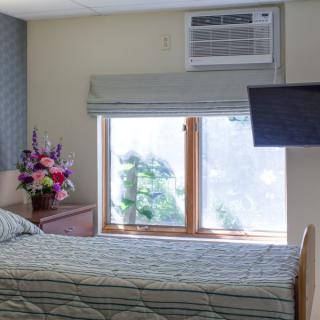
Located in South Portland, ME, the Port Place Adult Day Program offers a variety of amenities and care services for seniors in need of assistance. The community provides a comfortable and fully furnished environment with amenities such as cable or satellite TV, a dining room, kitchenette, Wi-Fi/high-speed internet, and housekeeping services.

Care services are available 24 hours a day and include activities of daily living assistance, assistance with bathing and dressing, coordination with health care providers, medication management, and assistance with transfers. The community also offers specialized care for those with diabetes by providing a diabetes diet and meal preparation that adheres to special dietary restrictions.

Residents at Port Place can enjoy various activities such as resident-run activities and scheduled daily activities to keep them engaged and active. Additionally, the community is conveniently located near cafes, parks, pharmacies, physicians' offices, restaurants, transportation options, places of worship, and hospitals.

Overall, Port Place Adult Day Program provides seniors with a supportive and comfortable environment while offering necessary care services to ensure their well-being.

Nearby Places of Interest

This part of South Portland, Maine offers a convenient location with easy access to a variety of healthcare providers including physicians, pharmacies, and hospitals. With multiple dining options ranging from casual eateries to breweries, residents can enjoy a diverse culinary scene. Additionally, there are cafes for those looking to relax and socialize over coffee. Transportation options are readily available with the Portland International Jetport nearby, making travel accessible for seniors. Places of worship provide spiritual support for those seeking community connection. Parks and green spaces offer opportunities for outdoor recreation and relaxation. Overall, this area provides a mix of amenities that cater to the needs and interests of seniors looking to live in a vibrant and convenient neighborhood.

Physicians

  • Spectrum Medical Group (0.1 miles)
  • Maine Medical Center - Carol Ann Dean MD (0.2 miles)
  • Maine Neurology (1.5 miles)
  • Seacoast Hand Therapy (1.5 miles)
  • Edward J Bilotti, MD - Corecover (1.5 miles)
  • Chest Medicine Associates (1.5 miles)
  • David S Hurst (1.6 miles)

Pharmacies

  • Target Pharmacy (0.7 miles)
  • Omnicare of Maine Westbrook (1.4 miles)
  • Hannaford Bros (1.5 miles)
  • Hannaford Pharmacy (2.4 miles)
  • CVS Pharmacy (2.5 miles)
  • Walgreens (2.8 miles)
  • Shaw's Pharmacy (2.9 miles)

Restaurants

  • Cracker Barrel (1 miles)
  • Smiling Hill Farm (1.1 miles)
  • Sebago Brewing Co (1.1 miles)
  • El Rodeo (1.9 miles)
  • The Shipyard Brewpub (2.4 miles)
  • Bakers Bench (2.4 miles)
  • China Villa (2.5 miles)

Cafes

  • Starbucks (1.1 miles)
  • Roots Cafe (2.6 miles)
  • Scarborough Grounds (3.7 miles)
  • The Holy Donut (4.2 miles)
  • Coveside Coffee (4.3 miles)
  • Tandem Coffee + Bakery (4.4 miles)

Transportation

  • Portland International Jetport (PWM) (2.4 miles)
  • PWM Baggage Claim (2.4 miles)
  • Northeast Air (2.5 miles)
  • Portland Transportation Center (3.4 miles)

Places of Worship

  • Thornton Heights United Methodist Church (2.8 miles)

Hospitals

  • Mercy Hospital (3.2 miles)
  • Mercy Hospital (3.2 miles)
  • Maine Medical Center-Brighton Campus (3.7 miles)
  • HealthSouth (3.7 miles)
  • Mercy Hospital (3.8 miles)
  • Maine Medical Center - Chaplain's Office (4.1 miles)
  • The Barbara Bush Children's Hospital (4.2 miles)

Parks

  • Thompsons Point (4.1 miles)
  • Western Promenade Park (4.1 miles)
  • Deering Oaks Park (4.5 miles)

Frequently Asked Questions

Where is Port Place Adult Day Program?

Nearby Communities

Related Resources

  • assisted living vs memory careAssisted Living and Memory Care: Understanding Their Core Differences

    Assisted living provides moderate support for seniors seeking independence, while memory care offers specialized support for individuals with dementia or cognitive impairments through structured routines and trained staff. Key differences include care approaches, environment security measures, staff training levels, activity types, and cost considerations.

  • assisted living activitiesBeyond the Bingo Hall: 50+ Enriching Activities for Seniors in Assisted Living

    Assisted living communities offer diverse activities beyond traditional games to enhance seniors' physical health, cognitive well-being, emotional enrichment, and social connections, including fitness classes, creative expression, and intergenerational interactions. These enriching programs foster community bonds and support residents' independence and happiness.

  • assisted living vs memory careUnderstanding the Distinctions: Assisted Living and Memory Care Explained

    The article differentiates between assisted living and memory care, explaining that assisted living supports seniors with daily activities while promoting independence, whereas memory care provides specialized services for individuals with dementia, focusing on secure environments and cognitive support. It also addresses staff training, safety considerations, costs, family involvement, and transition strategies for families navigating these care options.