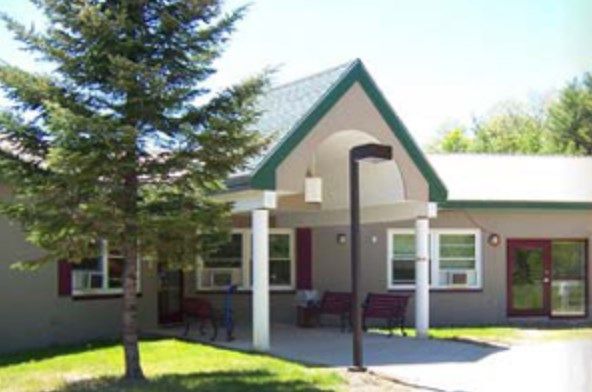
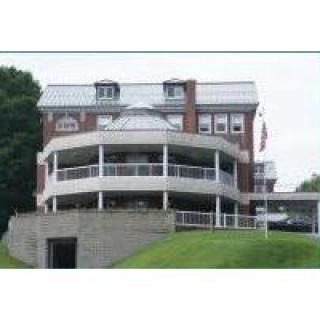
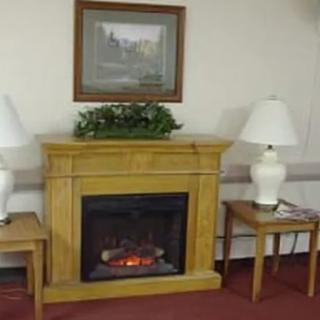
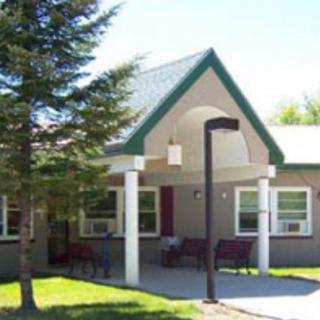
Rumford Community Home in Rumford, ME

Save
Rumford Community Home Rumford Community Home Rumford Community Home Rumford Community Home

Rumford Community Home in Rumford, ME

Information last verified:

11 John F. Kennedy Lane, Rumford, ME 04276

For more information about senior living options: (844) 490-3973

3.5 from 33 reviews
5 stars
14
4 stars
7
3 stars
2
2 stars
3
1 stars
7

Seniors.FYI Elite Community Awards

Top 5% Senior Living Community in 2018

Add this award to your website

Overall Review of Rumford Community Home

Pros

  • pro The uncle seems happy and well cared for.
  • pro Staff take a personal interest in him and his interests.
  • pro He is always clean and all the residents seem very happy.
  • pro They are informative when asked about the disease and care.
  • pro Doreen is amazing, always kind, and willing to listen.
  • pro They call often to provide updates on care, demeanor, and overall health and well-being.
  • pro The Rumford Community Home provides attentive care and feels like a new family to residents.
  • pro Roxanne, Reva, and Brenda are shining stars—loving and caring.
  • pro The CNAs do a wonderful job with the residents, and there are daily activities.

Cons

  • pro The facility charges $10,000 a month and the care is subpar.
  • pro The management and billing department are horrible.
  • pro The staff would not assist in getting residents into a car.
  • pro The rooms are filthy.
  • pro The floors had not been swept or cleaned for days, with grime remaining on them.
  • pro The call button was inaccessible.
  • pro Residents were not bathed and drinks were served warm without straws.
  • pro A resident was left in feces-laden undergarments for over an hour without help.
  • pro The facility is described as warehousing people with no care or compassion.
  • pro Bed availability was inconsistent and information about openings varied.
  • pro Confidentiality was not upheld; private information was known by others before the power of attorney.

Review

Rumford Community Home is best suited for families seeking a warm, small-town atmosphere with a clearly prioritized, relationship-focused approach to dementia care. The residence presents itself as a place where residents are treated like family, and where caregivers try to weave in personal interests and daily routines into the day’s care. Several reviews emphasize memory-support services, a dedicated North wing for memory care, and regular, proactive communication with families. When a loved one faces dementia, this community often earns praise for attentive staff members who take time to listen, provide updates, and participate in informal conversations during visits. For families that value visible compassion, consistent updates, and a cohesive sense of belonging for someone living with memory loss, Rumford Community Home stands out as a thoughtful option.

Those who should consider alternatives are families with high expectations for spotless facilities, pristine safety records, or consistently robust staffing. Across the feedback, there are credible concerns about cleanliness lapses, inconsistent help with basic tasks, and occasional gaps in safety. Some families describe rooms that were not maintained to a level expected for long-term care, with issues like delayed assistance, unclean conditions, or calls for help that went unanswered. Cost is another factor that looms in some reviews, with reports of substantial monthly charges alongside criticisms of value. For families prioritizing absolute reliability in staffing, rapid response to calls, and a flawless environment, it is reasonable to look at other options and compare current performance and licensing findings.

The core strengths of Rumford Community Home lie in the human connections, active engagement, and clear family communication that recur in multiple accounts. Where care shines, it’s in staff who greet residents with warmth, in kidneys of personalized attention to dementia care plans, and in daily or frequent updates to families about demeanor, health, and progression. The memory-care unit is portrayed as structured and purposeful, with activities and cognitive stimulation designed to support residents’ daily living skills. These pros can meaningfully offset some drawbacks when the priority is a living environment that feels like a trusted extended family and where caregivers try to honor individual histories and preferences. However, these advantages do not fully erase risks tied to staffing variability or the kinds of operational lapses reported in a minority of reviews.

Safety and consistency concerns surface in several earnest accounts. Notable examples include reports of multiple falls and delayed assistance during times when help was needed for bathroom or hydration needs, as well as incidents of inaccessible call systems and inconsistent responses to emergencies. Such stories raise legitimate questions for families about floor supervision, the speed of aide responses, and the reliability of ongoing monitoring. Even in a setting with strong caregiving intent, these red flags underscore the importance of validating current staffing levels, the exact nurse-to-resident ratios on high-dependency days, and the procedures for fall prevention and rapid mobilization when a resident requires help. Families should enter with a concrete plan for what constitutes timely care and insist on explicit, up-to-date protocols.

The overall tone of staff interactions ranges from highly valued endorsements to serious cautions about communication and respect. Some residents and families sing praises of particular aides and nurses who go above and beyond, underscoring the care culture that makes residents feel known and safe. Others caution that turnover, perceived indifference, or limited capacity to respond promptly can undermine trust. This contrast makes it essential to speak directly with multiple staffers, request a tour during a busy shift, and observe the cadence of care firsthand. It’s equally important to verify how confidentiality, privacy, and dignity are safeguarded in daily operations, because concerns about private information and respectful treatment have appeared in reviews alongside praise for warmth and attentiveness.

In the end, Rumford Community Home can be a compelling choice for families prioritizing dementia-focused care delivered in a home-like, communicative context. The decision hinges on balancing the strong, person-centered care narratives against the more cautionary notes about staffing pressures, safety lapses, and uneven facility upkeep. Prospective residents should pursue a candid, up-to-date assessment of current operations: tour the memory-care unit at various times, observe assistance with routines, and request to speak with several frontline staff and family members of current residents. Clarify exact pricing, what is included in monthly fees, and what out-of-pocket costs may arise. Confirm how falls are prevented, how quickly call bells are answered, and how rooms and common areas are cleaned and maintained on a regular basis. If a steady, responsive environment with ongoing family communication is non-negotiable, Rumford Community Home deserves serious consideration, but only after confirming that contemporary performance matches family expectations for safety, cleanliness, and staffing reliability. If not, alternatives offering more predictable operations and tighter safeguards may be the safer route for peace of mind.

Features

Housing

  • 53 resident community capacity 53 resident community capacity

Types of Care

  • Assisted Living Assisted LivingAssisted living facilities provide crucial support and care for seniors who may need help with daily tasks such as medication management, bathing, and meal preparation. These communities offer a safe and comfortable environment where seniors can maintain their independence while receiving the assistance they need to thrive in their golden years.
  • Memory Care Memory CareMemory care is crucial for seniors as it provides specialized support and services for individuals with dementia or Alzheimer's disease. These programs offer a safe and secure environment where residents receive personalized care, cognitive stimulation, and help with daily activities. Memory care helps seniors maintain their independence, quality of life, and dignity while also providing peace of mind for their families.
  • Skilled Nursing Facility Skilled Nursing FacilitySkilled Nursing Facilities are crucial for seniors as they provide round-the-clock medical care, rehabilitation services, and assistance with daily activities. These facilities ensure that seniors receive the specialized care they need to maintain their health and well-being as they age.

Amenities

  • Air-conditioning Air-conditioningAir conditioning is important for seniors as they are more vulnerable to heat-related illnesses and may have underlying health conditions that make it difficult for them to regulate their body temperature. It helps to keep them comfortable, safe, and healthy in hot weather.
  • Beauty salon Beauty salonBeauty salons are important for seniors because they provide a space for them to feel pampered, socialize, and maintain their personal grooming and hygiene. Regular visits to a beauty salon can help boost seniors' self-esteem and overall well-being.
  • Cable or satellite TV Cable or satellite TVCable or satellite TV is important for seniors because it provides entertainment, news, and companionship, helping to combat loneliness and boredom. It also offers a wide range of programming options tailored to different interests and preferences.
  • Computer center Computer centerA computer center is essential for seniors as it provides access to technology, communication tools, and resources that can enhance their daily lives. It allows them to stay connected with loved ones, engage in online activities, and learn new skills, ultimately promoting socialization and mental stimulation.
  • Dining room Dining roomDining rooms are important for seniors as they provide a space for socialization, connection, and nutritious meals. They offer opportunities for residents to bond over shared meals, foster a sense of community, and promote healthy eating habits. Dining rooms also ensure that seniors have access to well-balanced meals tailored to their dietary needs and preferences.
  • Fitness room Fitness roomHaving a fitness room in a senior living community is essential for seniors to stay active, maintain their physical health, and improve their overall well-being. Regular exercise can help prevent falls, reduce the risk of chronic diseases, and promote mental sharpness. It also provides social opportunities for residents to connect with others and enjoy a sense of community.
  • Fully furnished Fully furnishedFully furnished senior living communities are important for seniors because they provide convenience, comfort, and a hassle-free moving experience. Seniors can easily settle into their new living space without the stress of having to buy and move furniture. This allows them to focus on enjoying their new home and community.
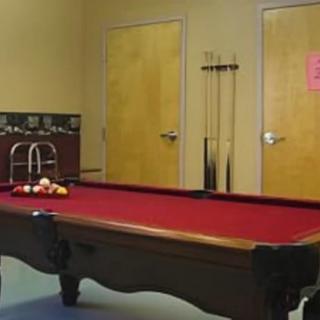
  • Gaming room Gaming roomGaming rooms are important for seniors as they provide a fun and engaging environment for socializing, cognitive stimulation, and physical activity. Games can improve memory, problem-solving skills, and overall mental well-being while fostering friendships and reducing feelings of isolation.
  • Garden GardenGardens are important for seniors as they provide a peaceful and therapeutic environment for relaxation, physical activity, and socialization. Being in nature has been shown to reduce stress, improve mood, and promote overall well-being. Gardens also offer opportunities for seniors to engage in gardening activities, which can improve mobility, flexibility, and cognitive function. Additionally, gardens create a sense of community and connection with others who share a passion for plants and outdoor spaces.
  • Housekeeping services Housekeeping servicesHousekeeping services are important for seniors because they help maintain a clean and safe living environment, promote independence, and reduce the risk of accidents or illnesses. Additionally, having assistance with household chores can alleviate physical strain and allow seniors to focus on other aspects of their well-being.
  • Kitchenette KitchenetteKitchenettes are important for seniors living in senior living communities because they provide the convenience and independence of being able to prepare simple meals and snacks in the comfort of their own living space. This can help promote a sense of autonomy and well-being for seniors, allowing them to maintain some level of control over their dietary choices and daily routines.
  • Move-in coordination Move-in coordinationMove-in coordination is important for seniors because it helps ease the transition into their new living environment. It ensures that all logistics, such as packing, organizing movers, and setting up utilities are taken care of, allowing seniors to focus on settling in and adjusting to their new home. Having a smooth move-in process can alleviate stress and anxiety, making the transition smoother and more enjoyable for seniors.
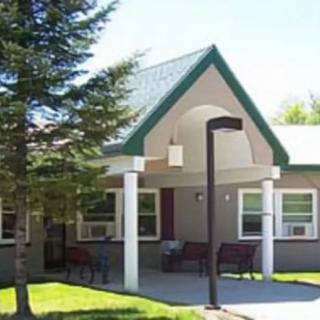
  • Outdoor space Outdoor spaceOutdoor spaces are important for seniors as they provide opportunities for physical activity, social interaction, exposure to natural light and fresh air, and a sense of connection to nature. Having access to outdoor spaces can improve overall well-being and quality of life for older adults living in senior communities.
  • Private bathrooms Private bathroomsPrivate bathrooms are important for seniors in senior living communities because they provide independence, dignity, and comfort. Having a private bathroom allows seniors to maintain their personal hygiene routines without the need for assistance, promoting a sense of autonomy and privacy. Additionally, private bathrooms help prevent the spread of infections and provide a safe and clean environment for seniors to navigate safely.
  • Restaurant-style dining Restaurant-style diningRestaurant-style dining is important for seniors because it allows them to enjoy delicious, nutritious meals in a social and upscale setting. This enhances their dining experience, promotes healthy eating habits, and fosters socialization with fellow residents, ultimately contributing to their overall well-being and quality of life.
  • Small library Small librarySmall libraries are important for seniors as they provide access to a variety of reading materials, including books, newspapers, and magazines. This can help stimulate their minds, keep them engaged, and provide a sense of community through book clubs and other social activities. Additionally, reading has been shown to improve cognitive function and overall mental well-being in older adults.
  • Telephone TelephoneTelephones are important for seniors as they provide a lifeline for communication with loved ones, emergency services, and healthcare providers. They offer a sense of security and independence, enabling seniors to stay connected and access assistance when needed.
  • Wellness center Wellness centerWellness centers are important for seniors because they offer a variety of programs and services that promote physical, mental, and emotional well-being. These centers provide opportunities for exercise, socialization, education, and relaxation, helping seniors maintain their overall health and quality of life.
  • Wi-Fi/high-speed internet available Wi-Fi/high-speed internet availableWi-Fi/high-speed internet is important for seniors to stay connected with loved ones, access online resources, and participate in virtual activities to combat feelings of loneliness and isolation. It also allows them to easily manage healthcare needs, access entertainment, and engage in lifelong learning opportunities.

Transportation

  • Community operated transportation Community operated transportationCommunity operated transportation is crucial for seniors as it provides them with the means to access essential services, social activities, and medical appointments. It allows seniors to maintain their independence and quality of life by ensuring they can participate in activities outside of their homes. Additionally, community-operated transportation services offer a safe and reliable way for seniors to travel without having to rely on family or friends for assistance.
  • Transportation arrangement Transportation arrangementTransportation arrangements are crucial for seniors as they may face challenges with driving, mobility, or access to public transportation. Having reliable transportation services ensures that seniors can easily attend appointments, social activities, and maintain their independence and quality of life.
  • Transportation arrangement (non-medical) Transportation arrangement (non-medical)Transportation arrangements are essential for seniors as they provide access to essential services, activities, and social interactions outside the home. This service helps maintain independence, mobility, and overall well-being for seniors who may have limited transportation options.
  • Transportation to doctors appointments Transportation to doctors appointmentsTransportation to doctors appointments is crucial for seniors as it ensures they have access to necessary medical care and support, promoting their health and well-being. It allows them to receive timely treatment, monitor existing conditions, and address any new health concerns efficiently. Additionally, transportation services can help seniors maintain their independence and quality of life by enabling them to stay connected with their healthcare providers.

Care Services

  • 12-16 hour nursing 12-16 hour nursing12-16 hour nursing care is crucial for seniors in order to ensure around-the-clock monitoring, timely medication administration, and prompt response to any health concerns or emergencies. This level of care helps to promote the overall well-being and safety of seniors living in senior living communities.
  • 24-hour call system 24-hour call system24-hour call systems are important for seniors because they provide peace of mind and immediate assistance in case of emergencies. This technology ensures that help is always available, promoting safety and security for elderly individuals living alone or in assisted living facilities.
  • 24-hour supervision 24-hour supervision24-hour supervision is important for seniors to ensure their safety, well-being, and access to immediate assistance in case of emergencies or health issues. This constant support provides peace of mind for both seniors and their loved ones, allowing them to age in place with dignity and security.
  • Activities of daily living assistance Activities of daily living assistanceActivities of daily living assistance are important for seniors because they provide essential support with tasks such as eating, bathing, dressing, and mobility. This assistance helps seniors maintain their independence, dignity, and overall quality of life as they age.
  • Assistance with bathing Assistance with bathingAssistance with bathing is crucial for seniors as it helps maintain personal hygiene, prevents infections, and ensures their overall well-being and comfort. It also provides a sense of dignity and independence for seniors who may struggle with this task on their own.
  • Assistance with dressing Assistance with dressingAssistance with dressing is important for seniors because it helps maintain their independence, promotes personal hygiene, prevents accidents and injuries, and improves overall quality of life. This service ensures that seniors can continue to dress comfortably and confidently, despite any physical limitations they may have.
  • Assistance with transfers Assistance with transfersAssistance with transfers is crucial for seniors as it helps prevent falls and injuries, maintains their independence, and ensures they can safely navigate their living environment. It also provides peace of mind for both seniors and their loved ones.
  • Diabetes diet Diabetes dietA diabetes diet is crucial for seniors as it helps manage blood sugar levels, reduce risks of complications, and improve overall health and well-being. By following a balanced and nutritious diet tailored to their specific needs, seniors can better control their diabetes and enhance their quality of life.
  • Meal preparation and service Meal preparation and serviceMeal preparation and service are crucial for seniors as they may have limited mobility or energy to cook nutritious meals. Having access to healthy and convenient food options can ensure they are getting the proper nutrition needed to maintain their overall health and well-being.
  • Medication management Medication managementMedication management is crucial for seniors to ensure they are taking the right medications at the correct dosages and times. This helps prevent adverse drug interactions, reduces the risk of medication errors, and promotes overall health and well-being. Proactive management also allows for adjustments as needed based on changing health conditions or new prescriptions.
  • Mental wellness program Mental wellness programMental wellness programs are essential for seniors as they promote cognitive stimulation, emotional support, and social engagement. These programs help prevent isolation, depression, and cognitive decline, ultimately enhancing the overall quality of life for older adults.
  • Mild cognitive impairment Mild cognitive impairment"Mild cognitive impairment" is important for seniors because it is an early stage of cognitive decline that can potentially progress to more severe conditions such as dementia. Recognizing and addressing mild cognitive impairment can help seniors receive appropriate care and support to maintain their quality of life and independence for as long as possible.
  • Special dietary restrictions Special dietary restrictionsSpecial dietary restrictions are important for seniors because age-related changes in metabolism and health conditions can make it difficult for their bodies to process certain foods. By following a diet tailored to their specific needs, seniors can maintain their overall health and well-being, manage chronic conditions, and reduce the risk of complications such as malnutrition or food interactions with medications.
  • Specialized memory care programming Specialized memory care programmingSpecialized memory care programming is crucial for seniors with cognitive impairments such as dementia or Alzheimer's disease. These programs provide a safe and supportive environment tailored to the unique needs of individuals with memory loss, helping them maintain their independence, dignity, and quality of life.

Dining

  • Diabetes diet Diabetes dietA diabetes diet is crucial for seniors as it helps manage blood sugar levels, reduce risks of complications, and improve overall health and well-being. By following a balanced and nutritious diet tailored to their specific needs, seniors can better control their diabetes and enhance their quality of life.
  • Special dietary restrictions Special dietary restrictionsSpecial dietary restrictions are important for seniors because age-related changes in metabolism and health conditions can make it difficult for their bodies to process certain foods. By following a diet tailored to their specific needs, seniors can maintain their overall health and well-being, manage chronic conditions, and reduce the risk of complications such as malnutrition or food interactions with medications.

Activities

  • Community-sponsored activities Community-sponsored activitiesCommunity-sponsored activities are important for seniors as they provide opportunities for social interaction, mental stimulation, and physical activity. These activities can help improve overall well-being, combat loneliness and isolation, and promote a sense of belonging and purpose among older adults.
  • Concierge services Concierge servicesConcierge services are essential for seniors as they provide assistance with daily tasks and errands, enhance their quality of life by offering convenience and personalized care, and promote a sense of safety and security.
  • Fitness programs Fitness programsFitness programs are crucial for seniors as they help improve strength, flexibility, balance, and overall well-being. Staying active can reduce the risk of chronic diseases, improve mental health, and enhance quality of life in older adults.
  • Planned day trips Planned day tripsPlanned day trips are important for seniors because they offer opportunities for socialization, mental stimulation, and physical activity. They provide a change of scenery and help seniors stay engaged and connected to their community, promoting overall well-being and quality of life.
  • Resident-run activities Resident-run activitiesResident-run activities are important for seniors as they encourage social interaction, creativity, and a sense of autonomy. These activities empower seniors to stay engaged and active in their community while fostering meaningful connections with their peers.
  • Scheduled daily activities Scheduled daily activitiesScheduled daily activities are important for seniors because they provide structure, socialization, mental stimulation, and physical activity. Engaging in regular activities can improve overall well-being and quality of life for seniors living in a community setting.

Description

Rumford Community Home is a premier assisted living community located in Rumford, ME. We offer top-notch care services including memory care and skilled nursing facility options to cater to the specific needs of our residents.

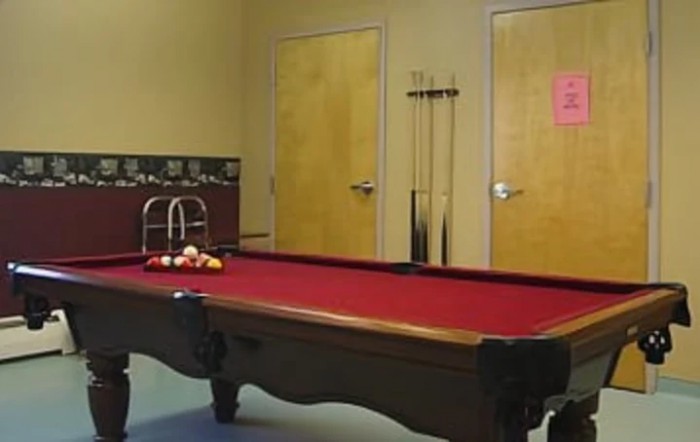
Our community boasts a wide range of amenities that are designed to enhance the quality of life for our residents. From a beauty salon and gaming room to a fully furnished space and small library, we have everything needed to create a comfortable and engaging environment. Our residents can also enjoy delicious meals served in our restaurant-style dining room or take advantage of our kitchenette for personal meal preparation. Additionally, we provide housekeeping services to ensure that our residents can focus on enjoying their time with us.

At Rumford Community Home, we prioritize the well-being of our residents. We offer 24-hour call systems and supervision to ensure their safety at all times. Our caring staff is always available to provide assistance with activities of daily living, bathing, dressing, transfers, and medication management. We also have specialized memory care programming to cater to individuals with mild cognitive impairment.

We understand the importance of staying physically active and socializing. To facilitate this, we offer fitness programs, planned day trips, and scheduled daily activities that are resident-run. Our concierge services make it easy for residents to access nearby cafes, parks, pharmacies, physicians' offices, restaurants, transportation options, places of worship, and hospitals.

Overall, Rumford Community Home provides a warm and inviting atmosphere where seniors can feel at home while receiving exceptional care and enjoying an array of amenities and activities.

Nearby Places of Interest

Restaurants

  • The Lure (0.3 miles)
  • McDonald's (0.5 miles)
  • Sam's Italian Sandwich Shoppes (0.8 miles)
  • Dicks Restaurant (1.3 miles)
  • Gatch's (2 miles)
  • New Far East (2.2 miles)
  • Dunkin (2.3 miles)

Places of Worship

  • Apostolic Church of Rumford (0.9 miles)
  • Praise Assembly of God (1.5 miles)
  • United Methodist Church Virgin Memorial Chapel (1.5 miles)
  • St Athanasius Catholic Church (1.6 miles)
  • Jehovah's Witnesses (2.3 miles)
  • Mexico Congregational Church (2.3 miles)
  • United Pentecostal Church (2.4 miles)

Parks

  • Boivin Park (1.3 miles)
  • Kineowatha Park (16.5 miles)
  • Paris Hills Historic District (18.6 miles)

Transportation

  • Private Taxi Co. (1.5 miles)
  • U-Haul Neighborhood Dealer (1.7 miles)
  • U-Haul (2 miles)
  • U-Haul (2.2 miles)
  • Mountain Valley Taxi Service (2.3 miles)
  • Falls Taxidermy & Museum (5 miles)
  • U-Haul Neighborhood Dealer (11 miles)

Cafes

  • JoJo's (1.6 miles)
  • Gone Loco Cafe (4.9 miles)
  • Cafe Di Cocoa (13.9 miles)
  • Coffee Hound Coffee Bar (15.1 miles)
  • Collins Cakes & Bakes (16.6 miles)

Hospitals

  • Rumford Hospital (1.9 miles)
  • Western Maine Family Health Center (18.3 miles)

Physicians

  • Swift River Family Medicine (1.9 miles)
  • Swift River Health Care (1.9 miles)
  • River Valley Internal Medicine (1.9 miles)
  • Elsemore Dixfield Family Medicine (5.2 miles)
  • HealthReach Network, HealthReach Community Health Centers, Bethel Family Health Center (14 miles)
  • Wilton Kidney Center (16.8 miles)
  • Dunlap Mary-Franklin Health Livermore Falls Family Practice (18.6 miles)

Pharmacies

  • Walmart Pharmacy (2.2 miles)
  • Spruce Mountain Pharmacy (17 miles)

Frequently Asked Questions

Where is Rumford Community Home?
Does Rumford Community Home provide care for residents with dementia or Alzheimer's disease?
What photos are available for Rumford Community Home in Rumford, Maine?

Nearby Communities

  • Rumford Island Housing

    Rumford Island Housing

    Rumford, ME

    3.5 from 23 reviews
     

    pro Convenient access to dining, parks, healthcare, transportation, and places of worship nearby.

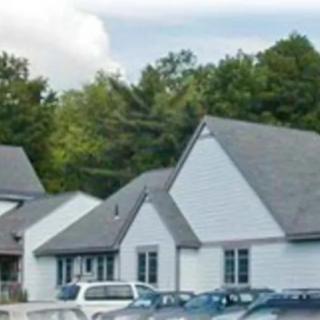
  • One Twenty Five Franklin Street

    One Twenty Five Franklin Street

    Rumford, ME

    4.8 from 95 reviews
     

    pro Comprehensive in-house care with furnished apartments, meals, housekeeping, and activities.

  • Horizons Unlimited

    Horizons Unlimited

    Rumford, ME

    4.9 from 7 reviews
     

    pro Comprehensive assisted living with meals, housekeeping, daily activities, and health care coordination.

  • Andy's Place

    Andy's Place

    Rumford, ME

    4.5 from 110 reviews
     

    pro Intimate, fully furnished setting with meals, activities, and coordinated healthcare; close to essential services.

  • Fourth Street Home

    Fourth Street Home

    Mexico, ME


    pro Comprehensive 24/7 supervision with ADL support and diabetes-friendly dining.

  • Keep House I

    Keep House I

    Rumford, ME

    3.8 from 4 reviews
     

    pro Comprehensive assisted living with 24-hour supervision, diabetes-friendly meals, housekeeping, move-in coordination, and outdoor spaces in a fully furnished setting.

  • Sandy River Center

    Sandy River Center

    Farmington, ME

    4.2 from 91 reviews
    $4,470 to $4,890 / month

    pro Caring staff and engaging activities.

  • Orchard Park Rehab & Living

    Orchard Park Rehab & Living

    Farmington, ME

    3.9 from 7 reviews
     

    pro 24/7 supervision with diabetes-friendly care and robust on-site amenities.

  • Coos County Nursing Home

    Coos County Nursing Home

    Berlin, NH

    3.8 from 6 reviews
     

    pro Caring staff, spotless environment, and quality meals with a social roommate setup.

Assisted Living in Nearby Cities

Related Resources

  • reminiscence therapyExploring the Power of Reminiscence Therapy for Individuals With Dementia

    Reminiscence therapy helps individuals with dementia recall past memories through structured discussions and meaningful objects, enhancing mood, relationships, and sense of identity while celebrating their lives. It can be practiced in formal settings or at home, requiring sensitivity to personal histories and cultural backgrounds.

  • reminiscence therapyAn In-Depth Look at Reminiscence Therapy in Dementia Care

    Reminiscence therapy is a structured method for older adults, especially those with dementia, to share life stories using prompts and sensory cues, fostering emotional well-being, social engagement, and self-identity. It aims to improve quality of life by enhancing interpersonal connections and cognitive stimulation while requiring careful facilitation to avoid distressing memories.

  • dementia hallucinationsDementia-Related Hallucinations: Causes, Experiences, and Practical Approaches
    Dementia, particularly Lewy body dementia, often involves hallucinations that can significantly distress both patients and caregivers due to disruptions in sensory processing and neurotransmitter imbalances. Effective management includes compassionate communication, environmental adjustments, and a multidisciplinary approach to care while addressing the emotional needs of caregivers.