


107 Orchard Street, Farmington, ME 04938
For more information about senior living options: (866) 208-4318
Overall Review of Orchard Park Rehab & Living
Pros
 The care the patient received was amazing.
- The staff were very compassionate, dedicated, and gave care with a smile.
- The daughter received the best possible care, with the help of the Androscogging Hospice nurses.
- The family expressed gratitude for the help during this very difficult time.
Cons
 There are reports of racism at the facility with no action taken.
- Med techs are described as insisting on giving meds while patients sit on the toilet.
- Residents allegedly cussed out staff, and attempts to calm them were reportedly ignored by management.
- The facility lacks proper sheets, has barely any washable pads, and briefs are too small, leaving marks on patients.
- Nurses are said to pass meds but leave them sitting at the bedside.
- Bruises were left on a resident and were witnessed by another worker, with no corrective action taken.
- There is no air in the building, making it very hot for residents and staff.
- The reviewer would not recommend this facility.
- The state should come in and investigate.
Review
Orchard Park Rehab & Living in Farmington, Maine is best suited for families navigating end-of-life decisions or residents who prize genuine, compassionate caregiving above all else. The strongest thread in the positive experiences is the warmth, dedication, and willingness of frontline staff to care for residents with kindness. In hospice-aligned situations, caregivers’ bedside presence and cheerful attentiveness can provide meaningful comfort during difficult moments. This is the kind of environment where emotional support and individualized attention can shine, particularly when loved ones require reassurance and steady, humane contact through a challenging transition.
But serious caveats surround Orchard Park. Several reviews allege recurring safety and governance failings that temper the warmth on the floor. Claims of racism, unaddressed resident volatility, and a perception that complaints vanish at leadership levels create a troubling backdrop for trust. Medical handling concerns stand out as well: medications allegedly left at bedside, administration while residents are seated on toilets, and bruising witnessed by staff point to inconsistent oversight and weak oversight protocols. Taken together, these issues threaten basic safety and raise questions about accountability, especially for residents with fragile health, cognitive impairment, or mobility limitations who depend on dependable staff action.
Pros on the ground include compassionate caregiving that surfaces in moments of need, with staff who appear dedicated and capable of delivering person-centered attention during intimate care. When families connect with nurses who treat residents with dignity, the emotional value is clear and can meaningfully relieve the burden of daily caregiving. Yet the most important measures, medication safety, rapid responsiveness to concerns, and transparent escalation of problems, are where the experience falters. Reports of a hot, poorly ventilated environment and gaps in basic supplies like bedsheets, washable pads, and appropriately sized briefs compound daily frustration. These tangible drawbacks weigh heavily against the human-centered care moments that do occur.
Prospective families should pursue concrete due diligence during a visit. Request current staff-to-resident ratios, observe how meds are stored and administered, and seek a hands-on demonstration of the medication process. Check whether incident logs exist and how quickly concerns reach leadership, plus what corrective actions typically follow complaints. Inquire about the facility’s environment, whether cooling or air circulation is adequate, and whether daily supplies meet resident needs. Clarify how the hospice or palliative teams integrate with on-site care and how injuries like bruising are reviewed and prevented in the future. A transparent response framework with defined timelines is essential.
The rating landscape reveals a divided experience: a 3.9 overall from seven reviews, with five five-star notes sitting beside two pointed one-star accounts. That split is not trivial; it signals a facility wrestling with core quality and safety issues while sometimes delivering moments of exemplary human care. The divergence matters most for residents who require reliable, predictable care and for families who rely on medication management, dignity, and safety without frequent administrative friction. While the positive anecdotes carry weight, they do not erase the imperative for stronger oversight, clearer accountability, and systemic improvements.
Bottom-line guidance: Orchard Park Rehab & Living can be a compassionate choice for families prioritizing bedside warmth and hospice-aligned care in Farmington, provided there is vigilant oversight and a clear plan to address safety and equipment gaps. For residents where safety, medication integrity, and responsive governance are non-negotiable, alternatives should be strongly considered while maintaining close observation of how the facility responds to concerns. If choosing Orchard Park, insist on a structured care plan with defined escalation channels, demand current evidence of staff training in safe medication practices, and arrange a trial period with explicit expectations and measurable checkpoints. That approach turns a potentially difficult decision into a controllable, outcomes-focused process.
 38 resident community capacity
 Skilled Nursing Facility
 Beauty salon
 Cable or satellite TV
 Dining room
 Fully furnished
 Garden
 Housekeeping services
 Kitchenette
 Move-in coordination
 Outdoor space
 Restaurant-style dining
 Small library
 Telephone
 Wi-Fi/high-speed internet available
 24-hour call system
 Activities of daily living assistance
 Assistance with bathing
 Assistance with dressing
 Assistance with transfers
 Diabetes diet
 Medication management
 Mental wellness program
 Special dietary restrictions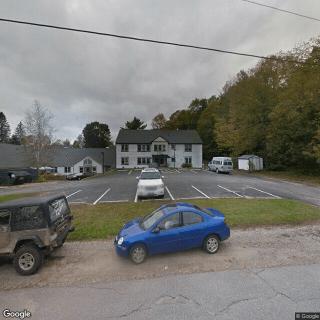




 Weight Training for Seniors: Building Strength and Vitality
 Understanding the Sandwich Generation: Stress and Responsibilities for Multigenerational Caregivers
 8 Essential Assistive Devices for Older Adults