
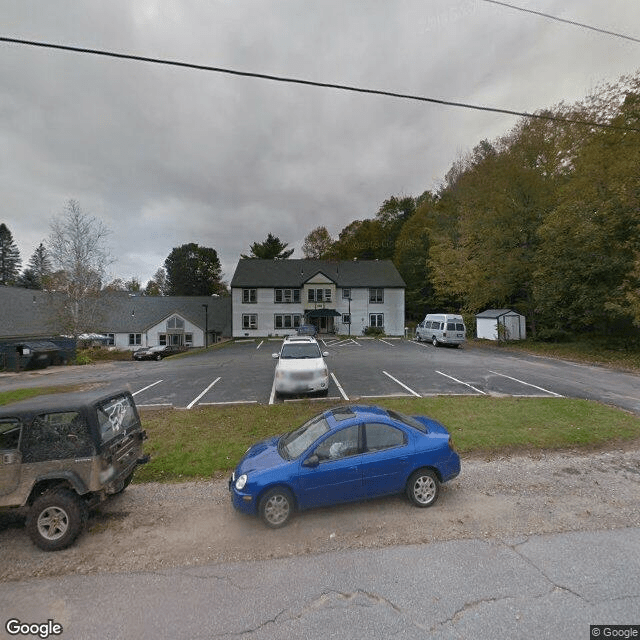
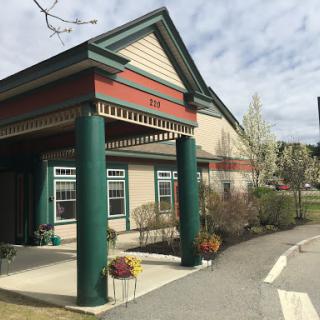
136 N St, Farmington, ME 04938
To contact a resident: (207) 778-4745
For more information about senior living options: (866) 208-4318
Farmington Home - Aged People Costs & Pricing
At Farmington Home - Aged People, the monthly cost for a private room is set at $3,500, making it a more economical option compared to the average costs in Somerset County and the broader state of Maine. In Somerset County, similar accommodations typically command a higher price of around $4,005 per month. Furthermore, when considering statewide averages in Maine, the costs can escalate to approximately $4,625 for comparable private room options. This positions Farmington Home as not only a cost-effective choice but also one that offers quality care in an environment where affordability is increasingly sought after by families and individuals seeking supportive living arrangements for their loved ones.
| Floor plans | Farmington Home - Aged People | Somerset County | Maine |
|---|---|---|---|
| Private | $3,500 | $4,005 | $4,625 |
Overall Review of Farmington Home - Aged People
Pros
 He was given the best possible care leading up to his death.
- The grandmother is still there at 95, and the care she receives from the staff is consistently impressive.
- The staff is warm and caring, and she really enjoys being there.
- Her room is always clean when visitors stop by.
Cons
 The facility is described as neglectful toward the grandmother in every sense of the word.
- The grandmother reportedly became unable to feed herself without cues, and staff were not helping her.
- The grandmother reportedly became malnourished and severely dehydrated, leading to a hospital stay and hospice.
- An expensive item went missing with zero accountability or apologies, and staff blamed the grandmother.
- The reviewer calls the place absolutely disgusting and unprofessional.
- Staff were cruel and cold in their responses when asked about the missing item.
- The assistant manager slapped an inventory paper on the desk, offered no condolences, and demanded a signature.
- The facility is described as unprofessional, incapable, and downright cruel.
Review
Farmington Home - Aged People in Farmington, ME is best suited for families seeking a small, hands-on care environment where residents receive steady monitoring and personal attention. The setting appeals to seniors who do not require high-acuity medical intervention but do need help with daily tasks and consistent supervision. A home-like routine, visible caregiver presence, and predictable daily structure are appealing for relatives who want close, ongoing contact with the staff. The caveat sits in governance and accountability: when things go wrong, the consequences can be severe, and families must weigh the warmth and attentiveness against possible lapses in care and communication.
On the positive side, the facility earns value from a caregiving team that feels accessible and genuinely invested. One family recounts excellent care for a grandfather as he neared end of life, and another notes that the grandmother currently enjoys a warm, stable routine with attentive staff. The low resident-to-staff ratio is repeatedly cited as a practical advantage, enabling closer monitoring for those needing assistance with mobility, meals, or medications. The environment, particularly clean rooms and consistent daily rhythms, reinforces a sense of dignity and stability for residents who thrive on reliable, personable attention.
Yet a sharply negative account casts a long shadow over the overall picture. A family describes neglect that led to malnutrition and dehydration, a hospital stay, and eventual hospice, with accusations of unhelpful responses, lack of accountability, and even the misplacement of a personal item. The report portrays unprofessional behavior and a chilling lack of empathy, culminating in a fallout that questions whether proper care was being delivered at all times. When such a severe case surfaces, it raises serious concerns about governance, how incidents are escalated, and how families are kept informed, issues that can dramatically undermine trust in the entire operation.
These contrasting experiences reveal a core tension: the same intimate, low-staff environment that can foster strong, attentive care can also become a liability if leadership and accountability falter. The visible warmth and hands-on approach may offset concerns for families who can maintain vigilant oversight and verify ongoing quality, but they do not eliminate risk. In practice, the facility’s strengths, personal attention, prompt day-to-day support, and a homelike atmosphere, only hold if the supervisory framework is robust and responsive. Without that, the most vulnerable residents may bear the consequences of inconsistent management, regardless of how caring the frontline staff appear.
Families considering Farmington Home should demand transparency before choosing. Request conversations with the administrator and direct access to recent incident logs, staffing schedules, and the facility’s response procedures. Schedule multiple, unannounced visits to observe how staff interact with residents across shifts, and speak candidly with current families about their experiences. Review dietary and hydration protocols to ensure nutrition is monitored and addressed promptly, and check state inspection records for any corrective actions. Pay particular attention to how items and valuables are tracked and how staff communicate with families about changes in care plans. A documented commitment to safety, accountability, and open family communication is non-negotiable.
In the end, Farmington Home can suit families who prize a tightly knit, supervised setting and who can actively participate in oversight to ensure that care remains consistent. It is not the default choice for those needing relentless medical oversight or for families unwilling to accept the possibility of governance lapses. The prudent path is to pursue layered due diligence: multiple visits, frank talks with leadership, thorough review of care plans, and a clear understanding of how emergencies are managed and communicated. If these assurances cannot be secured, alternatives with stronger track records for safety and accountability deserve serious consideration.
 Board and Care Home

 Skilled Nursing Facilities vs. Nursing Homes: Making Sense of the Differences
 A Detailed Examination of Nursing Home Costs Across the U.S.
 Exploring Nonmedical Home Care: Understanding Services, Costs, and Financial Approaches