
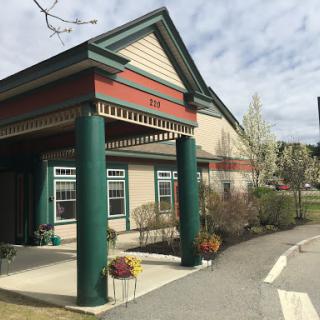
136 North Street, Farmington, ME 04938
For more information about senior living options: (866) 208-4318
Overall Review of Farmington Congregate Associates
Pros
 Lots of great artifacts & records from early Farmington history, dating back to the 1700s.
- Jane and Claudia are very familiar with the collection and very helpful.
Cons
 The town records/archives are not digitized.
- Researching is old-school (going through boxes).
Review
Farmington Congregate Associates in Farmington, ME is best suited for seniors who crave a living environment tied to local history and who want daily life that feels like a guided, personal archive project. The community’s core appeal centers on artifacts and early Farmington records, creating an intellectually purposeful setting rather than a generic senior living routine. Residents who enjoy slow, focused exploration of tangible materials and who value hands-on help from knowledgeable staff will find daily purpose here. The standout asset is the staff familiarity with the collection; Jane and Claudia are described as deeply versed and genuinely helpful, turning what could be solitary research into a supported, approachable activity. For a resident who prefers a quiet, meaningful pursuit rooted in place, this community offers an unusually deliberate, education-forward living experience.
Those who may want alternatives are seniors seeking digitized records, a broad array of social programming, or more extensive medical and daily living support. If instant digital access to archives, online catalogs, or rapid information retrieval matters, this setting may feel frustratingly old-school. Families looking for a lively, bustling social calendar, a wide variety of recreational amenities, or a comprehensive range of care services might find the offerings here too narrow. In essence, archival focus is a strength for some, but not a universal fit for seniors who want comprehensive, technology-enabled convenience plus a broad activity slate.
The primary pros, depth of the archival collection and the staff’s confident, capable guidance, largely offset the main drawbacks for the right resident. The collection provides ongoing intellectual stimulation, offering meaningful project work and a sense of contributing to the preservation of local heritage. The staff’s familiarity with the materials translates into practical assistance, personalized direction, and a low-friction learning curve, which keeps cognitively oriented residents engaged and supported. However, the absence of digitization and the need to handle materials the old-fashioned way can slow information access and limit spontaneous research. For residents who thrive on independence within a flexible digital framework, that friction can become a real constraint.
Prospective residents must assess the fit against daily living expectations. Key questions should address whether digitization plans exist, how access is scheduled, and if staff can structure guided research sessions beyond casual browsing. It is also prudent to explore the breadth of programming that accompanies archival life, whether there are lectures, collaborative projects, or other enrichment activities that diversify the routine. In addition, clarify the level of assistance available for routine personal care and daily tasks, and how costs compare with facilities offering broader care and activity options. The decision rests on whether the resident values a place-based, history-rich environment enough to trade some convenience and breadth of services for a uniquely engaging intellectual routine.
Ultimately, Farmington Congregate Associates stands out as a thoughtful fit for history-minded seniors who want intimate guidance through a tangible archive and a staff culture built around helpful, knowledgeable support. It is less compelling for those who prioritize digitized access, expansive programming, or higher levels of medical and daily living services typically found on larger campuses. Families evaluating options should weigh the strength of purpose-built, archival engagement against the desire for broader social opportunities and more conventional care offerings. When a resident’s sense of identity, curiosity about local heritage, and preference for close staff mentorship align with the community’s core strengths, the match is compelling and durable.
 12 resident community capacity
 Assisted Living
 Board and Care Home
 Cable or satellite TV
 Dining room
 Fully furnished
 Garden
 Housekeeping services
 Move-in coordination
 Outdoor space
 Telephone
 Wi-Fi/high-speed internet available
 24-hour supervision
 Activities of daily living assistance
 Assistance with bathing
 Assistance with dressing
 Assistance with transfers
 Diabetes diet
 Meal preparation and service
 Medication management
 Special dietary restrictions
 Transportation arrangement (medical)
 Transportation to doctors appointments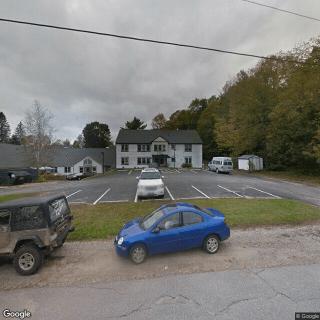


 Choosing the Right Senior Care: A Detailed Exploration of Assisted Living and Nursing Homes
 Understanding the True Cost of Assisted Living in 2025: A Comprehensive Guide
 Understanding Medicaid Coverage for Assisted Living: A Comprehensive Guide