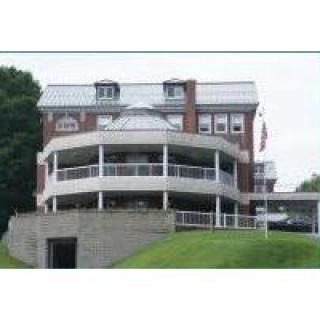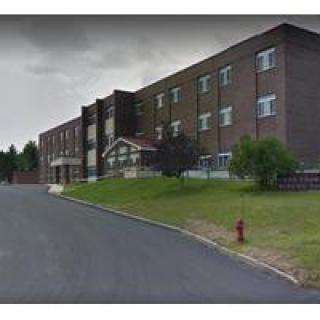
364 Cates Hill Road Po Box 416, Berlin, NH 03570
For more information about senior living options: (866) 208-4318
Overall Review of Coos County Nursing Home
Pros
 The staff are very friendly.
- The facility is well run and professional.
- The staff are courteous, and visiting is easy.
- Coos County Nursing Home provides really good care, and residents enjoy it.
- The facility is very clean, the food is really good, and the people are nice.
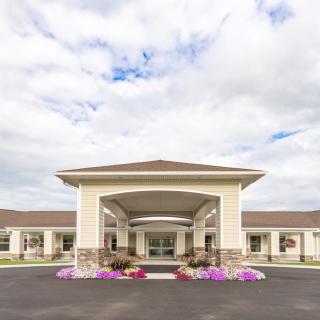
- The building is bright and cheery, and it offers many activities for patients.
Review
Coos County Nursing Home in Berlin, NH is best suited for seniors who need long-term skilled nursing care and value a warm, straightforward daily life. The community earns praise for a staff that is consistently friendly and respectful, a clean and bright environment, and a schedule of activities that keeps residents engaged rather than idle. Several residents show steady improvement and mood stability, credited to attentive caregivers and regular social opportunities. The building’s atmosphere feels home-like rather than clinical, which helps reduce anxiety for new residents and offers a predictable routine that families can rely on. For families evaluating this option, the practical care footprint and easy visitation rights make it a reliable anchor for ongoing needs rather than a transient rehab stop.
However, consideration should be given to what may push families toward alternatives. Those seeking luxury amenities, highly specialized dementia programming, or aggressive rehab trajectories might prefer other communities with a broader menu of therapeutic options and higher-end accommodations. The reported 3.8 rating from six reviews shows generally favorable opinions but also signals room for improvement; the presence of a single one-star rating invites careful diligence. Prospective residents should tour with questions about staffing levels, daily responsiveness, and individual care planning, and should verify whether the setting supports specific medical or cognitive needs that may grow over time. Location is another factor: for families far away or aiming for a more urbanized environment, a nearby or more feature-rich facility could be a better match.
On the positive side, the staff’s warmth and professionalism come through in everyday interactions, which translates into reliable daily care and easier visitation for families. Residents report cleanliness that extends to common areas and rooms, reducing triggers for stress and infections in a practical sense. The kitchen earns praise for meals that residents enjoy, a meaningful detail when appetite and nutrition are central to well-being. The activity calendar matters too: varied programs and social connections, including friendships formed with roommates, help maintain a sense of purpose and belonging. Taken together, these strengths address the most common friction points in long-term care: isolation, disengagement, and perceived neglect. Where this community shines is in creating a respectful, predictable rhythm that families can trust.
Yet the picture is not without caveats. The lone 1-star review suggests that at least one family felt disappointed enough to rate the experience poorly; without specifics, this flag cannot be ignored. The absence of a louder chorus of complaints should not substitute for due diligence. Families should elicit straightforward answers on how staffing covers nights and weekends, how quickly staff respond to call bells, and how care plans are updated as needs evolve. Probing when and how residents’ preferences are honored, such as meal options, wake/sleep routines, and activity participation, will illuminate whether the strengths hold across all shifts and all residents. This is not about fear but about ensuring that the day-to-day reality aligns with the promises observed in reviews.
Overall, the favorable elements, friendliness, cleanliness, good food, and an active social scene, tend to offset most everyday concerns, creating a practical, livable environment for long-term care. The ease of visiting matters deeply for families managing caregiving from a distance; a transparent routine and stable staff help reduce uncertainty. For many residents, the roommate compatibility noted in one positive account is not incidental: shared living can contribute to comfort and stability. If these dimensions align with a loved one’s temperament and needs, the likelihood of a satisfying stay rises. The key is to confirm that medical and rehabilitative resources match the present and anticipated needs, and that a plan exists to scale up care if memory or mobility requirements intensify.
When forming a decision, prioritize a structured visit. Request to see the current activity calendar, dine in the facility, and speak with both front-line staff and several residents about day-to-day routines. Review a sample care plan to understand how individual goals are tracked and revised, and ask about staffing ratios for different shifts. If memory care or higher-level medical oversight will be required soon, verify that the option exists on-site or nearby and that transfers would be seamless. For families considering Berlin, Coos County Nursing Home presents a solid, dependable choice with a clear emphasis on everyday quality of life; it is worth placing near the top of the shortlist, while keeping a critical eye on that lone negative signal through a focused site visit.
 100 resident community capacity
 Memory Care
 Skilled Nursing Facility
 Air-conditioning
 Beauty salon
 Cable or satellite TV
 Computer center
 Dining room
 Fitness room
 Fully furnished
 Gaming room
 Garden
 Housekeeping services
 Kitchenette
 Move-in coordination
 Outdoor space
 Private bathrooms
 Restaurant-style dining
 Small library
 Telephone
 Wellness center
 Wi-Fi/high-speed internet available
 Community operated transportation
 12-16 hour nursing
 24-hour call system
 Activities of daily living assistance
 Assistance with bathing
 Assistance with dressing
 Assistance with transfers
 Diabetes diet
 Medication management
 Mental wellness program
 Special dietary restrictions
 Concierge services
 Planned day trips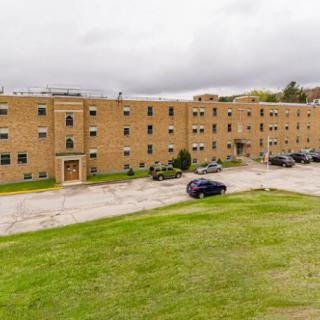


 Understanding Dementia Through Its Seven Stages: A Comprehensive Look at Progression and Expectations
 Safeguarding Your Memory Through the Golden Years: Eight Ways to Preserve Cognitive Health
 Comprehensive Insights into Activities of Daily Living (ADLs) and Their Assessment