In Mineral Springs, the monthly cost for a studio apartment stands at $6,825, which is notably higher than both the Carroll County average of $5,611 and the broader New Hampshire state average of $5,346. This pricing may reflect the unique characteristics and amenities offered in Mineral Springs, catering to a specific demographic that values those features. The elevated costs could be indicative of the area's desirability or market demand, positioning it as a more premium option compared to its surrounding regions. Potential residents should consider these factors as they weigh their housing choices within the context of local economic conditions.
Floor plans
Mineral Springs
Carroll County
New Hampshire
Studio
$6,825
$5,611
$5,346
Overall Review of Mineral Springs
differentiator3 reviews mention this
End-of-life care feels supportive
Families describe end-of-life support as attentive and comfort-focused.
Several reviews describe residents receiving hospice-focused support and being kept comfortable in the final stages. One family member notes a hospice room that felt well set up for staying close by. Another reviewer says their loved one’s last days were peaceful and pain-free, with staff helping keep them clean and comfortable.
common8 reviews mention this
Therapies drive steady rehab gains
Reviews frequently credit therapy staff with meaningful progress.
Across rehab and post-op stays, multiple residents and families mention progress tied to physical and occupational therapy. One reviewer describes improving mobility after arriving from another facility, and another says post-surgery recovery went well with staff support. Even where some nursing concerns appear, at least one review still highlights that the physical therapy team was accommodating and helpful.
common5 reviews mention this
Activities help residents stay engaged
Residents are described as staying socially engaged with daily activities.
Reviewers repeatedly mention opportunities to get out of bed, mingle, and participate in activities both inside and outside. Families describe staff encouraging engagement, including gardening and arts and crafts. Several reviews also highlight communication and involvement that keeps residents active and makes it easier for families to participate from the sidelines.
caveat5 reviews mention this
Food quality is mixed
Food experiences vary, with some reviews calling it poor or disappointing.
Some reviewers say the food was delicious or that dining experiences were acceptable and comfortable. Others report serious dissatisfaction, including claims of meals that were beyond terrible or not good. A few reviews also connect dining complaints with broader frustration about care quality, while one reviewer specifically mentions food concerns coming from a short stay.
caveat3 reviews mention this
Bathing and hygiene concerns come up
A recurring concern is inconsistent bathing and basic hygiene support.
Some families describe problems with routine personal care, including missed or infrequent showers or baths. Other reviews describe residents left in unhygienic conditions and needing follow-through on cleanliness-related details. There are also reports tied to infection-control concerns, which add to worries about how consistently hygiene needs are met.
caveat6 reviews mention this
Call response and communication can fail
Several reviews describe delays or failures when assistance was requested.
Some reviewers report long waits for help after using call bells and describe situations where no one came for extended periods. There are also complaints about phone access not being answered or calls not being properly connected to residents. A few reviews describe broader communication breakdowns, including delays in addressing requests and needing outside involvement to get timely changes.
How we summarize
Counts show how many written reviews mention each theme; a review can touch several themes, and only frequently mentioned themes are displayed.
Features
Housing
16 resident community capacity
Types of Care
Assisted Living
Skilled Nursing Facility
Amenities
Activities on-site
Cable or satellite TV
Devotional services off-site
Dining room
Fully furnished
Garden
Housekeeping services
Indoor common areas
Move-in coordination
Outdoor space
Respite or short term stays offered
Telephone
Wi-Fi/high-speed internet available
Care Services
24-hour supervision
Activities of daily living assistance
Ambulatory care
Assistance with bathing
Assistance with dressing
Assistance with transfers
Coordination with health care providers
Diabetes diet
Diabetic care
Incontinence care
Meal preparation and service
Medication management
Special dietary restrictions
Transportation arrangement (medical)
Transportation to doctors appointments
Dining
Diabetes diet
Meals provided
Restaurant style dining
Room service
Special dietary restrictions
Activities
Activities on-site
Community-sponsored activities
Devotional activities offsite
Scheduled daily activities
Nearby Places of Interest
This part of North Conway, New Hampshire offers a variety of amenities and conveniences that cater to seniors looking for a comfortable and convenient lifestyle. With several cafes, pharmacies, restaurants, parks, physicians' offices, places of worship, and transportation options in close proximity, residents can easily access essential services and enjoy recreational activities. The area also features Memorial Hospital nearby for healthcare needs. Additionally, the scenic beauty of the surrounding mountains provides a peaceful and picturesque setting for seniors to enjoy. Overall, this part of North Conway offers a well-rounded community with everything seniors may need for a fulfilling and enjoyable retirement.
Cafes
Peet's Coffee and Tea (0.2 miles)
Starbucks (0.5 miles)
White Mountain Cupcakery settlers green (0.7 miles)
Tricks and Treats (1.7 miles)
Metropolitan Coffee House (2.9 miles)
Courtyard Cafe (2.9 miles)
Frontside Coffee Roasters (3 miles)
Pharmacies
Shaw's Pharmacy (0.2 miles)
CVS Pharmacy (0.3 miles)
Walmart Pharmacy (0.4 miles)
Walgreens (0.5 miles)
Hannaford Pharmacy (0.5 miles)
Theaters
Mountain Valley Cinema (0.4 miles)
Restaurants
Black Cap Grille (0.5 miles)
Fiesta Jalisco Mexican Restaurant (0.5 miles)
Jalisco Mexican Restaurant (0.6 miles)
Chipotle Mexican Grill (0.7 miles)
Brandli's Pizza Grille (0.8 miles)
Wrapsody N' Greens (0.8 miles)
Fire by Wicked Fresh (0.8 miles)
Parks
North Conway Grand Playground (0.8 miles)
Davis Park Recreation Area (2 miles)
Harvey Dow Gibson Playground (2.8 miles)
Schouler Park (2.9 miles)
Boulder Loop Trailhead Albany (4.4 miles)
Pine Hill (6.3 miles)
Mount Chocorua (9 miles)
Physicians
Paincare (1.5 miles)
Saco River Medical Group (2.4 miles)
Conway Walk In Clinic (2.4 miles)
T Murray Wellness Center (2.4 miles)
Surgery & Urology At Memorial Hospital - Morice Dennery MD (3.6 miles)
White Mountain Oral & Maxillofacial Surgery PC (4 miles)
Tamworth Family Medicine (11.4 miles)
Places of Worship
General Conference Of Seventh-Day Adventists (2.1 miles)
Conway United Methodist Church (2.4 miles)
St Margaret Anglican Church (2.5 miles)
Our Lady of the Mountains Church (3.3 miles)
Fryeburg Assembly of God (6.3 miles)
Fryeburg New Church (6.5 miles)
Chocorua Community Church (10.7 miles)
Transportation
Conway Scenic Railroad - Conway Station (2.6 miles)
In Mineral Springs, the monthly cost for a studio apartment stands at $6,825, which is notably higher than both the Carroll County average of $5,611 and the broader New Hampshire state average of $5,346. This pricing may reflect the unique characteristics and amenities offered in Mineral Springs, catering to a specific demographic that values those features. The elevated costs could be indicative of the area's desirability or market demand, positioning it as a more premium option compared to its surrounding regions. Potential residents should consider these factors as they weigh their housing choices within the context of local economic conditions.
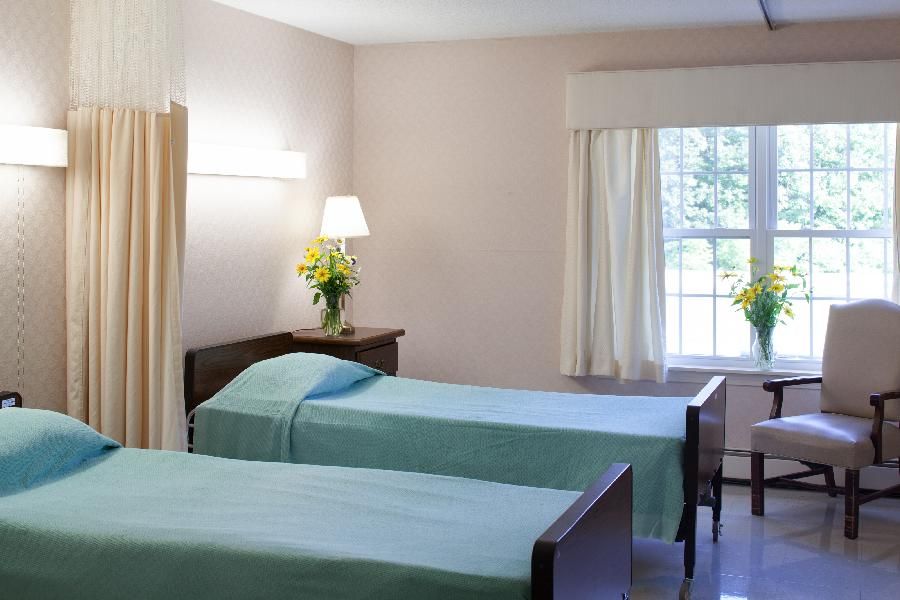
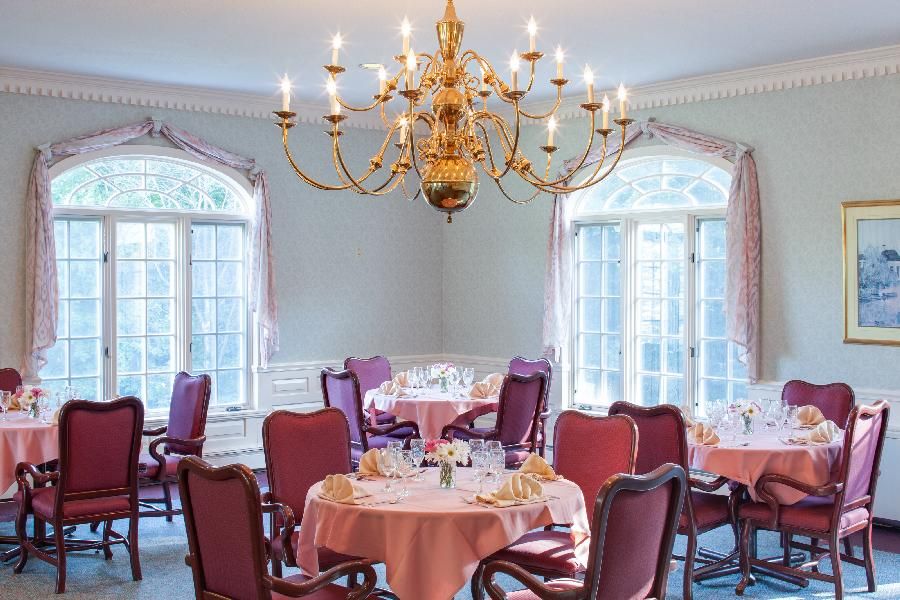
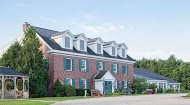
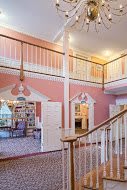
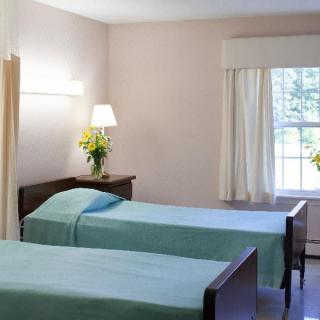
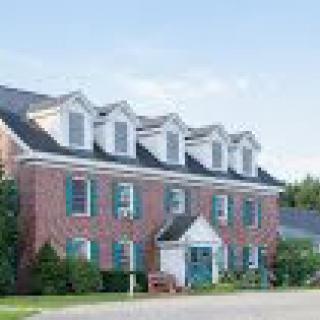
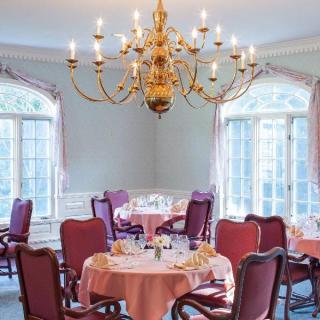
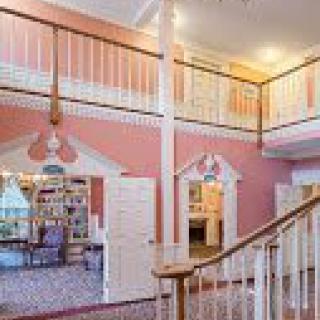
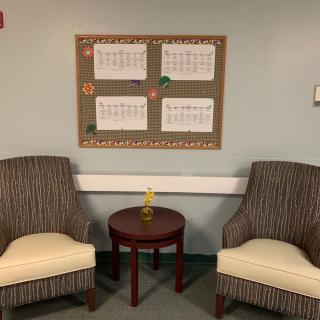
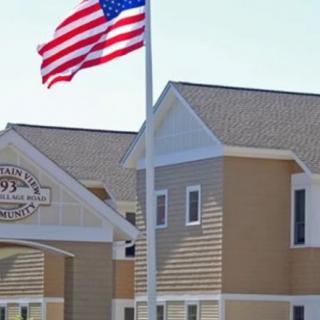
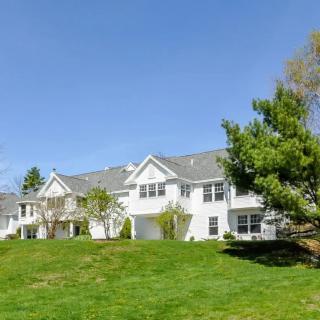
Mineral Springs on seniors.fyi includes 7 photos including images showing interior, bedroom, windows, dining, chandelier, brick, architecture, staircase, and more.
Nearby Communities
128 Passaconaway Road
North Conway, NH
$3,000 to $3,810 / month
Lower monthly rates across room types than county/state averages, with fully furnished apartments.
128 B Passaconaway Road
Conway, NH
Fully furnished living spaces with on-site dining, 24-hour supervision and ADL assistance, and garden/outdoor space.
North Country Independent Living
North Conway, NH
3.3 from 6 reviews
Combined independent and assisted living with 24/7 support, medication management, and restaurant-style dining.
Timberland Home Care
North Conway, NH
5 from 1 review
Cozy, well-equipped assisted living with 24-hour care.
Kearsarge Community Residence
North Conway, NH
2 from 1 review
Fully furnished assisted living with comprehensive care services and diabetes-friendly dining.
The article examines the complexities of assisted living for individuals with disabilities, emphasizing the need for tailored care solutions that enhance quality of life and social inclusion, while addressing financial challenges and advocating for community integration. It discusses various housing options, the importance of financial assistance through public benefits, and highlights trends towards integrated and technology-driven solutions in disability-focused housing.
Assisted living for adults with disabilities has transformed to provide personalized care and support services aimed at improving residents' quality of life while balancing independence and assistance. However, low-income individuals often face challenges in affording these services, requiring navigation of various financial resources and advocacy for better policies and solutions.
Assisted living facilities provide support for older adults needing help with daily activities without extensive medical care, but their costs can be high and vary by location and services offered. Families often seek various funding options and financial strategies to manage these expenses effectively while considering future needs and potential price increases.
Get PricingAsk A QuestionSchedule A TourContact Senior Advisor
By clicking submit, you agree to our Partner's Terms of Use. You
also consent to receive calls and texts, which may be autodialed, from our Partner. Your consent is not a condition to
using our Partner's service. Please visit our Partner's Privacy Policy for information about their privacy practices.


 16 resident community capacity
 Assisted Living
 Skilled Nursing Facility
 Activities on-site
 Cable or satellite TV
 Devotional services off-site
 Dining room
 Fully furnished
 Garden
 Housekeeping services
 Indoor common areas
 Move-in coordination
 Outdoor space
 Respite or short term stays offered
 Telephone
 Wi-Fi/high-speed internet available
 24-hour supervision
 Ambulatory care
 Assistance with bathing
 Assistance with dressing
 Assistance with transfers
 Diabetes diet
 Diabetic care
 Incontinence care
 Meal preparation and service
 Medication management
 Special dietary restrictions
 Transportation arrangement (medical)
 Transportation to doctors appointments
 Lower monthly rates across room types than county/state averages, with fully furnished apartments.
 Comprehensive Residential Support and Assisted Living Solutions for Individuals with Disabilities
 Comprehensive Supportive Living Arrangements for Adults with Disabilities
 Funding and Affording Assisted Living: A Thorough Overview