Woodlands Memory Care Of Farmington

Save
Woodlands Memory Care Of Farmington Woodlands Memory Care Of Farmington Woodlands Memory Care Of Farmington Woodlands Memory Care Of Farmington

Woodlands Memory Care Of Farmington

175 Knowlton Corner Road, Farmington, ME 04938

For more information about senior living options: (844) 490-3973

3.2 from 26 reviews
5 stars
14
4 stars
0
3 stars
0
2 stars
2
1 stars
10

Assisted Living Memory Care

What level of care are you interested in?

Assisted Living

Memory Care

Independent Living

Skilled Nursing Facility

Continuing Care Retirement Community (CCRC)CCRC

Other


Request a tour at Woodlands Memory Care Of Farmington

    Overall Review of Woodlands Memory Care Of Farmington

    Pros

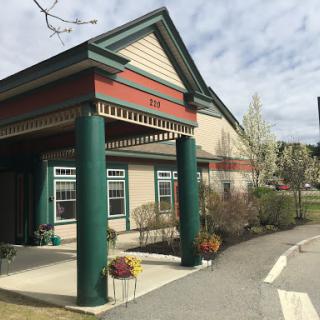
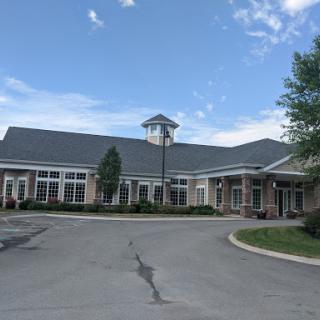
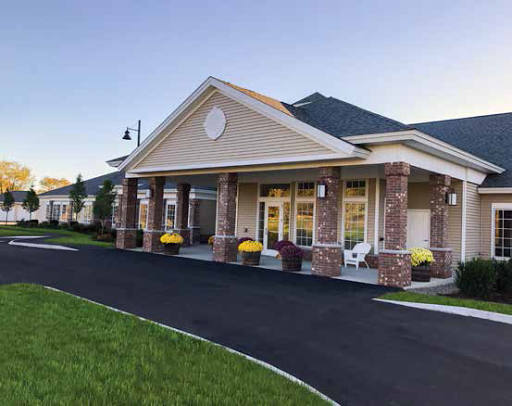
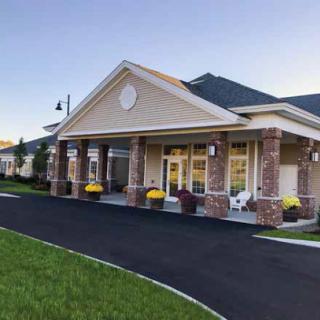
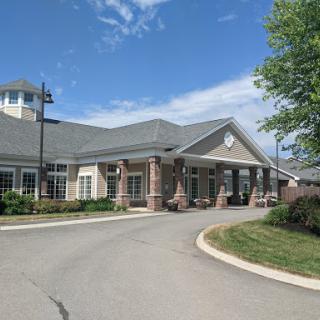
    • pro The community is beautiful, with professional staff who provide compassionate care to residents.
    • pro The facility is a beautiful community with caring staff who truly care about the residents.
    • pro The staff are hardworking and caring, and the place is beautiful.
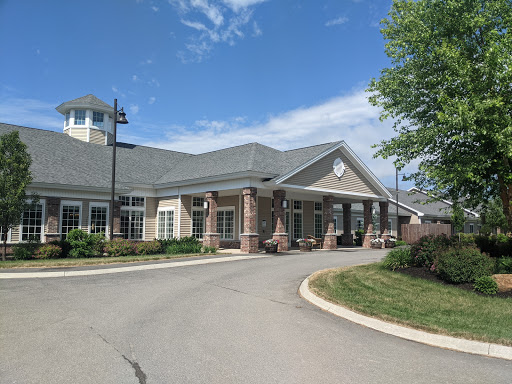
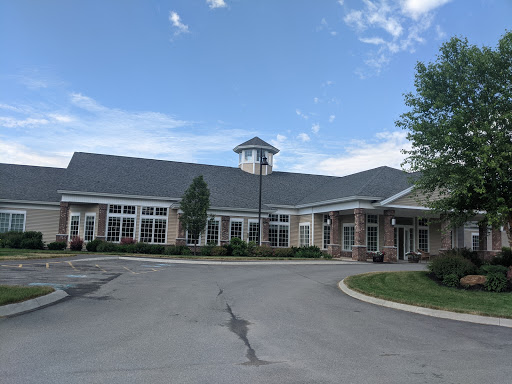
    • pro The building and setting are beautiful.
    • pro The staff are amazing and the environment is beautiful.
    • pro It is a beautiful facility with a welcoming atmosphere.

    Cons

    • pro The administration is incompetent and will not assist with MaineCare applications, even when family isn't available.
    • pro The memory care unit does not provide supplemental drinks, even for private-pay residents paying over $10,000 per month.
    • pro If a resident runs out of food, the staff's attitude is "oh well, guess they won't eat."
    • pro A resident fell in the memory care unit and fractured his hip, indicating the facility does not know what it is doing.
    • pro Residents with memory issues sign papers with an assigned power of attorney.
    • pro The staff are uncaring and incompetent, with serious neglect reported.
    • pro The facility is unclean and residents are neglected.
    • pro There were multiple medication errors first-hand witnessed.

    Review

    Woodlands Memory Care of Farmington is best suited for families that prize a beautiful, well-maintained living environment and want a facility that feels inviting and orderly, even as they recognize the need for vigilant oversight. The setting can be appealing to those who want a memory care location with pleasant common areas and a professional appearance, and who are comfortable taking an active role in monitoring care. It is not a universal fit for every memory-impaired resident, however, and the core question is whether the day-to-day clinical and safety needs can be reliably met when staffing and administration are stretched.

    Those considering alternatives should pay close attention if a loved one requires steady, proactive medical oversight, consistent personal-care support, and rigorous medication or wound-management protocols. Families dealing with Mainecare assistance, guardianship questions, or complex care plans will want a facility with clear, responsive administrative processes and a track record of helping families navigate benefits and paperwork. If power of attorney and care coordination are areas of concern, a facility with stronger administrative competence and transparent communication is likely to serve the resident better.

    On the upside, residents may experience a clean environment and courteous, friendly staff in some shifts, and the community's physical plant is repeatedly described as beautiful. Those positives matter: a positive atmosphere and well-kept surroundings can support mood and dignity when care needs are significant. A portion of staff is genuinely caring and attentive, which can create pockets of good experiences for residents and families who can engage closely with the team and advocate for desired routines.

    The weight of the downsides is substantial and cannot be minimized. Several reviews recount serious administration gaps, including reluctance or failure to assist with Mainecare applications or to clarify guardianship versus POA authority. Recurrent reports of insufficient staffing translate into missed personal-care tasks, delayed responses to calls, and noticeable lapses in daily routines - such as laundry neglect and limited daily care - leading to a sense that residents are not consistently protected or engaged. The most troubling anecdotes describe repeated falls, slow or inadequate responses, and wounds that deteriorate rather than improve, including a case of a serious heel wound that progressed to a bloodstream infection. Medication errors and gaps in communication with families further erode trust and safety. Taken together, these patterns suggest a facility where risk persists when supervision and staffing are not reliably sufficient.

    Because safety and consistent care are nonnegotiable in memory care, the pros cannot meaningfully offset the primary concerns for most families. The beautiful building and occasional compassionate care are meaningful - but they do not compensate for documented administration struggles, frequent staffing shortages, and care lapses that threaten resident health and dignity. Families facing a choice should approach Woodlands with a clear plan for oversight: request detailed staffing schedules, demand documentation of care plans and incident logs, review the latest state-inspection findings, and insist on direct conversations with leadership about how problems are addressed when they arise. If those assurances cannot be demonstrated in a concrete, trackable way, it is prudent to explore other options in the Farmington region that offer more reliable medical oversight and consistent daily care.

    In practical terms, prospective residents or their families should schedule comprehensive, in-person evaluations focusing on care planning, medication management, wound care, and responsive staffing. Ask to meet directly with nursing leadership to review turnover, emergency protocols, and how complex cases are handled. Check recent inspection reports and speak with current families about their experiences during peak hours and weekends. If a high standard of daily care, reliable staffing, and responsive administration remain uncertain after such diligence, alternatives should be seriously considered. A well-chosen memory-care home is measured not by its d?cor alone but by the steadiness of care, safety, and communications that sustain a resident's health and well-being over time.

    Features

    Housing

    • 37 resident community capacity 37 resident community capacity

    Types of Care

    • Assisted Living Assisted LivingAssisted living facilities provide crucial support and care for seniors who may need help with daily tasks such as medication management, bathing, and meal preparation. These communities offer a safe and comfortable environment where seniors can maintain their independence while receiving the assistance they need to thrive in their golden years.
    • Memory Care Memory CareMemory care is crucial for seniors as it provides specialized support and services for individuals with dementia or Alzheimer's disease. These programs offer a safe and secure environment where residents receive personalized care, cognitive stimulation, and help with daily activities. Memory care helps seniors maintain their independence, quality of life, and dignity while also providing peace of mind for their families.

    Amenities

    • Activities on-site Activities on-siteActivities on-site are important for seniors because they provide opportunities for socialization, mental stimulation, physical activity, and overall well-being. Engaging in activities can help seniors stay active, maintain their independence, and improve their quality of life.
    • Beauty salon Beauty salonBeauty salons are important for seniors because they provide a space for them to feel pampered, socialize, and maintain their personal grooming and hygiene. Regular visits to a beauty salon can help boost seniors' self-esteem and overall well-being.
    • Cable or satellite TV Cable or satellite TVCable or satellite TV is important for seniors because it provides entertainment, news, and companionship, helping to combat loneliness and boredom. It also offers a wide range of programming options tailored to different interests and preferences.
    • Devotional services off-site Devotional services off-siteDevotional services off-site are important for seniors as they provide spiritual nourishment, social engagement, and a sense of community outside of the senior living facility. This can enhance overall well-being and help combat feelings of isolation and loneliness often experienced by older adults.
    • Dining room Dining roomDining rooms are important for seniors as they provide a space for socialization, connection, and nutritious meals. They offer opportunities for residents to bond over shared meals, foster a sense of community, and promote healthy eating habits. Dining rooms also ensure that seniors have access to well-balanced meals tailored to their dietary needs and preferences.
    • Fully furnished Fully furnishedFully furnished senior living communities are important for seniors because they provide convenience, comfort, and a hassle-free moving experience. Seniors can easily settle into their new living space without the stress of having to buy and move furniture. This allows them to focus on enjoying their new home and community.
    • Garden GardenGardens are important for seniors as they provide a peaceful and therapeutic environment for relaxation, physical activity, and socialization. Being in nature has been shown to reduce stress, improve mood, and promote overall well-being. Gardens also offer opportunities for seniors to engage in gardening activities, which can improve mobility, flexibility, and cognitive function. Additionally, gardens create a sense of community and connection with others who share a passion for plants and outdoor spaces.
    • Housekeeping services Housekeeping servicesHousekeeping services are important for seniors because they help maintain a clean and safe living environment, promote independence, and reduce the risk of accidents or illnesses. Additionally, having assistance with household chores can alleviate physical strain and allow seniors to focus on other aspects of their well-being.
    • Indoor common areas Indoor common areasIndoor common areas are crucial for seniors as they provide a space for socialization, recreation, and community engagement, promoting overall well-being and reducing feelings of isolation and loneliness.
    • Kitchenette KitchenetteKitchenettes are important for seniors living in senior living communities because they provide the convenience and independence of being able to prepare simple meals and snacks in the comfort of their own living space. This can help promote a sense of autonomy and well-being for seniors, allowing them to maintain some level of control over their dietary choices and daily routines.
    • Move-in coordination Move-in coordinationMove-in coordination is important for seniors because it helps ease the transition into their new living environment. It ensures that all logistics, such as packing, organizing movers, and setting up utilities are taken care of, allowing seniors to focus on settling in and adjusting to their new home. Having a smooth move-in process can alleviate stress and anxiety, making the transition smoother and more enjoyable for seniors.
    • Outdoor space Outdoor spaceOutdoor spaces are important for seniors as they provide opportunities for physical activity, social interaction, exposure to natural light and fresh air, and a sense of connection to nature. Having access to outdoor spaces can improve overall well-being and quality of life for older adults living in senior communities.
    • Restaurant-style dining Restaurant-style diningRestaurant-style dining is important for seniors because it allows them to enjoy delicious, nutritious meals in a social and upscale setting. This enhances their dining experience, promotes healthy eating habits, and fosters socialization with fellow residents, ultimately contributing to their overall well-being and quality of life.
    • Small library Small librarySmall libraries are important for seniors as they provide access to a variety of reading materials, including books, newspapers, and magazines. This can help stimulate their minds, keep them engaged, and provide a sense of community through book clubs and other social activities. Additionally, reading has been shown to improve cognitive function and overall mental well-being in older adults.
    • Telephone TelephoneTelephones are important for seniors as they provide a lifeline for communication with loved ones, emergency services, and healthcare providers. They offer a sense of security and independence, enabling seniors to stay connected and access assistance when needed.
    • Wi-Fi/high-speed internet available Wi-Fi/high-speed internet availableWi-Fi/high-speed internet is important for seniors to stay connected with loved ones, access online resources, and participate in virtual activities to combat feelings of loneliness and isolation. It also allows them to easily manage healthcare needs, access entertainment, and engage in lifelong learning opportunities.

    Care Services

    • 24-hour call system 24-hour call system24-hour call systems are important for seniors because they provide peace of mind and immediate assistance in case of emergencies. This technology ensures that help is always available, promoting safety and security for elderly individuals living alone or in assisted living facilities.
    • 24-hour supervision 24-hour supervision24-hour supervision is important for seniors to ensure their safety, well-being, and access to immediate assistance in case of emergencies or health issues. This constant support provides peace of mind for both seniors and their loved ones, allowing them to age in place with dignity and security.
    • Activities of daily living assistance Activities of daily living assistanceActivities of daily living assistance are important for seniors because they provide essential support with tasks such as eating, bathing, dressing, and mobility. This assistance helps seniors maintain their independence, dignity, and overall quality of life as they age.
    • Ambulatory care Ambulatory care"Ambulatory care services provide essential medical support and treatment to seniors without requiring hospitalization, allowing them to maintain their independence and quality of life while managing chronic conditions or receiving routine medical care."
    • Assistance with bathing Assistance with bathingAssistance with bathing is crucial for seniors as it helps maintain personal hygiene, prevents infections, and ensures their overall well-being and comfort. It also provides a sense of dignity and independence for seniors who may struggle with this task on their own.
    • Assistance with dressing Assistance with dressingAssistance with dressing is important for seniors because it helps maintain their independence, promotes personal hygiene, prevents accidents and injuries, and improves overall quality of life. This service ensures that seniors can continue to dress comfortably and confidently, despite any physical limitations they may have.
    • Assistance with transfers Assistance with transfersAssistance with transfers is crucial for seniors as it helps prevent falls and injuries, maintains their independence, and ensures they can safely navigate their living environment. It also provides peace of mind for both seniors and their loved ones.
    • Diabetes diet Diabetes dietA diabetes diet is crucial for seniors as it helps manage blood sugar levels, reduce risks of complications, and improve overall health and well-being. By following a balanced and nutritious diet tailored to their specific needs, seniors can better control their diabetes and enhance their quality of life.
    • Diabetic care Diabetic careDiabetic care is crucial for seniors as they are more susceptible to developing diabetes due to aging and other health conditions. Proper management of diabetes can help prevent complications such as heart disease, vision loss, and nerve damage, improving the overall quality of life for seniors in senior living communities.
    • Meal preparation and service Meal preparation and serviceMeal preparation and service are crucial for seniors as they may have limited mobility or energy to cook nutritious meals. Having access to healthy and convenient food options can ensure they are getting the proper nutrition needed to maintain their overall health and well-being.
    • Medication management Medication managementMedication management is crucial for seniors to ensure they are taking the right medications at the correct dosages and times. This helps prevent adverse drug interactions, reduces the risk of medication errors, and promotes overall health and well-being. Proactive management also allows for adjustments as needed based on changing health conditions or new prescriptions.
    • Mental wellness program Mental wellness programMental wellness programs are essential for seniors as they promote cognitive stimulation, emotional support, and social engagement. These programs help prevent isolation, depression, and cognitive decline, ultimately enhancing the overall quality of life for older adults.
    • Mild cognitive impairment Mild cognitive impairment"Mild cognitive impairment" is important for seniors because it is an early stage of cognitive decline that can potentially progress to more severe conditions such as dementia. Recognizing and addressing mild cognitive impairment can help seniors receive appropriate care and support to maintain their quality of life and independence for as long as possible.
    • Special dietary restrictions Special dietary restrictionsSpecial dietary restrictions are important for seniors because age-related changes in metabolism and health conditions can make it difficult for their bodies to process certain foods. By following a diet tailored to their specific needs, seniors can maintain their overall health and well-being, manage chronic conditions, and reduce the risk of complications such as malnutrition or food interactions with medications.

    • Specialized memory care programming Specialized memory care programmingSpecialized memory care programming is crucial for seniors with cognitive impairments such as dementia or Alzheimer's disease. These programs provide a safe and supportive environment tailored to the unique needs of individuals with memory loss, helping them maintain their independence, dignity, and quality of life.

    Dining

    • Diabetes diet Diabetes dietA diabetes diet is crucial for seniors as it helps manage blood sugar levels, reduce risks of complications, and improve overall health and well-being. By following a balanced and nutritious diet tailored to their specific needs, seniors can better control their diabetes and enhance their quality of life.
    • Meals provided Meals provided"Meals provided" are crucial for seniors in assisted living communities as it ensures they have access to nutritious, balanced meals without the stress of meal planning and preparation. This can help promote overall health and well-being for seniors who may have limited mobility or cognitive abilities.
    • Special dietary restrictions Special dietary restrictionsSpecial dietary restrictions are important for seniors because age-related changes in metabolism and health conditions can make it difficult for their bodies to process certain foods. By following a diet tailored to their specific needs, seniors can maintain their overall health and well-being, manage chronic conditions, and reduce the risk of complications such as malnutrition or food interactions with medications.

    Activities

    • Activities on-site Activities on-siteActivities on-site are important for seniors because they provide opportunities for socialization, mental stimulation, physical activity, and overall well-being. Engaging in activities can help seniors stay active, maintain their independence, and improve their quality of life.
    • Community-sponsored activities Community-sponsored activitiesCommunity-sponsored activities are important for seniors as they provide opportunities for social interaction, mental stimulation, and physical activity. These activities can help improve overall well-being, combat loneliness and isolation, and promote a sense of belonging and purpose among older adults.
    • Devotional activities offsite Devotional activities offsiteDevotional activities offsite are important for seniors because they provide social engagement, spiritual growth, and a sense of community outside of their living environment. This can improve overall well-being, mental health, and combat feelings of isolation or loneliness.
    • Resident-run activities Resident-run activitiesResident-run activities are important for seniors as they encourage social interaction, creativity, and a sense of autonomy. These activities empower seniors to stay engaged and active in their community while fostering meaningful connections with their peers.
    • Scheduled daily activities Scheduled daily activitiesScheduled daily activities are important for seniors because they provide structure, socialization, mental stimulation, and physical activity. Engaging in regular activities can improve overall well-being and quality of life for seniors living in a community setting.

    Description

    Woodlands Memory Care Of Farmington is an assisted living community located in Farmington, ME. We specialize in providing memory care for seniors who are living with Alzheimer's disease, dementia, or other forms of memory impairment. Our community offers a range of amenities and services to ensure the comfort and well-being of our residents.

    Residents at Woodlands Memory Care Of Farmington can enjoy the convenience of an on-site beauty salon, where they can receive professional hair styling and grooming services. They also have access to cable or satellite TV for entertainment and can participate in devotional services off-site to nourish their spiritual well-being.

    Our dining room serves nutritious meals prepared by our skilled culinary team, and residents have the option to choose from special dietary restrictions if needed. The fully furnished accommodations provide a comfortable living space, and housekeeping services ensure that their environment is clean and well-maintained.

    Indoor common areas allow residents to socialize and engage with others, while the outdoor space provides a tranquil setting for relaxation or gentle strolls. Wi-Fi/high-speed internet is available throughout the community, keeping residents connected with their loved ones virtually.

    At Woodlands Memory Care Of Farmington, our highly trained staff provides 24-hour supervision to ensure the safety and security of our residents. We offer assistance with activities of daily living such as bathing, dressing, and transfers. For those requiring diabetes care or specialized dietary restrictions, we provide proper accommodation and meal planning.

    Our community places a strong emphasis on mental wellness, offering a dedicated program to support cognitive health for those experiencing mild cognitive impairment. Medication management is also provided to ensure that residents receive their prescribed medications on time and in the correct dosage.

    Woodlands Memory Care Of Farmington encourages an active lifestyle through various scheduled daily activities such as community-sponsored activities, devotional activities offsite, and resident-run activities. Nearby amenities include cafes, pharmacies, physicians' offices, restaurants, transportation options, places of worship, and theaters, making it convenient for residents to access essential services and engage in recreational activities within the local community.

    At Woodlands Memory Care Of Farmington, we strive to create a warm and caring environment where residents can maintain their independence while receiving the support they need. We are dedicated to providing high-quality memory care services that promote physical, mental, and emotional well-being in a comfortable and secure setting.

    Videos

    Nearby Places of Interest

    This part of Farmington, Maine, offers a variety of amenities and services that may appeal to seniors looking for a comfortable and convenient living environment. With multiple pharmacies nearby such as Mount Blue Drug and Walmart Pharmacy, accessing necessary medications is easy. There are also several reputable physicians in the area including Western Mountain Ophthalmology and Franklin Memorial Hospital/Franklin Community Health Network for quality healthcare options. In terms of dining options, residents can enjoy meals at Burger King, Subway, and El Toro Mexican Restaurant, offering a range of choices to suit different tastes. Places of worship like Trinity United Methodist Church and Church of the Nazarene provide spiritual support for those seeking community involvement. Additionally, transportation services from U-Haul Neighborhood Dealer and car rental agencies like Alamo and Enterprise Rent-A-Car make getting around convenient. Nearby cafes such as The Downtown Press Cafe and Orange Cat Cafe offer cozy spots to relax with a cup of coffee or tea. For entertainment, Narrow Gauge Cinemas is a popular spot for catching the latest movies. Overall, this part of Farmington provides a well-rounded living experience with access to essential services and recreational opportunities for seniors looking to settle in the area.

    Pharmacies

    • Mount Blue Drug (1.9 miles)
    • Walmart Pharmacy (2.1 miles)
    • Spruce Mountain Pharmacy (8.6 miles)

    Physicians

    • Western Mountain Ophthalmology (1.9 miles)
    • Franklin Memorial Hospital (2.1 miles)
    • Franklin Memorial Hospital/Franklin Community Health Network (2.1 miles)
    • Pine Tree Women's Care (2.1 miles)
    • Franklin Health Pediatrics (2.2 miles)
    • Richard Batstone, MD (4.3 miles)
    • Wilton Kidney Center (5.3 miles)

    Restaurants

    • Burger King (2 miles)
    • Subway (2.2 miles)
    • Irving: Big Stop (2.2 miles)
    • Farmington Big Stop (2.2 miles)
    • El Toro Mexican Restaurant (2.3 miles)
    • Salt & Pepper and Sugar Too (2.8 miles)
    • Jade Palace Restuarant (3.2 miles)

    Places of Worship

    • Assembly of God MT Blue (2.1 miles)
    • Trinity United Methodist Church (2.4 miles)
    • Friends Of Jesus Christ (2.5 miles)
    • Church of the Nazarene (2.6 miles)
    • Farmington Conference Center (2.6 miles)
    • Bean's Corner Baptist Church (3.3 miles)
    • Friends of Jesus Christ (4.2 miles)

    Transportation

    • U-Haul Neighborhood Dealer (2.1 miles)
    • Alamo (3.3 miles)
    • Enterprise Rent-A-Car (4.6 miles)
    • Tru Art Taxidermy (5.4 miles)
    • U-Haul Neighborhood Dealer (5.6 miles)
    • U-Haul (8.7 miles)
    • Budget Rent A Car (8.7 miles)

    Cafes

    • The Downtown Press Cafe (4.3 miles)
    • Orange Cat Cafe (4.4 miles)
    • Java Joe's Corner Cafe (4.6 miles)
    • Collins Cakes & Bakes (5.5 miles)

    Theaters

    • Narrow Gauge Cinemas (4.4 miles)

    Parks

    • Kineowatha Park (5.6 miles)

    Hospitals

    • Western Maine Family Health Center (9.9 miles)

    Frequently Asked Questions

    Where is Woodlands Memory Care Of Farmington?
    Does Woodlands Memory Care Of Farmington provide care for residents with dementia or Alzheimer's disease?
    What photos are available for Woodlands Memory Care Of Farmington in Farmington, Maine?

    Nearby Communities

    • Sandy River Center

      Sandy River Center

      Farmington, ME

      4.2 from 90 reviews
      $4,470 to $4,890 / month

      pro Caring staff and engaging activities.

    • Stinchfield Hill

      Stinchfield Hill

      Chesterville, ME


      pro Small, personalized assisted living with comprehensive care and on-site amenities.

    • Leap's Our House 1

      Leap's Our House 1

      Farmington, ME


      pro Comprehensive care (ADL support, medications, meals, transportation, activities) in a small, intimate community with garden and outdoor space.

    • Oliver House

      Oliver House

      Farmington, ME


      pro Fully furnished assisted living with meals, 24-hour supervision, medication management, and transportation coordination.

    • Davis Road Group Home

      Davis Road Group Home

      Farmington, ME

      4.9 from 8 reviews
       

      pro Small, personalized 4-bed home with comprehensive care, meals, and outdoor spaces.

    • Insignia Management

      Insignia Management

      Farmington, ME


      pro Specialized diabetic care with comfortable indoor spaces.

    • Orchard Park Rehab & Living

      Orchard Park Rehab & Living

      Farmington, ME

      3.9 from 7 reviews
       

      pro 24/7 supervision with diabetes-friendly care and robust on-site amenities.

    • Balsam House

      Balsam House

      Readfield, ME

      4.9 from 10 reviews
      $4,500 / month

      pro Homey setting with personable staff and nutritious meals.

    • Lakewood A Continuing Care Center

      Lakewood A Continuing Care Center

      Waterville, ME

      4.1 from 13 reviews
       

      pro Caring staff, clean facilities, engaging activities, and quality dining.

    Related Resources

    • dementia behaviorsDementia Behaviors: In-Depth Understanding and Effective Coping Strategies

      Dementia causes cognitive decline and challenging behaviors that caregivers must manage, necessitating an understanding of the neurological basis of these issues. Effective strategies and self-care for caregivers can enhance support for those with dementia and improve their daily lives.

    • does my mom have dementia quiz5 Early Indicators of Dementia and What You Can Do

      The content outlines five key early indicators of dementia, including significant memory loss and confusion about time and place, while emphasizing the need for professional evaluation and emotional support for both individuals showing symptoms and their caregivers. It encourages family members to monitor these signs closely and use online quizzes for initial awareness.

    • when should someone with dementia go into a care home8 Important Indicators That Memory Care May Be Necessary
      The article highlights eight indicators that a loved one with dementia may require specialized memory care, emphasizing the emotional and logistical challenges families encounter in this decision. It discusses signs such as difficulties with daily tasks, safety concerns, and caregiver burnout, suggesting that memory care facilities can provide the necessary support and structured environments for those experiencing cognitive decline.


    Get Pricing Ask A Question Schedule A Tour Contact Senior Advisor