
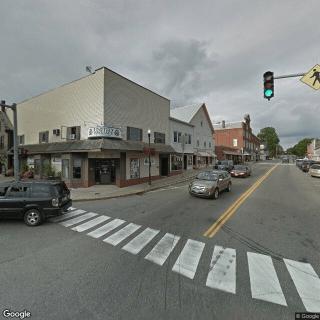
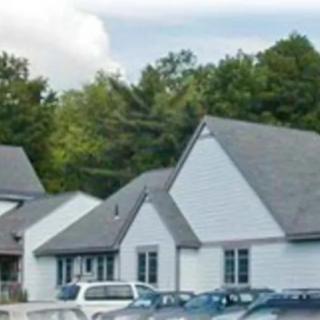
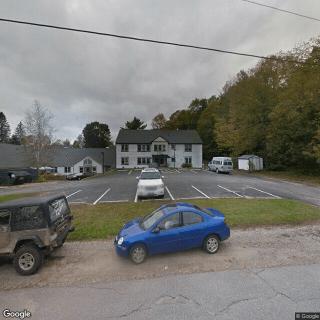
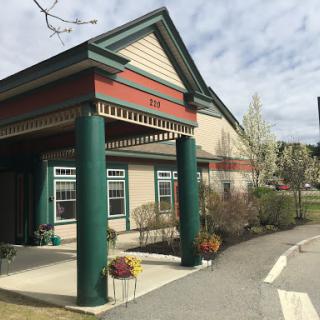
125 Davis Road, Farmington, ME 04938
For more information about senior living options: (866) 208-4318
Overall Review of Davis Road Group Home
Pros
 Groups saves lives.
- The staff at Groups go above and beyond for their clients.
- Groups gives people their lives back and makes recovery possible.
- The counselors, doctors, and staff are relatable and feel like family.
- The program is life-changing for those struggling with opioid addiction.
- The cooperative, supportive environment among the staff helps clients move forward with their lives.
Review
Davis Road Group Home in Farmington, ME is best suited for adults who want a residential recovery experience anchored by a stable, compassionate staff and a family-like, highly relational approach. It serves individuals pursuing opioid or substance-use recovery who respond well to daily structure, close-knit teams, and a culture that treats peers and staff as part of a caring recovery community. The review set points to a setting where counselors and doctors are accessible, care feels collaborative, and progress is measured by renewed purpose as much as by adherence. For families seeking concrete accountability, meaningful connections, and a pathway to reclaiming daily life, this community stands out.
That said, this option is not for everyone. Those seeking maximum privacy, greater personal autonomy, or a clinical detox-heavy environment may want alternatives. The group-home model emphasizes shared living and strong peer support, which can feel restrictive to individuals who crave more independence or who require specialized medical interventions beyond addiction treatment. People with complex medical needs or mental-health conditions that demand intensive on-site care may prefer larger, medically oriented facilities or outpatient programs. In short, candidates prioritizing independence or broader service lines may want to look elsewhere.
The programā€™s core strengths are unmistakable. Staff consistently go above and beyond, creating a culture that participants describe as a caring, family-like environment. Counselors and doctors are relatable and accessible, which lowers barriers to engagement and fosters honest participation. The group dynamic heightens accountability: participants witness progress in peers and feel supported to make tough, pivotal decisions. That blend of professional guidance, genuine connection, and a motivating peer network translates into tangible, life-changing outcomes for many residents, offering a credible path forward after challenging years.
Conversely, the same dynamics can feel limiting for some. Shared living spaces and a tightly woven daily routine reduce privacy and spontaneity, which can wear on those who crave autonomy. The emphasis on opioid recovery, while powerful, may not fully address co-occurring conditions or non-substance-use goals without additional supports. While the clinical gauge of credibility is high, certain individuals may prefer a setting with different treatment philosophies or broader service lines that extend beyond addiction recovery alone.
Still, the positives effectively offset these potential drawbacks for the right candidate. The care is not distant or impersonal; it is hands-on and relational, directly tying staff expertise to daily progress. The sense of belonging, staff and peers treated as a recovery family, creates durable motivation and a stabilizing rhythm that supports long-term change. When structure, accountability, and empathy align, the risk of relapse drops and the trajectory toward independence becomes attainable within a supportive framework. The stories of meaningful milestones, moving toward lower levels of medication, rebuilding daily routines, and reengaging in life, underscore this reality.
For families weighing this option, the question is whether the person responds best to a structured, community-centered recovery environment. Davis Road Group Home excels for those who value consistent staff relationships, strong peer accountability, and a practical, proven route to reclaiming daily life after addiction. Alternatives may be preferable for individuals seeking more privacy, greater autonomy, or services tailored to broader medical or mental-health needs. Before deciding, inquire about typical length of stay, level of medical oversight, detox and aftercare availability, housing arrangements, and how the program integrates co-occurring conditions. When the fit is right, this community offers a credible, effective path to durable recovery and renewed purpose.
 4 resident community capacity
 Assisted Living
 Cable or satellite TV
 Dining room
 Fully furnished
 Garden
 Housekeeping services
 Move-in coordination
 Outdoor space
 Telephone
 Wi-Fi/high-speed internet available
 24-hour supervision
 Activities of daily living assistance
 Assistance with bathing
 Assistance with dressing
 Assistance with transfers
 Diabetes diet
 Meal preparation and service
 Medication management
 Special dietary restrictions
 Transportation arrangement (medical)
 Transportation to doctors appointments


 Exploring the Path to Senior Living: A Comprehensive Look at Independent Living and Assisted Living
 Is Assisted Living Deductible on Your Taxes? Understanding the Complexities of Assisted Living Expenses and Deductions
 Assisted Living Support for Veterans: A Complete and Detailed Overview