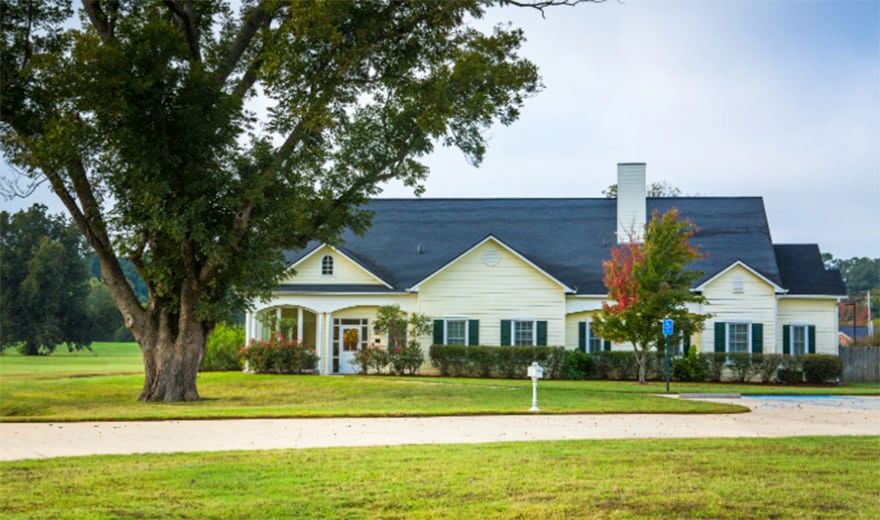


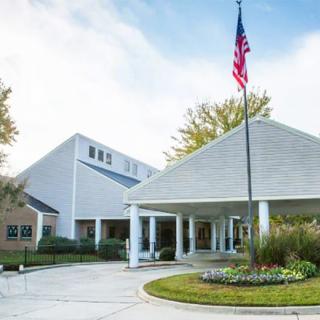
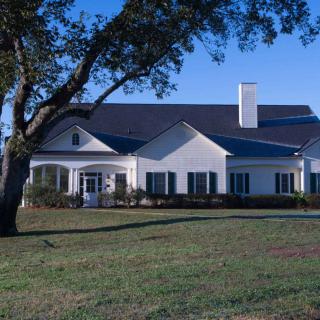




425 East Flournoy Lucas Road, Shreveport, LA 71115
For more information about senior living options: (866) 208-4318
Overall Review of Cottages at The Glen
Pros
 The father and stepmother are doing well at the Cottages at the Glen.
- The staff is loving and involved with the residents.
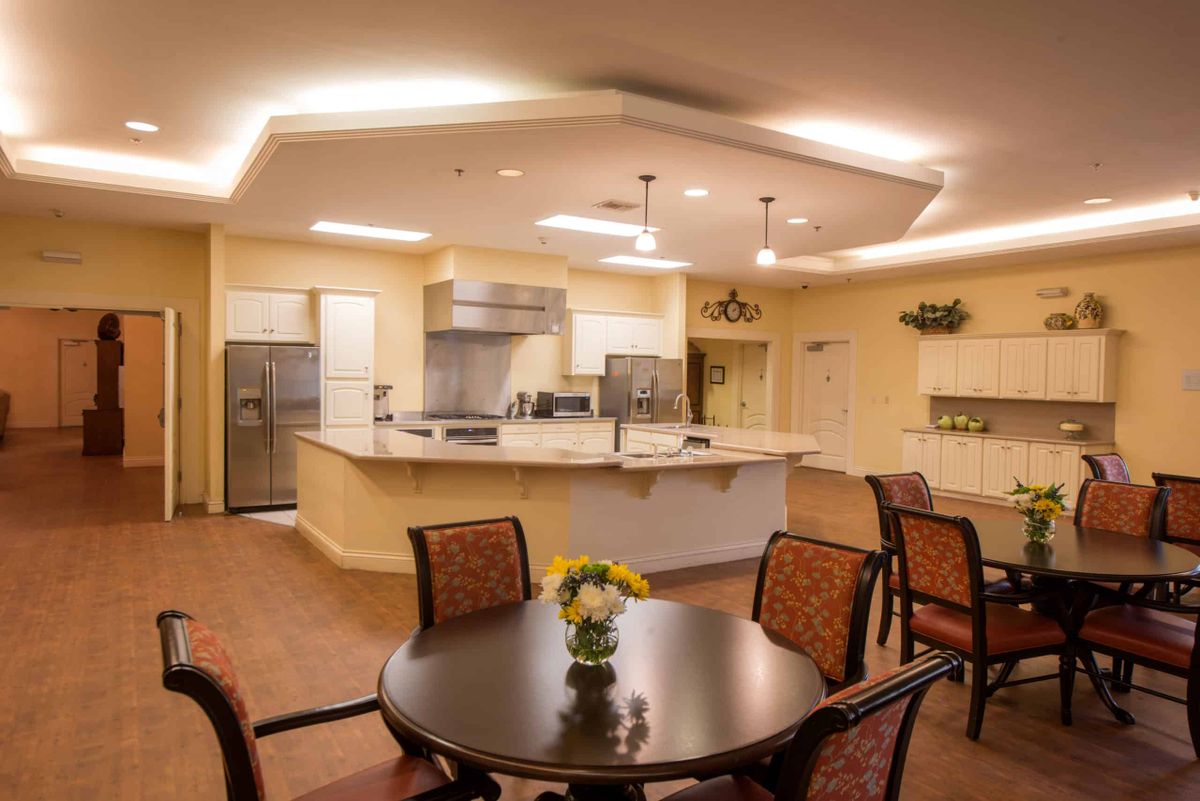
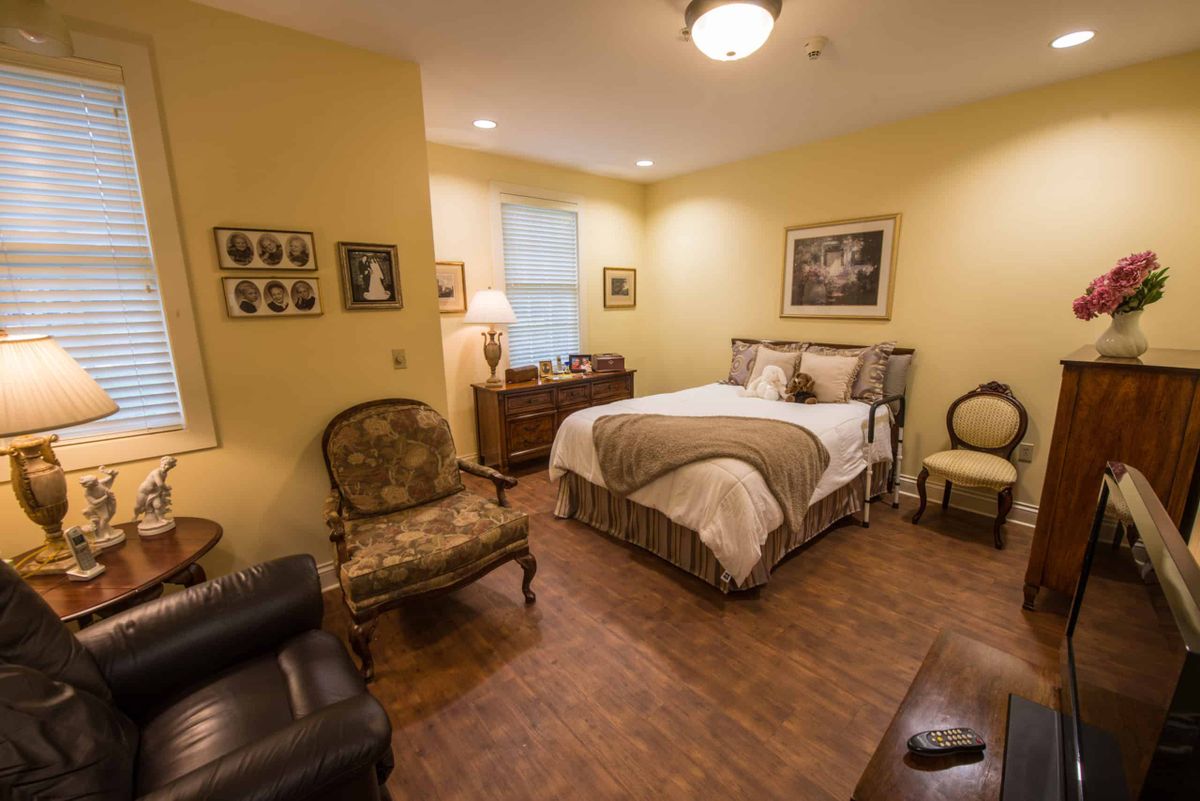
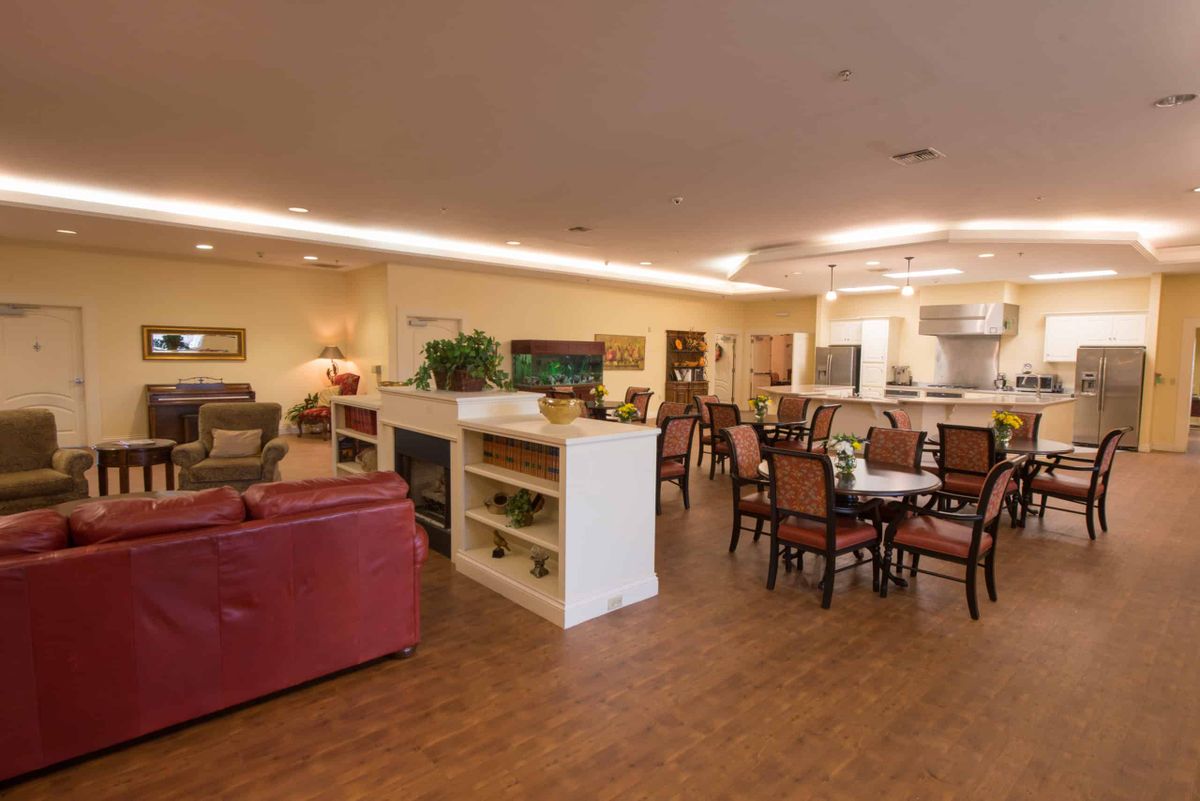
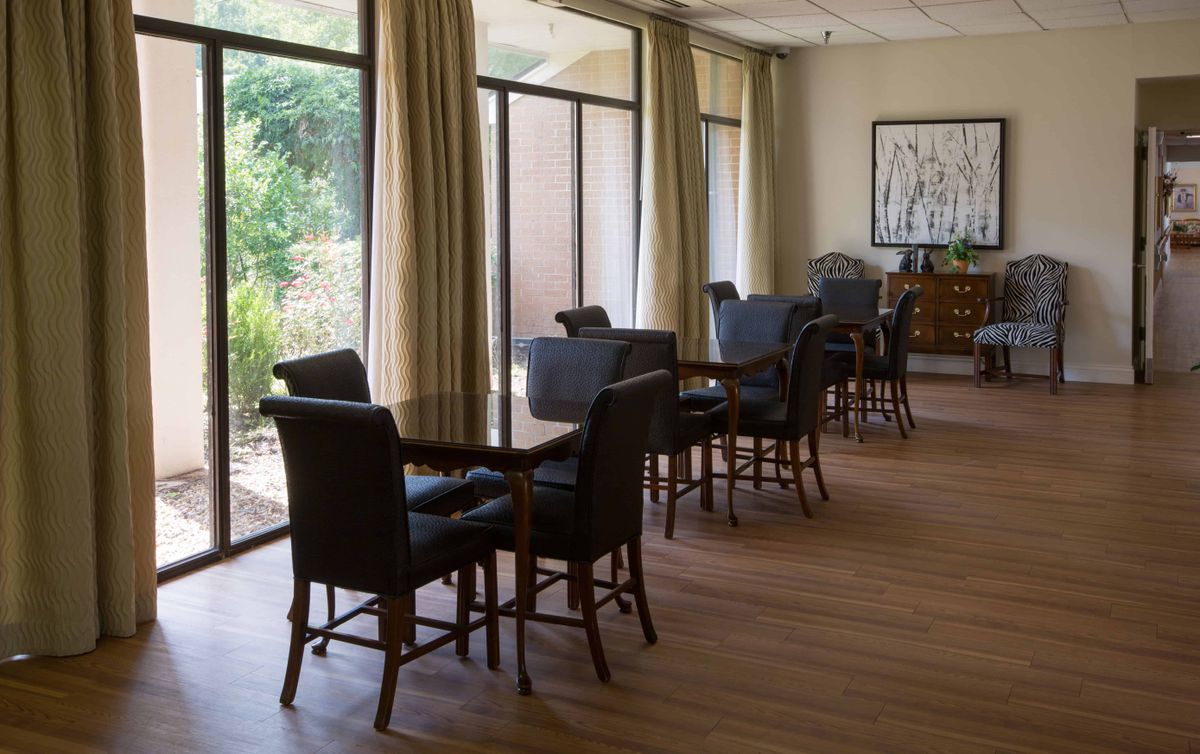
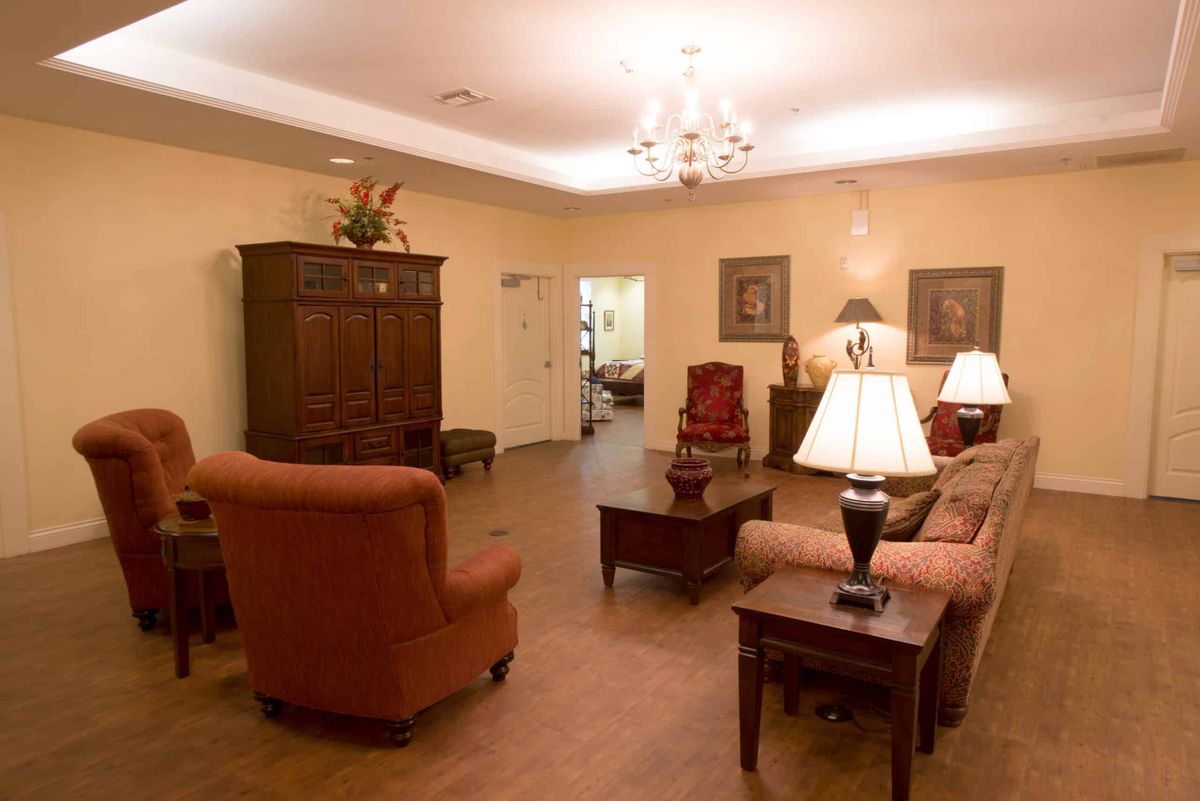
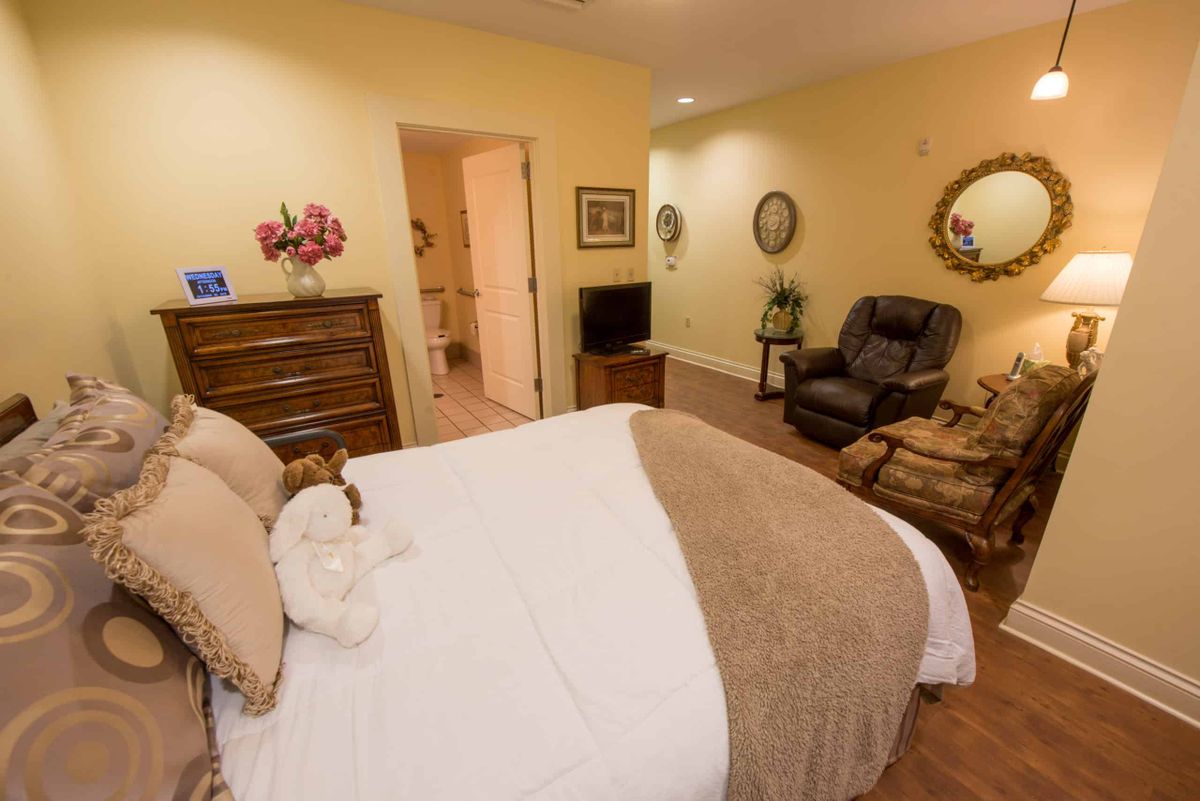
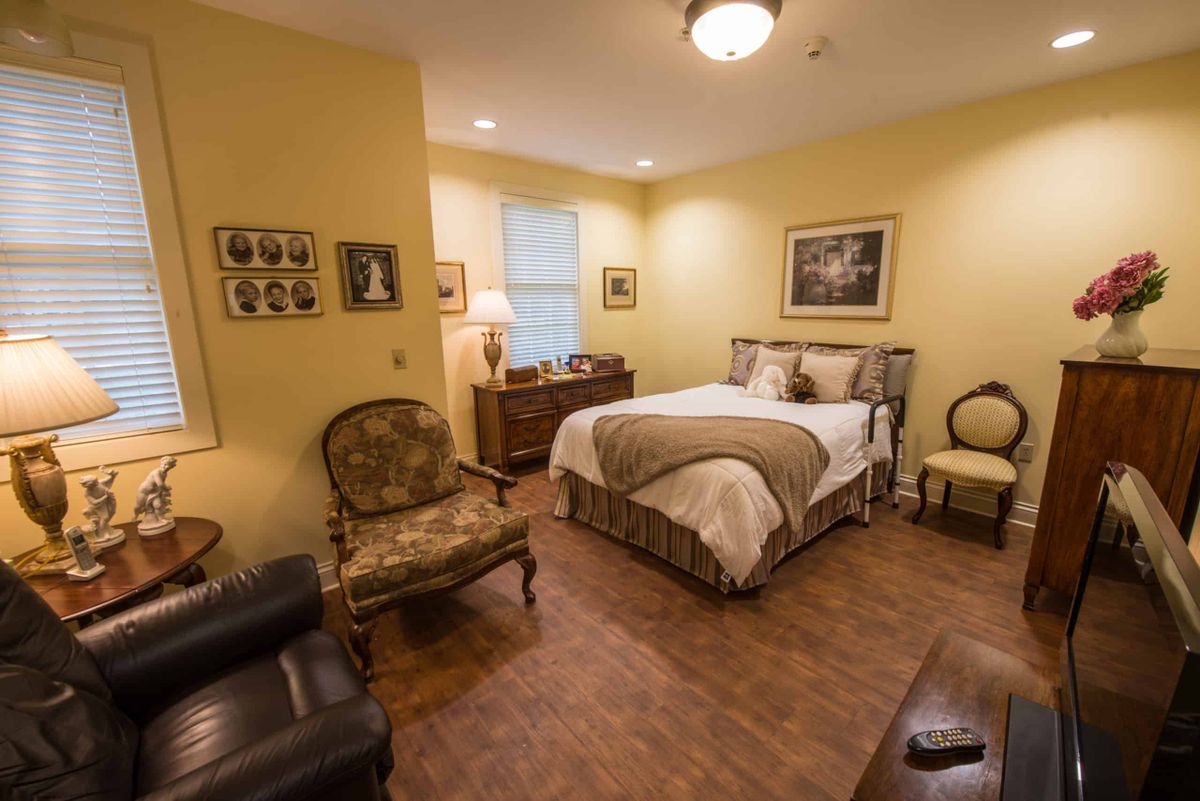
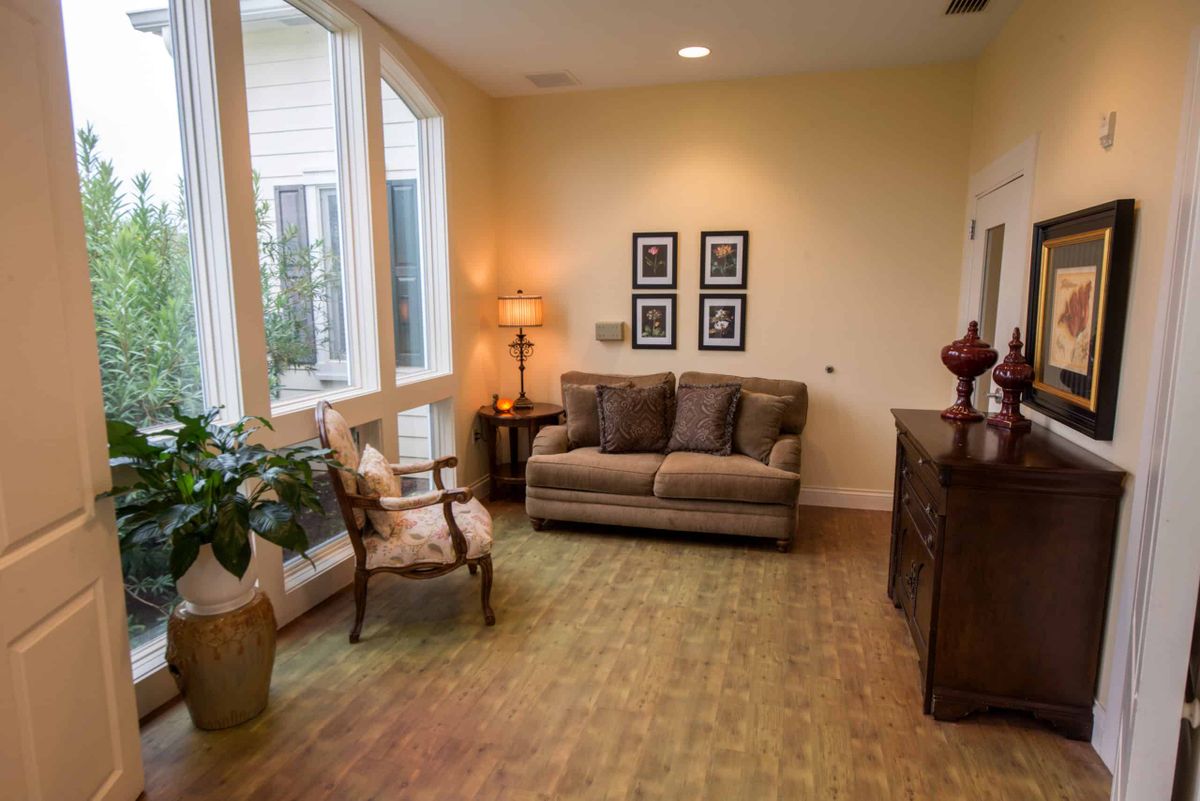
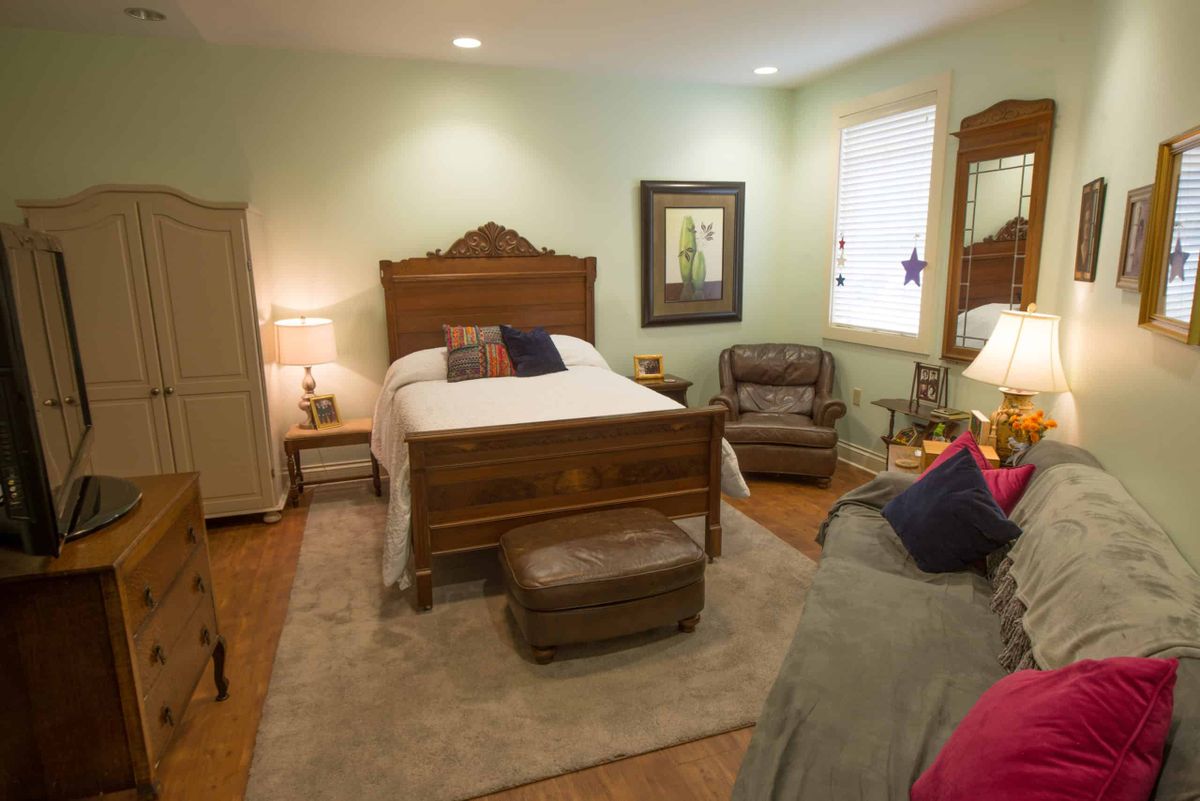
- The spaces are kept sparkling clean.
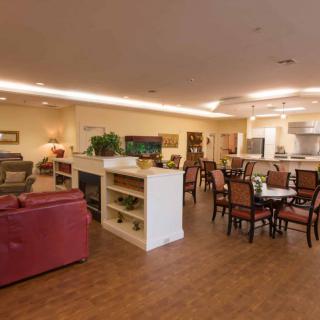
- The father and stepmother really love the food there.
- The staff treat each resident with love and dignity.
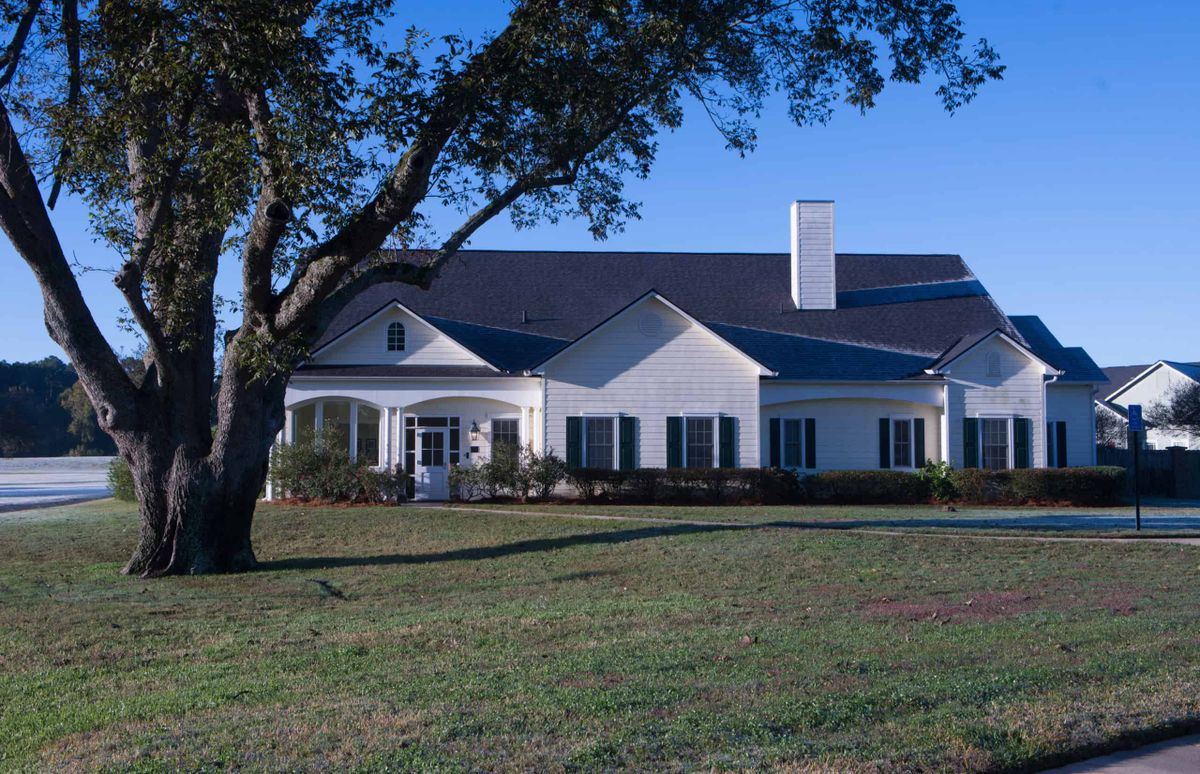
- Each cottage has only 15 residents, enabling amazing individualized care.
Cons
 The care quality was disappointing.
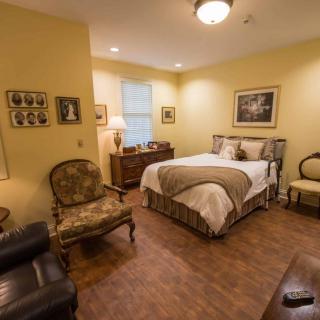
- His sheets, bedding, and linens were soiled for days.
- Ants were in his bed.
- The dinner served was described as kid-like fare (corn dog and a can of beans).
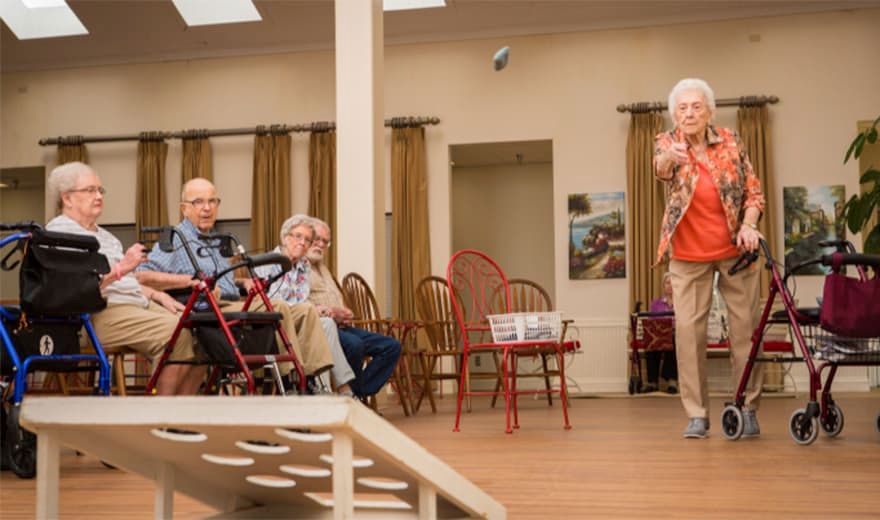
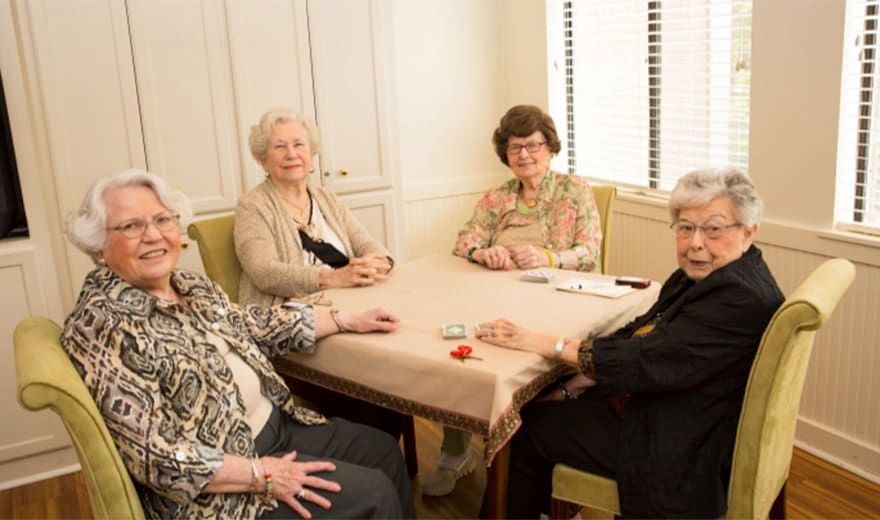
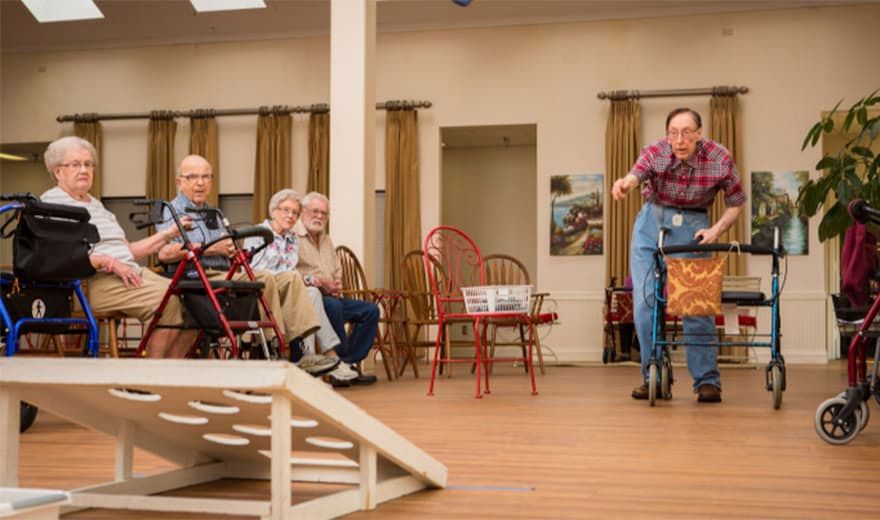
- There were no activities to engage the residents, with staff seemingly out-of-touch.
- The facility is not a 5-star and is run by temporary agency workers who can't keep full-time staff.
Review
This community is best suited for families seeking an intimate, dementia-friendly environment where personalized attention and a home-like atmosphere are prioritized. The Cottages at The Glen lends itself to memory-care needs because each cottage hosts a small group of residents (about 15 per cottage), which can translate into closer supervision, more nuanced daily routines, and a warmer, more dignified daily experience. It works well for residents who value cleanliness, reliable housekeeping, and solid meals, and for families that are prepared to participate in arranging activities and advocating when needed. For seniors who do not require memory-specific care but still want a closely watched, affectionately run setting, this can fit well, with caveats.
Those who may want to consider alternatives are precisely the ones facing higher medical needs or a desire for more consistent, structured programming and oversight. If a resident requires robust, round-the-clock clinical monitoring, predictable activity calendars, or a staff model built on stable, full-time caregivers rather than temporary agency workers, other options may serve better. Families should also flag concerns about staffing reliability and the potential for lapses in daily care, especially if a loved one has higher medical acuity or a tendency to benefit from scheduled, engaging activities rather than ad hoc arrangements.
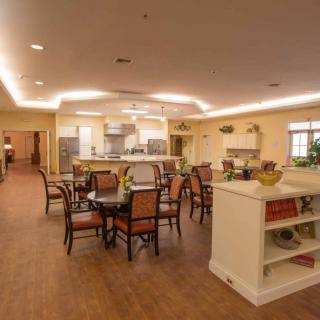
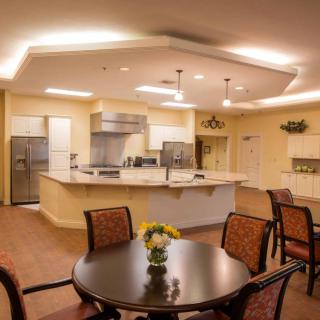
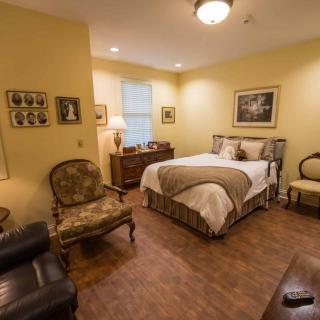
The strongest positives here sit with the staff’s warmth and the setting’s physical care. In favorable reports, staff are described as loving and involved, and spaces are kept sparkling clean, with residents praising the quality of the dining experience. The small-cottage format is repeatedly linked to meaningful, individualized care, particularly for dementia or memory-impaired residents, where staff can tailor routines and attention to each person. These elements create a sense of safety, dignity, and consistency that can significantly ease a family’s mind when memory challenges are a central concern.
However, the cons are not minor and cannot be dismissed. Several families report serious lapses in basic care and supervision: soiled sheets and even pests, meals that feel like something from a cafeteria rather than a nourishing, respectful menu, and a striking lack of organized activities beyond sporadic efforts. The perception that staff are “out” or overwhelmed, along with comments about reliance on family advocacy and a reliance on temporary agency workers, raises real concerns about reliability and continuity of care. For a resident who needs steady hands and proactive engagement, these gaps can erode trust and comfort over time.
Balancing the pros and cons points decisively toward a targeted profile: this community can deliver a high-quality, compassionate experience for memory-care residents who thrive on a small, attentive, dignified environment and who benefit from hands-on family involvement to supplement activities. The risk comes from inconsistent staffing and episodic care that can undermine daily routine and safety, especially for those with higher care needs or less resilient health conditions. Families should enter with a plan for how care will be monitored, who will coordinate schedules, and how issues will be escalated and resolved.
In practical terms, prospective families should tour with a sharp checklist and ask direct questions: what is the on-site clinical oversight model, and who covers nights and weekends? What is the actual staff-to-resident ratio, and how stable is the staff team? How are meals planned and adjusted for dietary restrictions, and how is cleanliness maintained across all common areas and private spaces? What structured activities exist beyond occasional entertainment, and how are residents matched with those activities? If memory care is the primary criterion, request concrete examples of individualized plans and witness a live interaction that demonstrates the level of dignity and attention claimed. If these criteria cannot be consistently met, alternatives, ranging from private in-home care to other assisted living providers with steadier staffing, should be pursued without hesitation.
 60 resident community capacity
 Assisted Living
 Independent Living
 Memory Care
 Skilled Nursing Facility
 Air-conditioning
 Beauty salon
 Cable or satellite TV
 Computer center
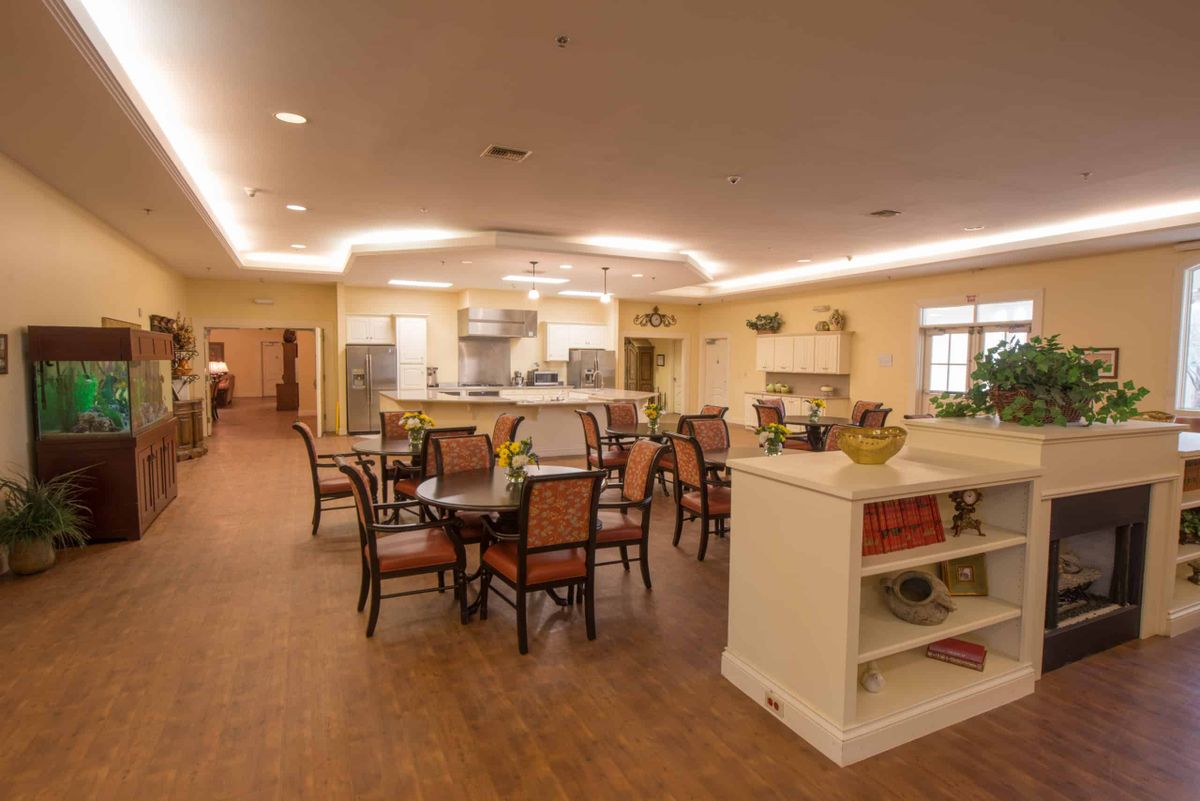
 Dining room
 Fitness room
 Fully furnished
 Gaming room
 Garden
 Housekeeping services
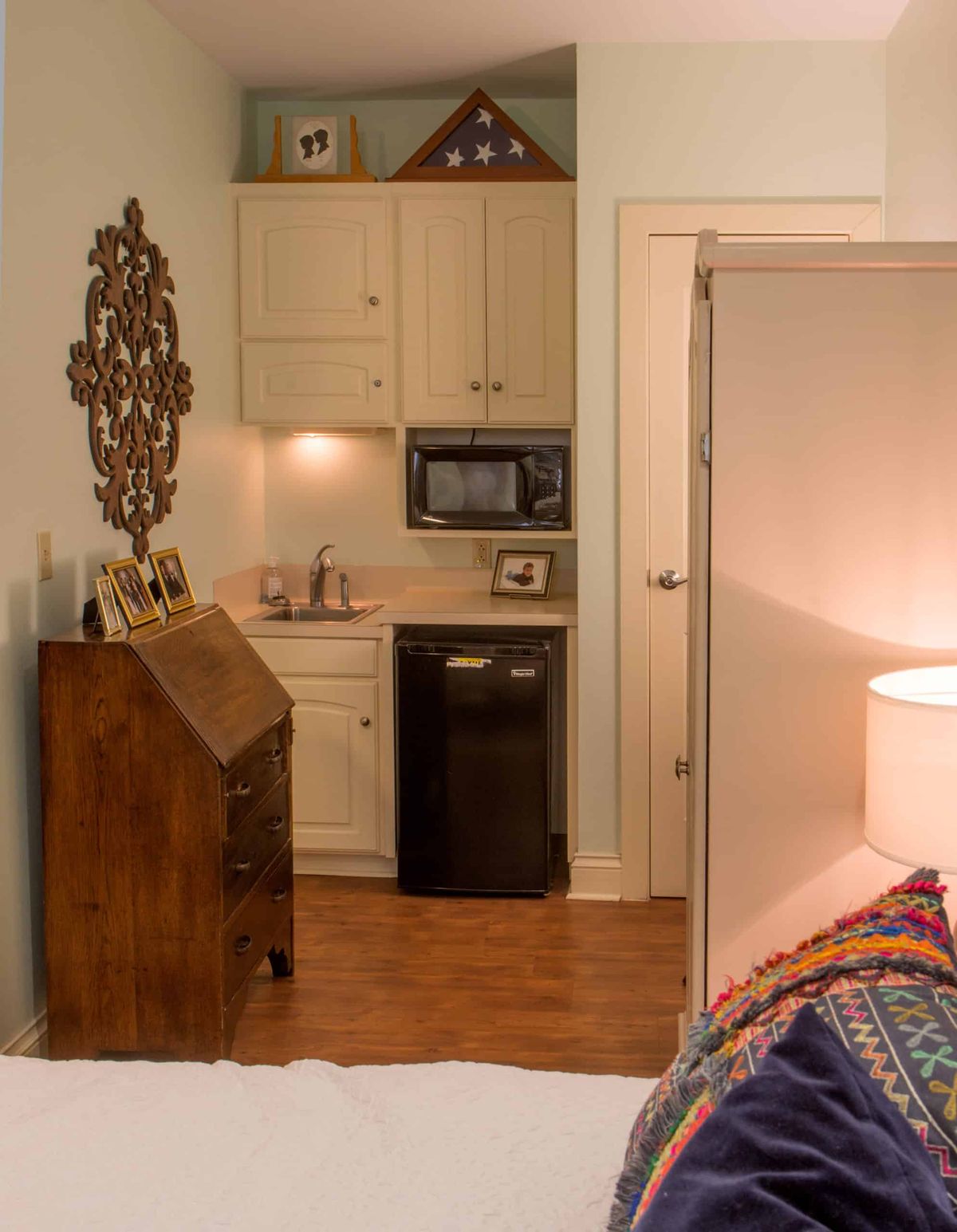
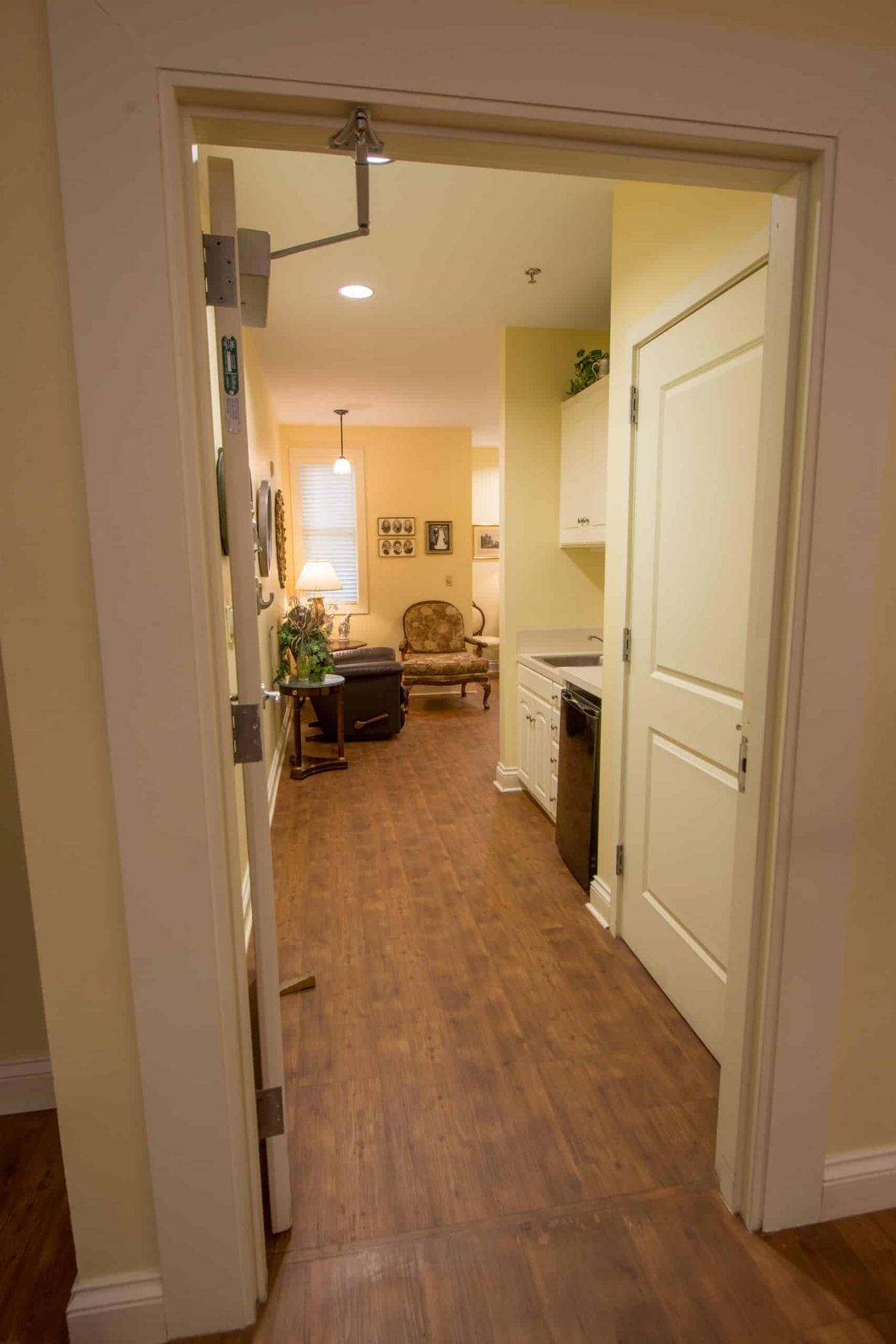
 Kitchenette
 Move-in coordination
 Outdoor space
 Private bathrooms
 Restaurant-style dining
 Small library
 Telephone
 Wellness center
 Wi-Fi/high-speed internet available
 Shreveport Regional (7 miles away)
 Community operated transportation
 24-hour call system
 Activities of daily living assistance
 Assistance with bathing
 Assistance with dressing
 Assistance with transfers
 Diabetes diet
 Medication management
 Mental wellness program
 Special dietary restrictions
 Concierge services
 Planned day trips







 Dementia Behaviors: In-Depth Understanding and Effective Coping Strategies
 5 Early Indicators of Dementia and What You Can Do
 8 Important Indicators That Memory Care May Be Necessary