
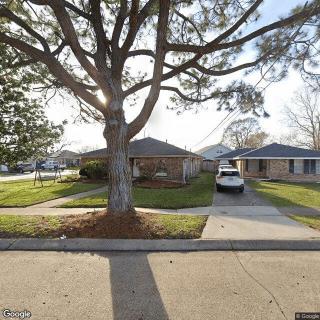
4012 Harvard Avenue, Metairie, LA 70006
For more information about senior living options: (866) 208-4318

Overall Review of Harvard House
Pros
 The Harvard House provides a homey environment where residents dine together, reducing isolation.
- The facility is very clean and offers private or semi-private rooms.
- The small-house setup allows staff to get to know each resident well, enabling personalized attention.
- The staff are helpful, provide outings, handle laundry, and offer companionship.
- The owner is upbeat and committed to running the home.
- The staff show consistency with low turnover, creating stable, caring relationships.
- The home feels like a personal residence rather than a large facility, with a warm, family-like atmosphere.
- Meals are home-cooked and prepared daily, not just reheated.
- Activities are tailored to residents’ interests, with staff engaging them in music, art, readings, and more.
- The care is compassionate and comprehensive, including 24/7 attention for residents with dementia.
Cons
 They didn’t know the level of care provided there.
- Covid restrictions limited activities and visitation, with only one family member allowed to visit and visitors wearing masks.
- It isn’t a separate memory-care facility, which could be seen as a drawback.
- One resident is described as anti-social and reluctant to leave her room.
Review
Harvard House in Metairie is best suited for seniors who want a truly intimate, home-like environment where caregivers know residents well and care feels personal rather than institutional. The small-house model creates a sense of family and daily belonging, with private or semi-private rooms and shared meals that reinforce group cohesion. Families repeatedly describe a calm, clean setting with consistent staffing, which translates into reliable daily routines and meaningful relationships between residents and caregivers. This environment is particularly attractive for individuals with memory concerns who benefit from close caregiver continuity and a level of oversight that never feels impersonal.
That intimacy, however, also narrows the field of alternatives that will compare favorably. Families weighing Harvard House against larger facilities should consider whether a broader campus, more structured activities, and a wider range of on-site services are priorities. For residents who require robust memory-care programming, a dedicated memory-care unit, or more intensive clinical oversight, a larger community may offer comfort through scale and resources. Those who crave a wider social calendar, frequent outings, or multi-disciplinary therapies may find that bigger settings deliver more variety, even if at a higher price point.
The strongest pros, homey atmosphere, staff familiarity, and consistent caregiving, work together to offset the principal drawbacks. The small size means staff can tailor daily routines to individual preferences, a factor families repeatedly highlight as a standout. Residents can receive attentive, 24/7 oversight without the impersonality that sometimes comes with larger campuses. Meals are described as home-cooked and thoughtfully prepared to meet dietary needs, with staff who know residents’ tastes and routines. Importantly, the ownership and management are highly accessible, and staff turnover appears low, which reinforces trust for families navigating dementia care or complex needs.
That said, the main cons are worth weighing carefully. The limited number of residents and the absence of a dedicated memory-care wing can constrain the level of specialized programming and the ability to rapidly scale care for high-acuity situations. Availability of vacancies can fluctuate, and the small footprint means there are fewer on-site amenities and activities than larger communities. For families seeking the breadth of clinical services, on-site therapies, or a formal dementia-care environment, Harvard House may feel less comprehensive. The upside remains rooted in individualized attention, but the trade-off is a more modest, tightly focused set of offerings.
When evaluating whether Harvard House offsets its constraints, the decisive factors are trust, continuity, and alignment with personal care values. Families report a strong sense of reassurance from seeing the same compassionate staff over years, and from knowing who will be with their loved one each day. The owner’s hands-on involvement, addressing concerns promptly and maintaining high standards of cleanliness and presentation, supports a stable, predictable caregiving dynamic. The ability to meet the caregiving team, observe interactions, and participate in the daily rhythms of meals and activities gives families practical confidence that their loved one will remain engaged and supported in a familiar setting.
For decision-making families, Harvard House represents a compelling choice when the priority is an intimate, home-like approach to assisted living that emphasizes personal connections over sheer scale. It is especially well-suited for seniors whose needs sit comfortably within a small-team model and who value consistent, attentive care, regular family involvement, and flexible, individualized programming. Those who require expansive social programming, a broad menu of clinical services, or a formal memory-care infrastructure should consider alternatives with larger staffs and more specialized facilities. A candid visit, talking directly with Peggy and meeting the caregiving team, will reveal whether the fit aligns with medical needs, budget, and the desired level of caregiver intimacy.
 8 resident community capacity
 Assisted Living
 Cable or satellite TV
 Dining room
 Fully furnished
 Garden
 Housekeeping services
 Move-in coordination
 Outdoor space
 Respite or short term stays offered
 Telephone
 Wi-Fi/high-speed internet available
 New Orleans International (4 miles away)
 24-hour supervision
 Activities of daily living assistance
 Assistance with bathing
 Assistance with dressing
 Assistance with transfers
 Diabetes diet
 Meal preparation and service
 Medication management
 Special dietary restrictions
 Transportation arrangement (medical)
 Transportation to doctors appointments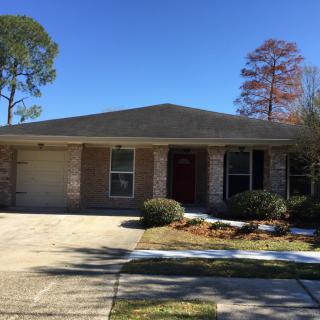







 Assisted Living Support for Veterans: A Complete and Detailed Overview
 Exploring the Contrasts Between Assisted Living and Skilled Nursing
 8 Key Indicators That Suggest It May Be Time to Transition from Assisted Living to Skilled Nursing Care