

3500 North Causeway Boulevard, Metairie, LA 70002
To contact a resident: (504) 838-9072
For more information about senior living options: (866) 208-4318
Carelink Home Care Costs & Pricing
Carelink Home Care offers competitive pricing for its accommodations compared to the broader market in Jefferson Parish and across Louisiana. For a studio, Carelink charges $1,760 per month, significantly lower than the parish average of $4,083 and the state average of $3,235. The one-bedroom option at Carelink is priced at $2,220, which again stands in stark contrast to the local cost of $4,105 and the statewide figure of $3,413. Even for two-bedroom units, Carelink remains affordable at $2,700 compared to Jefferson Parish's average of $3,459 and Louisiana's average of $3,878. This pricing structure reflects Carelink's commitment to providing quality care options that are accessible without compromising on value.
| Floor plans | Carelink Home Care | Jefferson Parish | Louisiana |
|---|---|---|---|
| Studio | $1,760 | $4,083 | $3,235 |
| 1 Bedroom | $2,220 | $4,105 | $3,413 |
| 2 Bedrooms | $2,700 | $3,459 | $3,878 |
Senior living communities with a similar price nearby
-
from +$225 / mo

Serenity Senior Residence
$1,985 to $4,000 / month1.2 miles away -
from -$260 / mo

The Village at St. Bernard
$1,500 to $1,800 / month20.4 miles away -
from +$254 / mo

Pratt Stanton Manor
$2,014 to $3,254 / month7.0 miles away -
from +$140 / mo

HomeLife In The Gardens
$1,900 to $5,500 / month7.3 miles away -
from -$186 / mo
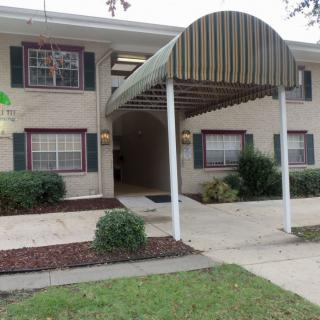
Lafreniere Assisted Living and Memory Care
$1,574 to $2,536 / month3.4 miles away
Overall Review of Carelink Home Care
Pros
 PSA is definitely better.
- They try to accommodate every patient’s needs.
Cons
 They are very unprofessional, with poor communication, limited customer service, and a lack of follow-through on appointments.
- They put other jobs first and require clients to work around their schedule; they are never on time.
- They are untrustworthy; customers would not use them again.
- They had trouble with a nurse and did not provide an incident report, leaving issues unresolved.
- They still have not picked up their binder for the daughter for over a year.
- They fail to follow up or return calls after inquiries.
Review
Carelink Home Care in Metairie is best suited for families with very light in-home support needs who can tolerate unpredictable visit times, limited follow-through, and a high degree of caregiver self-management. This provider makes sense for clients who can absorb delays without compromising safety, who are comfortable chasing follow-ups, and who do not require prompt problem resolution or formal documentation on every incident. The feedback paints a clear picture: reliability and proactive communication are not strengths, and expectations should be calibrated accordingly. For households where a stable, on-time nursing presence is nonnegotiable, this agency would be a poor fit. The reality is that accountability appears thin, and care coordination occurs in fits and starts, leaving families to fill gaps rather than rely on the agency to close them.
Anyone who must rely on a consistent nurse for medical tasks, timely accident reporting, or responsive escalation should consider alternatives. The reviews repeatedly highlight unprofessionalism, missed appointments, and a reluctance to complete essential administrative tasks. The absence of timely follow-through on routine duties, such as incident reporting or medical procedures, creates safety risk that families can't ignore. In at least one case, a binder containing critical information remained unreturned for a year, underscoring a systemic neglect of records and accountability. The takeaway is blunt: if the care plan demands dependable nursing, thorough documentation, and reliable care-coordination, this agency should be crossed off the shortlist. A stronger option will be found elsewhere, with better track records of responsiveness and accuracy.
From a practical standpoint, the few apparent 'pros' do not compensate for the core failings. There is no evidence of consistent on-site professionalism, but there are fragments of flexibility, such as suggesting alternative meeting arrangements, that barely mitigate the risk of missed critical tasks. The pattern of poor communication and lack of follow-through is pervasive: appointments not kept, calls not returned, and critical care tasks left undone or unresolved. When a family relies on monthly heparinization for a Port-a-Cath, delays and unreturned messages are not minor annoyances but potential medical hazards. The practical reality is that any perceived convenience is overshadowed by the ongoing, unaddressed gaps in accountability and service delivery.
Safety and continuity of care suffer with this level of inconsistency. The inconsistent nurse availability means essential tasks, like flushing a portacath or maintaining a care plan, are left unmet for extended periods. The failure to provide required incident reports or to recall and correct errors compounds risk for patients and families already managing complex conditions at home. Moreover, the absence of a reliable point of contact creates a policy vacuum: who owns the care plan, who resolves scheduling conflicts, and who stands behind care decisions? Such gaps turn everyday routine into a source of anxiety, and they are not offset by any notable strengths in customer service.
Families weighing options should clearly compare with more accountable providers. The most effective approach is to request a concrete service-level agreement, including guaranteed visit windows, prompt incident reporting, and a defined escalation path. Require written confirmation of nurse credentials, backup coverage plans, and a commitment to timely communication regardless of workload. Given the reviews, it is prudent to explore alternatives like PSA Healthcare or other established home-care agencies with documented histories of on-time visits, clean incident handling, and professional conduct. A trial period with a tight feedback loop can reveal whether any small improvements are real or simply surface-level. In the current landscape, the prudent choice is to prioritize reliability, traceable outcomes, and a clear accountability framework.
Bottom line: this community is a fit only for households that can absorb considerable churn in scheduling and limited responsiveness, and that are prepared to supervise and supplement care actively. For any family that cannot tolerate ongoing gaps in communication or medical tasks, alternatives should be pursued aggressively. Before selecting Carelink, demand a robust commitment to timeliness, proper documentation, and patient safety, and be ready to walk away if those commitments are not verifiable in writing. The contrast with more reliable providers is stark: dependable scheduling, rapid incident handling, and professional behavior are not optional extras but baseline expectations. When such expectations exist, the choice becomes clear: seek a partner who can deliver consistently, or face mounting frustration and risk.
 New Orleans International (6 miles away)






 Ten Vital Duties of a Senior Caregiver: A Comprehensive Guide
 9 Stimulating Memory Activities for Seniors: Puzzles, Cards, and Much More
 Managing Nursing Home Expenses After Medicare Coverage Ends