At Seniorcare Homes Nantucket House, the cost of a studio room is $6,525 per month, which reflects the premium quality of care and services provided in this specialized facility. In comparison, the average costs for similar accommodations in Johnson County are notably lower, with prices around $4,549 per month. Similarly, across the state of Kansas, the average monthly rate for studio units stands at about $4,094. The higher costs at Nantucket House can be attributed to its unique offerings and enhanced level of care tailored for seniors, which may provide greater peace of mind for families seeking comprehensive support for their loved ones.
Floor plans
Seniorcare Homes Nantucket House
Johnson County
Kansas
Studio
$6,525
$4,549
$4,094
Memory care communities with a similar price nearby
Overall Review of Seniorcare Homes Nantucket House
differentiator26 reviews mention this
Memory care feels home-like
Residents’ families repeatedly describe a small, home-like setting rather than an institution.
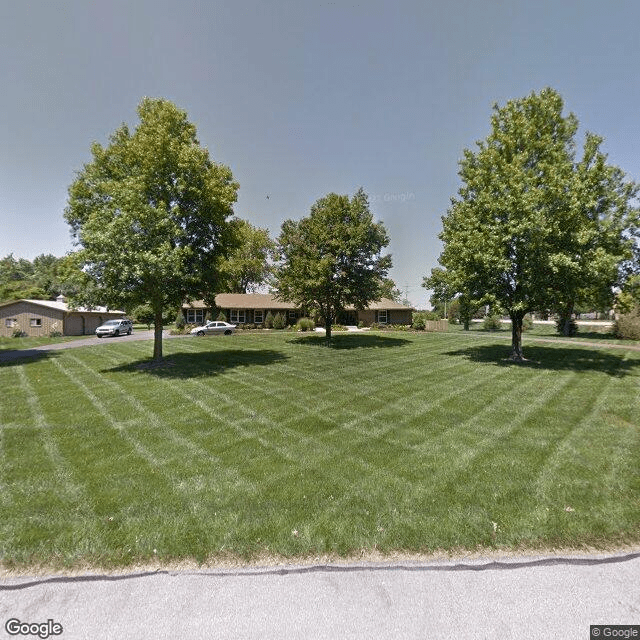
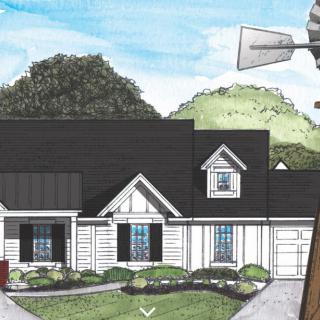
Many reviews emphasize how the houses feel like a regular home, with family-style living and familiar routines. Families mention residents can socialize or keep privacy, and that the environment helps reduce agitation and wandering. Several reviewers also point to the residential neighborhood feel and the way daily life revolves around shared spaces and comfort.
common32 reviews mention this
Care is described as attentive
Reviews consistently describe attentive, compassionate caregivers who follow the care plan.
Across reviews, families highlight frequent reassurance, kindness, and follow-through on individual needs. Multiple reviewers mention nursing leadership and staff being responsive when problems come up, including guidance, communication, and oversight. Several also note that caregivers treat residents with dignity and focus on day-to-day support rather than a task-only approach.
common12 reviews mention this
Meals and dietary needs matter
Meals are repeatedly described as home-cooked and supportive of specific dietary needs.
Families describe fresh, home-cooked meals and snacks as part of what makes day-to-day life feel comfortable. Several mention enjoying dining at the same table and around-the-home dining setup. The community also offers meals and special diet options such as vegetarian meals and diabetes diet support.
common14 reviews mention this
Outdoor space and cleanliness stand out
Reviews highlight a well-kept home, plus outdoor spaces residents can enjoy.
Many reviewers say the homes are kept very clean and well maintained, inside and out. Outdoor areas—such as yards, gardens, and walking space—are also described as places residents spend time, including for pleasant day-to-day moments. Some families connect the cleanliness and landscaping to a more comfortable, non-institutional feel.
How we summarize
Counts show how many written reviews mention each theme; a review can touch several themes, and only frequently mentioned themes are displayed.
Features
Housing
10 resident community capacity
Types of Care
Assisted Living
Board and Care Home
Memory Care
Amenities
Activities off-site
Activities on-site
Beautician on-site
Cable or satellite TV
Devotional services off-site
Devotional services on-site
Dining room
Fully furnished
Garden
Housekeeping services
Indoor common areas
Move-in coordination
Outdoor common areas
Outdoor space
Private bathrooms
Telephone
Wi-Fi/high-speed internet available
Care Services
24-hour supervision
Activities of daily living assistance
Ambulatory care
Assistance with bathing
Assistance with dressing
Assistance with transfers
Coordination with health care providers
Diabetes diet
Diabetic care
High acuity care
Meal preparation and service
Medication management
Special dietary restrictions
Transportation arrangement (medical)
Transportation to doctors appointments
Dining
Diabetes diet
Kosher
Meals provided
Special dietary restrictions
Vegetarian
Activities
Activities off-site
Activities on-site
Community-sponsored activities
Devotional activities offsite
Devotional activities on-site
Scheduled daily activities
Nearby Places of Interest
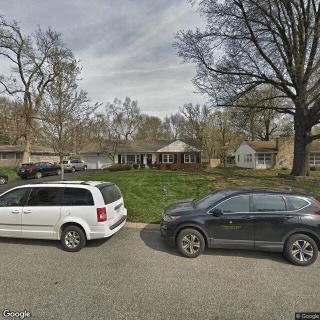
This part of Overland Park, Kansas offers a variety of amenities that cater to senior residents. With several pharmacies conveniently located within a few miles, accessing medication and healthcare supplies is easily manageable. There are also numerous restaurants nearby, providing options for dining out or takeout. The presence of medical facilities such as physician offices and hospitals ensures that seniors have access to quality healthcare services in the vicinity. Additionally, the abundance of cafes offers opportunities for socializing and enjoying a cup of coffee with friends or family. Nearby parks provide outdoor recreational options for leisurely walks or peaceful moments in nature. Overall, this neighborhood provides a well-rounded environment with essential services and entertainment options, making it a desirable location for seniors looking to settle in Overland Park.
Pharmacies
Walgreens (0.5 miles)
Cosentino's Market (1.2 miles)
Price Chopper Pharmacy (1.3 miles)
CVS Pharmacy (1.4 miles)
Walgreens (1.9 miles)
Hen House (2.7 miles)
CVS Pharmacy (2.8 miles)
Restaurants
Sonic Drive-In (0.5 miles)
Taco Bell (0.7 miles)
Red Door Woodfired Grill (1.1 miles)
Cactus Grill (1.2 miles)
Jose Pepper's (1.7 miles)
Sonic Drive-In (2.1 miles)
Culver's (2.2 miles)
Physicians
College Park Family Care Center of Stanley (1.6 miles)
Diagnostic Imaging Centers (4.8 miles)
Kansas City Allergy & Asthma Associates, P.A. (5 miles)
KC Endocrinology & Diabetes (5.2 miles)
College Park Family Care - Murlen (5.4 miles)
Discover Vision Centers in Leawood, Kansas (5.4 miles)
At Seniorcare Homes Nantucket House, the cost of a studio room is $6,525 per month, which reflects the premium quality of care and services provided in this specialized facility. In comparison, the average costs for similar accommodations in Johnson County are notably lower, with prices around $4,549 per month. Similarly, across the state of Kansas, the average monthly rate for studio units stands at about $4,094. The higher costs at Nantucket House can be attributed to its unique offerings and enhanced level of care tailored for seniors, which may provide greater peace of mind for families seeking comprehensive support for their loved ones.
Seniorcare Homes Nantucket House's comprehensive support services are designed to enhance the quality of life for residents with dementia or Alzheimer's disease by addressing their unique needs. Assistance with dressing and bathing helps maintain dignity and personal hygiene, while medication management ensures that residents receive their prescriptions accurately, reducing the risks of confusion or missed doses. Thoughtful meal preparation and service cater to nutritional requirements, fostering both physical health and comfort. By arranging transportation for medical appointments, residents can access essential care without added stress. Coordination with healthcare providers guarantees seamless communication about each resident's health status, promoting consistent and personalized care. Activities of daily living assistance enables residents to engage meaningfully in their routines, sustaining independence whenever possible. The provision of assistance with transfers enhances mobility and safety, while 24-hour supervision provides peace of mind for both residents and their families, ensuring a secure environment where individuals can thrive despite cognitive challenges.
Nearby Communities
Prairie Elder Homes
Overland Park, KS
4 from 4 reviews
$6,700 / month
Small, homelike setting with individualized care and animal interactions.
Vintage Park at Stanley
Overland Park, KS
4.8 from 35 reviews
$4,120 / month
Friendly staff, clean, well-maintained facility with engaging activities.
Prairie Elder Care
Overland Park, KS
Comprehensive memory care with 24/7 supervision and dementia-focused programming.
Prairie Elder Homes Harmony House
Overland Park, KS
Small, intimate 8-bed community with personalized attention and comprehensive services (ADL support, medication management, healthcare coordination).
The Prairie Elder Homes
Overland Park, KS
3.7 from 12 reviews
Small, intimate community with personalized care and essential amenities.
The Prairie Farmstead East
Overland Park, KS
3.7 from 12 reviews
Intimate, well-equipped assisted living with comprehensive care.
Tallgrass Creek
Overland Park, KS
4 from 118 reviews
Resort-like community with extensive on-site amenities (indoor pool, gym, multiple dining rooms) and on-site care options.
The Fairways of Ironhorse
Leawood, KS
4.6 from 19 reviews
$3,460 to $4,810 / month
High-quality amenities with attentive, supportive management.
The Healthcare Resort Of Leawood
Leawood, KS
3.9 from 88 reviews
Luxurious assisted living with restaurant-style dining, on-site amenities (beauty salon, fitness room, garden) and comprehensive care.
Reminiscence therapy is a structured method for older adults, especially those with dementia, to share life stories using prompts and sensory cues, fostering emotional well-being, social engagement, and self-identity. It aims to improve quality of life by enhancing interpersonal connections and cognitive stimulation while requiring careful facilitation to avoid distressing memories.
Dementia, particularly Lewy body dementia, often involves hallucinations that can significantly distress both patients and caregivers due to disruptions in sensory processing and neurotransmitter imbalances. Effective management includes compassionate communication, environmental adjustments, and a multidisciplinary approach to care while addressing the emotional needs of caregivers.
Alzheimer’s disease is a progressive neurological disorder that significantly impacts memory and cognitive functions, accounting for 60-80% of dementia cases, with early diagnosis being crucial yet challenging. It involves brain changes like beta-amyloid plaques and tau tangles, influenced by genetic and lifestyle factors, and while there is no cure, symptom management and support for caregivers are essential.
Get PricingAsk A QuestionSchedule A TourContact Senior Advisor
By clicking submit, you agree to our Partner's Terms of Use. You
also consent to receive calls and texts, which may be autodialed, from our Partner. Your consent is not a condition to
using our Partner's service. Please visit our Partner's Privacy Policy for information about their privacy practices.


 10 resident community capacity
 Assisted Living
 Board and Care Home
 Memory Care
 Activities off-site
 Beautician on-site
 Cable or satellite TV
 Devotional services off-site
 Dining room
 Fully furnished
 Garden
 Housekeeping services
 Indoor common areas
 Move-in coordination
 Outdoor common areas
 Private bathrooms
 Telephone
 Wi-Fi/high-speed internet available
 24-hour supervision
 Ambulatory care
 Assistance with bathing
 Assistance with dressing
 Assistance with transfers
 Diabetes diet
 Diabetic care
 High acuity care
 Meal preparation and service
 Medication management
 Special dietary restrictions
 Transportation arrangement (medical)
 Transportation to doctors appointments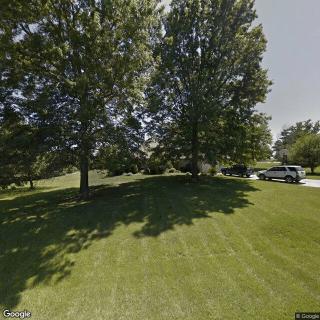
 Small, homelike setting with individualized care and animal interactions.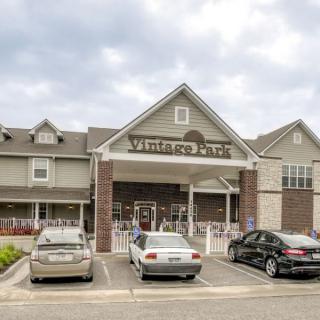

 An In-Depth Look at Reminiscence Therapy in Dementia Care
 Dementia-Related Hallucinations: Causes, Experiences, and Practical Approaches
 Illuminating Insights About Alzheimer's Disease: Ten Crucial Realities