
15354 Quivira, Overland Park, KS 66223
For more information about senior living options: (866) 208-4318
Overall Review of The Prairie Elder Homes
Pros
 Prairie Elder Care is a wonderful place unlike any other.
- The Farmstead creates a genuine feeling of being at home as soon as someone walks through the doors.
- The staff provide exceptional care, and families are consistently impressed by the high level of care.
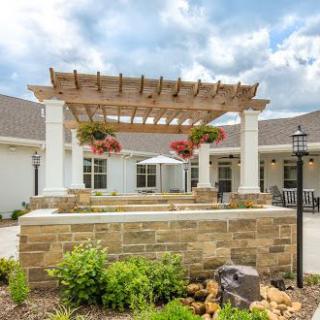
- The environment is bright, homey, and welcoming, making residents feel like family.
- The farm setting offers engaging activities with animals, gardens, and outdoor spaces.
- The caregivers are thoughtful, positive, and well trained in dementia care.
- Families trust that their loved ones are safe and well cared for.
Cons
 Prairie Elder Care appears to be severely understaffed.
- The facility was described as dirty and smelling unpleasant, not meeting residents' needs.
- Meals were not fit to residents' needs.
- The staff were described as indifferent and uncaring, with neglect reported.
- PEC Farm East's environment deteriorated into a negative one, with staff ignoring residents, raising their voices, and sometimes not wearing masks.
- One reviewer described the place as a total joke on all levels.
- Residents were left with excessive passive entertainment, spending long hours watching television due to staffing shortages.
Review
The Prairie Elder Homes Farmstead in Overland Park is best suited for families seeking a deliberately small, home-like memory-care environment where caregivers know residents well, and where a farm setting provides real daily stimulation. This community shines for residents who benefit from hands-on engagement, animal visits, gardening, and porch-time social interaction, all within a intimate footprint that feels like a familial, extended home. It is especially appealing to families prioritizing a warm, personal atmosphere over large, hospital-style campuses. Those who want high-volume programming, aggressive safety surveillance, or a clinical, highly structured environment may want to consider alternatives.
The core strengths come from a genuine, day-to-day sense of care and connection. Families repeatedly describe a staff team that is warm, engaged, and deeply invested in a resident’s well-being, with care that feels personal rather than procedural. The Farmstead’s identity as a farming-turned-living space translates into meaningful activities, animal encounters, garden chores, barn-based programs, and outdoor time, that keep residents active and socially connected. Residents with dementia or memory-care needs often respond to this environment because staff collaborate with families, coordinate with physicians, and tailor routines so daily life remains predictable yet stimulating. In short, the combination of a bright, cheerful setting and attentive caregivers creates a recognizable, home-forward experience that many families say is unmatched elsewhere.
Another persuasive advantage is the small-scale, highly intimate dynamic. One of the most frequently cited positives is the eight-resident model, which allows staff to know histories, preferences, and triggers with unusual depth. The on-site kitchen culture, where residents may participate in meal prep and meal service, reinforces dignity and autonomy while preserving familiar routines. The farm setting, with goats, chickens, and garden space, offers ongoing opportunities for residents to observe, interact, and contribute, rather than passively consume activities. Families report that this approach yields a palpable sense of belonging; residents appear more content, and families feel supported by a community that treats caregiving as a shared mission rather than a chore.
However, serious concerns emerge when considering risk alongside reward. The most troubling threads in the feedback involve safety and staffing consistency. Multiple reviews flag understaffing and uneven engagement, with accounts of residents spending long periods in front of televisions rather than receiving purposeful interaction. A notable incident described a safety lapse that led to a significant injury, underscoring how staffing gaps can translate into real-world risks for vulnerable residents. Additional reports describe fluctuations in quality tied to staff turnover, with some families noting declines in attentiveness and cleanliness after changes in personnel. These threads point to a reliability issue: the very factors that make the setting intimate can also magnify vulnerabilities if staffing or supervision wavers.
In weighing pros against cons, the Farmstead’s advantages clearly serve a niche audience, but do not erase risk for all residents. For memory-care residents who thrive on routine, personal attention, and sensory-rich, farm-forward programming, the positives can far outweigh the negatives, when staffing levels hold and safety protocols remain consistently enforced. In contrast, for families seeking predictable, 24/7 medical oversight, rapid response, or a broader menu of clinical services, these trade-offs may be too great. The contrast between the overwhelmingly favorable recollections of warmth, companionship, and meaningful activity and the more disturbing notes about safety lapses and staffing variability means this community will outperform for some families and underperform for others.
Prospective families should approach decisively: visit with a concrete checklist, observe staff interactions during peak hours, and interview several care team members about dementia training, care plans, and how incidents are handled. Inquire about current staffing ratios by shift, how engagement is structured across the day, and what steps are taken when a resident requires higher levels of supervision or medical attention. Request recent activity calendars, snack and meal rotation plans, and opportunities for resident input. If the farmstead charm, animals, gardens, a true home-like kitchen culture, aligns with the resident’s preferences and family’s expectations, Prairie Elder Homes Farmstead can be an exceptional fit. If, instead, the priority is unwavering safety, housekeeping rigor, or heavy clinical oversight, the search should continue elsewhere.
 9 resident community capacity
 Assisted Living
 Cable or satellite TV
 Dining room
 Fully furnished
 Garden
 Housekeeping services
 Move-in coordination
 Outdoor space
 Telephone
 Wi-Fi/high-speed internet available
 24-hour supervision
 Activities of daily living assistance
 Assistance with bathing
 Assistance with dressing
 Assistance with transfers
 Diabetes diet
 Meal preparation and service
 Medication management
 Special dietary restrictions
 Transportation arrangement (medical)
 Transportation to doctors appointments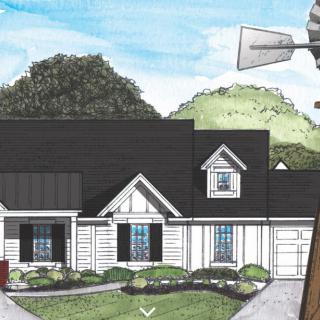

 Securing Financial Support for Assisted Living: A Comprehensive Overview
 Social Security Benefits and Assisted Living: Navigating Options Across the U.S.
 An Extensive Exploration of the VA Aid and Attendance Benefit