
12441 West 151St Street, Overland Park, KS 66221
For more information about senior living options: (866) 208-4318
Overall Review of The Prairie Farmstead East
Pros
 Prairie Elder Care is a wonderful place that is unlike any other.
- The care provided by the staff is exceptional.
- Families are consistently impressed by the high level of care for their loved ones.
- The Farmstead offers a home-like atmosphere and a sense of belonging.
- The care at Prairie Elder Care Farmstead is outstanding around the clock.
- It has become a home away from home, with staff looking after residents as if they were their own.
- The staff, residents, and families are welcoming and feel like family.
- The farm setting provides opportunities to enjoy farm animals, gardens, and outdoor activities.
Cons
 The reviews raise concerns about safety and cleanliness, citing an incident where a resident slipped in urine and sustained a hamstring injury.
- The facility is described as severely understaffed, resulting in residents spending excessive time watching television with little meaningful engagement.
- Some staff interactions are described as unpleasant, such as groceries delivery personnel providing poor service or courtesy.
- After initial positives, newcomers were reported to bring a downhill trend, with uncaring staff who ignored residents, raised their voices, and sometimes did not wear masks.
- The environment is described as negative, with indifferent and uncaring staff, a noticeable odor, and meals not meeting residentsā€™ needs.
- At least one reviewer characterizes the place as a total joke on all levels.
Review
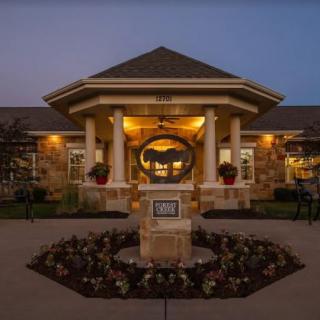
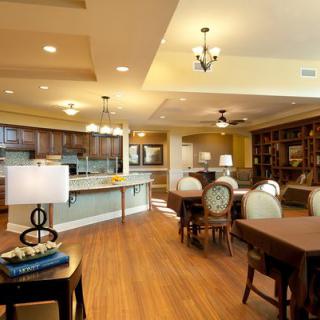
Prairie Farmstead East is best suited for families seeking a compact, home-like assisted living experience with a strong memory-care focus and a rural, farm-inspired ambiance. The eight-resident footprint supports intimate, relationship-driven caregiving and daily routines tailored to individual needs. The farm setting, goats, chickens, a garden, and porch gatherings, provides sensory engagement that can help calm and stimulate residents who have dementia. This community rewards families who want warmth over formality, frequent caregiver interaction, and a schedule that emphasizes participation, not passivity. It is particularly appealing to those who value a nonclinical vibe without giving up attentive care.
Pros widely cited include consistently caring staff, a bright, welcoming atmosphere, and meaningful activity programming. Families report personalized attention, clear communication, and staff who involve residents in practical tasks. The on-site farm elements create natural, regular opportunities for socializing and purpose, while activities range from music and crafts to animal visits and gardening. Dementia care is a clear strength, with caregivers described as patient, knowledgeable, and responsive to changing needs. A family-style kitchen and opportunities for residents to help with meals or chores reinforce dignity and choice within a supportive, home-like framework.
Yet the experience is not uniform. Several reviews raise safety and cleanliness concerns, including a serious incident that prompted questions about supervision. Staffing levels and turnover emerge as recurring themes; when staffing is lean, engagement can dip and residents may spend too many hours watching TV or waiting for meaningful interaction. Some accounts describe abrupt or uncaring responses from staff after changes, and issues around facility upkeep and meal suitability for individual needs. These red flags matter because they can erode the otherwise strong sense of home and wellbeing the setting aims to deliver.
Those strengths can offset weaknesses when the resident fits the model. For memory-care residents who thrive on daily social contact, routine involvement, and consistent caregiver relationships, the small, farm-flavored environment can outperform larger, more clinical facilities. The intimate staff-resident dynamic allows quick adjustment to changing needs, and the farm-based activities offer ongoing stimulation that supports mood and engagement. However, persistent staffing gaps or lapses in cleanliness can blunt these benefits, so it is essential to verify current staffing stability, supervision practices, and cleanliness standards before move-in.
Alternatives are worth considering for families prioritizing different assurances. If seamless, around-the-clock staffing and a broader array of clinical services are non-negotiable, larger memory-care communities with stronger nursing presence may be more reliable. For residents requiring intensive medical oversight, frequent skilled nursing, or rigorous infection-control protocols, a more hospital-like setting could be preferable. If independence, privacy, or a more conventional daily rhythm matters more than farm-life charm, exploring other options with a more traditional assisted-living cadence is prudent.
Bottom line: Prairie Farmstead East warrants serious consideration for families drawn to a warm, intimate, memory-focused environment with meaningful farm-based engagement. Schedule a tour, speak with current residents and families, and observe staff interactions across shifts. Ask about current staffing levels, how care plans are coordinated, and how medication management is handled. If the responses align with a desire for highly personalized, home-like care in a farm setting, this community is worth choosing. If not, move quickly to alternatives that better align with the required level of oversight, consistency, and clinical support.
 8 resident community capacity
 Assisted Living
 Cable or satellite TV
 Dining room
 Fully furnished
 Garden
 Housekeeping services
 Move-in coordination
 Outdoor space
 Telephone
 Wi-Fi/high-speed internet available
 24-hour supervision
 Activities of daily living assistance
 Assistance with bathing
 Assistance with dressing
 Assistance with transfers
 Diabetes diet
 Meal preparation and service
 Medication management
 Special dietary restrictions
 Transportation arrangement (medical)
 Transportation to doctors appointments
 Assisted Living and Memory Care: Understanding Their Core Differences
 Beyond the Bingo Hall: 50+ Enriching Activities for Seniors in Assisted Living
 Understanding the Distinctions: Assisted Living and Memory Care Explained