
12481 West 151St Street, Overland Park, KS 66221
For more information about senior living options: (866) 208-4318
Overall Review of The Prairie Farmstead West
Pros
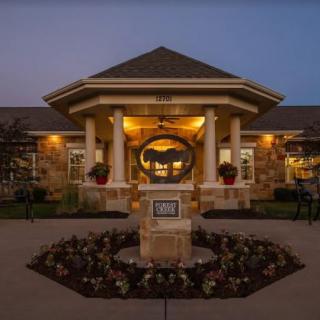
 Prairie Elder Care is a wonderful place unlike any other, with a home-like atmosphere from the moment you enter.
- The care provided by the staff is exceptional, and families are consistently impressed by the high level of care.
- The Farmstead is a unique facility with 24/7 caring, making it feel like a home away from home.
- The staff are caring, warm, enthusiastic, engaging, and well trained in dementia care.
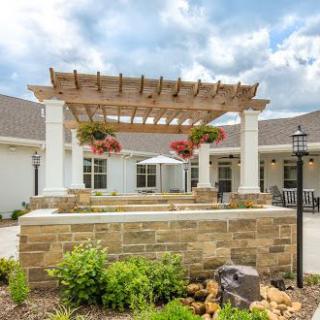
- The farm setting offers residents opportunities to enjoy animals, gardens, and outdoor activities.
- Residents receive meaningful stimulation through activities like music, dog visits, crafts, and farm visits.
- The environment feels safe and welcoming, with many noting they feel like part of a larger family.
- Many reviewers consider Prairie Elder Care to be the best option in the area and would highly recommend it.
Cons
 The reviewer notes concerns about safety and cleanliness, citing a urine incident that caused a significant injury and ongoing issues.
- The facility appears severely understaffed, leaving residents with little meaningful engagement beyond television.
- The staff were not very pleasant.
- New staff arrived and the care deteriorated, with uncaring staff who ignored residents and raised their voices at them.
- The neglect of the reviewer’s mother was terrifying, and they could not get her out quickly.
- Prairie Elder Care is described as a negative, indifferent, and uncaring environment, with a smell and meals not meeting residents' needs.
Review
Who this community is best suited for: The Prairie Farmstead West is a strong fit for seniors who thrive in a small, home-like setting and need memory-care support delivered with a highly personalized touch. Its eight-resident footprint, bright and non-clinical spaces, and a working farm environment create daily life that feels familiar and purposeful rather than institutional. Families consistently note that staff know residents well, communicate clearly, and provide care that feels attentive and compassionate. The farm setting, animals, gardens, outdoor spaces, serves as a meaningful source of routine and sensory engagement, which is especially valuable for memory-impaired residents who benefit from predictable rituals and real-world activities. For a loved one who responds to intimate attention, structured daily life, and hands-on engagement, this community represents a clear aligner.
Who may want to consider alternatives: If a higher level of clinical oversight, broader safety protocols, or the resources of a larger campus are priorities, other options may be more suitable. The reviews show that staffing levels and consistency can vary, and that concerns about safety, cleanliness, and meaningful daytime engagement do arise in some contexts. Families seeking robust, around-the-clock medical coordination, a wide slate of on-site specialists, or extensive, structured programming across multiple shifts may find a larger community with deeper staffing redundancy a better fit. Likewise, residents without memory-care needs or those who do not connect with farm-life activities may prefer a setting with more traditional, institutional programming and a different atmosphere.
How the key pros offset the main cons: The strongest positives center on the intimate, home-like atmosphere and highly personalized care. The small size allows staff to know each resident deeply, tailor activities, and weave residents into daily life, including participation in simple farm chores or garden routines. That level of engagement and relationship-building often translates into calmer moods, better cooperation in care routines, and stronger family confidence. The farm setting itself becomes a therapeutic feature, animals to visit, gardens to tend, and outdoor spaces to enjoy, providing ongoing stimulation and social opportunities that mitigate the risk of isolation. When leadership and staffing align, communication with families is described as excellent and care as exceptional, creating a sense that the place is genuinely “home away from home” for memory-care residents.
The main concerns remain real and should shape the decision: Staffing variability and safety concerns are the primary red flags to scrutinize. A few reviews describe understaffing that limits meaningful engagement, and at least one account raises questions about safety and cleanliness. These factors can erode the otherwise strong value proposition if left unaddressed. The prudent path is to verify current staffing levels, the specific dementia-care competencies on every shift, and the concrete daily programming offered to residents, plus clear safety and cleanliness protocols. When these checks align with the facility’s strengths, personalized attention, family-friendly communication, and an engaging environment, the risk becomes manageable and the decision more confident.
Bottom-line guidance for families: The Prairie Farmstead West should be strongly considered for memory-care–driven seniors who respond positively to a small, intimate setting with meaningful, farm-centered activities and a culture of personal attention. It is less suited for those requiring intensive medical oversight, uniform safety metrics across a large campus, or broad, turnkey programming on every shift. For residents who live well with routine, social stimulation, and tangible daily purpose, hands-on tasks, interaction with animals, and time spent outdoors, the potential rewards are substantial. Those weighing this choice should visit with a critical eye toward staffing stability, safety practices, and the day-to-day activity framework, ensuring the lived experience consistently matches the family’s expectations and the loved one’s needs.
 8 resident community capacity
 Assisted Living
 Cable or satellite TV
 Dining room
 Fully furnished
 Garden
 Housekeeping services
 Move-in coordination
 Outdoor space
 Telephone
 Wi-Fi/high-speed internet available
 24-hour supervision
 Activities of daily living assistance
 Assistance with bathing
 Assistance with dressing
 Assistance with transfers
 Diabetes diet
 Meal preparation and service
 Medication management
 Special dietary restrictions
 Transportation arrangement (medical)
 Transportation to doctors appointments



 Comprehensive Insights into Activities of Daily Living (ADLs) and Their Assessment
 Medicare Coverage for Assisted Living: An In-Depth Exploration
 Your Comprehensive Guide to Luxury Assisted Living: Elevated Facilities, Amenities, and Costs