Residents and families consistently describe staff as kind, attentive, and responsive.
Across reviews, people mention friendly staff who answer questions, communicate, and provide help when needs come up. Several residents and families describe care that feels personal—knowing people by name and paying attention to daily wellbeing. Even in the less positive reviews, the common thread is staffing pressure, not an overall lack of concern from individuals.
common12 reviews mention this
Activities and events keep busy
Residents describe an active schedule with activities they can join.
Multiple reviews highlight community-sponsored activities and events, including seasonal gatherings like Halloween and Easter. People describe interactive setups, games, and residents who are included rather than left out. Reviews from families and volunteers also point to engagement for both residents and the wider community.
common5 reviews mention this
Meals and kitchen earn praise
Residents mention consistently positive meals and kitchen service.
Several reviews call out food as good or wonderful, including praise for the kitchen team and a chef. Meal preparation and service are also part of the services offered. Some dining mentions are diet-focused as well, including diabetes and special dietary restrictions.
differentiator5 reviews mention this
Care options span multiple levels
Families describe a clear path across independent, assisted, and nursing care.
Reviews describe experiences moving through different levels of care at the same community, including independent living, assisted living, and nursing care. Families say questions are handled quickly as needs change, and they credit staff with smooth transitions. The community also offers assistance with activities of daily living and medication management, along with a 24-hour call and supervision system.
caveat2 reviews mention this
Some reviews cite short staffing
A minority of reviewers report problems related to staffing levels.
Two reviews are critical and both mention being short staffed. One reviewer also raises concerns about how employees and residents are treated. These comments stand apart from the many accounts of supportive, responsive staff.
How we summarize
Counts show how many written reviews mention each theme; a review can touch several themes, and only frequently mentioned themes are displayed.
Transitioning from assisted living to memory care is driven by an individual's cognitive decline and specific needs, requiring careful evaluation of indicators like increased confusion and wandering. The process involves consulting medical professionals, researching suitable communities, considering financial and legal aspects, and ensuring effective communication for personalized care plans.
Assisted living provides moderate support for seniors seeking independence, while memory care offers specialized support for individuals with dementia or cognitive impairments through structured routines and trained staff. Key differences include care approaches, environment security measures, staff training levels, activity types, and cost considerations.
Assisted living communities offer diverse activities beyond traditional games to enhance seniors' physical health, cognitive well-being, emotional enrichment, and social connections, including fitness classes, creative expression, and intergenerational interactions. These enriching programs foster community bonds and support residents' independence and happiness.
Get PricingAsk A QuestionSchedule A TourContact Senior Advisor
By clicking submit, you agree to our Partner's Terms of Use. You
also consent to receive calls and texts, which may be autodialed, from our Partner. Your consent is not a condition to
using our Partner's service. Please visit our Partner's Privacy Policy for information about their privacy practices.

 50 resident community capacity
 Assisted Living
 Continuing Care Retirement Community (CCRC)
 Skilled Nursing Facility
 Beauty salon
 Cable or satellite TV
 Dining room
 Fully furnished
 Garden
 Housekeeping services
 Kitchenette
 Move-in coordination
 Outdoor space
 Telephone
 Wi-Fi/high-speed internet available
 24-hour call system
 Activities of daily living assistance
 Assistance with bathing
 Assistance with dressing
 Assistance with transfers
 Diabetes diet
 Meal preparation and service
 Medication management
 Mental wellness program
 Special dietary restrictions
 Transportation arrangement (medical)
 Transportation to doctors appointments
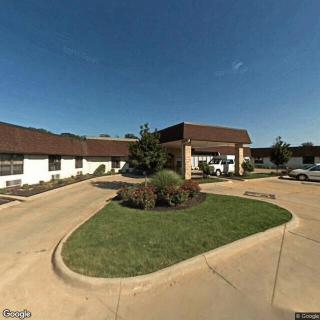
 Spacious rooms with a welcoming ambiance, attentive nursing staff, and a rich calendar of activities plus spiritual/chapel support.


 When to Transition from Assisted Living to Memory Care: Key Indicators, Steps, and Finding the Right Community
 Assisted Living and Memory Care: Understanding Their Core Differences
 Beyond the Bingo Hall: 50+ Enriching Activities for Seniors in Assisted Living